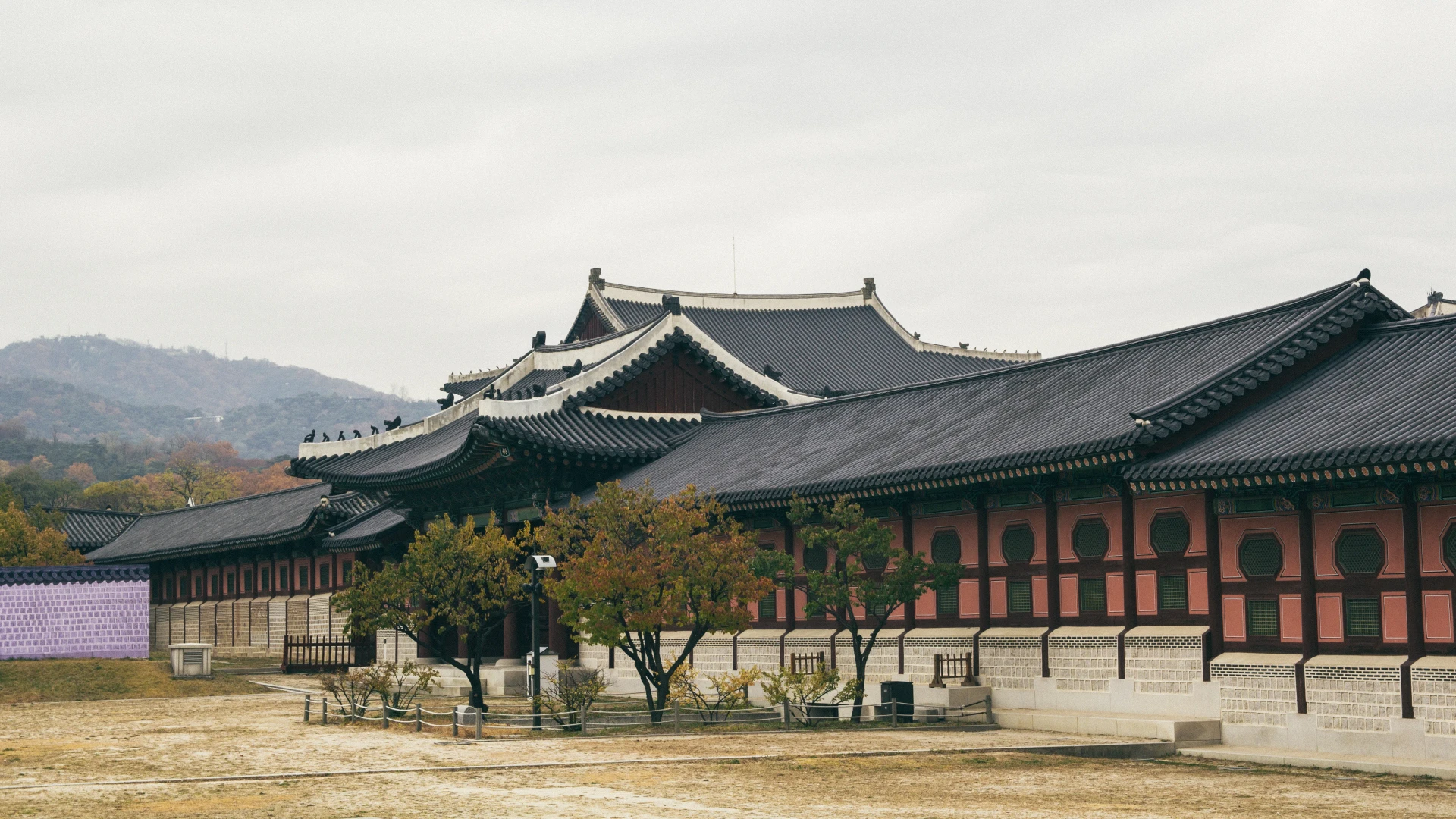
Seoul is what happens when a 600-year-old capital gets rebuilt from rubble twice in one century and decides, both times, to keep building. The five grand palaces survived the Japanese occupation and the Korean War in patches — Gyeongbokgung was largely reconstructed in the 1990s, not preserved — yet the city treats that history as load-bearing rather than decorative, which is why hanbok-rental shops around the palace gates do brisk business with Korean teenagers, not just tourists. The other Seoul, the one exported globally as K-pop and K-drama, is inseparable from the first: Gangnam's plastic surgery clinics and Myeongdong's skincare shops sit a 20-minute subway ride from a 15th-century throne hall, and nobody here finds that strange. The practical upshot: Seoul rewards visitors who split time between old and new rather than picking one. The subway makes this easy — it's one of the best transit systems on earth, and you'll use it more than any single attraction.
Myeongdong is the classic first-timer base — shopping, skincare shops, and easy subway access, though touristy after dark. Hongdae (near Hongik University) is the youth and nightlife district, loud and fun. Gangnam is glossy, modern, and where the K-culture industry actually operates. Jongno/Bukchon puts you next to the palaces and hanok villages, quieter and more historic. Itaewon is the international and expat-friendly area with the widest range of foreign food. Most first-time visitors do well split between Myeongdong or Jongno and a night or two near Hongdae.
TravelBuzzy Tips
Bukchon Hanok Village gets swarmed by 10am — visit before 9am for photos without a crowd of tour groups
Buy a T-money transit card at any convenience store on arrival — it works on subway, bus, and most taxis
Myeongdong's street food stalls close early (by 9-10pm) — Hongdae and Gwangjang Market stay lively much later
Spring (April–May) brings cherry blossoms and mild 12–22°C weather — beautiful but the most crowded window. Autumn (late September–November) is arguably better: crisp air, spectacular foliage in the mountains ringing the city, and marginally thinner crowds. Summer (June–August) is hot, humid, and includes the monsoon (late June–July). Winter (December–February) drops below freezing but is dry, clear, and dramatically cheaper — worth considering if palaces-in-snow appeals more than cherry blossoms.
TravelBuzzy Tips
Cherry blossom peak shifts year to year (usually late March–early April) — check forecasts rather than booking on a fixed date
November's foliage at Naejangsan or Seoraksan requires a day trip but is genuinely spectacular and under-visited by international tourists
Winter hotel rates in Seoul can drop 30–40% below spring peak — pack for real cold if you go
The Seoul Metro is the backbone of the city — extensive, cheap, spotlessly clean, and signed in English throughout. A T-money card works across subway, bus, and taxi and can be topped up at any convenience store. Taxis are metered and inexpensive by Western standards but drivers rarely speak English — have your destination written in Korean or use a map app to show the address. Walking works well within single neighbourhoods but distances between districts (Gangnam to Jongno, for instance) are genuinely large — take the subway.
Korean food outside Korea barely hints at the range here: beyond barbecue and bibimbap, expect specialised restaurants doing one dish exceptionally well for decades. Gwangjang Market is the essential food-market visit — bindaetteok (mung bean pancakes) and mayak gimbap are the signature orders. Convenience store food (triangle kimbap, instant ramyeon with an egg dropped in) is a legitimate, cheap late-night meal, not a last resort. Myeongdong's street stalls are aimed squarely at tourists — good for photos, less good for quality.
TravelBuzzy Tips
Gwangjang Market's bindaetteok stalls have queues for a reason — go at 11am to beat both crowds and lunch rush
Convenience store meal deals (any GS25 or CU) are genuinely good and open 24 hours — useful after late K-pop concerts or jjimjilbang visits
Korean barbecue lunch sets are dramatically cheaper than dinner at the same restaurants — eat your splurge meal at midday
Myeongdong remains the skincare and cosmetics epicentre — multiple floors of Korean beauty brands at prices well below export retail. Gangnam is the industry's actual home turf: SM Town and HYBE Insight offer K-pop exhibition experiences, and the district's underground malls (COEX) are vast. Hongdae has the best street fashion and indie music scene, plus busking performances most weekend evenings. Dongdaemun Design Plaza runs 24-hour wholesale fashion markets that are genuinely worth a 2am visit if jet lag has you awake anyway.
TravelBuzzy Tips
K-pop themed cafes and exhibition spaces (HYBE Insight, SMTOWN) require timed tickets booked online in advance
Dongdaemun's wholesale floors sell to the public after midnight at prices well below the daytime retail floors
Jjimjilbang (Korean spa/sauna) culture is worth an evening even for skeptics — Siloam Sauna and Dragon Hill Spa are visitor-friendly
Tours & Experiences
Book your days in Seoul
Skip-the-line tickets, guided tours, and day trips in Seoul — free cancellation on most, confirmed instantly.
Get Price Alerts for Seoul
We'll notify you when flight or hotel prices drop for your chosen month.
Occupies the top floors of Lotte World Tower, Korea's tallest building. Michelin-starred dining, sweeping Han River views, and some of the best service in the city.
*Prices shown are indicative and may vary. TravelBuzzy earns a commission on bookings made through these links, at no extra cost to you. Full disclosure