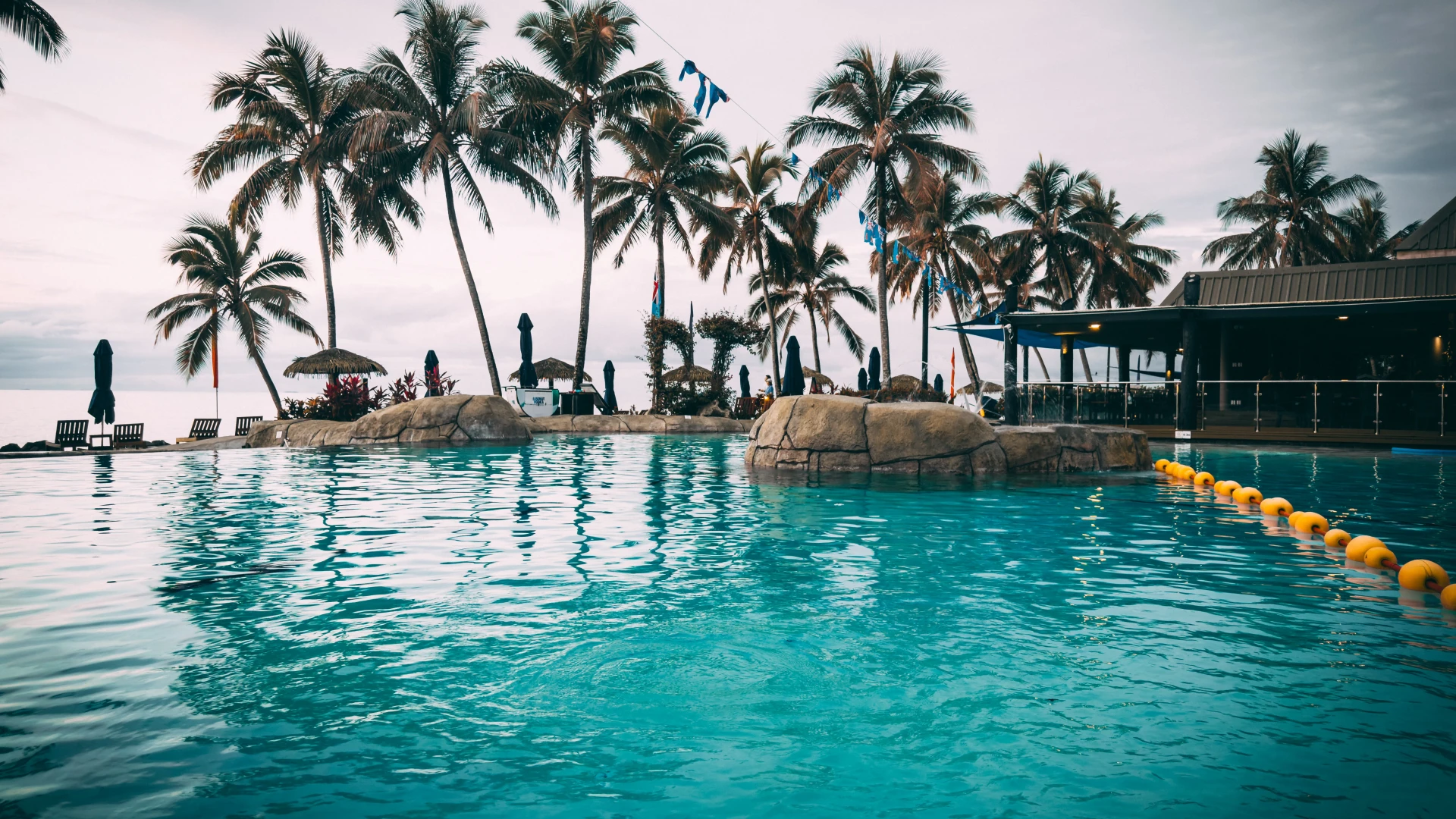
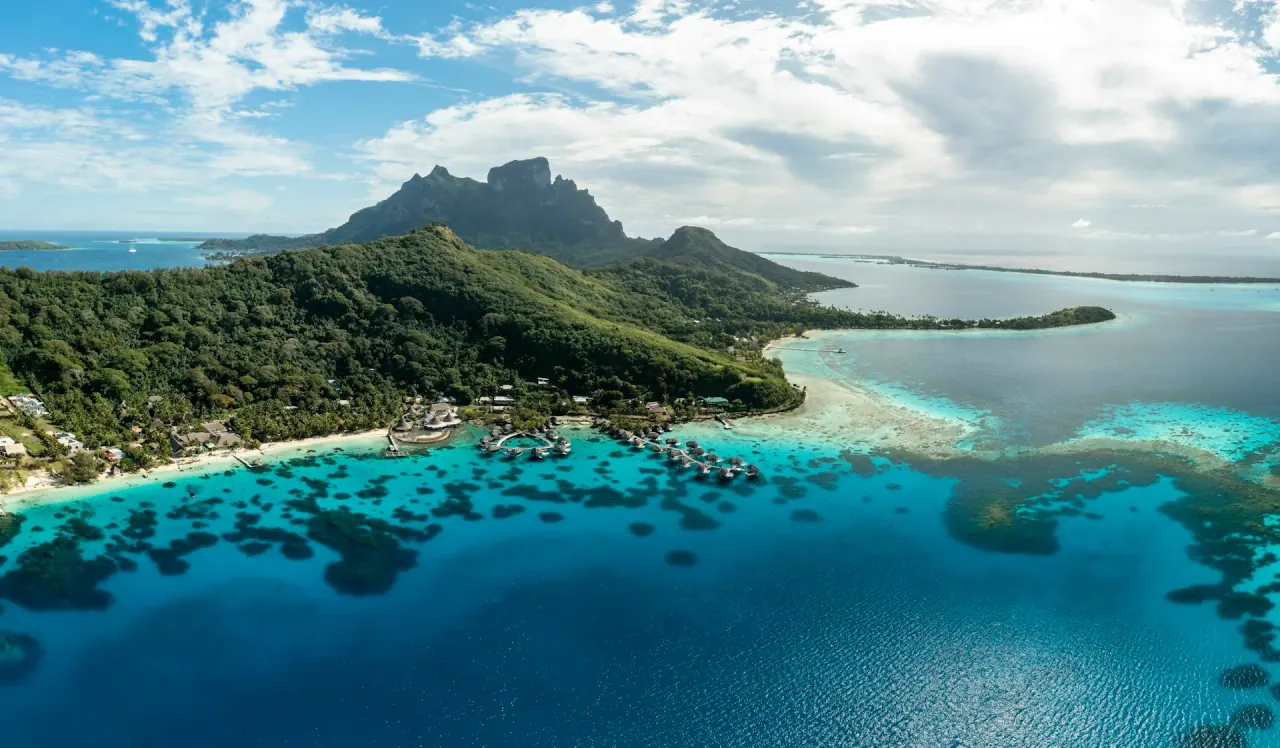
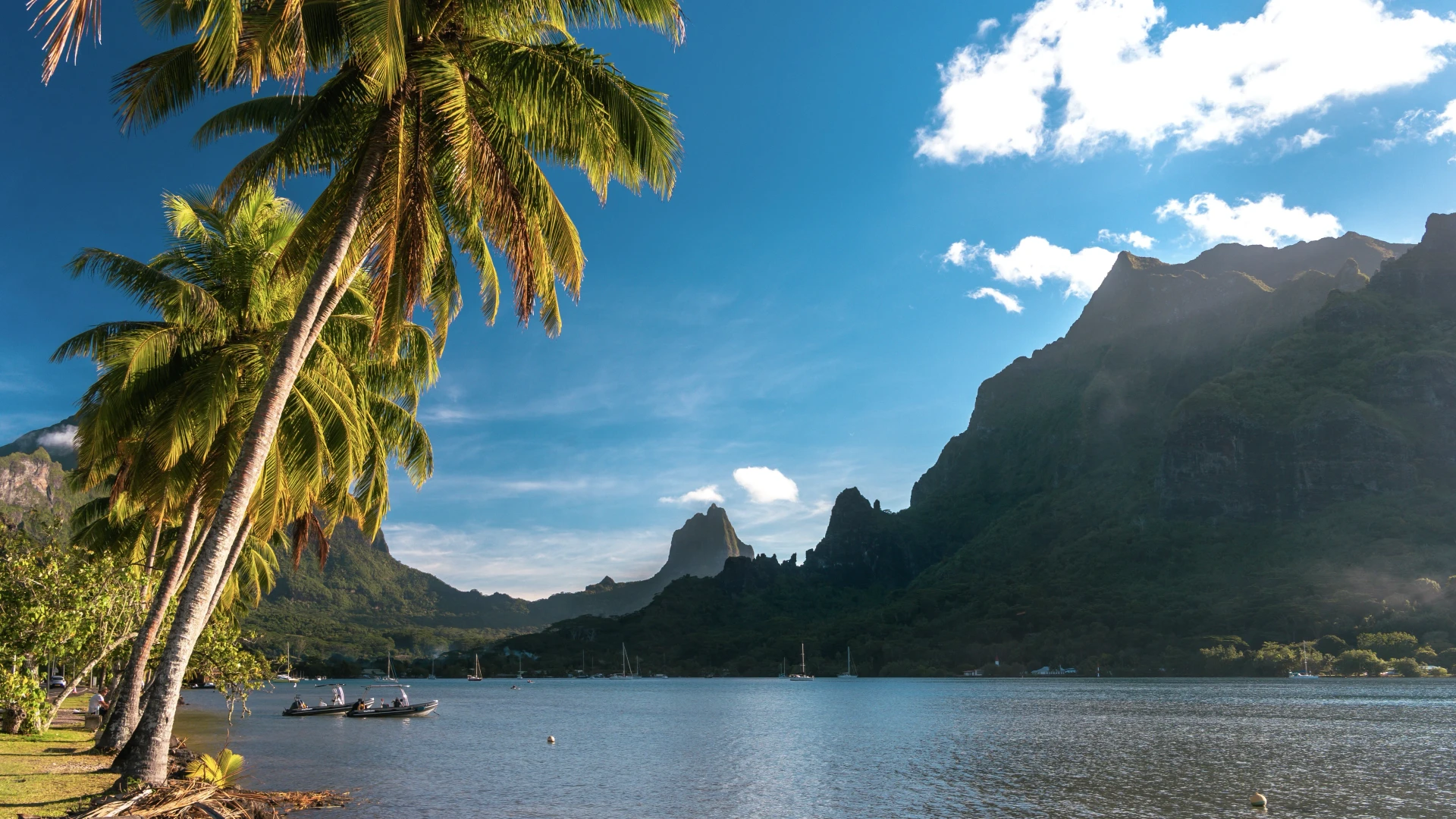
Fiji sells itself on the overwater bungalow photo, and then quietly delivers something more interesting: over 330 islands where the resort economy and a genuinely intact village culture coexist within a few hundred metres of each other, often on the same stretch of coast. The Mamanuca and Yasawa chains off Nadi are where the postcard resorts cluster — turquoise water, day-trip snorkelling, sunset kava ceremonies — while Viti Levu's Coral Coast and interior villages are where Fiji's actual social contract, built on communal land ownership and a formal welcome ceremony (sevusevu) for any visitor to a village, still operates much as it has for generations. The 'Fiji time' cliché is real and, once you stop fighting it, a genuinely good thing. Where this trip goes wrong is treating it as a beach add-on to Australia or New Zealand rather than a destination that rewards at least a week — long enough to island-hop past the first resort you land at.
Nadi and Denarau Island are the arrival and resort-cluster hub, convenient but heavily developed. The Mamanucas (30–90 minutes by boat) hold the classic resort islands, good for first-timers wanting easy day trips and reliable snorkelling. The Yasawas, further north, are quieter, more backpacker-friendly, and best explored by the Yasawa Flyer catamaran hopping between island guesthouses. Viti Levu's Coral Coast and the Suva side of the main island show a much less touristed, more local Fiji, with waterfalls, villages, and far fewer resorts.
TravelBuzzy Tips
First-timers should base on one Mamanuca island for 4–5 nights rather than trying to island-hop the whole trip
The Yasawa Flyer catamaran is the standard way to island-hop independently — book segments in advance in peak season
Denarau Island is convenient but entirely resort-built — don't mistake it for 'real' Fiji
Fiji's resorts (especially in the Mamanucas) are genuinely excellent — but a village homestay or a locally-run guesthouse in the Yasawas gives a completely different, and arguably richer, experience: shared meals, kava ceremonies that aren't performed for tour groups, and a direct look at how communal land (over 80% of Fiji is indigenously owned) shapes daily life. Any village visit should go through a formal sevusevu — presenting kava root to the chief — usually arranged by your guesthouse or tour operator. This isn't a photo-op tradition; it's the actual protocol for being welcomed as a guest.
TravelBuzzy Tips
Cover shoulders and knees when visiting a village, and never wear a hat or sunglasses when greeting a chief
Let your guesthouse arrange the sevusevu — turning up to a village unannounced is genuinely disrespectful
A 2–3 night village or budget-guesthouse stay pairs well with a longer resort stint — most itineraries benefit from both
May–October is the dry season — lower humidity, more reliable sunshine, and cooler evenings, making it the most comfortable window and the peak booking period. November–April is cyclone season: warmer, wetter, and with a real (if inconsistent) risk of tropical storms disrupting inter-island boat transfers. Late April–May and October–November are the shoulder seasons, offering dry-season weather with lower prices.
TravelBuzzy Tips
Cyclone season doesn't mean constant storms, but it does mean checking forecasts before booking inter-island boat transfers
July–August coincides with Australian and New Zealand school holidays — book resorts 4+ months ahead
Inter-island transport is boat- or plane-based: Fiji Airways and Northern Air run short domestic flights between Nadi, Suva, and outer islands, while the Yasawa Flyer catamaran and resort-operated boats cover the Mamanucas and Yasawas. There's no bridge network between the island groups that matter to visitors. On Viti Levu itself, rental cars and local buses cover the Coral Coast and Suva, but most visitors never need to drive — resort transfers and boat schedules do the work.
Kokoda — raw fish marinated in coconut cream and lime, Fiji's answer to ceviche — is the dish to seek out, done well at both resorts and local roadside stalls. A lovo (earth-oven feast, usually a resort's weekly cultural night) is worth timing a stay around. Suva, the capital, has the best genuinely local food scene, including a strong Indo-Fijian influence (Fiji has a large population of Indian descent) visible in excellent curries and roti. Resort dining is reliably good but priced for a captive audience — day trips into Nadi town offer much better value.
Tours & Experiences
Book your days in Fiji
Skip-the-line tickets, guided tours, and day trips in Fiji — free cancellation on most, confirmed instantly.
Get Price Alerts for Fiji
We'll notify you when flight or hotel prices drop for your chosen month.
*Prices shown are indicative and may vary. TravelBuzzy earns a commission on bookings made through these links, at no extra cost to you. Full disclosure