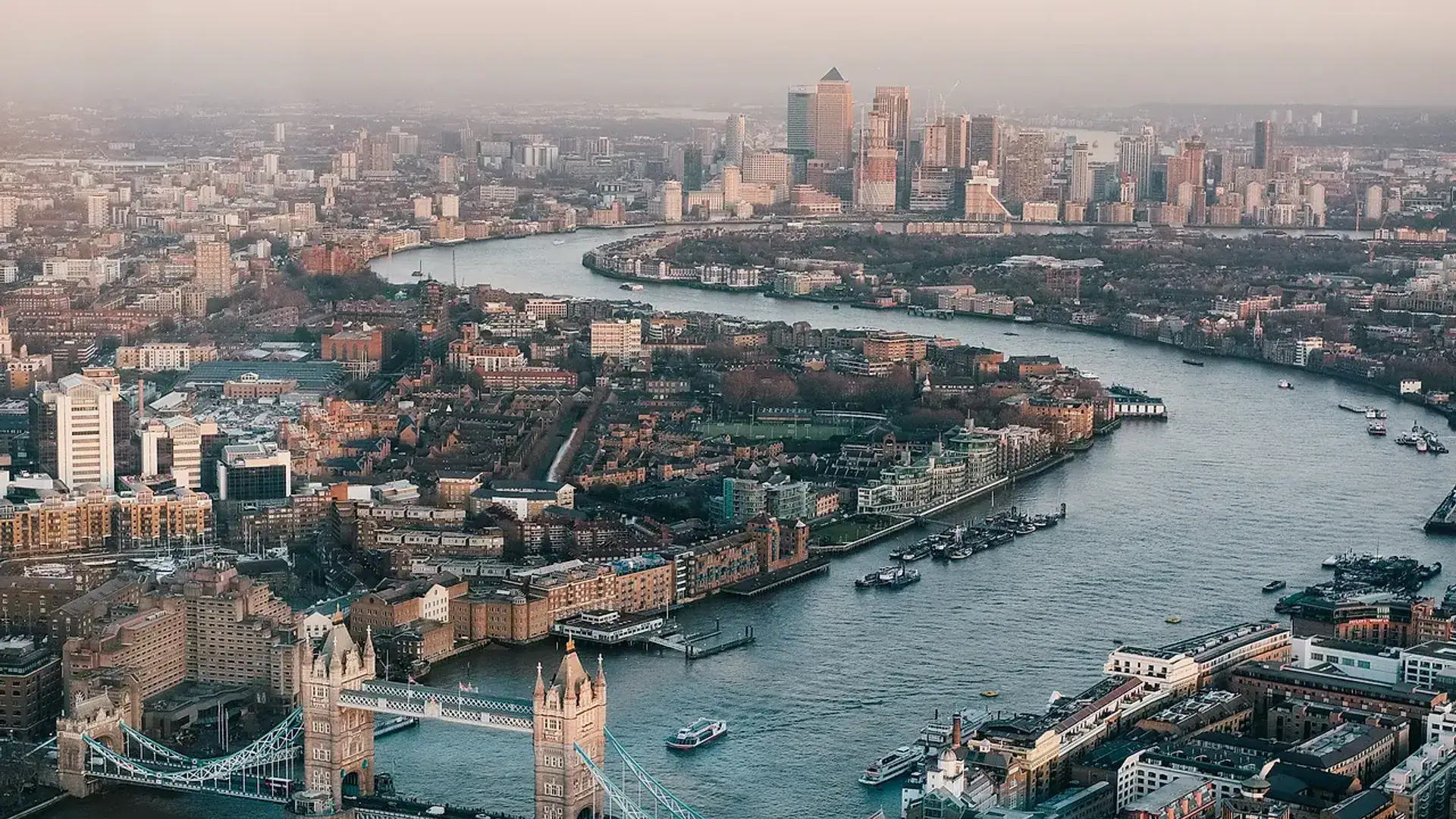
London is the most international city in Europe and arguably the most layered capital in the world — a place where you can have a flat white in Shoreditch in the morning, see a Holbein at the National Portrait Gallery at noon, eat a perfect Sichuan dinner in Chinatown, and end the night at a Soho jazz club. The free national museums (British Museum, National Gallery, Tate Modern, V&A) are among the finest cultural institutions on earth. The food scene has, after 20 years of reform, become genuinely excellent — particularly the Indian, Sichuan, Levantine, and contemporary British restaurants. And the city's neighbourhoods — Notting Hill, Shoreditch, Hampstead, Greenwich — each function as small cities of their own.
Covent Garden / Soho is the central tourist heart — theatres, restaurants, walkable to most major sights. Shoreditch / Hoxton is east London's creative quarter — street art, third-wave coffee, and the best independent restaurants. Notting Hill is the famous Portobello Road neighbourhood — pretty pastel houses, antique market on Saturdays, and the relaxed west-London feel. South Bank stretches along the Thames between Westminster and Tower Bridge — the Tate Modern, the South Bank Centre, and the best riverside walk in the city. Kensington / Chelsea is the most upmarket residential area — the V&A and Natural History Museums, Hyde Park access, and the elegant Cromwell Road hotels.
TravelBuzzy Tips
Stay in Covent Garden or Soho for first-time visits — walking distance to most major attractions
Shoreditch is the move for repeat visitors who want London's contemporary food and creative scene
South Kensington puts you near 3 free museums and the most beautiful residential streets in central London
May, June, and September are the sweet spots — 18–22°C, the least rainy months of the year, long daylight hours, and the parks at their best. July and August are warmer (up to 28°C in heatwaves) but extremely busy with European holidaymakers, and London hotels do NOT all have air conditioning. November–February is cold, dark by 4pm, and frequently grey — but hotel prices drop dramatically and the Christmas markets and West End theatre season are exceptional. Avoid school holidays (mid-July to early September, Christmas week, half-term breaks) if you want better hotel prices.
TravelBuzzy Tips
Late May to mid-June is the absolute optimal window — warm, dry, daylight until 9:30pm, and pre-summer-holiday crowds
December's Hyde Park Winter Wonderland and Borough Market festive season are genuinely special
August in central London is busier than you expect — the Notting Hill Carnival (last August weekend) shuts down half of west London
The London Underground (the Tube) is the second-oldest metro on earth and remains the dominant way to move across the city. Get an Oyster card or use contactless payment with your bank card (capped daily, no Oyster needed). Buses are excellent for short distances and let you see the city, but slower than the Tube during rush hour. Black cabs are everywhere and the drivers genuinely know the city (they pass a 4-year exam called The Knowledge); Uber/Bolt are cheaper alternatives. Walking is the most underrated way to see central London — Covent Garden to South Bank to Westminster to Mayfair is one of the world's great urban walks.
TravelBuzzy Tips
Use contactless bank card on the Tube — same price as Oyster, no card to buy, and the daily/weekly caps apply automatically
The Elizabeth Line (purple, opened 2022) cuts across central London faster than any other line — use it when you can
Avoid the Tube during 5–7pm on weekdays — buses are slower but more pleasant during rush hour
London's food has transformed since the early 2000s into one of the world's most cosmopolitan dining cities. The best Indian food outside the subcontinent is here (Dishoom, Gymkhana, Tayyabs in Whitechapel). The Sichuan and Cantonese scenes in Chinatown and beyond rival what you'd get in mainland China. Contemporary British (St JOHN, The Quality Chop House, Lyle's) has rehabilitated the country's culinary reputation. For pub food, the gastropub revolution started here — The Eagle in Farringdon is the original, The Marksman in Hackney is the contemporary best. Borough Market for groceries and snacking, Maltby Street for the same with smaller crowds.
TravelBuzzy Tips
Dishoom (book 4+ weeks ahead or queue at 8am) is the most popular restaurant in London and lives up to it
Borough Market on Saturday morning is the essential food experience — go before 11am to avoid crowds
Sunday roast at The Pelican (Notting Hill) or The Camberwell Arms (south London) is the most quintessentially British meal you can have
Tours & Experiences
Book your days in London
Skip-the-line tickets, guided tours, and day trips in London — free cancellation on most, confirmed instantly.
Get Price Alerts for London
We'll notify you when flight or hotel prices drop for your chosen month.
The most quintessentially British grand hotel — Art Deco public rooms, the most famous afternoon tea in London, and a level of discreet service that defines what 'old money' luxury means.
The hotel that defined east London's modern hospitality scene — playful design, an excellent lobby restaurant (Hubbard & Bell), and a price point that makes Shoreditch accessible.
*Prices shown are indicative and may vary. TravelBuzzy earns a commission on bookings made through these links, at no extra cost to you. Full disclosure