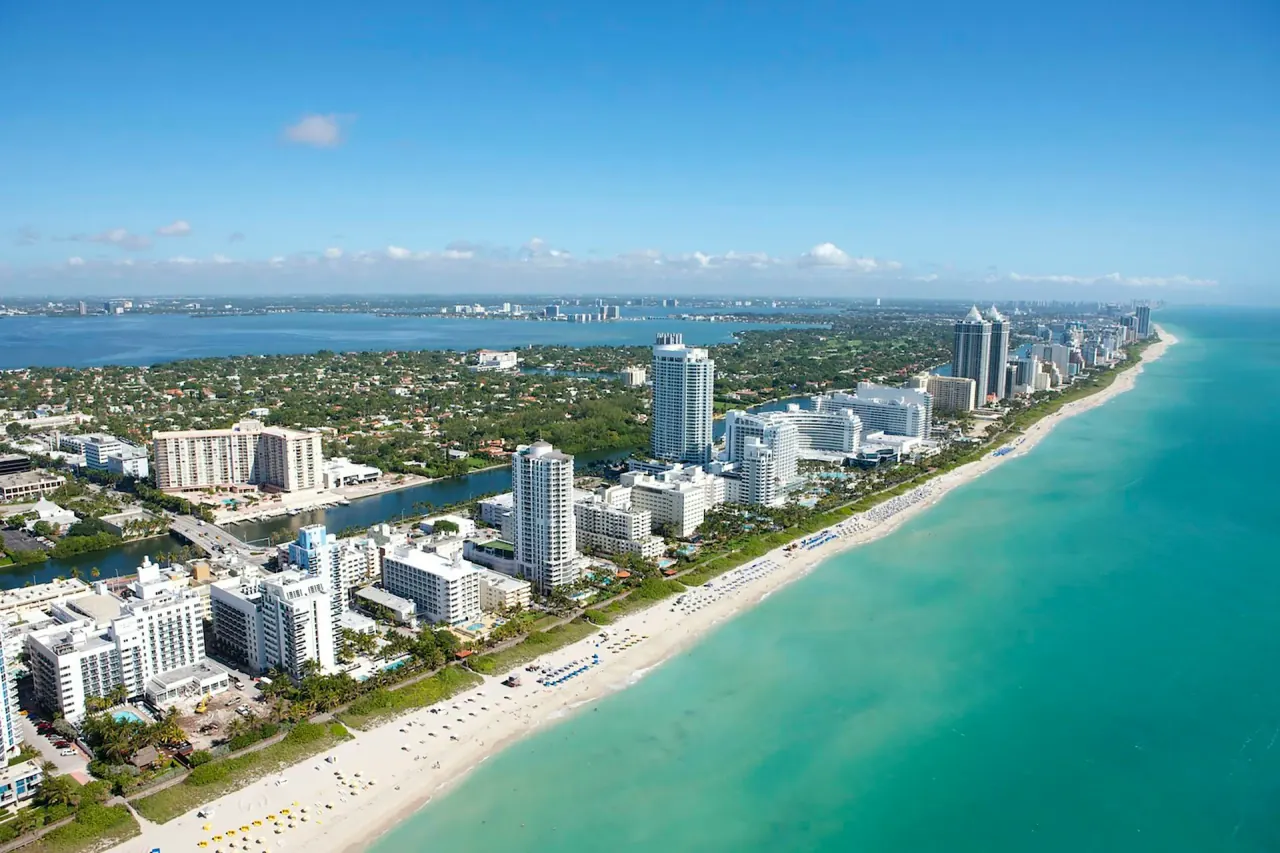
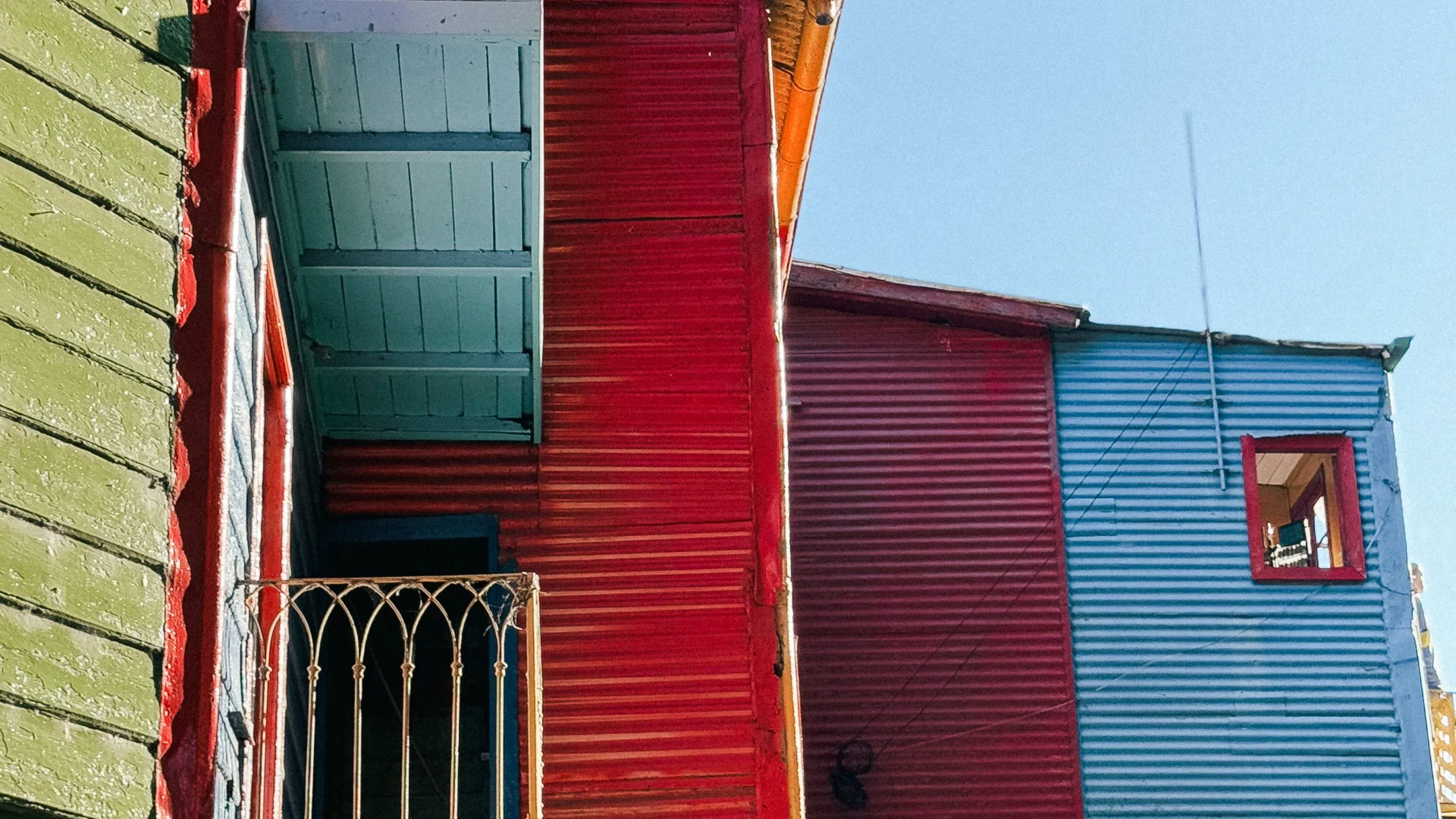
Rio de Janeiro is the most spectacular major city we know to look at, and the most logistically complicated to actually visit. The geography — granite mountains rising directly out of an ocean, the city wrapped around them in pockets — means you don't get a 'centre'. You get Zona Sul (Copacabana, Ipanema, Leblon — the beach neighbourhoods where almost all visitors stay), Zona Norte (working-class, sambas, the Maracanã stadium), Centro (the colonial-era and business district, dead at night), and the favelas climbing the hillsides between. The city's reputation for safety has improved meaningfully since 2018; specific neighbourhoods are now reliably fine for foreign visitors during the day and evening (Leblon is the safest; Ipanema is where you'll want to be), and the overwhelming majority of visits go without incident — but it's a city where it makes sense to leave the watch in the hotel safe and to call Ubers rather than walk after dark in unfamiliar neighbourhoods. Beyond the obvious (Cristo, Sugarloaf, Copacabana), the most worthwhile experiences are: a hike up Pedra da Gávea (the largest urban granite monolith on earth, 4 hours round trip); a day trip to Ilha Grande (a 2-hour drive south, no cars, jungle trails, perfect beaches); and a samba night in Lapa on a Friday — the best free musical experience in any major city.
Zona Sul is where most visitors live: Ipanema (more upscale, sophisticated, the best beach for swimming and people-watching), Copacabana (more democratic, noisier, great people-watching of a different kind), Leblon (the most affluent, quietest, and best restaurants), and Barra da Tijuca (modern suburb, less atmospheric). Santa Teresa is Rio's most characterful neighbourhood — a hillside village of colonial houses, art galleries, and excellent bars, reached by historic tram. Lapa is the nightlife neighbourhood — forró, samba bars, and the famous Escadaria Selarón mosaic staircase.
TravelBuzzy Tips
Stay in Ipanema or Leblon — they have the best beaches, best restaurants, and are safest for visitors
The Lapa Arches (Saturday night, from 10pm) is the most electric free nightlife in South America
Santa Teresa by tram on a Sunday morning, ending at Bar do Mineiro for feijoada, is Rio at its most authentic
May–October is the cooler, drier shoulder and low season — 22–28°C, less humidity, and lower prices. November–April is the hot, rainy season — intense afternoon storms but also Carnaval (February/March). Carnaval timing shifts yearly (before Ash Wednesday) — the sambadrome parade is the ticket event of the year for any visitor willing to pay. December and January are expensive and humid. The best balance is September–October: warm beach weather, minimal rain, and 30–40% cheaper than Carnaval season.
TravelBuzzy Tips
Carnaval tickets for the Sambadrome sell out months in advance — buy through official sources only (Rio Carnival official website)
June/July is Rio's winter — the beach is still excellent (25°C) but the nightlife slows slightly
New Year's Eve on Copacabana (Réveillon) draws 3 million people in white to the world's largest NYE party
Rio has a reputation for crime that requires calibration — the Zona Sul tourist areas (Ipanema, Copacabana, Leblon) are generally safe during daylight hours and manageable at night with the right precautions. The key rules: do not carry your passport (carry a photocopy), use only Uber or authorised taxis (never hail from the street), leave all jewellery in the hotel safe, and avoid walking through unfamiliar areas after dark. Favela visits are possible and rewarding through reputable operators — do not try to enter any favela independently. The beach requires attention — do not leave bags unattended.
TravelBuzzy Tips
Use Uber exclusively — never hail a taxi from the street in Rio
Leave all jewellery, including watches, in the hotel safe before going to the beach
Favela Santa Marta or Rocinha through a reputable community operator is a worthwhile cultural experience — never independently
Cristo Redentor (Christ the Redeemer) on Corcovado Mountain is Rio's defining image — book the train or van up 2 weeks ahead and go at 8am for clear skies and no crowds. Sugarloaf (Pão de Açúcar) gives the best city panorama — two cable car stages, both extraordinary. Rio's beach culture is its own social institution: Ipanema has marked sections for families, volleyball, football, and different communities. The beach's kiosks serve fresh coconut water and caipirinhas — the order in which they are consumed is a matter of personal choice.
TravelBuzzy Tips
Cristo Redentor at sunrise (tickets for the first 7am entry) with cloud-free views is the finest 2 hours in Rio
Sugarloaf at sunset is the most photographed image in Brazil — arrive 1 hour before sunset for the best spot
Ipanema beach post 4pm (when the sun drops behind the hills) is the golden hour of Rio's social beach life
Tours & Experiences
Book your days in Rio de Janeiro
Skip-the-line tickets, guided tours, and day trips in Rio de Janeiro — free cancellation on most, confirmed instantly.
Price Calendar
Best Month to Book
Flight prices & hotel demand for Rio de Janeiro — click any month for details
The most iconic hotel in South America — a 1923 white palace directly on Copacabana Beach. The pool overlooking the beach is one of the world's great hotel views.
The only hotel directly on the Arpoador promontory — stunning views of both Copacabana and Ipanema beaches from the front rooms. Excellent value for the uniqueness of position.
*Prices shown are indicative and may vary. TravelBuzzy earns a commission on bookings made through these links, at no extra cost to you. Full disclosure