Mexico City has been having its decade — quietly, and with very little marketing. The arrival of remote workers in 2020–2022 priced the locals out of Roma Norte and Condesa (both still excellent neighbourhoods, just no longer cheap), but the city of 22 million is large enough that the genuinely good Mexico City has shifted, not disappeared. Three things to internalise. First: the elevation. Mexico City sits at 2,240 metres — visitors fly in jet-lagged AND oxygen-deprived, and the first 36 hours are tiring. Drink water, sleep in. Second: the food scene above $50 a meal is among the world's most exciting (Pujol, Quintonil, Sud 777 — book six weeks ahead) but the food under $5 a meal is the actual national treasure. A taco al pastor at El Tizoncito or El Califa, a quesadilla with huitlacoche from a market stall, a tlacoyo in San Ángel — these are the meals you'll talk about. Third: get out of the centro for at least one day. Coyoacán (Frida Kahlo's neighbourhood, with the Casa Azul) and Xochimilco's chinampas (the floating gardens that fed the Aztec capital, now a Sunday-afternoon ritual involving trajinera boats, mariachi, and a lot of mezcal) are not to be skipped. Stay in Roma Norte, La Condesa, or San Miguel Chapultepec.
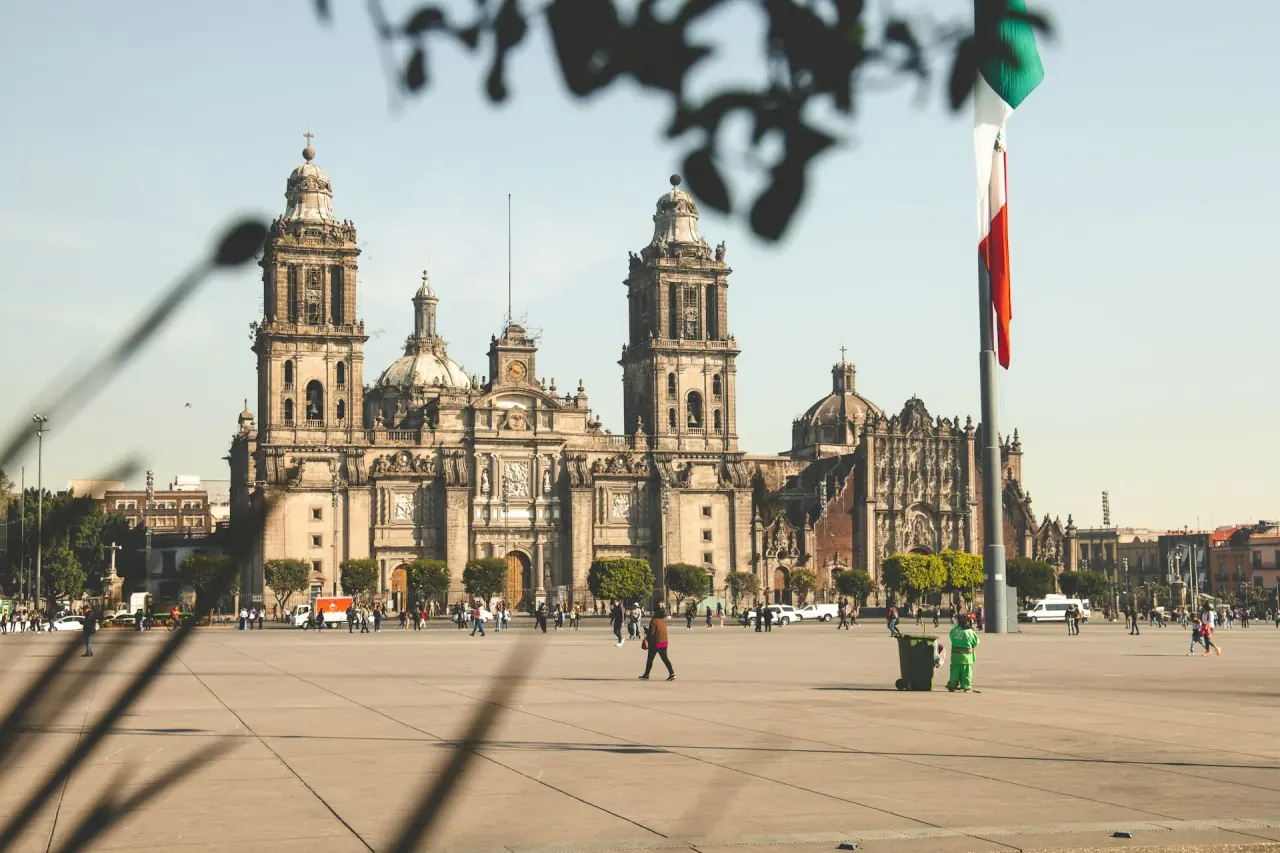
Roma Norte is the most fashionable neighbourhood right now — Art Nouveau houses converted into excellent coffee shops, galleries, and restaurants. Condesa is Roma's tree-lined sibling — Art Deco buildings, outdoor café culture, and the best park (Parque España) for people-watching. Polanco is Mexico City's Beverly Hills equivalent — luxury hotels, Avenida Presidente Masaryk boutiques, and the Antara mall. Centro Histórico is the historic core — the Zócalo, the Metropolitan Cathedral, the Templo Mayor Aztec ruins, and the best taco markets. Coyoacán is where Frida Kahlo lived and still preserves a village-within-the-city character.
TravelBuzzy Tips
Roma Norte and Condesa are the two best bases — walkable between each other, excellent food and café culture
Coyoacán on a Sunday (Mercado de Artesanías, Frida Kahlo Museum area) is Mexico City's finest afternoon
Centro Histórico is best explored Monday–Friday when it operates as a real city rather than just a tourist zone
The dry season (November–April) is the best period: clear skies, minimal rain, and 18–24°C temperatures. November, February, and March are the sweet spots — after the rainy season and before the hottest months. The rainy season (June–October) brings afternoon downpours (rarely all-day rain) and grey skies — perfectly manageable but less beautiful. Día de Muertos (November 1–2) is one of Mexico City's most spectacular celebrations — the Mixquic neighbourhood and the Zócalo transform completely.
TravelBuzzy Tips
Día de Muertos (November 1–2) in Mexico City is one of the world's great living cultural experiences
March is ideal: dry, mild, and the city's best restaurant season as chefs return from winter travels
Altitude note: drink extra water, avoid alcohol the first 24 hours, and take it easy on arrival
Mexico City's food scene is the best in the Americas. The taco culture alone would justify the visit: tacos al pastor (spit-roasted pork with pineapple, originated in the city), birria, carnitas, and barbacoa are the canonical forms. El Vilsito (a mechanic's workshop by day, legendary taco al pastor stand by night) and Los Cocuyos in the Centro Histórico are two of the most famous. At the restaurant level, Quintonil and Pujol have repeatedly placed in the World's 50 Best — extraordinary Mexican fine dining that costs a fraction of equivalent European restaurants.
TravelBuzzy Tips
El Vilsito (Narvarte neighbourhood) at midnight serves the finest tacos al pastor in the city
Mercado de San Juan is the best single food market in the city — Japanese wagyu beef, quesillo, and ceviche tostadas
Pujol book 2 months ahead for the Taco Omakase bar — $80 per person, genuinely revelatory
Teotihuacán — the pre-Aztec city of the gods, 50km northeast of Mexico City — is the most important archaeological site in North America. The Pyramid of the Sun (the third-largest pyramid on earth) and the Avenue of the Dead are extraordinary at any time, but dawn (before the tour buses arrive) transforms the site entirely. Take an early bus from Terminal del Norte (1 hour, $5) and be at the Pyramid of the Sun steps by 8am. The Anthropology Museum in Chapultepec Park is the world's finest collection of Mesoamerican artefacts — allow a full day.
TravelBuzzy Tips
Teotihuacán at 8am is one of the finest experiences in Mexico — tour buses don't arrive until 10am
Take the public bus from Terminal del Norte rather than an organised tour — faster, cheaper, and more authentic
The Anthropology Museum (Museo Nacional de Antropología) requires at least 4 hours — visit on a Tuesday when free for Mexicans (still open to all)
Tours & Experiences
Book your days in Mexico City
Skip-the-line tickets, guided tours, and day trips in Mexico City — free cancellation on most, confirmed instantly.
Price Calendar
Best Month to Book
Flight prices & hotel demand for Mexico City — click any month for details
The finest boutique hotel in Roma Norte — pool lined with murals, Mexico City's best hotel garden, and a restaurant that anchors the neighbourhood's creative scene.
A 17th-century palace in the Centro Histórico converted into a design hotel with a rooftop bar overlooking the Metropolitan Cathedral. The most atmospheric address in the city.
*Prices shown are indicative and may vary. TravelBuzzy earns a commission on bookings made through these links, at no extra cost to you. Full disclosure