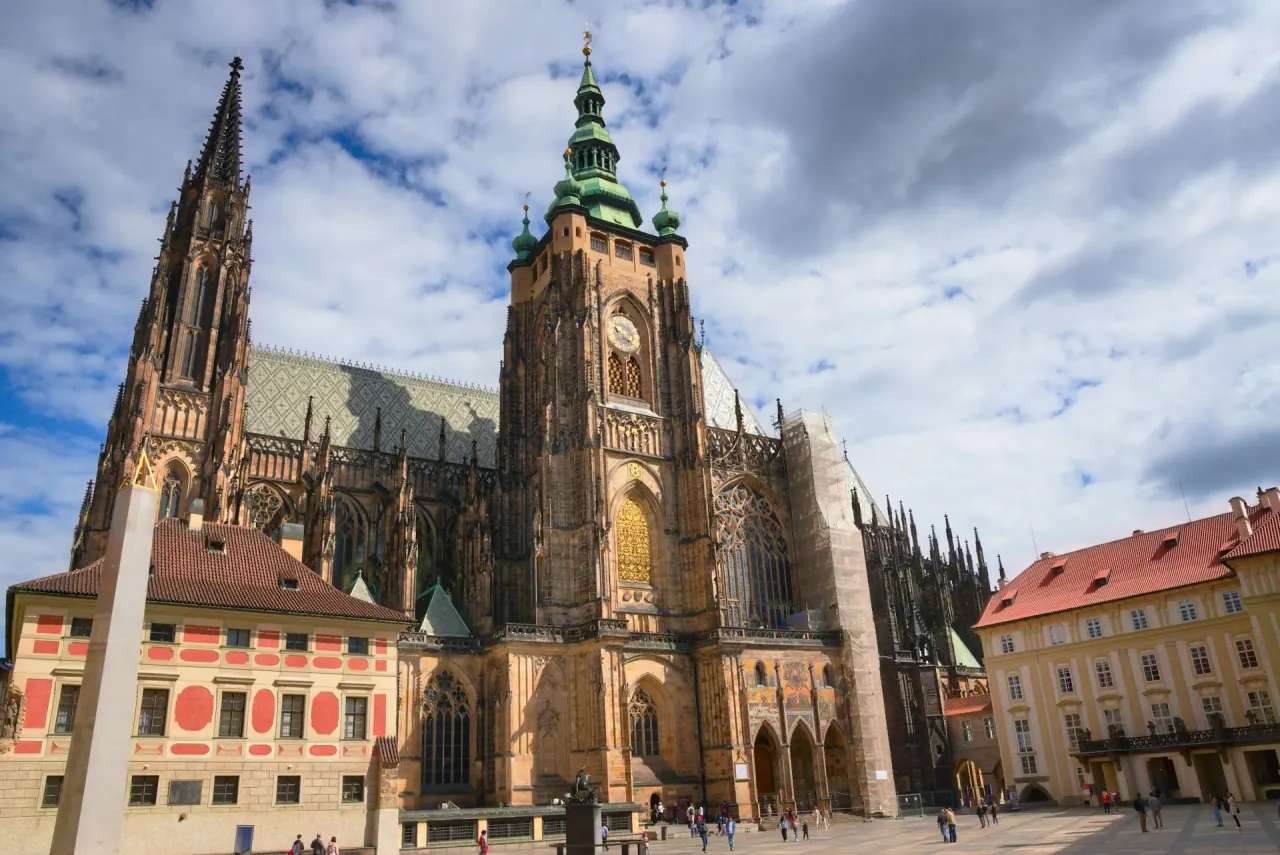
Prague is the only major European capital that escaped serious WWII bombing, which is why it looks the way it looks — 10 centuries of Gothic, Baroque, and Art Nouveau architecture stacked on top of each other in walking distance. The Old Town Square, Charles Bridge, and the Castle district form a UNESCO core that's drawn 8–10 million tourists a year and turned the Old Town into something close to a theme park between 11am and 6pm. The city has changed in two ways since 2018. First: prices have caught up — a beer is no longer €1, it's €3, which is still cheap by Western European standards but no longer the bargain travel forums claim. Second: the interesting Prague has shifted out of the Old Town. Karlín (warehouse district turned creative neighbourhood) and Vinohrady (residential, leafy, the city's best restaurant scene) are where Praguers actually go for dinner. Three useful realities. Walking the Old Town between 7am and 10am is the unfaked version (the tour buses arrive after). Cross Charles Bridge at sunrise — the only time it's not solid people. And the Beer Hall culture is a real institution, not a cliché — U Fleku and U Medvídků serve their own brews older than most countries; sit at a long table, drink with strangers, and the city makes more sense.
Staré Město (Old Town) is the historic heart — Old Town Square, the Astronomical Clock, and most major sights. Very touristy but unavoidably beautiful. Malá Strana (Lesser Town) sits below the castle — the most architecturally beautiful neighbourhood, Baroque palaces and quiet cobblestone squares. Vinohrady is where the young, creative Prague lives — Art Nouveau apartment buildings, excellent restaurants, and the best café scene. Žižkov has the most authentic local bars. Josefov (Jewish Quarter) has Europe's finest preserved Jewish heritage and is now a luxury shopping enclave.
TravelBuzzy Tips
Prague Castle (Pražský hrad) is best at 9am before tour groups arrive — the views of the city are extraordinary
Charles Bridge is spectacular at dawn (6am) when it's almost empty — avoid the midday scrum
Vinohrady and Žižkov have the best local restaurants and bars — Prague's real neighbourhood character
May–June and September–October are the best months: 18–22°C, long evenings, outdoor terraces in full swing, and crowds manageable. July and August are hot and packed with tourists — the Old Town is shoulder-to-shoulder. December is magical: Prague's Christmas markets are among Europe's finest, with glühwein and trdelník in the snow. January–February is the cheapest window, cold (−2–4°C) but atmospheric and almost crowd-free.
TravelBuzzy Tips
Prague Christmas markets (late November–January 6) are Europe's most beautiful — the Old Town Square market is the centrepiece
May: lilac trees in bloom in Petřín Hill park, outdoor concerts starting, ideal temperatures
January–February is 40% cheaper than summer — cold but manageable with good clothing
Prague's tram network is excellent and the most pleasant way to move around the city. The metro (3 lines) covers longer distances. Night trams run after midnight. Buy a 24-hour or 72-hour pass (about $4/$8) for unlimited tram/metro/bus travel. Walking is viable between Old Town, Malá Strana, and Vinohrady — and is how you discover the hidden courtyards and passages. Uber and Bolt operate and are cheap. Avoid taxi hailing from the street — use apps only.
Czech cuisine is hearty, meat-centred, and underrated: svíčková na smetaně (sirloin in cream sauce with bread dumplings), vepřo-knedlo-zelo (roast pork with dumplings and sauerkraut), and trdelník (chimney cake) at every Christmas market corner. Czech beer is genuinely world-class — Pilsner Urquell invented the pilsner style, Kozel dark is a masterclass, and the local unpasteurised 'tank beer' (tankové pivo) found in traditional pivnice pubs is the finest beer in Central Europe. Budget: you can eat and drink extraordinarily well on $25–30/day.
TravelBuzzy Tips
Lokál (Lokál Dlouhá) is the best tank beer bar in Prague — order the Pilsner Urquell unpasteurised on tap
Svíčková at Café Savoy or U Kroka is the definitive Czech comfort food experience
Prague's pub culture (pivnice) requires ordering by holding up fingers — asking for the bill is 'zaplatím'
Tours & Experiences
Book your days in Prague
Skip-the-line tickets, guided tours, and day trips in Prague — free cancellation on most, confirmed instantly.
Price Calendar
Best Month to Book
Flight prices & hotel demand for Prague — click any month for details
Three interconnected buildings — Renaissance, Baroque, and contemporary — on the Vltava riverbank directly below Prague Castle. The finest address in the city.
A music-themed boutique in Malá Strana — each floor dedicated to a different genre, with a garden overlooking the castle and one of the city's best rooftop terraces.
*Prices shown are indicative and may vary. TravelBuzzy earns a commission on bookings made through these links, at no extra cost to you. Full disclosure