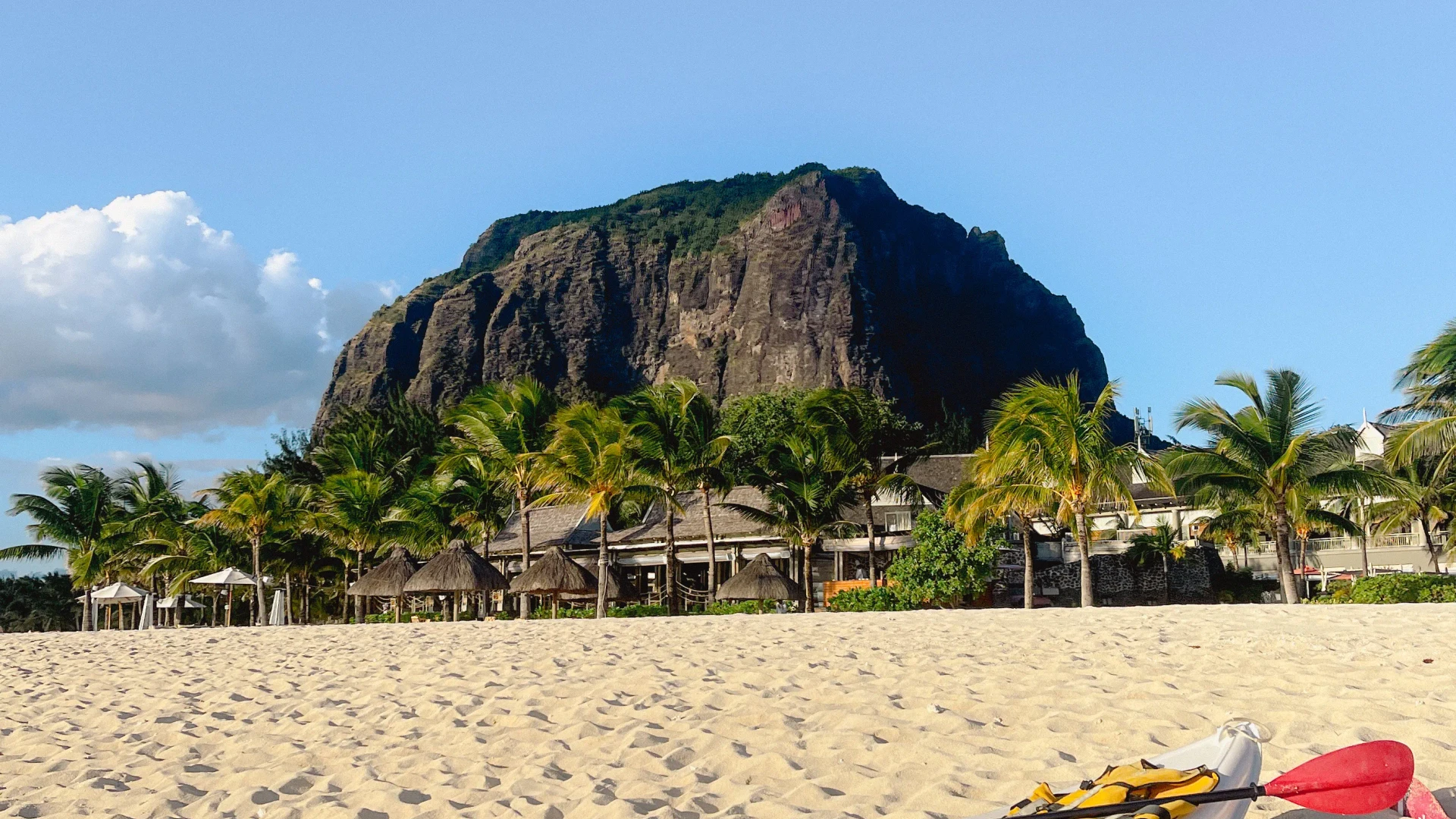
Mauritius gets filed under 'honeymoon resort island' by people who've never looked past the beach brochure, which misses most of what makes it interesting. This is a volcanic island with a genuinely dramatic interior — Black River Gorges National Park, the Seven Coloured Earths at Chamarel, tea plantations climbing into cloud forest — sitting inside a lagoon so complete that the east and west coasts feel like different countries. It's also one of the most culturally layered places we cover: Indian, Chinese, French, Creole, and East African influences all show up in the food and architecture, a legacy of a sugar-plantation and indentured-labour history that the better museums address directly rather than glossing over. Resort-only visitors miss all of it. The move is to split time between a lagoon-front resort on the east coast (Belle Mare, Trou d'Eau Douce) and at least one or two nights inland or in Port Louis, which most itineraries skip entirely.
The east coast (Belle Mare, Trou d'Eau Douce) has Mauritius's calmest, most reliably turquoise lagoon and the highest concentration of luxury resorts. The west coast (Flic en Flac, Tamarin) has better sunsets, surf at Tamarin, and easy access to dolphin-watching trips. The south is wilder and less developed, good for a dramatic coastal drive. Port Louis, the capital, is skipped by most resort-bound tourists but has the best food market and colonial architecture in the country. Grand Baie in the north is the liveliest nightlife and shopping hub.
TravelBuzzy Tips
Belle Mare and Trou d'Eau Douce have the calmest water for swimming — pick the east coast if that's your priority
Flic en Flac on the west coast has the better sunset and easier dolphin-trip access
Spend at least half a day in Port Louis's Central Market — most resort guests never do and miss the best food in the country
Mauritius has a tropical maritime climate: warm, humid summers (November–April) that include cyclone risk, particularly January–March, and a cooler, drier winter (May–October, 18–25°C) that's generally regarded as the more comfortable season for sightseeing and hiking, though sea temperatures dip slightly. May–December is the broadly recommended window, with July–August notably cooler and windier (good for kitesurfing, less ideal for lounging) and October–December offering the best balance of warm water and lower cyclone risk.
TravelBuzzy Tips
Avoid January–March if possible — cyclone risk is real and can disrupt travel plans with little warning
October–December is a strong sweet-spot window: warm, dry, and before the wettest months
July–August is windier and better suited to kitesurfers than beach loungers
Mauritius itself has enough coastline variety that most visitors don't need to island-hop, but two easy add-ons are popular: Île aux Cerfs, a small islet off the east coast reached by boat, with one of the country's best beaches and a golf course; and Rodrigues, a smaller, quieter, and much less developed island about 90 minutes away by plane, offering a genuinely different, slower pace for travellers with extra days.
TravelBuzzy Tips
Île aux Cerfs is worth a full day trip from Trou d'Eau Douce — go early to beat the tour-boat crowds
Rodrigues is the place to go if the main island already feels too developed — budget at least 2–3 nights there to make the flight worthwhile
Boat trips to see dolphins off Tamarin run early morning (7–9am) when the pods are most active
Renting a car is genuinely the best option for independent travellers — roads are in good condition, driving is on the left, and it opens up the interior (Chamarel, Black River Gorges) that resort shuttles won't take you to. Taxis are widely available but should be negotiated or metered in advance. Public buses are cheap and cover most of the island but are slow. Most resorts also offer excursions and transfers, which is the easiest (if pricier) option for those who'd rather not navigate roundabouts themselves.
Mauritian food reflects the island's mixed heritage: Indian-style curries and dholl puri (a split-pea flatbread street food, arguably the national dish) sit alongside Chinese-influenced fried noodles and French-Creole seafood dishes like rougaille. Port Louis's Central Market and street-food stalls are the best and cheapest way to eat well; resorts do a competent but more generic international spread. Fresh seafood — octopus salad (salade ourite) in particular — is excellent nearly everywhere.
TravelBuzzy Tips
Dholl puri from a street stall is the single best-value meal on the island — try it in Port Louis or Flic en Flac
Salade ourite (octopus salad) is a Mauritian specialty worth seeking out beyond the resort menu
Tap water is generally treated but bottled water is the safer default for visitors
Tours & Experiences
Book your days in Mauritius
Skip-the-line tickets, guided tours, and day trips in Mauritius — free cancellation on most, confirmed instantly.
Get Price Alerts for Mauritius
We'll notify you when flight or hotel prices drop for your chosen month.
*Prices shown are indicative and may vary. TravelBuzzy earns a commission on bookings made through these links, at no extra cost to you. Full disclosure