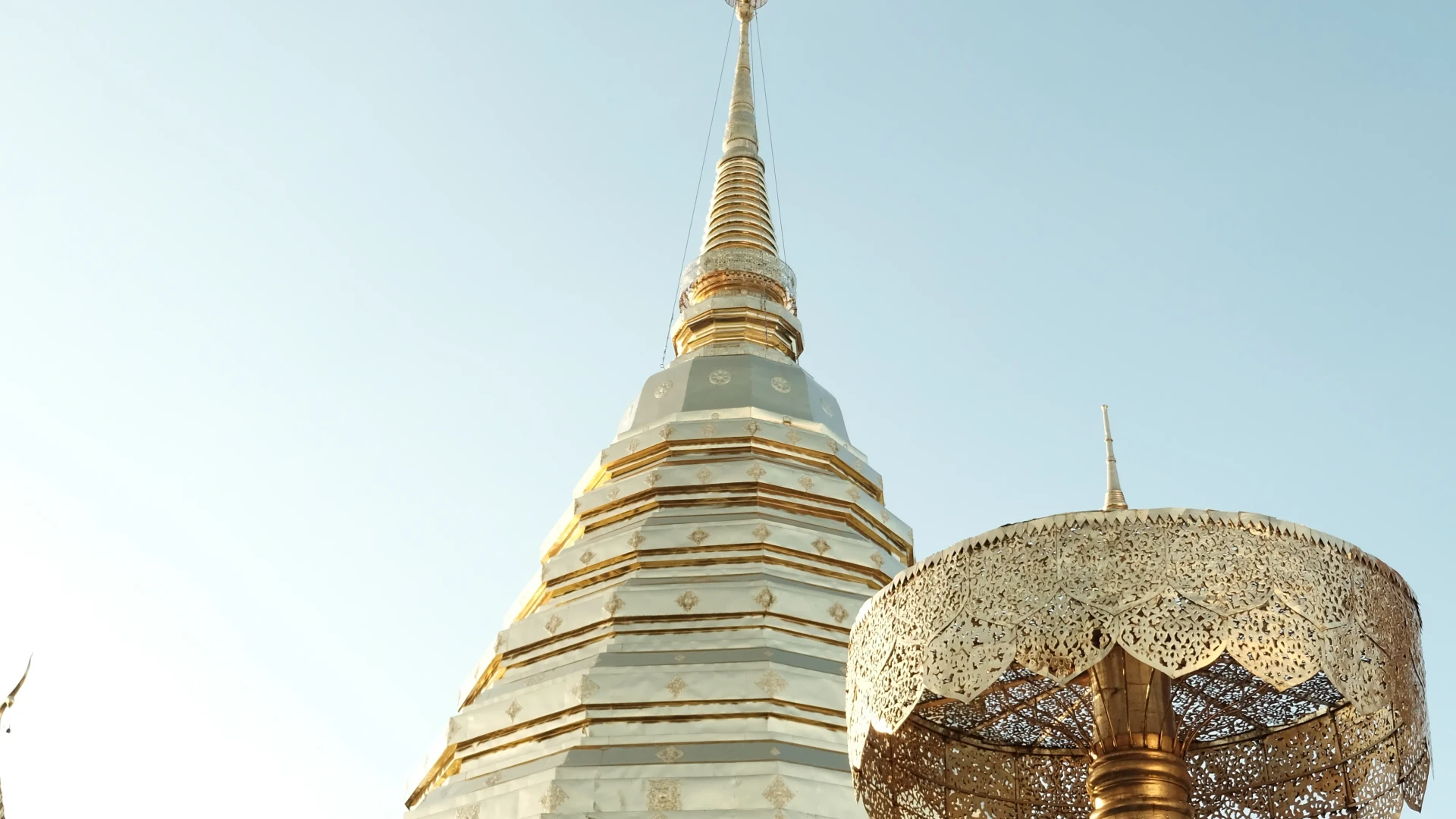
Chiang Mai gets sold as Bangkok's chilled-out cousin, which undersells it — this is a genuinely different country's worth of culture squeezed into one province. The old city, still ringed by a 700-year-old moat and brick wall, packs in more working temples per square kilometre than anywhere else in Thailand, and the mountains above it (Doi Suthep, Doi Inthanon) hold hill-tribe villages that have nothing to do with the beach-and-nightlife Thailand most visitors expect. What nobody puts in the brochure is burning season: from roughly mid-February to April, farmers across the region clear fields with fire and the air quality gets genuinely bad — among the worst of any city on earth some weeks. Locals joke about it, expats leave for the coast, and visitors who show up in March wondering why the mountains have vanished into brown haze are the ones who didn't check first. Go November to February and you get the version worth flying for: cool nights, clear peaks, and a old city that's still walkable at 2pm.
The Old City (inside the moat) is where the temples are — Wat Phra Singh, Wat Chedi Luang, dozens more within a 20-minute walk of each other — and it's dense, atmospheric, and increasingly boutique-hotel heavy. Nimmanhaemin (Nimman) is the digital-nomad and student district: coffee shops with good wifi, design stores, a younger crowd. Doi Suthep and the mountains above town are a half-day trip for the temple and viewpoint, or a multi-day base if you want trekking. First-timers should stay in or near the Old City; longer stays suit Nimman better.
TravelBuzzy Tips
Book a room with air-con rated for the whole property, not just the bedroom — many Old City guesthouses skimp on common areas
Sunday Walking Street (Ratchadamnoen Road) is the best single market night — arrive by 5pm before it gets shoulder-to-shoulder
A scooter is the easiest way to reach Doi Suthep independently, but Chiang Mai traffic circles are genuinely dangerous for first-timers — take a red songthaew if unsure
November through February is cool season and the only window most visitors should plan around: 15–28°C, low humidity, clear mountain views. March through May is hot season, peaking at 35–40°C, and overlaps with burning season (February–April), when agricultural fires blanket the region in smoke and air quality can be hazardous for days at a time. The wet season (June–October) brings afternoon storms but noticeably cleaner air and much lower prices, and is a legitimate option if you don't mind rain.
TravelBuzzy Tips
Check the AQI (air quality index) for Chiang Mai before booking February–April travel — some years are far worse than others
Yi Peng and Loy Krathong (lantern and lake-lantern festivals, November) are extraordinary but double hotel prices — book 2–3 months ahead
September–October, right before cool season starts, is an underrated shoulder window: green mountains, thin crowds, lower rates
Red songthaews (shared pickup trucks) are the default local transport — flag one down, tell the driver your destination, and negotiate 30-60 baht for short hops around town. Grab works well for point-to-point rides and is the easiest option for visitors uneasy about songthaew negotiation. Renting a scooter (200-250 baht/day) gives the most freedom for mountain day trips but Chiang Mai's ring-road traffic is unforgiving for inexperienced riders. The Old City itself is entirely walkable.
Northern Thai food (Lanna cuisine) is distinct from central Thai and worth seeking out specifically: khao soi (curry noodle soup), sai oua (herb-packed grilled sausage), and nam prik noom (roasted green chili dip) rarely appear on Bangkok menus. The Saturday and Sunday Walking Streets are the best single-visit food crawls. Nimman's café scene rivals any city in Southeast Asia for coffee and brunch. A full, excellent local meal costs $2-4; even the well-reviewed sit-down restaurants rarely exceed $15 a head.
TravelBuzzy Tips
Khao soi at Khao Soi Mae Sai or Khao Soi Khun Yai — both unpretentious, both consistently rated the city's best
The JJ Market (Chiang Mai night market near the highway) is where locals shop, not tourists — better prices, better food stalls
Cooking classes here are some of the best value in Asia at $25-35 for a half-day including market tour
Chiang Mai province has the highest concentration of elephant tourism in Thailand, and the gap between genuine sanctuaries and repackaged riding camps is wide. The real test: does the itinerary include riding, or performances (painting, football, tricks)? If yes, walk away — both require the physical domination methods ('phajaan') that ethical operations have abandoned. Genuine sanctuaries let you observe, walk alongside, feed, and bathe elephants on their terms, with a visible no-riding, no-chain policy stated up front, not just in marketing copy.
TravelBuzzy Tips
Elephant Nature Park, Boon Lott's, and Save Elephant Foundation-affiliated camps are consistently the most credibly ethical options
Ask directly whether elephants are ever ridden or chained overnight — hesitation or vague answers are a red flag
Half-day observation-only visits are cheaper and lower-impact than full-day bathing programmes if you're unsure about water-based interaction
Tours & Experiences
Book your days in Chiang Mai
Skip-the-line tickets, guided tours, and day trips in Chiang Mai — free cancellation on most, confirmed instantly.
Get Price Alerts for Chiang Mai
We'll notify you when flight or hotel prices drop for your chosen month.
A rice-terrace resort in the Mae Rim valley, 30 minutes from the Old City. Private pavilions, elephant-friendly excursions, and one of the most serene properties in northern Thailand.
A boutique courtyard hotel built around a 200-year-old tamarind tree, right in the heart of the Old City. Northern Thai design, walkable to every major temple.
*Prices shown are indicative and may vary. TravelBuzzy earns a commission on bookings made through these links, at no extra cost to you. Full disclosure