Nairobi has an image problem it's mostly outgrown: people still picture 'Nairobbery,' the 1990s nickname, when the reality now is a modern East African hub with excellent restaurants, a genuinely good contemporary art and coffee scene in Karen and Westlands, and giraffes that will put their heads through your breakfast window at Giraffe Manor. Almost nobody comes for Nairobi itself, though, and that's the correct instinct — the city's real job is being the best-connected gateway to the Masai Mara, a 45-minute bush flight or a bumpy 5-hour drive away. The mistake we see constantly: travellers treat Nairobi as a one-night visa-run stopover and miss both the city's own worthwhile half-day (the Giraffe Centre, the elephant orphanage, a Karen Blixen museum visit) and the fact that flight schedules to the Mara often force an overnight anyway. Plan the stopover on purpose rather than resenting it.
Most itineraries use Nairobi as a 1–2 night bookend rather than a destination — arriving jet-lagged, sleeping, then flying into the Mara the next morning, and reversing on the way home. Karen (leafy, colonial-era suburb, home to Giraffe Manor and the Karen Blixen Museum) and Westlands (restaurants, nightlife, expat hub) are the two neighbourhoods worth basing in; the downtown CBD has little reason to detain a leisure traveller after dark.
TravelBuzzy Tips
Do the Giraffe Centre and Sheldrick Wildlife Trust elephant orphanage back-to-back on your Nairobi morning — both are in Karen
Wilson Airport, not Jomo Kenyatta International, is where most Mara bush flights depart from — check which airport your safari uses
A day-room booking (not a full night) at a Karen hotel is enough if your flight connection is tight
The same wildebeest herds that cross the Serengeti spend July through October in Kenya's Masai Mara, having crossed the Mara River from Tanzania in the preceding weeks. August and September are the peak months for river crossings on the Kenyan side, with the highest concentration of predators following the herds. By late October–November, the wildebeest begin moving back south into Tanzania as the short rains arrive, and the Mara empties out considerably.
TravelBuzzy Tips
August–September is genuinely the best window for river-crossing sightings in the Mara specifically
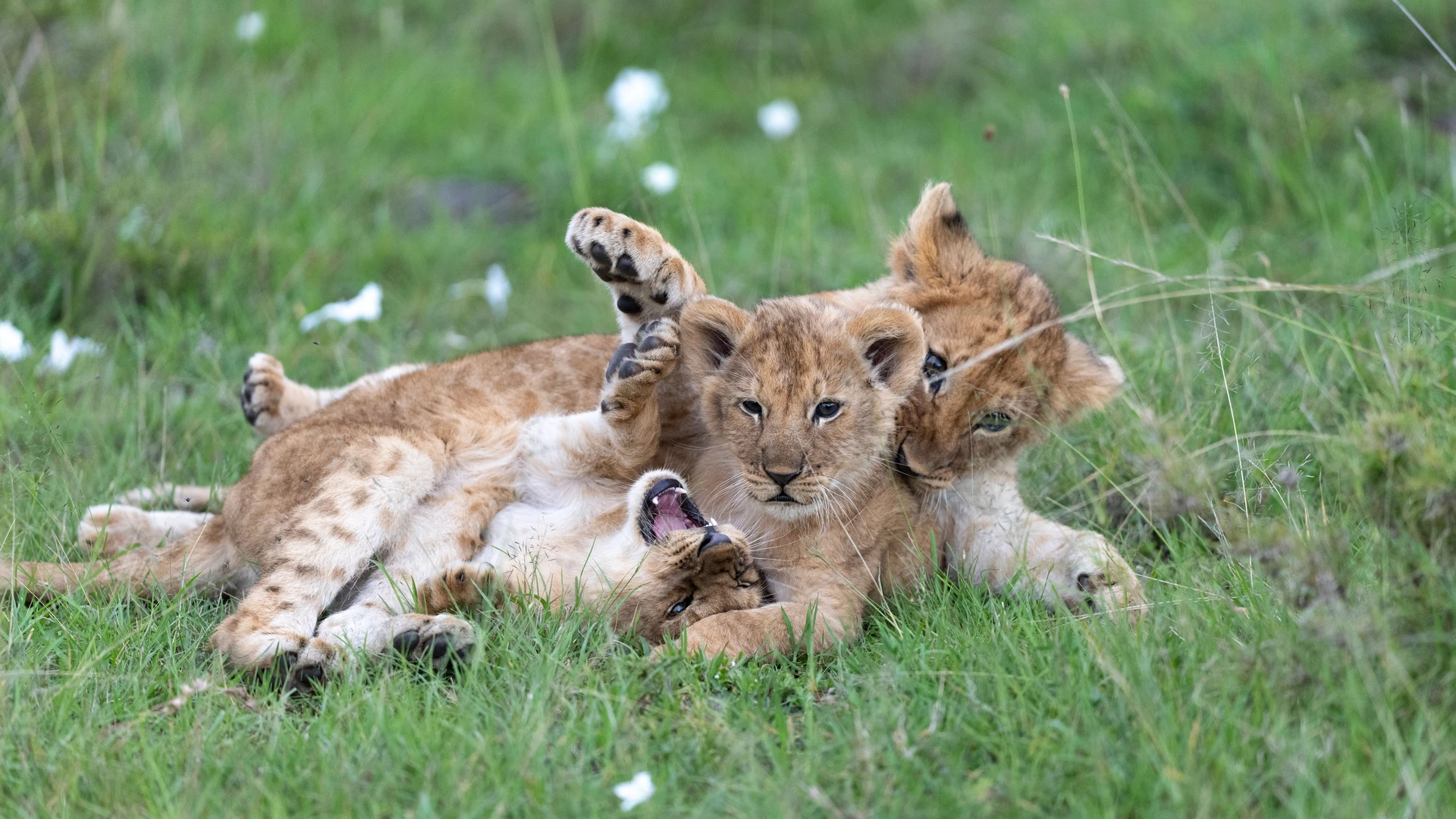
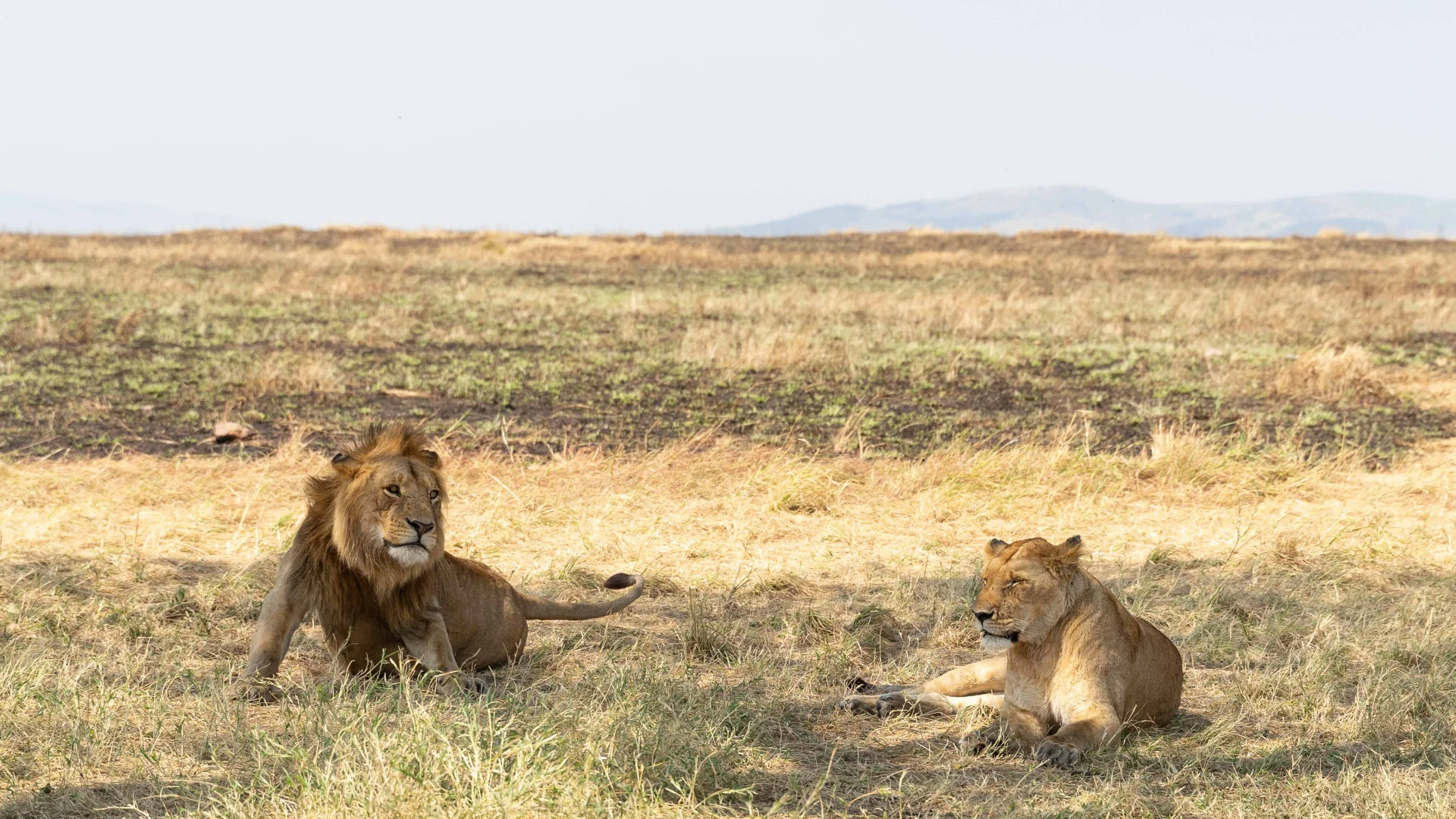
The Mara has resident lion, leopard, and cheetah populations year-round — it's a strong safari even outside migration months
Private conservancies bordering the reserve (Mara North, Naboisho) allow night drives and off-road access the main reserve doesn't
Kenya sits on the equator, so Nairobi and the Mara have mild, fairly stable temperatures year-round rather than a dramatic hot/cold split — the real planning variable is rain and wildlife concentration, not comfort. The long rains (March–May) are the quietest and cheapest months but can make Mara roads difficult. The short rains (November) are brief and don't disrupt much. June–October is dry, cooler in the early mornings on game drives, and by far the busiest and priciest period.
TravelBuzzy Tips
Pack a warm layer for dawn game drives even in the 'hot' months — mornings in the Mara are cold in an open vehicle
January–February is a solid value window: dry, good game viewing, and quieter than the July–October peak
Nairobi itself rarely gets uncomfortably hot — daytime highs hover around 24–26°C most of the year
As with the Serengeti, the guide matters more than the lodge's thread count. Kenyan safari guides are certified through a rigorous national system (KPSGA), and asking whether your guide holds a Silver or Gold badge is a legitimate, useful question. Camps inside the Masai Mara National Reserve itself follow stricter rules (no off-road driving, no night drives); camps in the private conservancies bordering it cost more but offer a materially different, less crowded experience.
TravelBuzzy Tips
Ask specifically whether your guide holds a KPSGA Silver or Gold certification — it's a genuine quality signal
Conservancy stays cost 20–40% more than reserve-adjacent lodges but come with far fewer vehicles per sighting
Confirm whether the Mara River crossing viewing spots require an extra conservancy fee before booking
Within Nairobi, use Uber or Bolt rather than street taxis — both are widely used, metered fairly, and considerably safer. Traffic is a genuine problem at rush hour; budget extra time for any CBD trip on a weekday morning or evening. Getting to the Mara is either a 45-minute scheduled bush flight from Wilson Airport (the norm for most safari packages) or a 5–6 hour drive, which some budget travellers choose to save money but which is long and rough on unpaved sections.
Nairobi's food scene has genuinely modernised — Westlands and Karen have a strong run of contemporary Kenyan, Ethiopian, and international restaurants, and the Java House chain (a Kenyan Starbucks-equivalent) is everywhere and reliable for coffee and breakfast. Nyama choma (grilled meat, usually goat or beef) eaten with ugali and kachumbari salad is the essential local meal — Carnivore Restaurant is the famous, slightly touristy version, but smaller nyama choma joints in Kilimani do it better and cheaper.
TravelBuzzy Tips
Try nyama choma at a smaller local joint in Kilimani rather than only the tourist-circuit version
Java House is a safe, reliable choice for breakfast before an early flight to the Mara
Tap water in Nairobi's better hotels is generally filtered, but stick to bottled water to be safe
Tours & Experiences
Book your days in Nairobi
Skip-the-line tickets, guided tours, and day trips in Nairobi — free cancellation on most, confirmed instantly.
Get Price Alerts for Nairobi
We'll notify you when flight or hotel prices drop for your chosen month.
A 1930s manor house in Karen where Rothschild giraffes poke their heads through the breakfast-room windows — twelve rooms only, booked out months in advance.
*Prices shown are indicative and may vary. TravelBuzzy earns a commission on bookings made through these links, at no extra cost to you. Full disclosure