
Best Time to Visit Tokyo — A Seasonal Honest Guide for First-Time Visitors
Cherry blossom is two weeks. Autumn leaves are three. Most planning guides skip the actual best month entirely.
Tokyo has two famous tourist windows — cherry blossom in late March/early April and autumn leaves in mid-November — and a whole calendar around them that most planning guides flatten into 'spring or autumn'. The truth is more useful: each season in Tokyo has a specific best two-week window, two months are genuinely difficult, and there's one underrated stretch in late October that I'd take over cherry blossom season any year.
Planning this trip?
Find flights now
Compare prices across 700+ airlines and OTAs in one search — find the real lowest fare without the inflated middleman markup.
Search flightsNeed a place to stay?
Search hotels
Cherry blossom: late March to early April, two weeks max
The sakura window in Tokyo is genuinely about 14 days, and the timing varies year-to-year by up to a week (the Japan Meteorological Corporation publishes forecasts starting in early February). For a 2026 trip, the central forecast is March 21–28 (full bloom) for Tokyo. The three things to know. First: 'cherry blossom season' is half-bloom plus full bloom plus petal-fall — about 14 days total, and full bloom proper is only 4–6 days. Second: every traveller who books for cherry blossom is competing for the same flights and hotels, and prices reflect that — flights from Europe and the US are 30–50% above shoulder rates, and good Tokyo hotels are essentially fully booked 3 months ahead. Third: the experience is extraordinary if you get the timing right. Ueno Park, Meguro River, Chidorigafuchi moat, Shinjuku Gyoen — these become genuinely transcendent. Plan to arrive 3 days before the forecast peak and stay 7 days; this gives you a buffer if the forecast shifts.
Editor's tips
- Book hotels by mid-November of the previous year — January is already late
- Yoyogi Park is the most accessible cherry blossom spot for visitors staying central
- Chidorigafuchi rowboat rides at Imperial Palace moat are the iconic photo — go at 7am
Mid-April to mid-May — the underrated post-sakura window
After cherry blossom passes, the crowds vanish overnight. Hotel rates drop 30%, the weather is at its annual best (18–24°C, low humidity, generally sunny), and the city feels its most pleasant. Late April–early May is when the greenery hits its peak (the new leaves on every street tree), the parks are full of locals having picnics, and the rooftop bars open for the season. Two cautions: Golden Week (April 29–May 5) is the major Japanese national holiday, when most Japanese travel domestically — Tokyo itself becomes quieter (Tokyoites leave) but the famous tourist sights and the Shinkansen routes are crowded with Japanese visitors, and prices spike for the week. Plan around it.
June — rainy season (tsuyu), the divisive month
Tokyo's rainy season is roughly June 8 through July 20. It's not constant rain — typically 50–60% of days have rain, often as 1–2 hour afternoon showers. Humidity is uncomfortable (75–85%), but temperatures stay moderate (22–28°C). Hotel prices drop further than May. The hydrangeas at Meigetsu-in (Kamakura) and Hakusan Shrine are at peak bloom — genuinely beautiful. For travellers who can plan around weather, June is excellent value. For travellers who need predictable conditions, skip.
July to August — heat, humidity, and the worst time to visit
Tokyo summer is genuinely difficult. Temperatures run 30–36°C with humidity often above 80%, which is the kind of weather that stops being interesting after about 90 minutes outside. Walking the city becomes uncomfortable; outdoor sights become impossible past 11am. Hotel rates are paradoxically not at their lowest because Asian summer holiday traffic compensates. The genuine reasons to visit in this window: Sumida River fireworks (last Saturday of July), Bon Odori festivals through August, and the convention/business crowd making this the cheaper week for premium hotels. For a leisure trip, avoid.
Late September to late October — the actual best month
This is the window I'd pick first if forced to choose one trip. The summer humidity has broken (typically by September 20), temperatures fall into the 20–26°C range, the sky becomes the kind of clear that makes Tokyo's skyline look photographed in HDR, and rain is rare. Crowds are at an annual low — Japanese kids are back in school, the cherry blossom and autumn-leaves crowds aren't yet there. Hotel rates are 35–45% below cherry blossom peaks. Restaurant reservations open up; even the harder-to-book counters become possible. The local food shifts to autumn — seasonal saury (sanma), matsutake mushrooms, persimmons. If you can travel without a school holiday calendar, late October is genuinely the answer.
Editor's tips
- Book a Mount Fuji-view dinner — the visibility from Tokyo Tower or Shibuya Sky is at its annual best in October
- Mid-October is the start of the chrysanthemum festival at Yasukuni Shrine
- Counter restaurants like Sushi Tokami have late-October availability that disappears in November
Mid-November to early December — autumn leaves (kōyō)
The autumn-leaves window in Tokyo is roughly November 15–December 5. The peak photographs come from Rikugien Garden, Mt Takao (1 hour west of Shinjuku), and the Nezu Museum gardens. Crowds are large but spread across more locations than during sakura, so it's genuinely manageable. Temperatures fall to 10–18°C; bring a coat. Hotel rates rise but not as dramatically as in spring. Like cherry blossom, the timing varies year-to-year — the Japan Meteorological Corporation publishes kōyō forecasts starting mid-October.
January to February — winter Tokyo, surprisingly good
Tokyo winter is dry, cold-but-not-brutal (3–10°C), and crowd-free. The skies are clear, Mount Fuji is visible from the city more days than any other season, and the food culture shifts to oden, sukiyaki, hot sake. Hotels are at annual lows except around New Year (December 28 to January 3, when much of Japan shuts down). For a couple looking for a romantic, slow Tokyo trip with no crowds and excellent food, January–February is dramatically underrated.
Find the Best Flight Deals
Prices vary dramatically by month. Compare live fares from hundreds of airlines to lock in the cheapest window for your travel dates.
Where to Stay
From boutique guesthouses to luxury resorts, the accommodation you choose shapes the trip. Filter by neighbourhood, price, and guest rating to find your match.
Tours & Activities
Skip the tourist traps. Book directly with vetted local operators — skip-the-line access, small groups, and money-back guarantees included.
Frequently asked questions
Late October is the best overall month: autumn colours beginning, temperatures 15–20°C, no rain, post-Silver Week holiday crowds gone, and 30–40% below cherry blossom pricing. Cherry blossom season (late March–early April) is the most beautiful but also the most expensive and crowded. Late November is excellent for full autumn foliage. Avoid July and August — 35°C heat with 80% humidity makes walking miserable.
Pick late October if you can. Pick the mid-March cherry blossom window if you must (and book everything 4 months ahead). Pick mid-November for autumn leaves if cherry blossom isn't possible. Avoid July and August unless you're locked in by school holidays. Whichever you pick, the city rewards the visitor who plans around season more than the visitor who plans around landmarks — Tokyo's pleasures are deeply seasonal, and the version of the city you'll experience in late October is nearly unrecognisable from the version you'll experience in early August.
Get there
Flights
One search across 700+ airlines — find the real lowest fare for your dates.
Search flightsWhere to stay
Hotels
Browse verified hotels and stays — instant confirmation, secure booking.
Book on KKdayThings to do
Activities
Tours, attractions, and day trips — free cancellation on most experiences.
Book on KlookTours & Experiences
Book the experiences, not just the trip
Skip-the-line tickets, guided tours, and day trips — free cancellation on most, confirmed instantly.
About the author
Marcus Chen
Hotels & Deals Editor · Based in New York City
Marcus reviews hotels for a living — and has slept in over 400 of them. Before TravelBuzzy, he ran the hotel desk at a major loyalty publication and consulted for two boutique hotel groups. He covers the Americas, Japan, and luxury travel.
Read next — destinations
More from The Edit
Itineraries
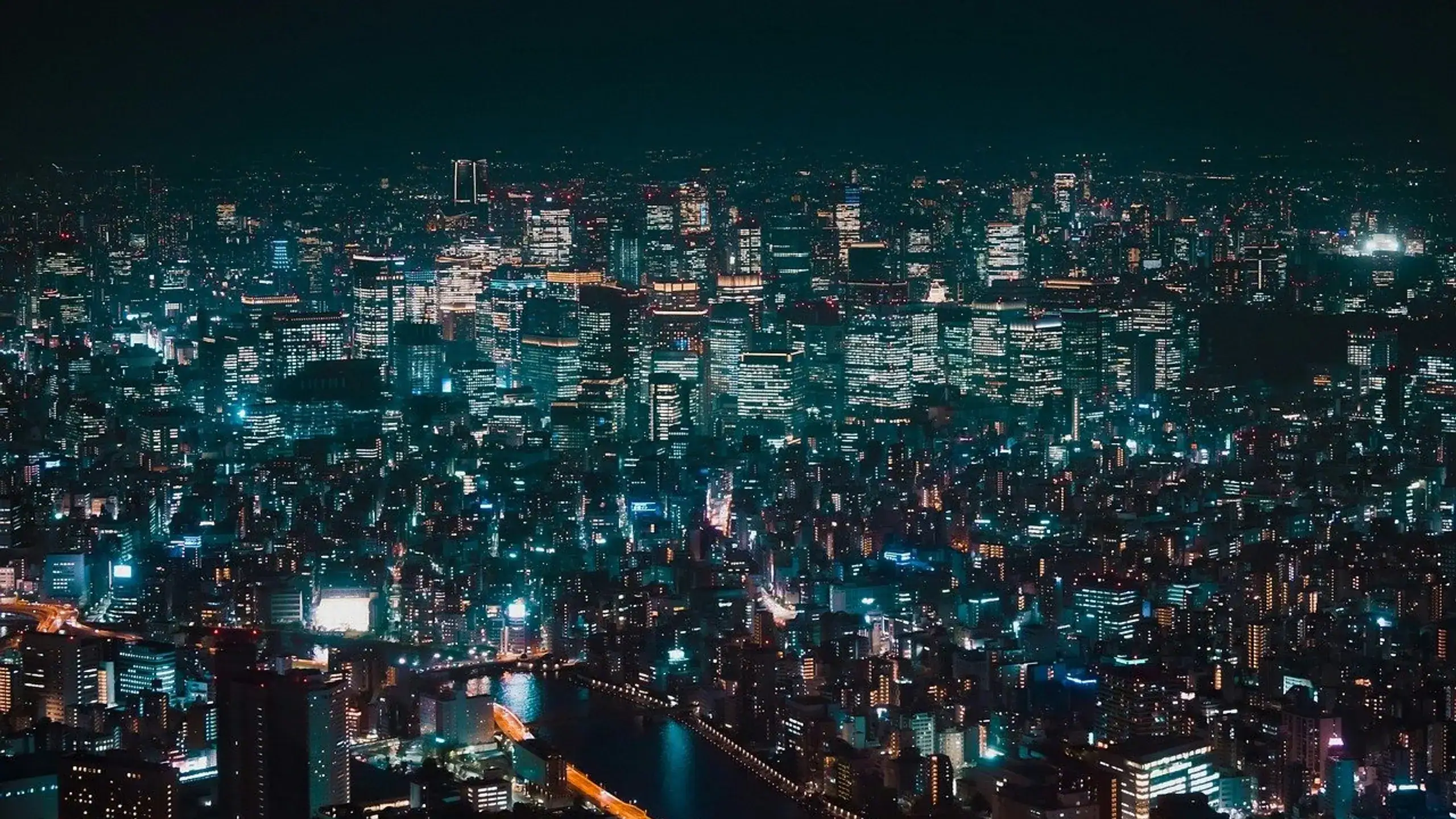
5 Days in Tokyo: A Realistic First-Timer's Itinerary
Three days will leave you hungry. Seven will overwhelm you. Five is the right number — and here is exactly how to spend them, by neighbourhood, by meal, and by the train you should actually take.
14 min read
When to Go
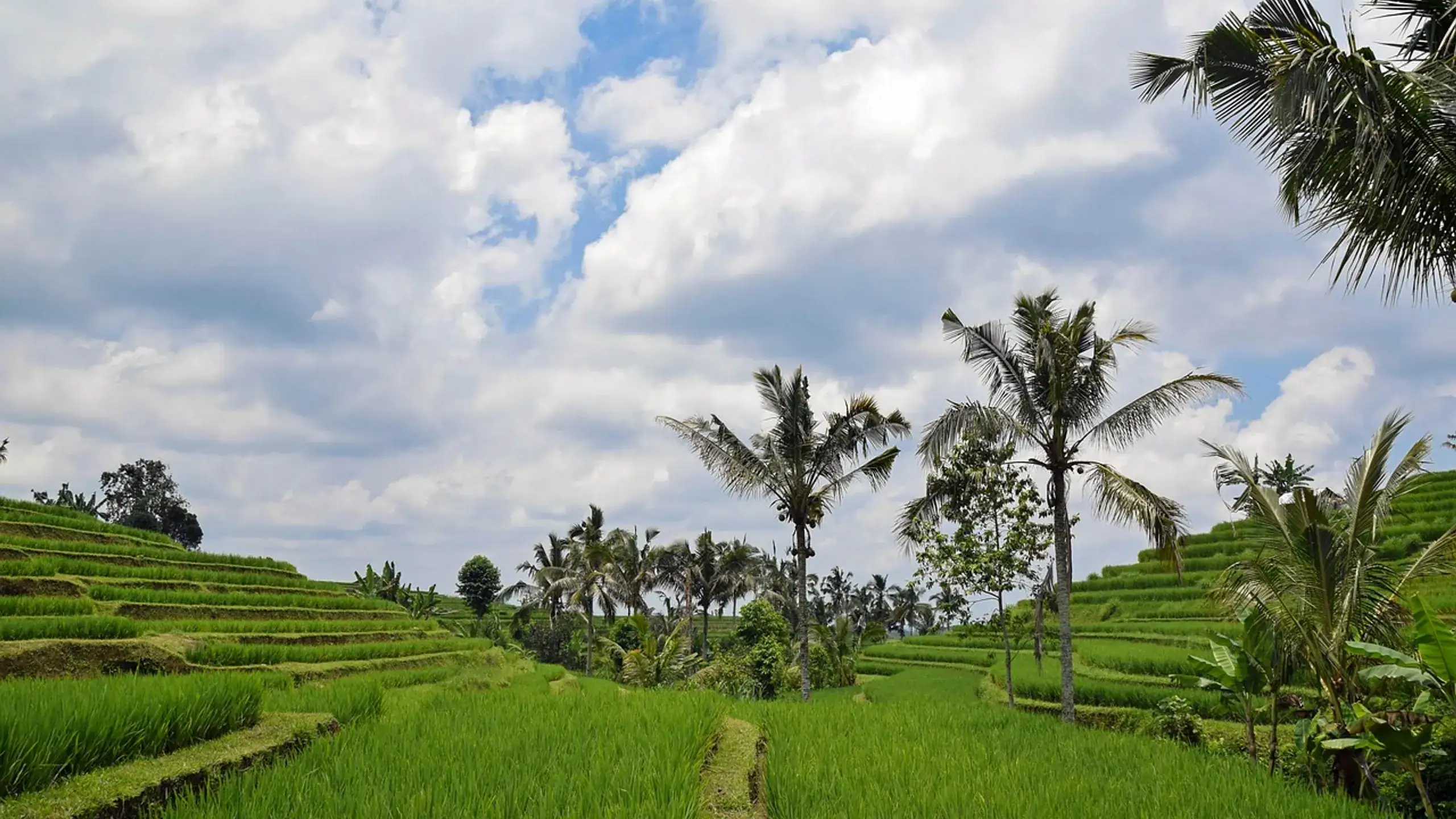
Best Time to Visit Bali — A Local's Honest Calendar
Eight years of living between Bali and everywhere else taught me that the island has four micro-seasons — and the brochure describes exactly none of them accurately.
11 min read
Travel Guides
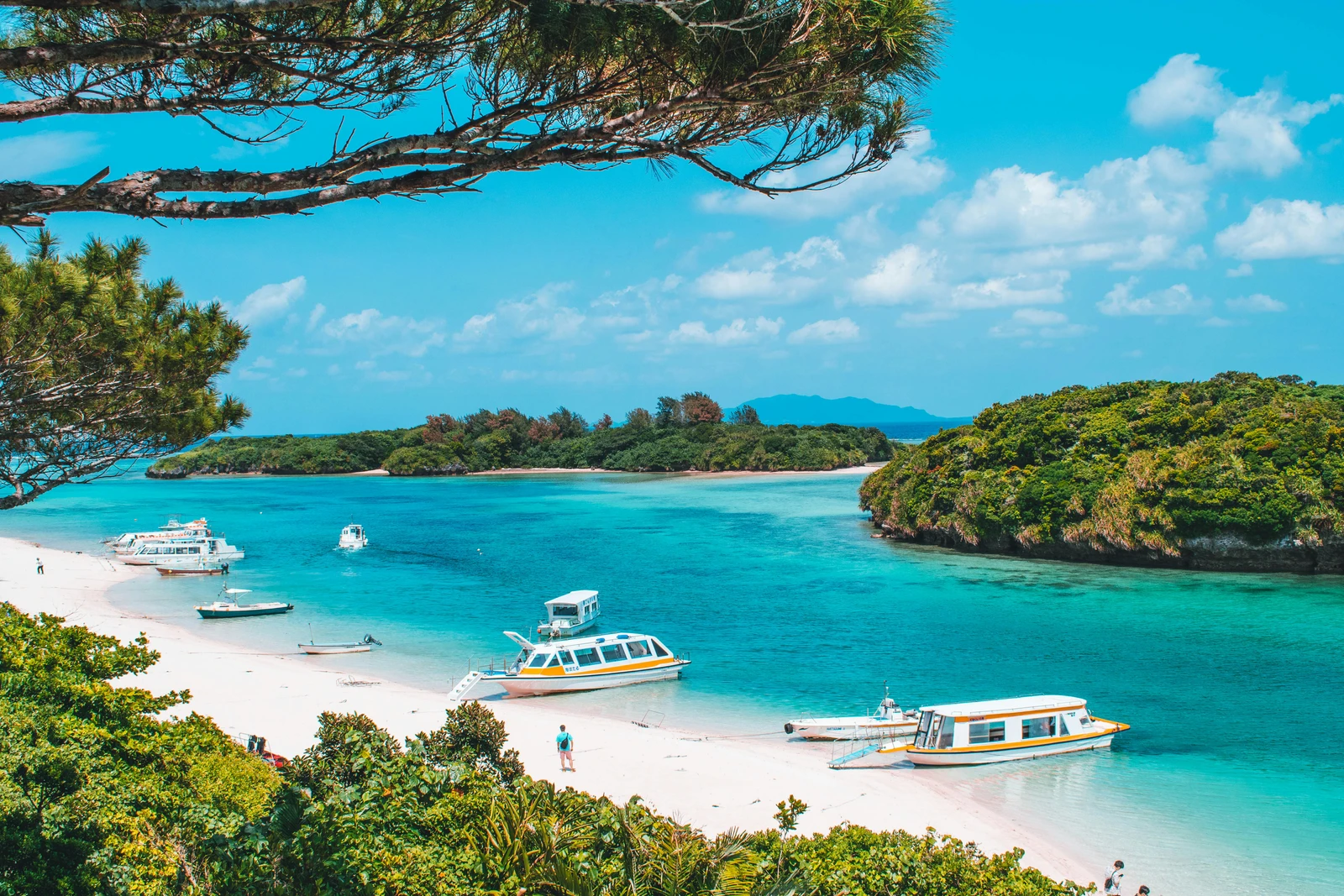
Okinawa: The Tropical Japan Most Itineraries Skip
Tripadvisor's 2026 Travellers' Choice named Okinawa City among Asia's standout destinations — a reminder that Japan's southernmost prefecture is a genuinely different country's worth of culture, food, and coral reef from the Tokyo-Kyoto route most first-timers run.
12 min read