
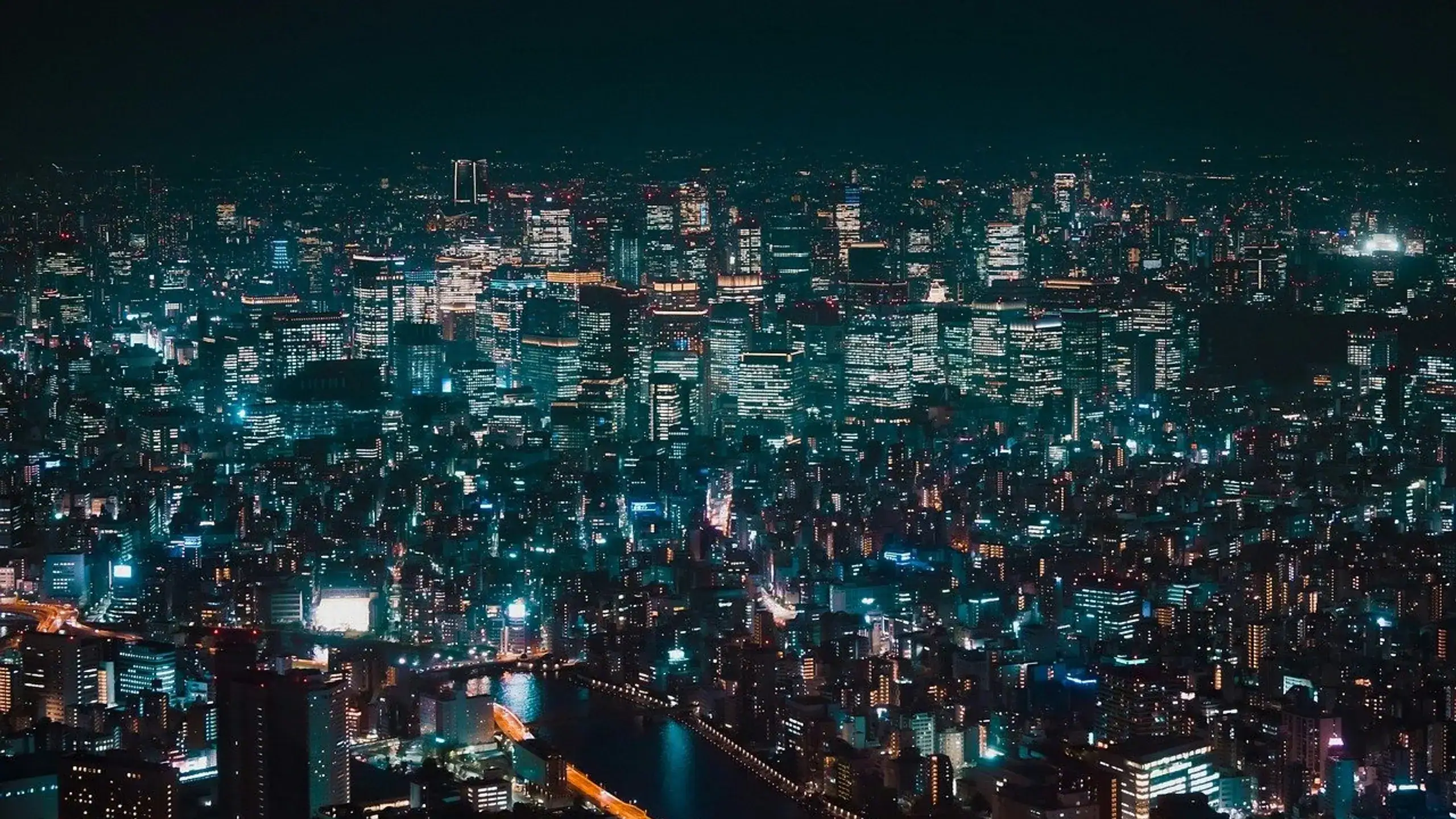
5 Days in Tokyo: A Realistic First-Timer's Itinerary
Three days will leave you hungry. Seven will overwhelm you. Five is the right number — and here is exactly how to spend them, by neighbourhood, by meal, and by the train you should actually take.
Tokyo is not a city you can crack quickly, but you also don't need a month. The city's 23 wards are basically separate small cities, and a focused five days — three or four wards, lived in for one to two days each — gives you a deeper feel than a frantic seven-day Pokémon-collection sprint through every famous landmark. This itinerary is the one I write for friends who are visiting for the first time and want a Tokyo trip they'll actually remember, not a checklist they'll forget by the time they get home. It's not the cheapest possible plan — it assumes a mid-range traveller who values one good meal a day and a hotel near a JR station. It is the most useful plan I've found.
Planning this trip?
Find flights now
Compare prices across 700+ airlines and OTAs in one search — find the real lowest fare without the inflated middleman markup.
Search flightsNeed a place to stay?
Search hotels
The premise: stay in Marunouchi or Ginza
Hotel choice matters more in Tokyo than almost any city I know — because Tokyo is so vast, a hotel in the wrong area adds 90 minutes of daily commuting. The single most useful neighbourhood for a first-timer is Marunouchi (around Tokyo Station) or Ginza. From Tokyo Station you can reach Asakusa in 15 minutes, Shibuya in 12, Roppongi in 8, and the Shinkansen platform is in the same building. The hotel scene in this area runs from $200/night business-class (Marunouchi Hotel, Hotel Metropolitan Tokyo) to $1,200/night flagship (Aman Tokyo, Mandarin Oriental, Bulgari). For the trip below, anything mid-range in Marunouchi or Ginza will work — proximity to Tokyo Station is the actual feature.
Day 1 — Asakusa, the Sumida River, and your first izakaya
Arrive at Senso-ji temple at 8am — it's the only realistic window before the tour groups arrive. Walk Nakamise-dori shopping street while the shutters are still going up; the early-morning vendors are friendlier and the photographs are better. From the temple, walk 15 minutes east to the Sumida River and the Tokyo Skytree (the second-tallest structure in the world, 634m). Skip the observation deck unless the weather is exceptional — the Tokyo Tower and the Shibuya Sky observation deck both have better views, and the Skytree's queue is genuinely brutal. Lunch at Daikokuya for tempura (since 1887) or any of the unagi (eel) places along the river. Afternoon: cross to the west side of the river to Kuramae, the leather-and-pen artisan neighbourhood that has quietly become one of the city's best wandering districts. Dinner: your first izakaya. Try Andy's Shin-Hinomoto under the Yurakucho train tracks — it's in English-language guides for a reason but it earns the recommendation, and arriving by 6pm gets you a spot.
Editor's tips
- Get a Welcome Suica card at the airport — it's the IC card that works on all trains, buses, and many vending machines
- The PASMO and Suica cards are functionally identical — get either, not both
- Trains stop running between 12:30am and 5am — taxis exist but cost ¥3,000–6,000 across central Tokyo
Day 2 — Shibuya, Harajuku, Yoyogi: the showcase day
This is the day you'll have the most photographs from. Start at the Meiji Jingu shrine in Yoyogi — early enough that you're walking the gravel approach in cooler air, ideally before 10am. The shrine is set in a 175-acre forest in the middle of Tokyo, and the contrast between the 5-minute walk through trees and the Harajuku you'll arrive in next is the entire point. Walk Takeshita-dori in Harajuku at 11am for the youth-fashion absurdity, then escape to Cat Street and the Aoyama side for actual shopping. Lunch: ramen at Afuri (yuzu broth — light, citrus-forward, perfect mid-day) or sushi at the unfussy counter at Sushi Zanmai. Afternoon: walk Omotesando, the architectural showcase street (Tadao Ando, Kengo Kuma, Toyo Ito buildings within 10 minutes of each other), to Shibuya. Visit Shibuya Sky observation deck on the 47th floor of Shibuya Scramble Square (book online — it sells out 2–3 days ahead in peak months). Time it for sunset. Then: down into the Shibuya scramble crossing for the photo. Then: dinner in the back streets of Shibuya — Nonbei Yokocho ('drunkard's alley') has 40 tiny bars, mostly 4 seats each, and is a more intimate version of the Tokyo bar experience than Golden Gai.
Day 3 — Tsukiji, Ginza, then Shimokitazawa for a different city
Morning at Tsukiji Outer Market — the wholesale market moved to Toyosu in 2018, but the outer market (the actual food street) is still here and is the better experience anyway. Get tamagoyaki (sweet egg rolls) at Yamacho, tuna sashimi at any of the cluster of sushi places, fresh strawberries from a fruit stall. By 10am, walk to Ginza. Spend an hour at Itoya, the 12-floor stationery store that is genuinely one of the world's great shops. Lunch at a department store basement food hall (depachika) — Mitsukoshi's basement is the most luxurious, Matsuya's is more accessible. Afternoon: switch cities entirely. Take the Inokashira line from Shibuya to Shimokitazawa, 5 minutes west. Shimokitazawa is the indie bookstore + vintage clothing + tiny live-music venue version of Tokyo, and it's where I'd send a returning visitor on day 1, but it works as a contrasting half-day for a first-timer too. Dinner there: izakaya hopping along the small streets, or Shirube for the seasonal fish dishes.
Editor's tips
- Tsukiji Outer Market is closed on Wednesdays and Sundays — don't show up and find empty stalls
- If you want the famous tuna auction (now at Toyosu), book a tour 4 weeks ahead
- Department store food halls are at peak between 10am and noon — they sell down through the afternoon
Day 4 — A day trip OR a deep ward
Two genuinely good options. Option A: Day trip to Hakone or Kamakura. Hakone is 90 minutes by Shinkansen-and-local; you take a cable car over volcanic hills, do an onsen (Tenzan if you want a public one, your ryokan if you want private), and see Mount Fuji on a clear day. Kamakura is 60 minutes south on the Yokosuka line and is a 14th-century capital with the Great Buddha (13.4m bronze, 800 years old) and surf beaches. Both are doable in a day. Option B: Stay in Tokyo and pick a deep neighbourhood. Yanaka (the old Tokyo of pre-war wooden houses, narrow alleys, cats) is the best half-day walk in the city. Roppongi is the fanciest art district (Mori Art Museum, the National Art Center, 21_21 Design Sight). Pick the one that suits your trip more — most first-timers benefit from the day trip because it shows them how dramatic Japan's geography is just outside Tokyo.
Day 5 — One great meal and a ritual goodbye
On a 5-day trip, the last day is for resolving the things you didn't get to. If you didn't have a great sushi meal yet, today is the day. Sushi Saito and Sushi Yoshitake are the iconic three-Michelin-star options ($300–500 per head, omakase only, book through your hotel concierge weeks ahead). The mid-tier sweet spot is Sushi Tokami in Ginza — one Michelin star, $150–200 per head, and the experience is deeply civilised. If sushi isn't your thing, Den (Aoyama) does the most thoughtful kaiseki we've eaten in any city. Afternoon: a final neighbourhood walk in whichever ward you most enjoyed, plus a last department store stop for ekiben (railway boxed meals — buy two, eat one on the train, save one for the airport). Take the Narita Express train rather than the bus or taxi: it's faster, more reliable, and a good final view of the city.
What about the Japan Rail Pass?
For a Tokyo-only trip, the JR Pass is no longer worth it. The price doubled in October 2023 (now ¥50,000 for 7 days), and a Tokyo-only itinerary doesn't use enough Shinkansen to justify it. Buy individual Shinkansen tickets for Hakone or Kyoto if you're adding either. The Tokyo Subway 24/48/72-hour passes (¥800–1,500) are excellent value for Tokyo alone and worth it from your second day onwards.
Book Your Flights
Flight prices can swing by 40% depending on how far in advance you book. Use the search below to lock in the best available fares for your trip dates.
Hotels Along This Route
Every hotel recommendation in this itinerary is independently reviewed. Book directly through our comparison tool for the best rate guarantee.
Day Tours & Guided Experiences
The activities in this itinerary are bookable in advance — and often sell out weeks ahead. Reserve your spots early to avoid disappointment.
Frequently asked questions
Five days covers Tokyo well if you focus on 2–3 neighbourhoods rather than trying to see all 23 wards. A realistic 5-day split: 2 days in Shinjuku/Harajuku area, 2 days in Asakusa/Ueno/Yanaka, 1 day in Shimokitazawa or Nakameguro. Day trip to Nikko or Kamakura requires sacrificing one neighbourhood. Five days is the minimum for Tokyo to feel like yours rather than a checklist.
Tokyo's fundamental quality is that it rewards specificity over breadth. The visitors who leave disappointed are usually the ones who ran through 12 wards in 5 days. The ones who leave converted are the ones who spent 3 days in 2 wards, found two great restaurants in each, and let the city's rhythm dictate the pace rather than a printed list. The practical rule: stay near a JR station, eat one genuinely good meal per day, and resist adding one more thing. The next Tokyo trip builds on what this one teaches you — not on what you missed.
Get there
Flights
One search across 700+ airlines — find the real lowest fare for your dates.
Search flightsWhere to stay
Hotels
Browse verified hotels and stays — instant confirmation, secure booking.
Book on KKdayThings to do
Activities
Tours, attractions, and day trips — free cancellation on most experiences.
Book on KlookTours & Experiences
Book the experiences, not just the trip
Skip-the-line tickets, guided tours, and day trips — free cancellation on most, confirmed instantly.
About the author
Marcus Chen
Hotels & Deals Editor · Based in New York City
Marcus reviews hotels for a living — and has slept in over 400 of them. Before TravelBuzzy, he ran the hotel desk at a major loyalty publication and consulted for two boutique hotel groups. He covers the Americas, Japan, and luxury travel.
Read next — destinations
More from The Edit
When to Go
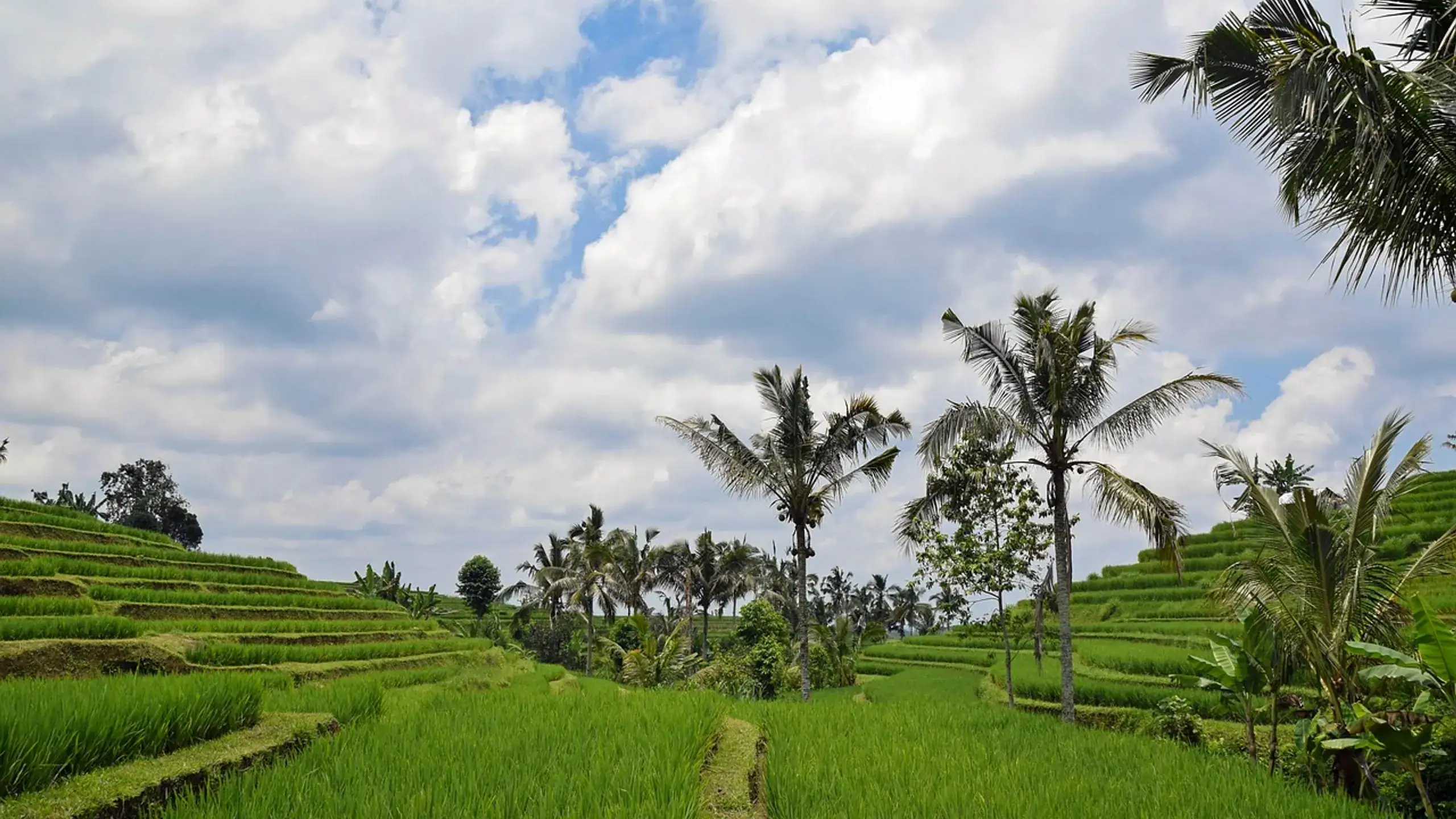
Best Time to Visit Bali — A Local's Honest Calendar
Eight years of living between Bali and everywhere else taught me that the island has four micro-seasons — and the brochure describes exactly none of them accurately.
11 min read
Honest Take
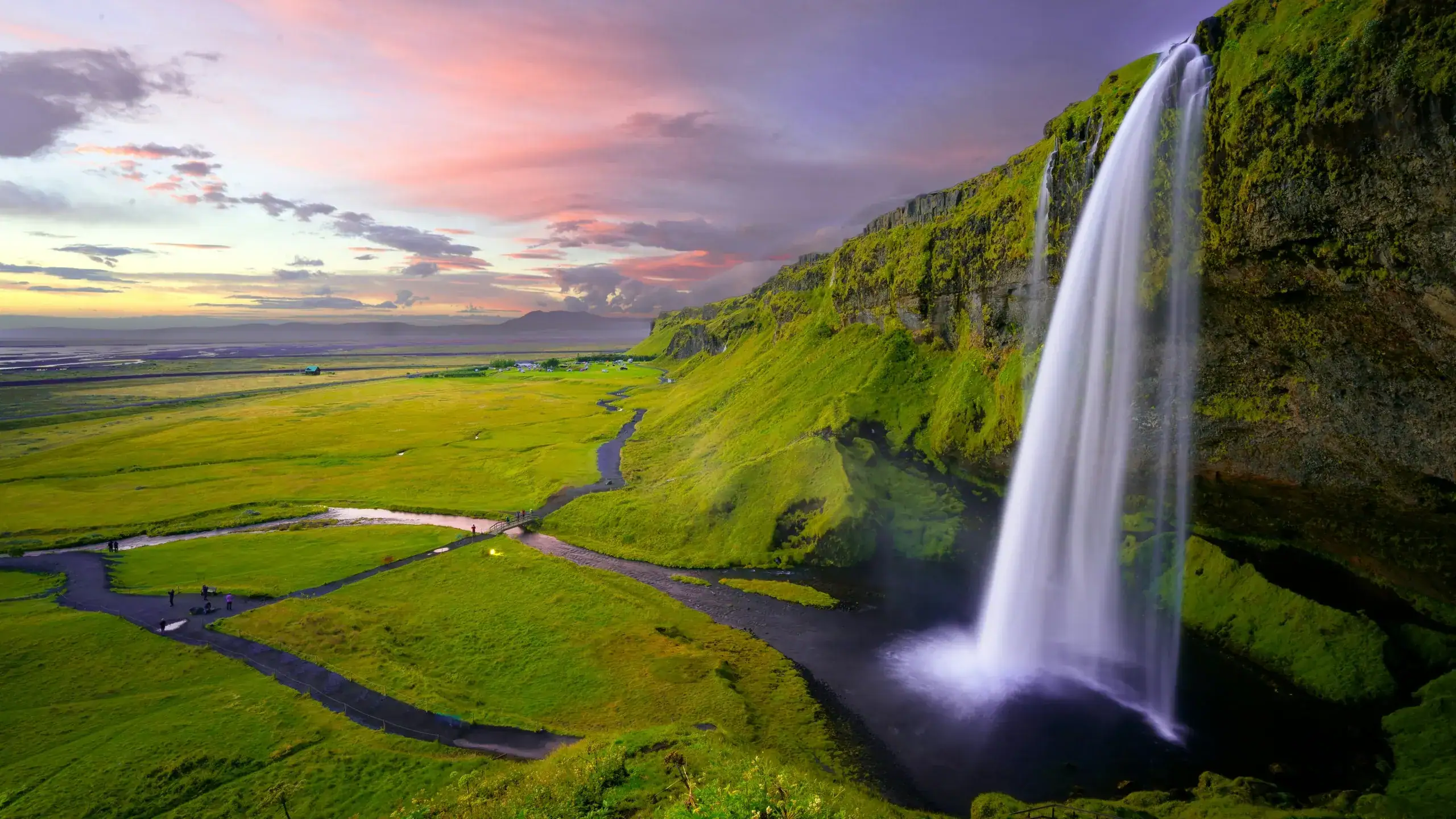
Why We Stopped Recommending the Blue Lagoon (And What To Visit Instead)
It is among the photographed spots on earth, and it shows up on every Iceland 'top 10' list ever published. We took it off ours in 2024. Here's what we'd send you to instead.
9 min read
Travel Guides
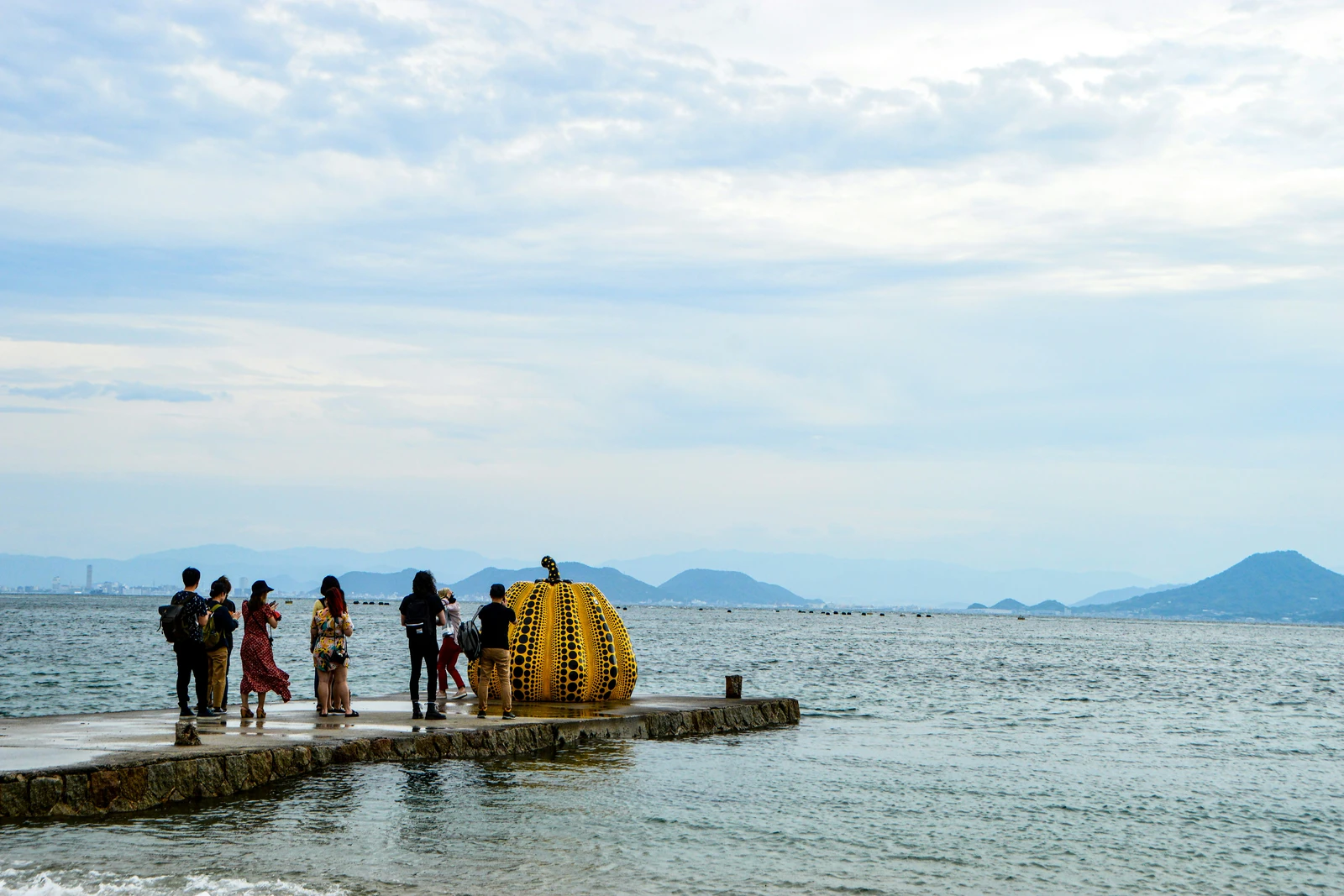
Setouchi: Japan's Art Islands, and the Cities Everyone's Suddenly Naming
Okayama, Takamatsu, and Matsuyama all showed up on Agoda's 2026 fastest-growing list, and they're all the same region — the Seto Inland Sea, where a scattering of islands turned into one of the world's more unlikely contemporary art destinations.
13 min read