
Best Winter Sun Destinations 2026 — Where to Fly for Warmth This December to February
Organised by flight time from Europe and North America, with honest temperature data, real prices, and the downsides nobody mentions until you land.
I have spent the last three winters testing a theory: that the best winter sun destination is not the most expensive or the most Instagrammed, but the one that matches your flight-time tolerance, your budget, and the specific version of warmth you are looking for. A retired couple wanting a quiet beach in January has different needs from a family of four chasing affordable sun during the February half-term, and both have different needs from a pair of remote workers who want reliable Wi-Fi and 28°C. This guide organises every worthwhile winter sun destination into three tiers — short-haul (4–6 hours), medium-haul (7–10 hours), and long-haul (10+ hours) — with real temperatures, real prices, real flight times, and the honest downsides that the tourism boards leave out. I have also included the shoulder-season trick that consistently saves me 25–35% without sacrificing weather.
Planning this trip?
Find flights now
Compare prices across 700+ airlines and OTAs in one search — find the real lowest fare without the inflated middleman markup.
Search flightsNeed a place to stay?
Search hotels
Short-Haul Winter Sun (4–6 Hours): The Canary Islands, Morocco, Egypt, and Cape Verde
Short-haul winter sun is the sweet spot for anyone who wants warmth without jet lag, a long flight, or an enormous budget. From most European capitals, these destinations are 4–6 hours away and deliver genuine winter sunshine at prices that make a January week abroad cheaper than heating your flat in London. Canary Islands (Tenerife, Gran Canaria, Fuerteventura, Lanzarote) — 22–24°C, 4–5h from London/Paris The Canaries are the default winter sun answer for Europeans, and for good reason. December through February temperatures sit at 22–24°C — warm enough for a T-shirt and outdoor dining, cool enough to hike without melting. Tenerife's south coast (Costa Adeje, Los Cristianos) is drier and sunnier than the north, with resort hotels from €55/night and return flights from €80 on Ryanair or Jet2 if booked 6–8 weeks ahead. Fuerteventura is the beach pick — 150 km of coastline, dune-backed beaches, and the most consistent winter wind in Europe, which makes it a magnet for kitesurfers and windsurfers. Gran Canaria splits the difference: the Maspalomas dunes are remarkable, the old town of Vegueta in Las Palmas is genuinely interesting, and the island's interior mountains offer serious hiking. Honest downside: The Canaries in peak winter (Christmas–New Year) are packed with Northern European package tourists. The resort areas feel like Blackpool with better weather. If you want authentic local culture, you need to rent a car and drive inland — the coast is tourism infrastructure. Also, the Atlantic water is 19–20°C in winter, which is swimmable but not tropical. Morocco (Marrakech, Agadir) — 18–22°C, 3.5–4h from London/Paris Marrakech in winter is cold at night (5–10°C) but warm and sunny during the day (18–22°C), with the medina emptied of the summer crowds. Riads start at €40/night in January, and the food — tagines, msemen, fresh orange juice at 50 cents a glass — is extraordinary value. Agadir on the Atlantic coast is warmer (20–23°C) and more resort-oriented, with beach hotels from €50/night. Morocco's winter is the best season for Atlas Mountains hiking: clear skies, no summer heat, and the high passes dusted with snow. Honest downside: Marrakech evenings are genuinely cold in December-January — you will need a proper jacket after sunset. The medina's persistent touts are less aggressive in winter but still present. Agadir is a purpose-built resort town with limited cultural depth. Egypt (Hurghada, Sharm el-Sheikh) — 22–25°C, 5–6h from London/Paris The Red Sea coast delivers the warmest short-haul winter temperatures and some of the best snorkelling and diving accessible from Europe. Hurghada and Sharm el-Sheikh hit 22–25°C in January with near-zero rainfall. All-inclusive resorts start at €45/night (genuinely — Egyptian tourism pricing is aggressive), and the coral reefs are exceptional. Ras Mohammed National Park near Sharm is one of the top 10 dive sites globally. Honest downside: The resort areas are walled compounds with minimal connection to Egyptian culture. Getting from the resort to anything authentically Egyptian requires organised excursions (Cairo is a 6-hour drive from Hurghada or a 1-hour flight). The water is 22°C in winter — comfortable for snorkelling with a rash vest but not warm. Cape Verde — 24–26°C, 6h from London/Lisbon Cape Verde is the short-haul wild card — a volcanic Atlantic archipelago 500 km off the West African coast that most Northern Europeans have never considered. Winter temperatures hold at 24–26°C with almost zero rain. Sal and Boa Vista are the beach islands (flat, sandy, wind-exposed, excellent for kitesurfing). Santo Antão is the hiking island (volcanic peaks, terraced valleys, dramatic coastal paths). Flights from London or Lisbon start at €200 return on TUI or TAP; hotels on Sal from €50/night. Honest downside: Cape Verde is not a luxury destination — infrastructure is basic, restaurants outside the resort zones are limited, and the wind on Sal and Boa Vista is relentless (great for watersports, less great for families wanting a calm beach). Santo Antão has no airport — you fly to São Vicente and take a ferry.

Editor's tips
- The Canaries are cheapest in the first two weeks of December and from mid-February — avoid the Christmas-to-New-Year peak entirely if budget matters
- Marrakech riads with heated pools are available from €60/night in January and solve the cold-evening problem — Riad Yasmine and Riad Jardin Secret are reliable picks
- Cape Verde's Sal island is the budget beach option; Santo Antão is the hiking option — they serve completely different traveller profiles
Medium-Haul Winter Sun (7–10 Hours): The Caribbean, Mexico, Dubai, and the Gambia
Medium-haul winter sun raises the budget and the temperature. You are crossing the Atlantic or heading deep into the Middle East, which means higher flight costs but also genuinely tropical heat — the kind of warmth where you step off the plane and your glasses fog. Caribbean (Barbados, St Lucia, Antigua) — 27–30°C, 8–9h from London, 3–5h from US East Coast The Caribbean in winter is the Northern Hemisphere's classic escape: dry season, 27–30°C, warm turquoise water, and trade winds that keep the humidity manageable. Barbados is the all-rounder — excellent beaches (Crane Beach, Bottom Bay), a genuine food scene (Oistins Fish Fry on Friday nights), and direct flights from London, New York, Toronto, and Miami. St Lucia has the dramatic scenery (the Pitons, sulphur springs, rainforest), and Antigua has 365 beaches and a calmer, less-developed feel. Expect to pay $150–$300/night for a good hotel, $500–$800 return for flights from Europe, and $250–$500 return from the US East Coast. Honest downside: The Caribbean in December-February is peak season — prices are at their annual highest, the popular beaches are crowded, and the resort areas feel tourist-heavy. All-inclusive resorts can feel isolating. And the flight from Europe is 8–9 hours in economy with limited legroom airlines. Dollar for dollar, you get more warmth, more culture, and more value in several other destinations on this list. Mexico (Cancún, Riviera Maya, Oaxaca Coast) — 26–30°C, 10h from London, 4–5h from US East Coast Mexico is the North American default winter sun destination, and the Cancún-Riviera Maya corridor delivers reliably: 26–30°C, dry season, warm Caribbean water, and a massive infrastructure of resorts, restaurants, and excursions. An all-inclusive week in Cancún starts at $800/person including flights from the US — genuinely difficult to beat for families. The Riviera Maya south of Cancún (Playa del Carmen, Tulum) offers more character: cenote swimming, Mayan ruins at Cobá and Tulum, and a food-and-bar scene that has real personality. Oaxaca's Pacific coast (Puerto Escondido, Huatulco) is the surfer-and-food alternative — less polished, more authentic, significantly cheaper. Honest downside: Cancún's hotel zone is a strip of American-style resorts with limited Mexican cultural character. The sargassum seaweed problem on Caribbean-facing beaches (brown seaweed washing ashore in thick mats) is unpredictable and can ruin a beach day — check recent reports before booking. Tulum has been over-developed and over-priced for several years. Puerto Escondido has dangerous beach currents unsuitable for casual swimmers. Dubai — 24–26°C, 7h from London, 12–14h from US East Coast Dubai in January is the single best weather month for the city: 24–26°C, near-zero humidity, no sandstorms. The beach is swimmable (23–24°C water), the desert excursions are comfortable, and the outdoor dining scene — which is effectively closed from May to October because of 45°C heat — is at its best. Dubai is a $$$+ destination: expect $150–$400/night for hotels, $60–$100/person for a good dinner, and $800–$1,200 return flights from Europe. The trade-off is that Dubai delivers spectacle, luxury infrastructure, and flawless logistics at a level no other winter sun destination matches. Honest downside: Dubai is expensive, architecturally surreal rather than culturally deep, and designed for consumption rather than exploration. The 'old Dubai' that travel influencers photograph (Al Fahidi, the Creek, the Gold Souk) is genuine but occupies about three square kilometres in a metro area the size of greater London. The rest is malls, highways, and construction. If you want cultural immersion, Dubai is the wrong destination. If you want perfect weather, a perfect beach, and a city that works with Swiss efficiency, it is unbeatable. The Gambia — 28–32°C, 6h from London The Gambia is West Africa's smallest country and an underrated winter sun destinations accessible from Europe. December through February is bone-dry, 28–32°C, and the Atlantic beaches south of Banjul (Kololi, Kotu, Sanyang) are wide, warm, and largely empty. The Gambia is cheap: beach hotels from £30/night, a full local meal for £3, and return flights from London on TUI or Thomas Cook from £350. The birdwatching is exceptional (Abuko Nature Reserve, the river trips), and the culture — Mandinka, Wolof, Jola — is accessible and welcoming to visitors. Package holidays to the Gambia start at £500/person for a week including flights. Honest downside: Tourism infrastructure is basic — roads are unpaved outside the resort strip, power cuts are common, and the beach areas have persistent 'bumsters' (unofficial guides who attach themselves to tourists). The Atlantic water can have strong currents. Malaria prophylaxis is recommended. This is not a luxury destination; it is a budget-warmth destination with genuine cultural richness if you engage with it.

Editor's tips
- Cancún all-inclusive packages from the US start at $800/person/week in January — book through Costco Travel or Apple Vacations for consistently below-market rates
- Dubai's best hotel deals are in the first week of December (before the National Day holiday rush) and the last two weeks of February (before spring break)
- The Gambia is the cheapest genuine winter sun from Europe — £500 for a week including flights is real, not a headline price that disappears at checkout
Long-Haul Winter Sun (10+ Hours): Thailand, Bali, the Maldives, and South Africa
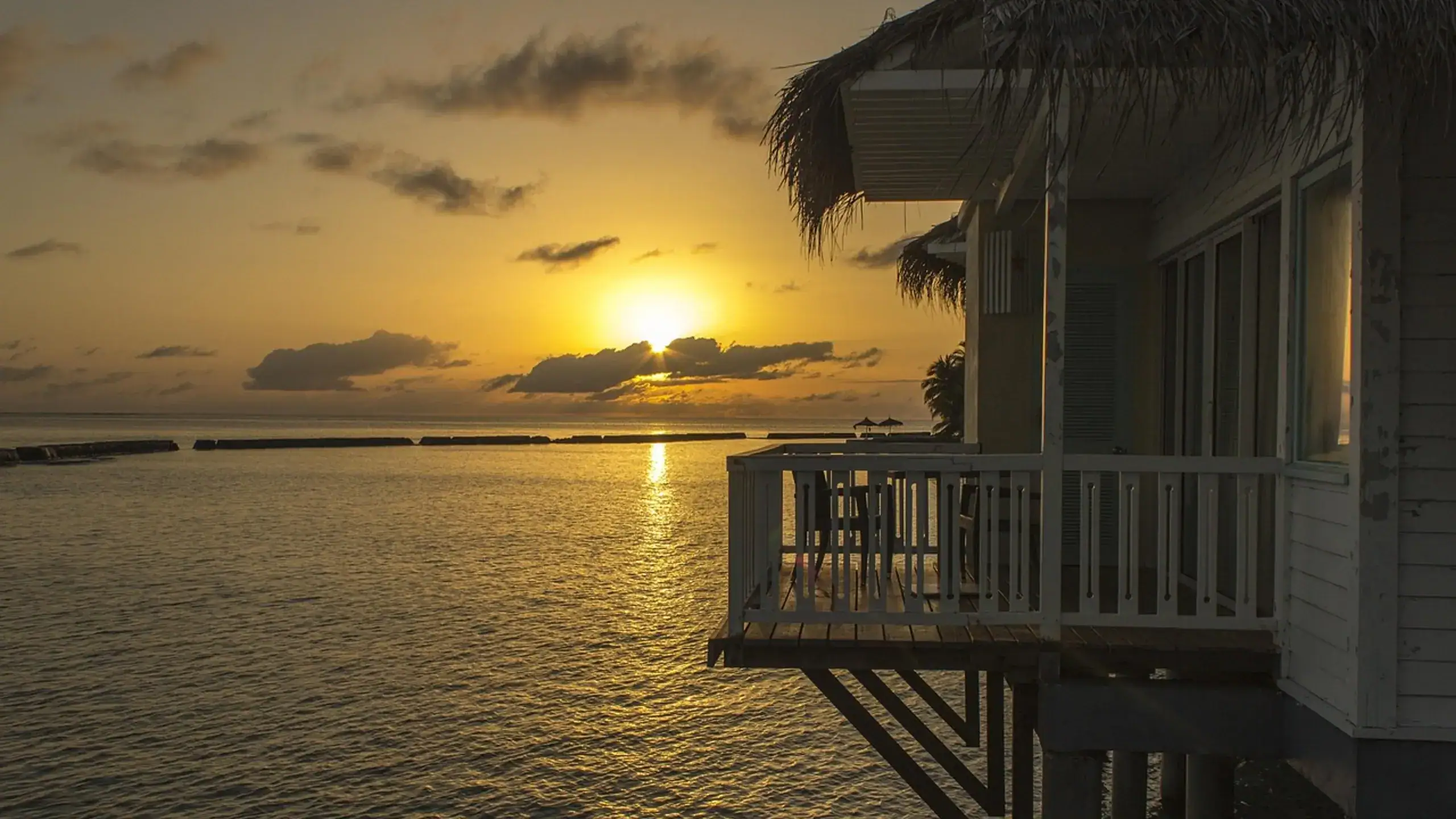
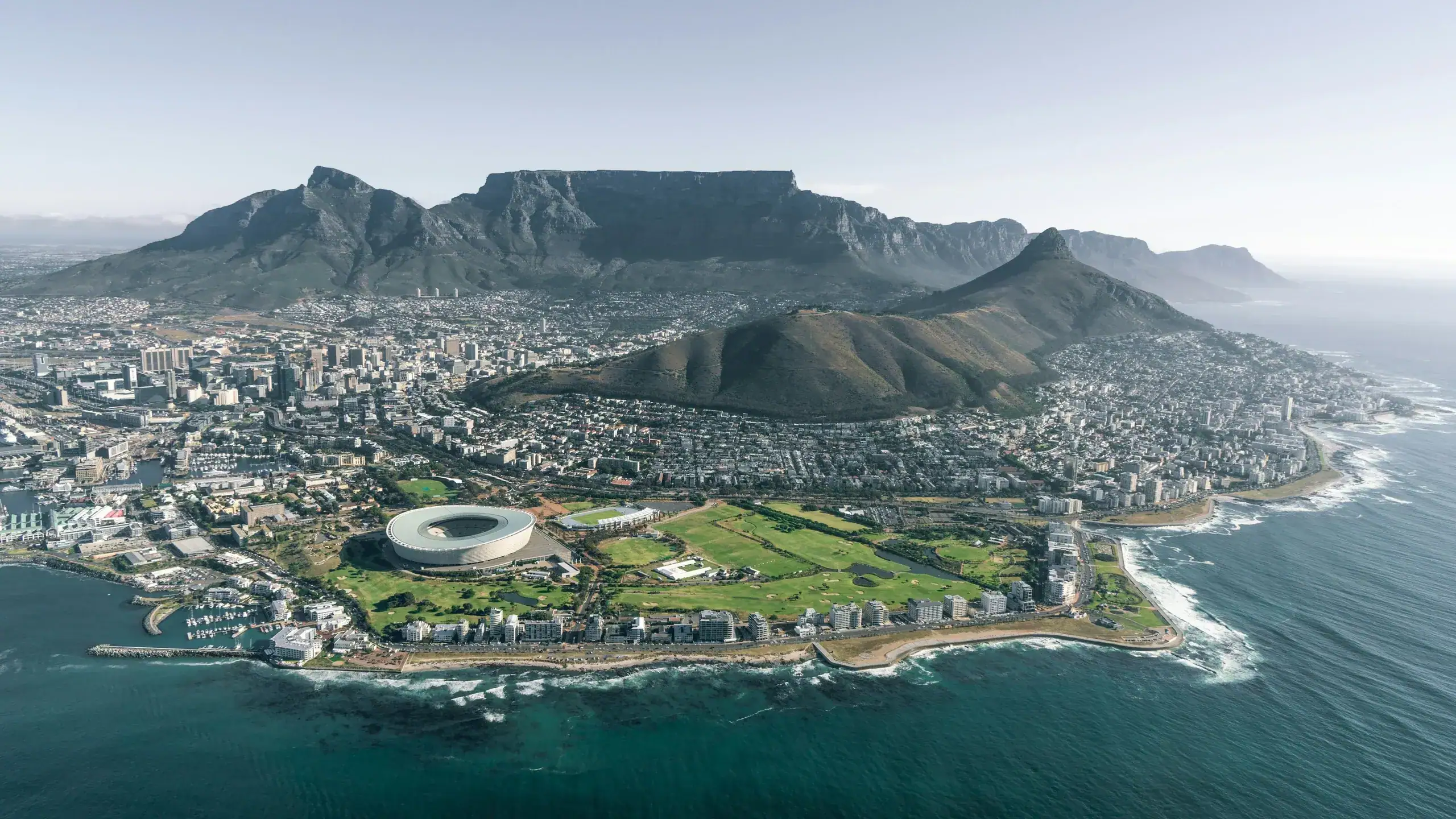
Long-haul winter sun demands commitment — 10–14 hours in the air, significant jet lag, and higher flight costs. The reward is the most dramatic warmth, the most striking landscapes, and the most complete escape from a Northern Hemisphere winter. These destinations are not weekend trips; they are two-week immersions that justify the journey. Thailand (Bangkok, Chiang Mai, Phuket, Koh Samui) — 28–33°C, 11–12h from London, 17–20h from US East Coast Thailand in December-February is in its cool, dry season — the best weather window for every region. Bangkok is hot (30–33°C) but manageable with lower humidity than the summer monsoon months. Chiang Mai in the north is the coolest (20–28°C, clear skies, no smoke — the burning season that chokes the city from March-April has not started). Phuket and the Andaman coast islands are at their best: calm seas, 28–30°C, excellent diving visibility. Thailand remains one of the world's best-value long-haul destinations: street food from $1.50, excellent hotels from $40/night, internal flights from $30. Return flights from Europe start at $450 in early December and late February; expect $700+ during Christmas-New Year. Honest downside: Thailand's tourism infrastructure is mature to the point of over-development in some areas — Phuket's Patong Beach and Bangkok's Khao San Road are examples of places where the tourist version has entirely replaced the local version. The gulf islands (Koh Samui, Koh Phangan) have a different weather pattern — December-January can be rainy on the east coast while the Andaman side is dry. Full Moon Party culture on Koh Phangan is not for everyone. And the 11–12 hour flight from Europe means genuine jet lag. Bali — 28–31°C, 14–16h from London, 20–24h from US East Coast Bali in December-February is wet season — daily afternoon rain (1–3 hours), high humidity (85%+), and rice terraces at their most photogenic emerald green. This is the trade-off that makes Bali a genuine winter sun bargain: prices are 35–45% below the July-August peak. Ubud in the wet season is green, quiet, and culturally rich. The temple ceremonies are remarkable (Galungan in late January some years). The south coast beaches (Seminyak, Canggu) are surfable but the Indian Ocean swells can be dangerous for swimmers. Expect hotel rates from $35/night for boutique properties in Ubud, $80/night for design-led hotels in Canggu, and flights from $500 return from Europe in shoulder periods. Honest downside: It rains every day. Not all day — typically 1–3 hours in the afternoon — but the humidity between showers is intense, and the rain can disrupt outdoor plans. The roads flood in heavy downpours. The south coast ocean conditions are genuinely dangerous for non-swimmers during the wet season. And the journey from Europe is 14–16 hours minimum, usually with a connection in Singapore, Kuala Lumpur, or Doha. Maldives — 28–31°C, 10–11h from London, 18–22h from US East Coast The Maldives in December-February is dry-season peak — the best weather of the year. Calm seas, 28–31°C, 8–9 hours of sunshine daily, snorkelling visibility at 25–30 metres. This is the world's ultimate winter beach destination, and it is priced accordingly. Overwater villas at mid-range resorts start at $400/night; premium resorts (Soneva, One&Only, St Regis) are $1,000–$3,000/night. Budget travellers can access the Maldives via local-island guesthouses (Maafushi, Thulusdhoo, Fulidhoo) from $80–$120/night with snorkelling and diving from $50/session. Flights from Europe start at $550 return on Emirates, Qatar, or Turkish Airlines via their Gulf hubs. Honest downside: The Maldives is expensive by any measure. Even the budget-guesthouse version costs more per night than a luxury hotel in Thailand or Bali. The resort-island model means you are confined to a small island with one restaurant and one beach — paradise, yes, but also potentially boring after day 4. Local islands have alcohol restrictions (the Maldives is Muslim). And the environmental reality is sobering: the country's average elevation is 1.5 metres above sea level, and the coral bleaching visible on some reefs is a reminder of what is at stake. South Africa (Cape Town, Garden Route) — 25–30°C, 11–12h from London, 17–20h from US East Coast South Africa in December-February is full Southern Hemisphere summer — the best weather of the year for Cape Town and the Garden Route. Cape Town hits 25–30°C with minimal rain, the beaches (Camps Bay, Clifton, Muizenberg) are at their most swimmable, and the Cape Winelands (Stellenbosch, Franschhoek) are at their most beautiful. The Garden Route from Cape Town to Port Elizabeth is one of the world's great road trips: Hermanus for whale watching (Southern right whales, December-January), Knysna for the lagoon, Tsitsikamma for forest hiking. South Africa offers exceptional value for a long-haul destination: excellent restaurants from $25/person, wine-estate stays from $80/night, car rental from $20/day. Honest downside: December-January is South African summer holiday peak — prices and crowds are at their annual maximum. Camps Bay accommodation in late December can be $300–$500/night (triple the April rate). The safety reality requires honest discussion: Cape Town is generally safe for tourists in the tourist areas, but car break-ins, opportunistic theft, and certain no-go zones are real. Do not leave valuables visible in a parked car. Do not walk between areas after dark. These are specific, manageable precautions, not a reason to avoid the destination.

Editor's tips
- Thailand's Andaman coast (Phuket, Krabi, Koh Lanta) is dry in December-February; the Gulf coast (Koh Samui, Koh Phangan) can be rainy — choose your coast carefully
- Bali wet-season deals are real: expect 35–45% savings on hotels and villas compared to July-August peak, with the trade-off of daily afternoon rain
- For the Maldives on a budget, book a local-island guesthouse on Maafushi or Thulusdhoo — $80–$120/night with snorkelling from the beach, no $400 resort required
- Cape Town is best value in March-April: same summer weather, 40% lower prices, fewer crowds — worth shifting dates if your schedule allows
Cheapest Winter Sun Options: Where Your Money Goes Furthest
Not every winter sun trip needs to cost four figures. If budget is the primary constraint, these are the destinations where your money stretches the furthest without sacrificing genuine warmth. Best overall value: The Gambia. A week in the Gambia including return flights from London, beachfront hotel, and meals can realistically cost £600–£800 total. At 28–32°C in January with a 6-hour flight, it is the best warmth-per-pound ratio available from Europe. Best short-haul value: Canary Islands. Tenerife and Gran Canaria in early December or late February offer 22°C sunshine with return flights from €80 and hotels from €55/night. A week's holiday for under €600 per person is achievable. Best long-haul value: Thailand. Once you absorb the flight cost ($450–$700 return from Europe), daily costs in Thailand are extraordinarily low — $30–$50/day covers a clean hotel, three meals, transport, and a temple visit or beach day. A two-week Thailand trip for $1,500 total from Europe is realistic for budget travellers. Best long-haul value for North Americans: Mexico. Cancún all-inclusive weeks from $800/person from the US East Coast remain the benchmark. The 4–5 hour flight from the East Coast means no jet lag, minimal travel-day waste, and the ability to go for a short 5-day trip rather than committing to two weeks. The budget trap to avoid: Egypt's all-inclusive Red Sea resorts are the cheapest on paper (€45/night including meals), but the cheapest packages often come with older resort properties, limited food quality, and expensive excursion mark-ups. The €45/night resort and the €90/night resort are genuinely different experiences. Pay the extra if Egypt is your pick.
Editor's tips
- Use Google Flights' Explore feature with flexible dates and no specific destination — it surfaces the cheapest winter sun flights from your home airport automatically
- All-inclusive is best value in Mexico and Egypt but worst value in Thailand and Bali — where the street food and local restaurants are better and cheaper than any hotel restaurant
Best Winter Sun for Families vs. Couples
Best for families with children under 12: Tenerife is the standout family winter-sun destination. The infrastructure is built for it: shallow, sheltered beaches on the south coast (Playa de las Américas, Los Cristianos), water parks (Siam Park, consistently rated Europe's best), family-focused resort hotels with kids' clubs, and a flight time from London or Paris of just 4–5 hours. The Canaries' 22–24°C winter temperature is warm enough for outdoor days without the dehydration risk of 35°C tropical heat. Crucially for families, there is no jet lag, no malaria risk, no complex visa process, and no vaccinations required. Cancún is the North American family equivalent: warm, well-infrastructured, short flight from the US East Coast, and the all-inclusive model means predictable costs — critical when you are feeding four people three meals a day. Best for families with teenagers: Dubai works for teenagers in a way it does not always work for young children. The spectacle — Burj Khalifa, the Aquaventure waterpark at Atlantis, dune bashing, the Dubai Mall aquarium and ice rink — hits the 12–17 age bracket perfectly. It is expensive, but teens remember Dubai. Thailand is the adventurous-family option: ethical elephant sanctuaries near Chiang Mai, island-hopping, night markets, and a culture shock that is educational in the best sense. Best for couples (romantic, anniversary, honeymoon): The Maldives is the gold standard for couples seeking a private, luxury winter escape — overwater villas, private dinners on the sandbank, and the specific privacy that comes from being on an island with 40 rooms instead of 400. Cape Verde is the under-the-radar couples' option: Sal's beaches at sunset, quieter and more intimate than the Caribbean, at a third of the price. St Lucia combines dramatic scenery (the Pitons), excellent boutique hotels, and a food scene that has matured significantly — it is the Caribbean pick for couples who want more than a beach. Best for couples on a budget: Marrakech in January is a genuinely romantic affordable destinations on earth. A riad with a courtyard, a heated pool, and breakfast for €60/night. Dinner for two in the medina for €20. A hammam session for €15/person. A day trip to the Atlas Mountains for €30/person. A full romantic week for under €800/couple including flights is realistic.
The Shoulder Trick: Fly Early December or Late February and Save 30%
This is the single most valuable piece of advice in this article, and it applies to every destination listed above. The winter sun 'peak' runs from approximately December 20 to January 5 and, for UK/European travellers, the February half-term week (usually the third week of February). During these two windows, airlines and hotels charge their annual maximum because demand is concentrated by school holidays and Christmas. The rest of December through February — early December, all of January outside New Year, late February — has almost identical weather at 25–35% lower prices. The numbers, destination by destination: Canary Islands: A week in Tenerife departing December 2 vs. December 22 — the price difference is typically €200–€350 per person on the same hotel and flight combination. The temperature difference: 0.5°C. Dubai: Hotel rates at a given 5-star property in the first week of December vs. the Christmas week can differ by $100–$200/night. The weather is identical. Maldives: Resort rates in the first two weeks of December are 20–30% below the Christmas-New Year peak, and the weather is already fully dry-season. Thailand: January (outside the New Year week) is consistently cheaper than December and has the same weather. The mechanism is simple: airlines and hotels use yield management software that prices based on demand, and demand spikes are driven by school holidays, not weather. The weather does not know it is half-term. How to execute the shoulder trick: 1. Set Google Flights or Skyscanner to flexible dates and compare departures in the first 10 days of December against the Christmas week. The price gap will be visible immediately. 2. For hotels, check the same property on Booking.com for a December 1 check-in vs. a December 23 check-in. The difference is often 30–50%. 3. If you have school-age children and cannot move dates, January 7–20 (immediately after the holiday peak) is the next-best window — prices drop sharply on January 2, and by January 7 most destinations are at their annual value-sweet-spot. 4. Late February (after half-term, before Easter) is another valley — prices reset downward while the weather in most winter sun destinations is still excellent. I have used this trick on three consecutive winter trips — early December in the Canaries (saved €280/person), second week of January in Dubai (saved $180/night on the same hotel), and late February in Thailand (saved $200 on flights). The cumulative saving across three trips was over $1,500, and the weather was indistinguishable from peak-season conditions.
Editor's tips
- The price peak is December 20–January 5 and the February half-term week — every other date in December-February is shoulder-priced with identical weather
- January 7–20 is the annual sweet spot for value: post-holiday prices, full winter sun weather, and reduced crowds at every destination on this list
- Use Google Flights' price graph feature to see exactly where the pricing cliff is for your route — it visualises the shoulder-to-peak transition date by date
How to Choose: A Decision Framework
With this many options, the decision framework matters as much as the destination list. Here is how I narrow it down when someone asks me where to go for winter sun. Start with flight time tolerance. If you hate flying or have young children, stay short-haul (Canaries, Morocco, Egypt, Cape Verde). If you are willing to commit to a long-haul flight, the destinations are warmer, more dramatic, and often better value once you absorb the airfare. Then filter by budget. Under €800/person/week: Canaries, Gambia, Morocco, Egypt. €800–€1,500/person/week: Mexico, Thailand, Bali (wet season). €1,500–€3,000/person/week: Caribbean, Dubai, South Africa. €3,000+/person/week: Maldives resort, Caribbean luxury. Then filter by what you actually want. Beach and nothing else: Maldives, Canaries, Cape Verde. Beach plus culture: Thailand, Morocco, South Africa. City plus beach: Dubai, Cancún (day trips), Cape Town. Adventure and nature: South Africa (Garden Route), Cape Verde (Santo Antão), Thailand (Chiang Mai). Luxury and romance: Maldives, St Lucia, Dubai. Then check the calendar. Can you travel in early December or late February? You will save 25–35%. Are you locked into Christmas week or February half-term? Budget accordingly — the premium is real but the experience is the same. The best winter sun destination is not the warmest or the cheapest or the most famous. It is the one where your flight-time tolerance, your budget, your travel style, and your available dates intersect. That intersection is always more specific than a generic 'top 10' list, and it is always more satisfying when you get it right.
Frequently asked questions
In January the most reliable warmth is in places in their dry season, such as the Maldives and Thailand's Andaman coast, though both mean a long flight. Closer to Europe, the Canary Islands and Dubai are mild to warm but not always hot enough for swimming every day. Choose by how long you are willing to fly and how much heat you want.
Winter sun travel has a simple truth at its core: the difference between a good winter escape and a great one is not the destination — it is the match between what you need and what the destination actually delivers in that specific month, at that specific price point, for your specific travel style. The Maldives in January is perfect for a couple celebrating an anniversary. It is a terrible choice for a family of four on a €3,000 budget. Tenerife in December is perfect for that family. It would bore the anniversary couple. The framework — flight time, budget, travel style, calendar — is more useful than any ranked list, and the shoulder trick is more valuable than any destination recommendation. Book the first week of December or the last week of February, and the destination almost does not matter. You will be warm, you will have saved 30%, and you will wonder why you ever paid peak-season prices. ⚠️ Health and vaccination requirements last verified August 2026. Requirements change — check the CDC Travel Health page (wwwnc.cdc.gov/travel) and your destination's embassy for the most current guidance before you book. Those precautions aside, check the current U.S. State Department advisory for South Africa before you book.
Get there
Flights
One search across 700+ airlines — find the real lowest fare for your dates.
Search flightsWhere to stay
Hotels
Browse verified hotels and stays — instant confirmation, secure booking.
Book on KKdayThings to do
Activities
Tours, attractions, and day trips — free cancellation on most experiences.
Book on KlookTours & Experiences
Book the experiences, not just the trip
Skip-the-line tickets, guided tours, and day trips — free cancellation on most, confirmed instantly.
About the author
Camille Laurent
Senior Travel Editor · Based in Lisbon · Bali
Camille has spent the last 9 years living in or reporting from over 60 countries. Former contributor to Condé Nast Traveler and Monocle, she focuses on Southeast Asia, Mediterranean Europe, and the Middle East. Currently based between Lisbon and Bali.
Read next — destinations
More from The Edit

When to Go
Best Time to Visit Bali — A Local's Honest Calendar
Eight years of living between Bali and everywhere else taught me that the island has four micro-seasons — and the brochure describes exactly none of them accurately.
11 min read

When to Go
Best Time to Visit Dubai — Why November Beats March, and the One Month We'd Genuinely Avoid
The high season runs December through February, but the savvy window is at the bookends — and there's exactly one month of the year we'd refuse to visit even on a free trip.
8 min read

Travel Guides
Best Honeymoon Destinations 2026 — From Budget to Blow-Out
We priced out honeymoons across twelve destinations and three budget tiers. The Maldives overwater villa costs less per night than some Santorini cave suites — and the best honeymoon under $3,000 isn't where you'd guess.
15 min read