
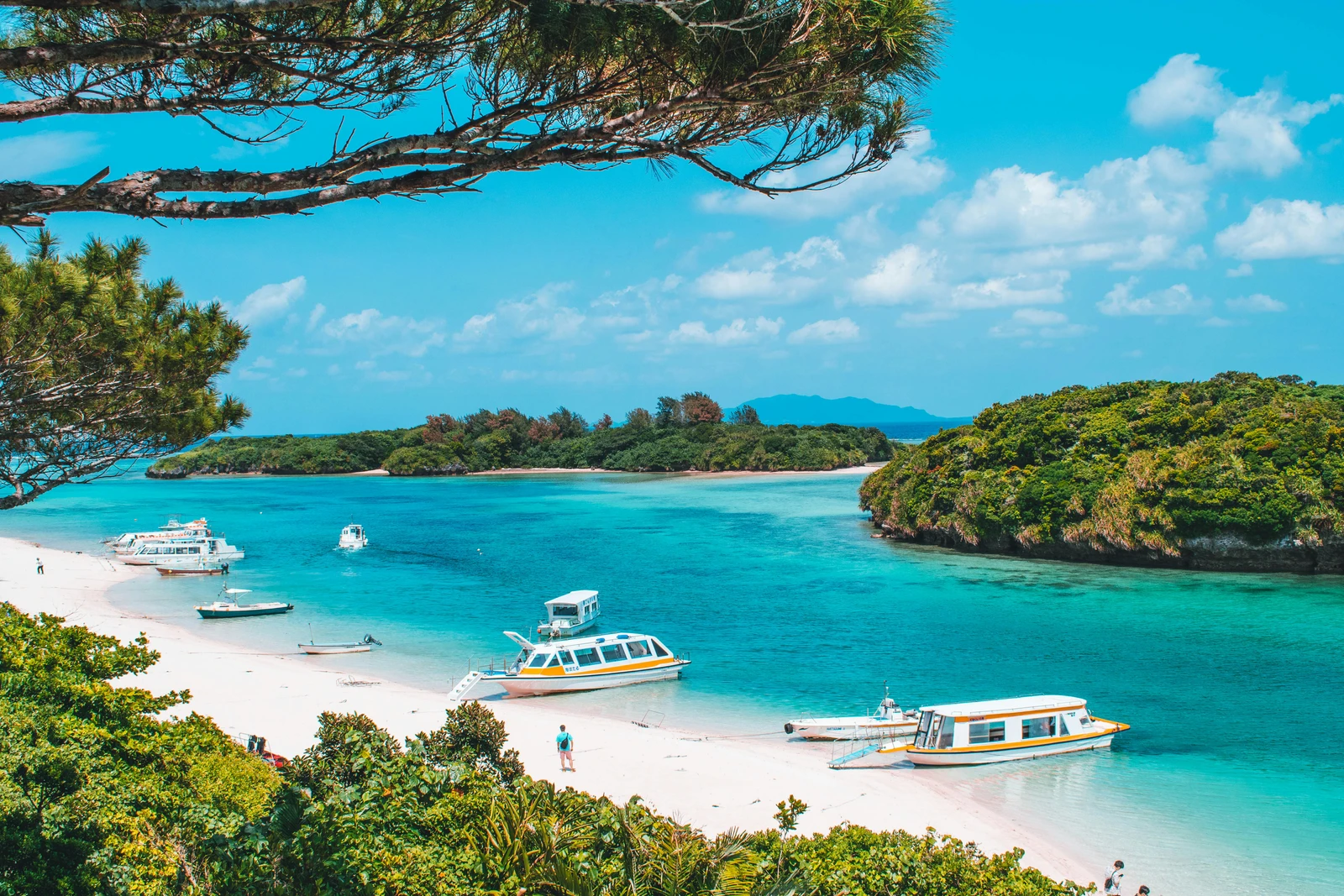
Okinawa: The Tropical Japan Most Itineraries Skip
Tripadvisor's 2026 Travellers' Choice named Okinawa City among Asia's standout destinations — a reminder that Japan's southernmost prefecture is a genuinely different country's worth of culture, food, and coral reef from the Tokyo-Kyoto route most first-timers run.
Okinawa sits closer to Taiwan than to Tokyo, was an independent kingdom (the Ryukyu Kingdom) until 1879, and still eats, builds, and speaks differently enough from mainland Japan that locals draw the distinction unprompted. Tripadvisor's 2026 Travellers' Choice named Okinawa City among Asia's standout trending destinations, and after a week split between Naha and the outer reefs, I'd argue it's the most distinct regional culture inside Japan's borders — and one most first-time visitors skip entirely.
Planning this trip?
Find flights now
Compare prices across 700+ airlines and OTAs in one search — find the real lowest fare without the inflated middleman markup.
Search flightsNeed a place to stay?
Search hotels
A different Japan, deliberately
The Ryukyu Kingdom paid tribute to both China and Japan for centuries before full annexation in 1879, and that dual heritage still shows: red-tiled roofs with shisa lion-dog guardians, a distinct Uchinaguchi dialect, and a cuisine built around pork, bitter melon, and imported ingredients that never filtered into mainland cooking the same way. Shurijo Castle, the Ryukyu Kingdom's former seat, burned down in 2019 and is being rebuilt again — visiting mid-reconstruction, with viewing platforms over the active rebuild, is its own kind of interesting.
Editor's tips
- Try Okinawa soba (wheat noodles, not buckwheat) and goya champuru — different enough from mainland dishes that ordering 'the usual' Japanese food misses the point entirely
- Shurijo's reconstruction viewing areas are free and add real context to the site
Naha: the practical base
Okinawa's capital holds the airport, most flight connections, and Kokusai-dori — a mile-long shopping and food street that's the closest thing to a tourist strip on the island, useful for orientation on arrival even if you spend the rest of the trip elsewhere. Naha's first-timer must-see is Shurijo; its most-missed is the Tsuboya pottery district, a quiet lane of working kiln studios a ten-minute walk off Kokusai-dori.
Editor's tips
- Rent a car at Naha airport if visiting outer beaches — public transport thins out quickly past the city
- Kokusai-dori gets genuinely crowded by evening; visit Tsuboya's pottery lane in the calmer morning hours
The reefs: Kerama and beyond
The Kerama Islands, roughly an hour by ferry from Naha, hold some of the clearest water in Japan — locals call the specific shade 'Kerama blue' without much exaggeration — and easy, current-light diving and snorkeling suited to beginners as much as certified divers. Day trips run from Naha; staying overnight on Zamami or Tokashiki island trades convenience for genuinely empty beaches after the day-boats leave.
Editor's tips
- Book Kerama day-trip boats a few days ahead in peak summer — capacity is limited and popular operators sell out
- Overnight on Zamami if you want the beaches without the day-tripper crowds — accommodation is basic but the empty-beach payoff is real
Beyond Naha: the northern beaches
The Motobu Peninsula and the beaches around Onna-son, roughly 60-90 minutes north of Naha by car, hold Okinawa's resort belt — bigger hotels, calmer swimming beaches, and the Okinawa Churaumi Aquarium, whose main tank holds whale sharks. It's a genuinely different pace from Naha's city energy, and most multi-day itineraries split time between the two.
Editor's tips
- Churaumi Aquarium gets crowded midday — arrive at opening or in the last two hours before close
- Onna-son's beaches are calmer and more swimming-friendly than most of Naha's city-adjacent coastline
When to go
April through June and October through November avoid both the June-July rainy season and the August-September typhoon risk that can genuinely disrupt ferry schedules to the outer islands. Peak summer (July-August) brings the warmest water and the biggest crowds; winter stays mild by Japanese standards but water temperatures drop enough that diving requires a proper wetsuit.
Editor's tips
- Check typhoon forecasts before booking outer-island ferries in August-September — cancellations are common, not rare
- Water temperatures stay diveable year-round with the right wetsuit, but October-June needs a 5mm suit rather than summer's 3mm
Renting a car and moving between islands
Okinawa's main island is more spread out than first-time visitors expect. Naha has an elevated monorail that covers the city and the airport, but the northern beaches, the aquarium area and most resort hotels are far beyond its reach, and buses there are slow and infrequent. A rental car is the practical answer for anyone leaving the capital. Foreign drivers generally need an international driving permit issued under the 1949 convention, so sort that out before you fly rather than at the rental counter. Driving is on the left, and the roads are straightforward. For the outer reefs, the Kerama Islands are reached by ferry from Naha, and crossings can be cancelled when seas are rough, which is why leaving a buffer day matters in typhoon season. Plan the ferry day early in the trip so a cancellation still leaves room to reschedule.
Food and culture worth building days around
Okinawa's cuisine is one of the clearest signs that it is not simply another Japanese prefecture. Okinawa soba uses thicker wheat noodles in a pork-based broth, and goya champuru, a stir-fry built around bitter melon, shows up on nearly every izakaya menu. Pork is central in a way it is not in much of mainland cooking. Awamori, the local distilled spirit, is worth trying neat or with water, and it is often aged for years in clay pots. The Ryukyu Kingdom's heritage is visible at Shuri Castle in Naha, though the main hall was destroyed by fire in 2019 and reconstruction work has continued, so check what is open before you plan around it. Craft villages, pottery districts and traditional music venues fill out the picture. Allow at least one full day in Naha itself, because visitors who treat it as only an airport stop miss the strongest evidence of what makes the region distinct.
Typhoon season and weather planning
Weather is the main variable in Okinawa, and late summer into early autumn brings the greatest risk of typhoons that can cancel ferries and flights for a day or more. Check forecasts closely in the week before travel and stay flexible with your bookings if you visit in that period. Travel insurance that covers weather disruption is worth considering. Even outside typhoon season, strong sun and sudden showers are common, so pack reef-safe sun protection, a rain layer and quick-drying clothes. Sea conditions can change quickly, so follow local advice on swimming and snorkelling, and heed any warning flags on beaches. A buffer day at the end of the trip reduces the risk of missing an international connection.
Find the Best Flight Deals
Direct flights connect Naha to Tokyo, Osaka, and Fukuoka in roughly 2.5-3 hours — compare fares before routing through the mainland.
Where to Stay
Naha city: $60-100/night. Northern resort belt (Onna-son, Motobu): $120-250/night. Outer islands (Zamami, Tokashiki): basic guesthouses $30-50/night.
Tours & Activities
Book Kerama Islands day trips, Churaumi Aquarium tickets, and diving/snorkeling packages through Naha-based operators.
Frequently asked questions
Direct flights connect Naha to Tokyo (Haneda/Narita), Osaka, and Fukuoka in roughly 2.5-3 hours; it's also reachable via a longer flight or ferry from Taiwan. Because Naha is on a separate island from the mainland, allow for flight schedules and weather when planning connections, particularly in typhoon season.
Most first-time Japan trips run Tokyo to Kyoto to Osaka and call it done, and that itinerary never touches a coral reef, a former independent kingdom, or a cuisine this different from what mainland menus serve. Okinawa, tropical Japan beyond Tokyo and Kyoto entirely, is the extension that changes what people mean when they say they've 'done' Japan.
Get there
Flights
One search across 700+ airlines — find the real lowest fare for your dates.
Search flightsWhere to stay
Hotels
Browse verified hotels and stays — instant confirmation, secure booking.
Book on KKdayThings to do
Activities
Tours, attractions, and day trips — free cancellation on most experiences.
Book on KlookTours & Experiences
Book the experiences, not just the trip
Skip-the-line tickets, guided tours, and day trips — free cancellation on most, confirmed instantly.
About the author
Marcus Chen
Hotels & Deals Editor · Based in New York City
Marcus reviews hotels for a living — and has slept in over 400 of them. Before TravelBuzzy, he ran the hotel desk at a major loyalty publication and consulted for two boutique hotel groups. He covers the Americas, Japan, and luxury travel.
More from The Edit
Itineraries
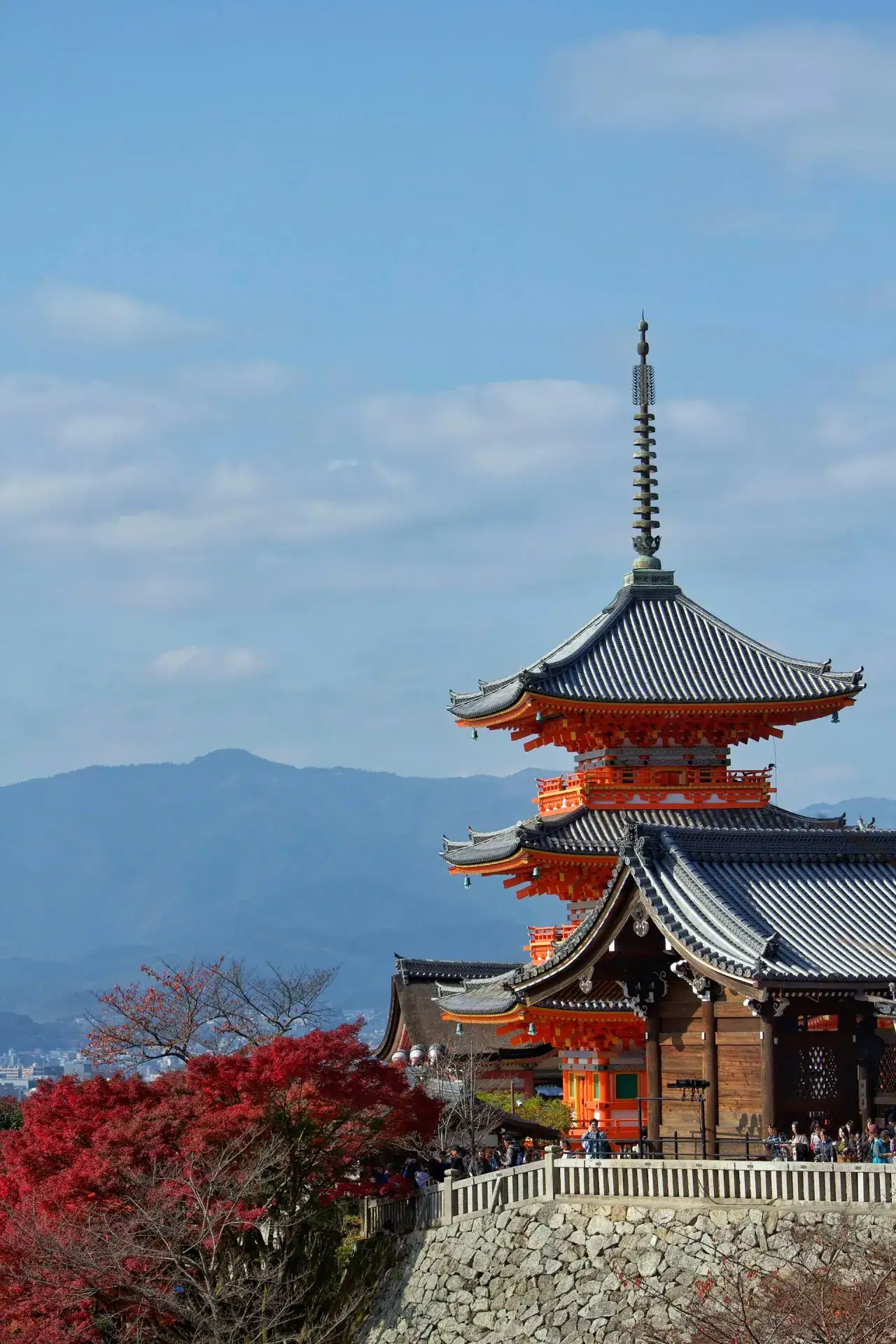
2 Weeks in Japan: Tokyo, Kyoto, Hiroshima, and Beyond
Japan in two weeks is the trip most people describe as life-changing. Here is the itinerary that earns that description — planned by district, by shinkansen hop, and by the meal that will follow you home.
18 min read
When to Go
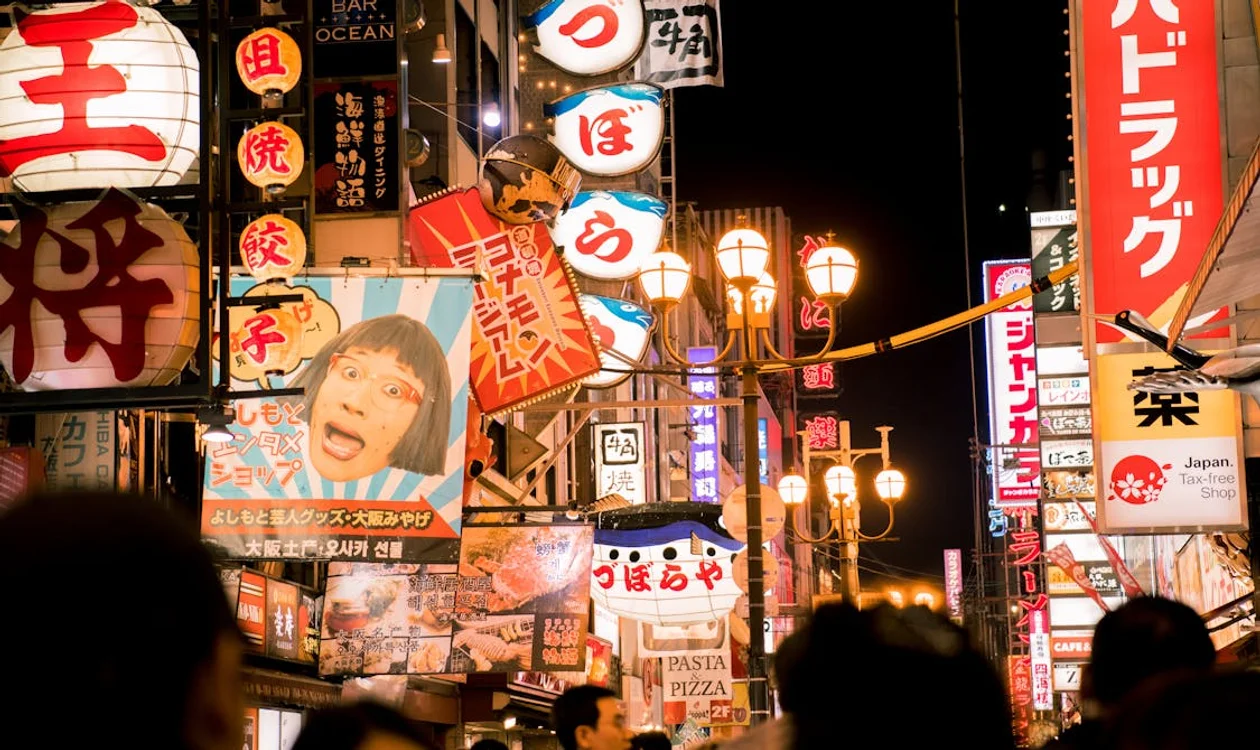
Best Time to Visit Tokyo — A Seasonal Honest Guide for First-Time Visitors
Cherry blossom is two weeks. Autumn leaves are three. Most planning guides skip the actual best month entirely.
9 min read
Travel Guides
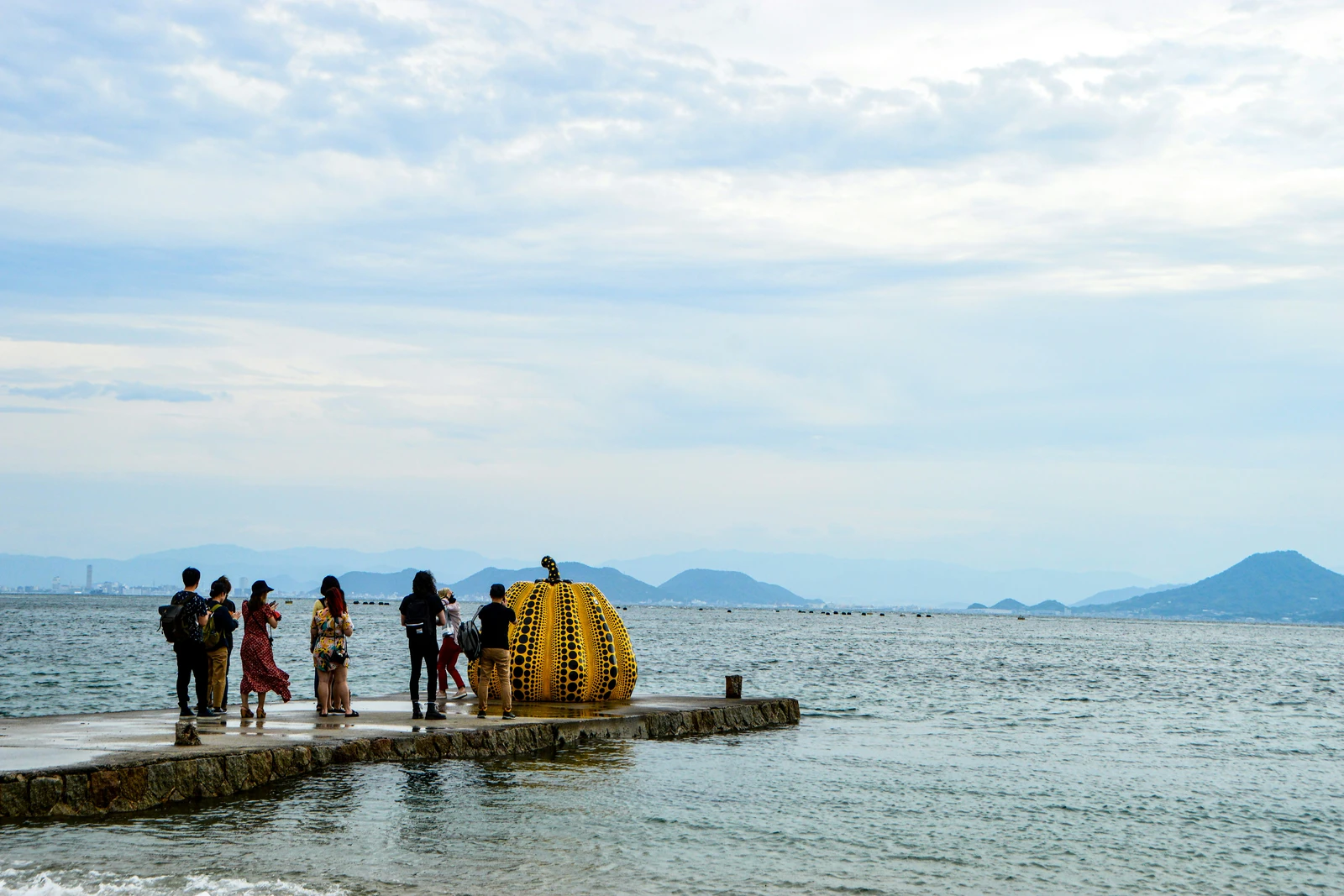
Setouchi: Japan's Art Islands, and the Cities Everyone's Suddenly Naming
Okayama, Takamatsu, and Matsuyama all showed up on Agoda's 2026 fastest-growing list, and they're all the same region — the Seto Inland Sea, where a scattering of islands turned into one of the world's more unlikely contemporary art destinations.
13 min read