
2 Weeks in Japan: Tokyo, Kyoto, Hiroshima, and Beyond
Japan in two weeks is the trip most people describe as life-changing. Here is the itinerary that earns that description — planned by district, by shinkansen hop, and by the meal that will follow you home.
Japan is the most logistically forgiving country in Asia for first-time solo travellers — trains run to the second, signage is bilingual in every train station, and the social contract around public space is the most considerate on earth. Two weeks covers the essential Japan circuit: the chaotic magnificence of Tokyo, the shinkansen corridor through Hakone and Fujikawaguchiko, the temple-and-garden density of Kyoto, the sobering beauty of Hiroshima, and the loud, eating-obsessed energy of Osaka. It's a journey that most people describe, with some accuracy, as transformative.
Planning this trip?
Find flights now
Compare prices across 700+ airlines and OTAs in one search — find the real lowest fare without the inflated middleman markup.
Search flightsNeed a place to stay?
Search hotels
The Japan Rail Pass: buy it or not
The Japan Rail Pass (JR Pass) for 14 days currently costs approximately ¥70,000 (€440). Whether it pays off depends on your specific route. For the Tokyo–Kyoto–Hiroshima–Osaka circuit with a Hakone side trip: the Shinkansen-only fares total approximately €50,000–€55,000 for the same journeys. Adding the JR trains in Kyoto and Osaka brings the individual ticket total to approximately €60,000–€65,000 — meaning the 14-day JR Pass saves €5,000–€10,000 on this specific itinerary, depending on which Shinkansen speed you choose. Buy the JR Pass online before leaving home — it cannot be purchased at full face value in Japan (a limited domestic version exists at higher cost). Activate it on arrival at any JR station office.
Days 1–4: Tokyo (see the separate 5-day Tokyo guide)
Follow the Tokyo itinerary in our separate 5 Days in Tokyo guide for the most detailed day-by-day plan. For a 14-day Japan trip, four Tokyo days is the right allocation — covering Asakusa and the Skytree area, the Shibuya/Harajuku/Yoyogi showcase day, Tsukiji and Shimokitazawa, and a day trip (Nikko or Kamakura). Use your Tokyo base for the two nights around the Hakone side trip, then take the Shinkansen west.
Day 5: Hakone day trip
Hakone is 90 minutes from Shinjuku by the Romancecar express (¥2,500 reserved seat, not covered by JR Pass — use the JR Odakyu route instead). The Hakone Open Air Museum (sculpture park, ¥30) is the most photogenic stop. The Owakudani ropeway cable car over volcanic terrain is dramatic and sulfurous. Mount Fuji is visible from Hakone on clear days — the Ubuyama viewpoint in the morning has the best composition. Stay one night in a ryokan (traditional inn with kaiseki dinner and communal onsen baths) — the Hakone Ginyu or Kansuiro are mid-range options that deliver the full ryokan experience. Book 6–8 weeks ahead.
Editor's tips
- Fuji is visible from Hakone only on clear days — check the weather forecast the day before
- Ryokan bookings should be made at least 6 weeks ahead, more for peak autumn-leaf and cherry-blossom seasons
- The Hakone Free Pass (¥6,000) covers all local transport within the Hakone area — worthwhile for a full day
Days 6–9: Kyoto
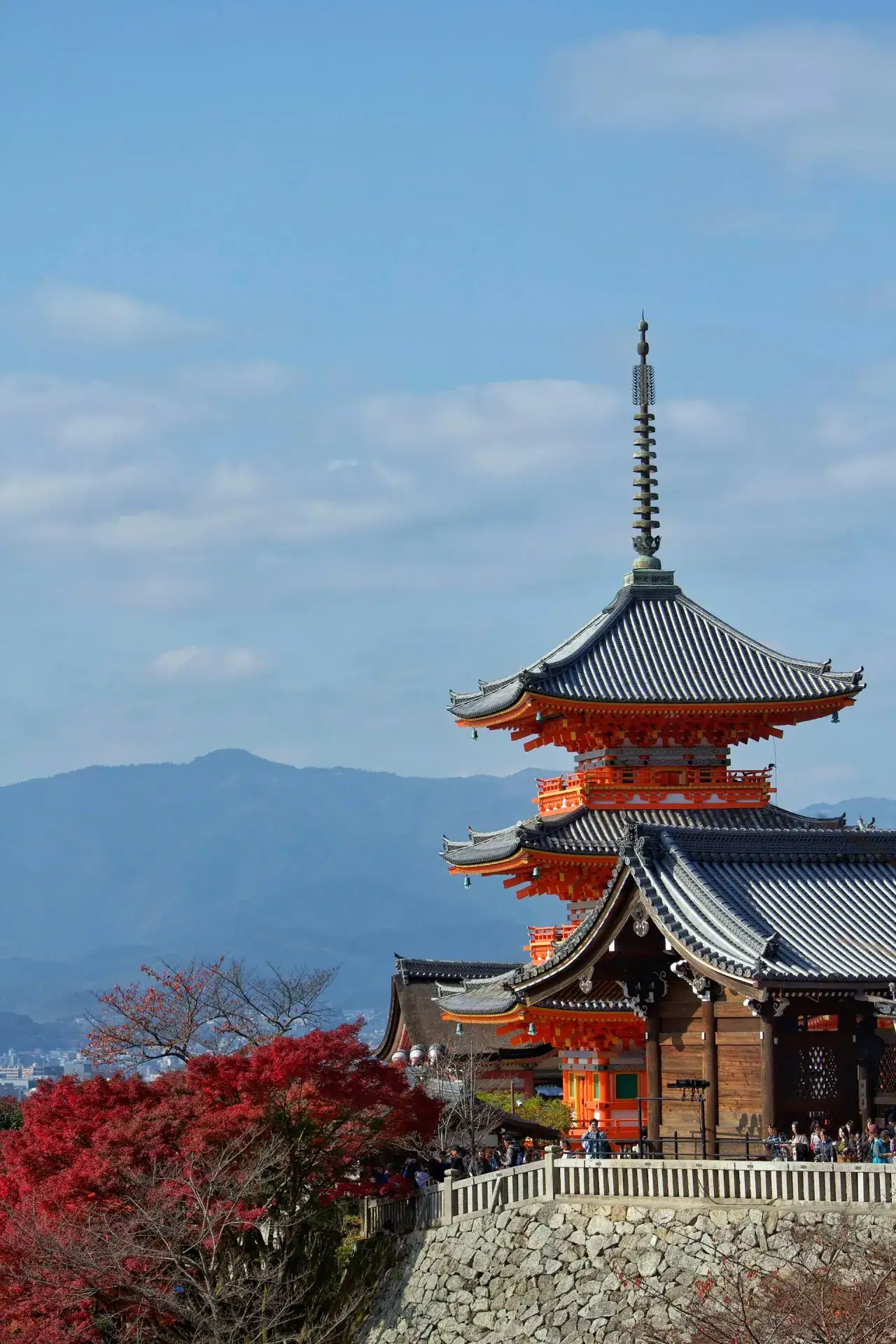
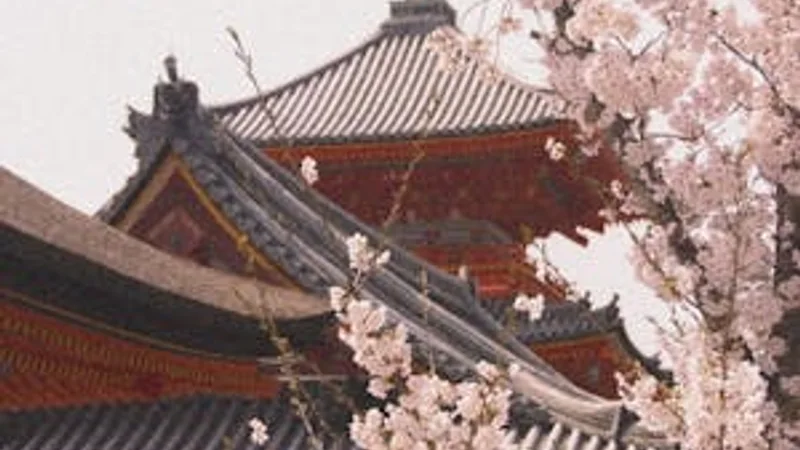
Kyoto is Japan's cultural capital and its most densely temple-packed city. The correct approach is one neighbourhood per day rather than a list of 40 temples in no particular order. Day 6: Arashiyama — the bamboo grove (at 6am before the crowds), Tenryu-ji garden (UNESCO, ¥1,200), the monkey park viewpoint, and the Sagano scenic railway. Day 7: Higashiyama — Kiyomizudera temple (¥500, famous for the wooden stage view), the preserved machiya townhouse lanes of Ninenzaka and Sannenzaka, and Gion district in the evening (the geisha district, where you may see a maiko walking to an engagement around 6pm). Day 8: Fushimi Inari — the 10,000 torii gate path. Go at 5am. The full hike to the summit takes 2.5 hours; the first 30 minutes are the densest torii section. The Nishiki Market (the city's central food market, 100 vendors in a covered arcade) for lunch. Afternoon: Nijo Castle and the Philosopher's Path canal walk. Day 9: day trip to Nara — 45 minutes from Kyoto by JR or Kintetsu train. The Todai-ji Great Buddha (the largest bronze Buddha in Japan, in the world's largest wooden building) and 1,200 freely roaming deer in Nara Park. Return to Kyoto for a kaiseki dinner.
Day 10: Hiroshima and Miyajima
Hiroshima is 1.5 hours from Kyoto by Shinkansen. The Peace Memorial Park and Museum is essential — the museum is devastating, honest, and the most important historical site in modern Japan (¥200, 2 hours minimum). The A-Bomb Dome opposite the museum is free and a significant pieces of preserved architecture in the world. Miyajima Island is 30 minutes from Hiroshima by train and ferry — the floating torii gate of Itsukushima Shrine is at its most dramatic at high tide. Arrive in time for the sunset. Stay overnight in Miyajima if budget allows — the island after the last ferry is extraordinary quiet.
Days 11–14: Osaka
Osaka is the anti-Kyoto — where Kyoto is refined and architectural, Osaka is loud, eating-obsessed, and cheerfully commercial. Base in Namba or Shinsaibashi for the most concentrated restaurant access. Day 11: Dotonbori (the neon canal district — Kani Doraku the crab restaurant, Ichiran ramen, takoyaki everywhere), Kuromon Ichiba Market (the wholesale market where Osaka chefs shop). Day 12: Osaka Castle and the grounds, then the Umeda Sky Building for the best city panorama. Afternoon: Tsutenkaku Tower in the Shinsekai retro neighbourhood — bowling alleys, fugu (puffer fish) restaurants, and a 1960s time capsule. Day 13: day trip to Kobe (30 minutes from Osaka) — the best beef in Japan at Mouriya in the Kitano district, the Kitano Ijinkan foreigner quarter of Meiji-era Western houses, and the Meriken Park waterfront. Day 14: Namba's Den Den Town electronics district, final takoyaki and okonomiyaki (Osaka's signature savoury pancake), and the Kansai International Airport express.
Practical habits that make Japan easier
Japan is easy to navigate, but a few habits save time and stress. Carry a rechargeable transport card and add funds as you go, since it works on most trains, buses and even vending machines. Carry some cash, because smaller restaurants, shrines and rural shops may not take cards. Trains run on time and doors close on the minute, so be on the platform early. Large luggage is awkward on crowded trains, and many travellers use luggage forwarding services to send suitcases ahead between cities, keeping a small overnight bag with them. Etiquette matters: keep voices low on trains, avoid eating while walking in many places and follow signs at shrines and temples. Take your rubbish with you, as public bins are rare. Cherry blossom and autumn leaf seasons fill hotels months ahead, so book early. Learn a few polite phrases, and use translation apps for menus. These small preparations let you enjoy the country instead of managing it.
Flights and Rail
Most international flights arrive at Tokyo Narita (NRT) or Haneda (HND). Fly out from Osaka Kansai (KIX) to complete a one-way route. Book the JR Pass before leaving home.
Book Experiences
Ryokan stays, tea ceremony experiences, Fushimi Inari guided dawn tours, and Hiroshima Peace Museum timed entries all benefit from advance booking.
Frequently asked questions
Two weeks covers the essential Japan circuit — Tokyo, the Shinkansen corridor, Kyoto, Hiroshima, Osaka — at a comfortable pace. It doesn't cover Hokkaido, Okinawa, or the Japan Alps, all of which merit return visits. Two weeks is the minimum for the country to feel genuinely experienced rather than rushed.
Japan's consistency is its secret weapon — the trains that arrive on time, the restaurant that has been serving the same bowl of ramen for 40 years, the station worker who walks you to the right platform rather than just pointing. Two weeks gives you enough of that consistency to understand what it feels like to live inside it rather than just observe it from outside.
Get there
Flights
One search across 700+ airlines — find the real lowest fare for your dates.
Search flightsWhere to stay
Hotels
Browse verified hotels and stays — instant confirmation, secure booking.
Book on KKdayThings to do
Activities
Tours, attractions, and day trips — free cancellation on most experiences.
Book on KlookTours & Experiences
Book the experiences, not just the trip
Skip-the-line tickets, guided tours, and day trips — free cancellation on most, confirmed instantly.
About the author
Marcus Chen
Hotels & Deals Editor · Based in New York City
Marcus reviews hotels for a living — and has slept in over 400 of them. Before TravelBuzzy, he ran the hotel desk at a major loyalty publication and consulted for two boutique hotel groups. He covers the Americas, Japan, and luxury travel.
Read next — destinations
More from The Edit
Itineraries
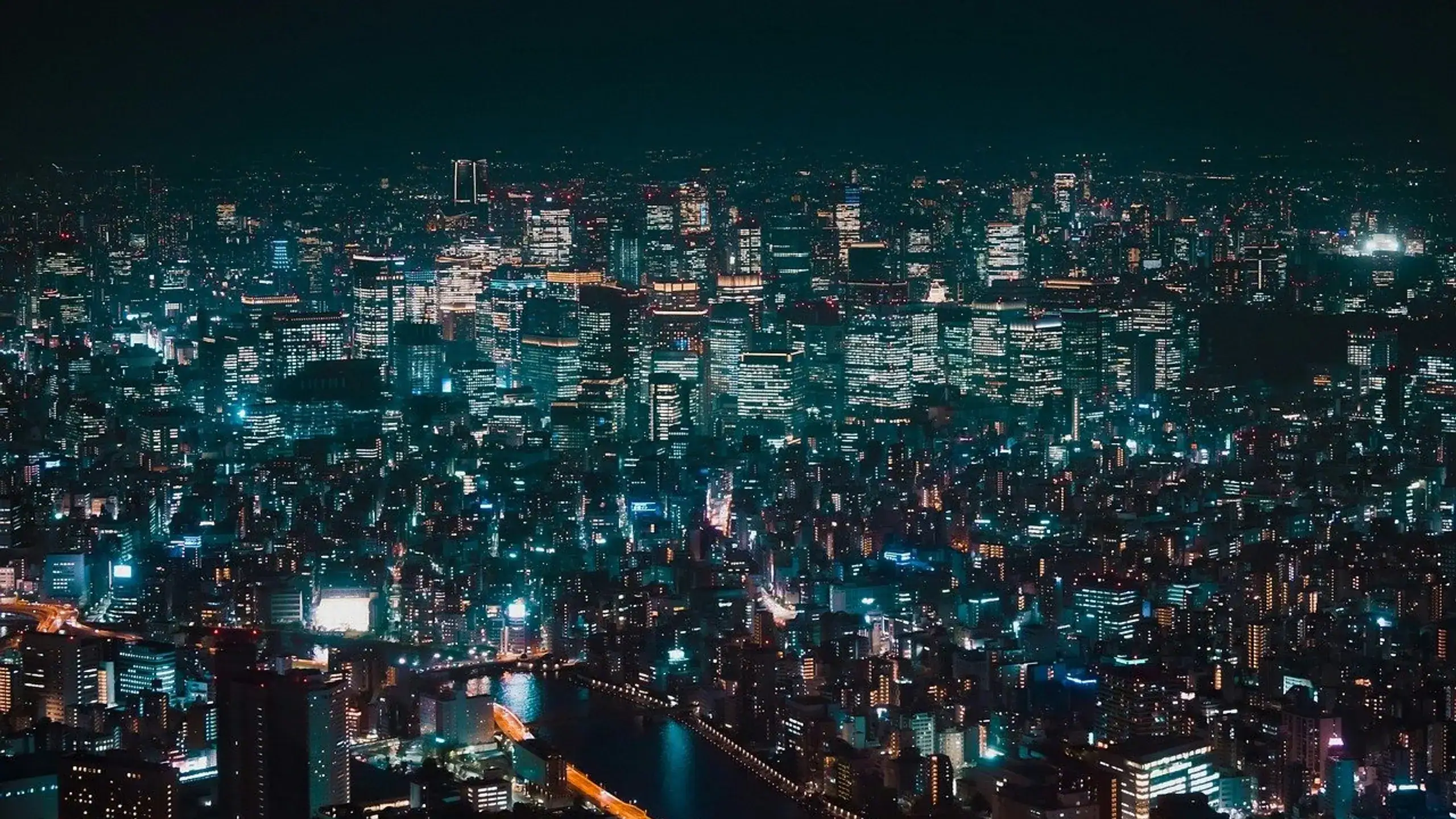
5 Days in Tokyo: A Realistic First-Timer's Itinerary
Three days will leave you hungry. Seven will overwhelm you. Five is the right number — and here is exactly how to spend them, by neighbourhood, by meal, and by the train you should actually take.
14 min read
Itineraries
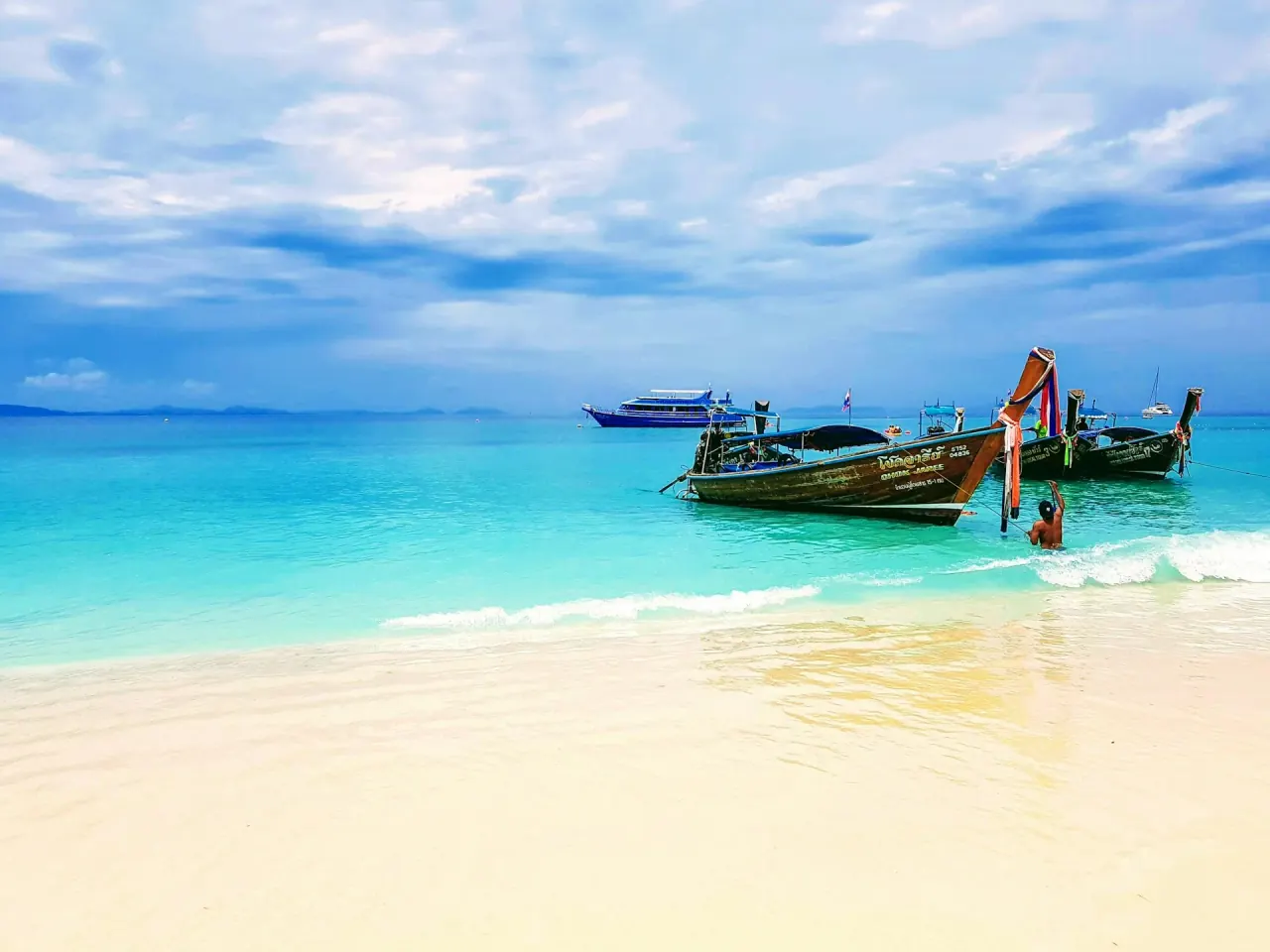
10 Days in Thailand: Bangkok, Chiang Mai, and the Islands
Ten days is the minimum to experience Thailand's three distinct worlds — the chaotic, magnificent capital; the temple-studded north; and the island coast that still has pockets of beauty beyond the party circuit.
15 min read
Travel Guides
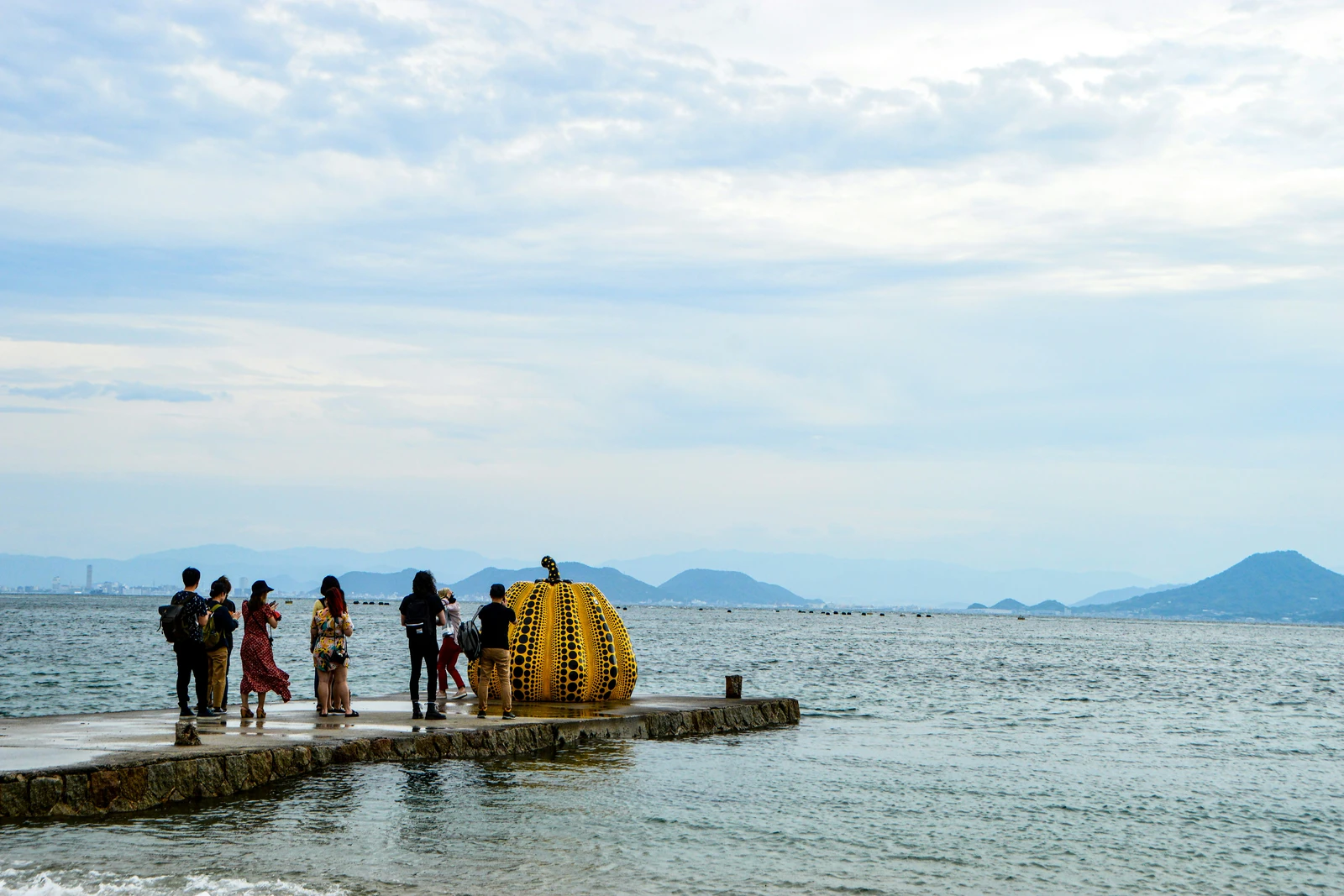
Setouchi: Japan's Art Islands, and the Cities Everyone's Suddenly Naming
Okayama, Takamatsu, and Matsuyama all showed up on Agoda's 2026 fastest-growing list, and they're all the same region — the Seto Inland Sea, where a scattering of islands turned into one of the world's more unlikely contemporary art destinations.
13 min read
Travel Guides
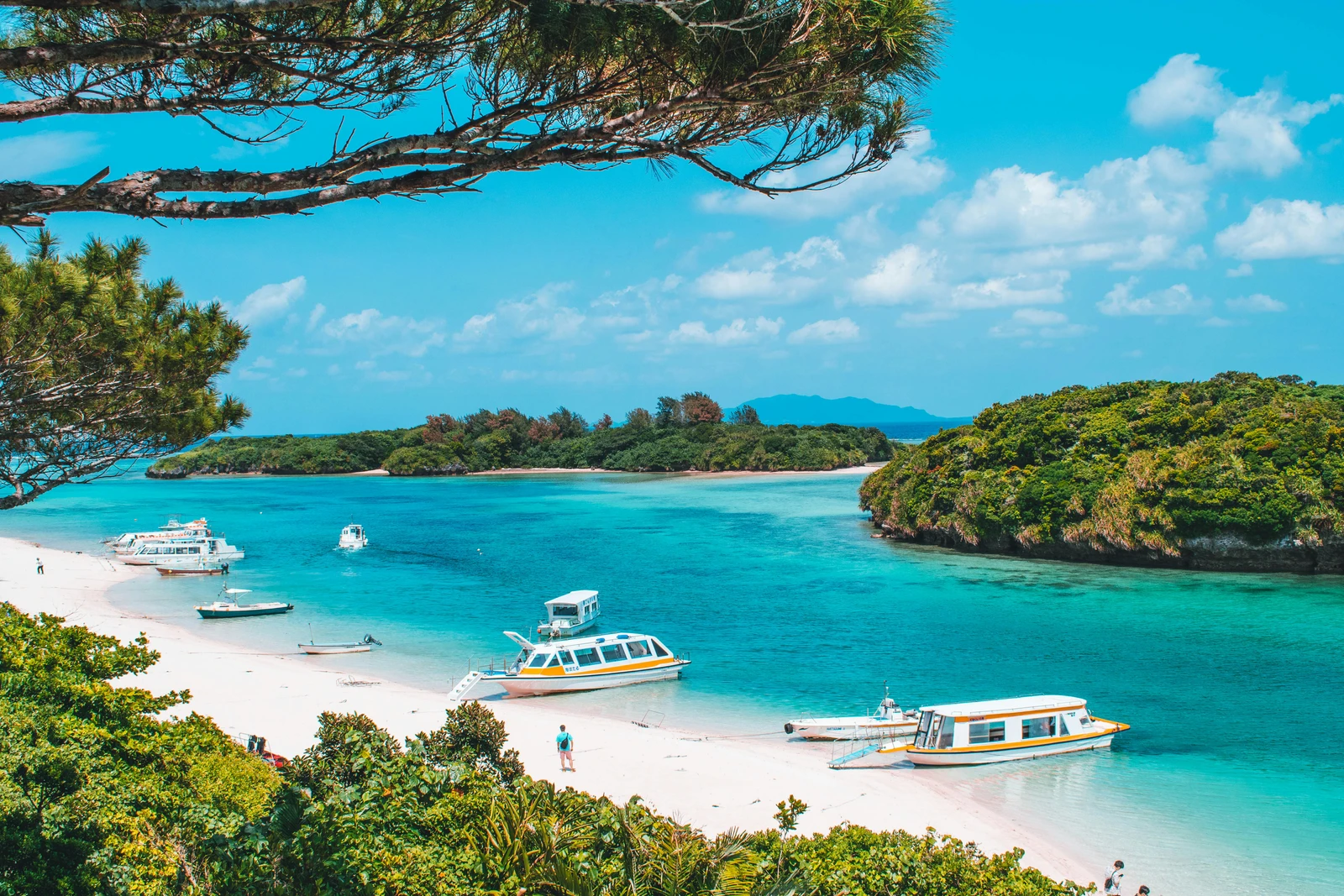
Okinawa: The Tropical Japan Most Itineraries Skip
Tripadvisor's 2026 Travellers' Choice named Okinawa City among Asia's standout destinations — a reminder that Japan's southernmost prefecture is a genuinely different country's worth of culture, food, and coral reef from the Tokyo-Kyoto route most first-timers run.
12 min read
Itineraries
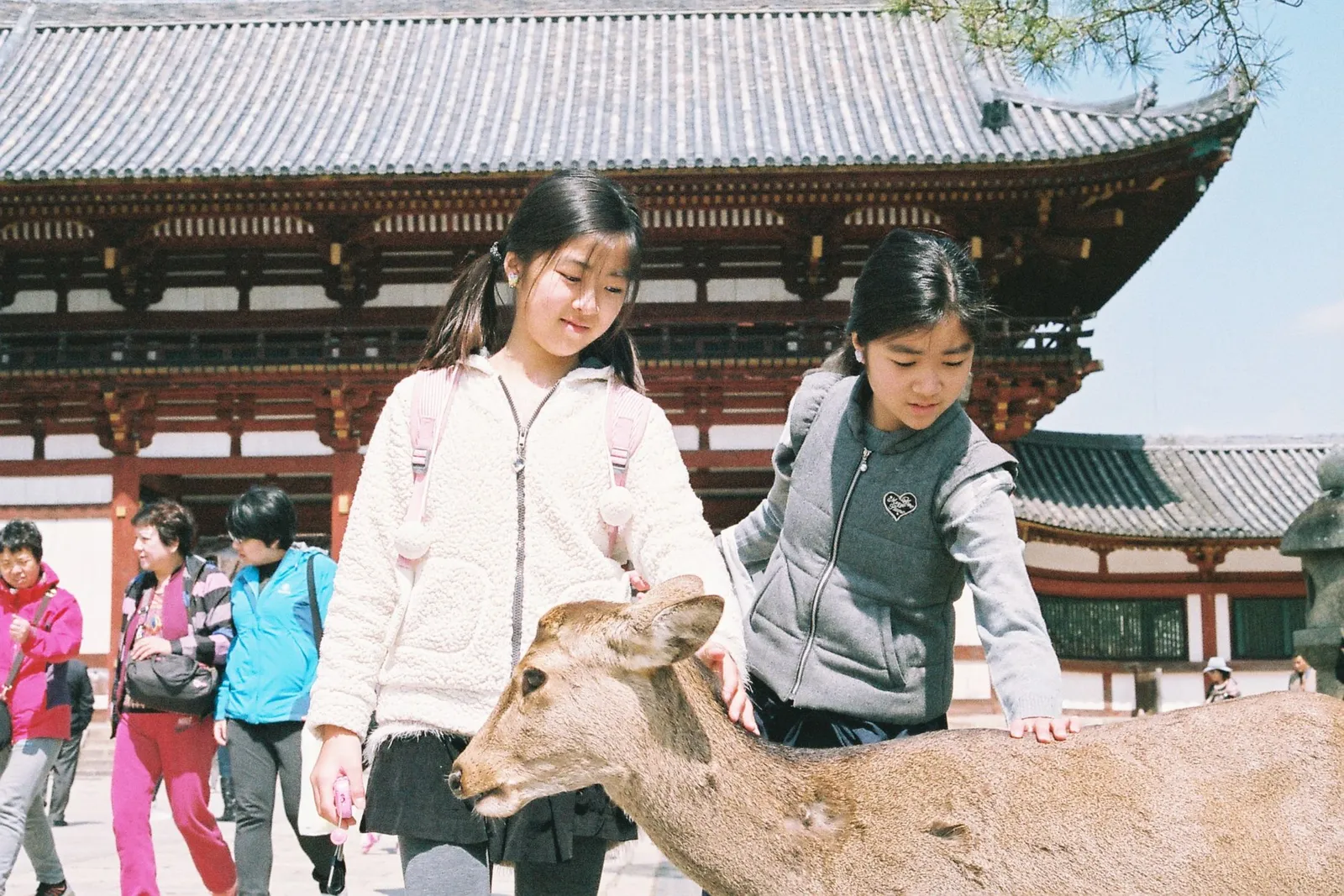
Family Trip to Japan: A 10-Day Itinerary That Works for Kids and Parents
Japan is one of the easiest countries in the world to travel with children: spotless stations, safe streets and food that kids actually eat. The hard part is logistics, from hotel rooms built for two to suitcases that don't fit on the bullet train.
12 min read