

Best Places to Travel in July 2026 — And the Crowd-Beating Alternatives
July is the most expensive and most crowded month in the global travel calendar. Here are the destinations where July specifically delivers something you can't get any other time — and the alternatives for travellers who want peak-season quality without peak-season queues.
July has a structural problem for travellers who value either value or solitude: it is simultaneously the peak of Northern Hemisphere school holidays (UK, Europe, much of the US), the peak price month for Mediterranean accommodation, and the month when the world's most famous destinations are most overtaken by the world's most people. It is also the only month when you can hike on Norway's Besseggen Ridge, drive Iceland's F-roads into the Highlands, kayak BC's Broken Group Islands in reliable sunshine, and watch the Tour de France pass through Provence. July is worth doing if you know which version of July to book.
Planning this trip?
Find flights now
Compare prices across 700+ airlines and OTAs in one search — find the real lowest fare without the inflated middleman markup.
Search flightsNeed a place to stay?
Search hotels
Norway: the fjords at full summer
Norway's fjords are accessible year-round but only fully operational in July. The Flåm Railway runs every 30 minutes. The Nærøyfjord kayak tours operate daily. The Jotunheimen National Park trails, including the Besseggen Ridge hike (Norway's most famous walk — a narrow ridge between two lakes with dramatic 500-metre drops), are free of snow and fully walkable. The midnight sun at this latitude means light until nearly midnight — you can start the Besseggen at 5pm and have the mountain largely to yourself for the first two hours. Bergen is the western gateway: the Fløibanen funicular to Fløyen mountain, the Bryggen wharf restaurants, and the fish market in the morning are reliably excellent.

Editor's tips
- Booking the Bergen-Oslo Bergen Line train (7 hours, the most scenic railway in Europe) requires reservations 2–3 weeks ahead in July
- The Hardangerfjord (southeast of Bergen) is 40% less crowded than Sognefjord and equally beautiful — worth building an itinerary around
- Accommodation in the fjord villages (Flåm, Aurland, Undredal) books out by April for July — plan accordingly
Iceland: F-roads and highlands open
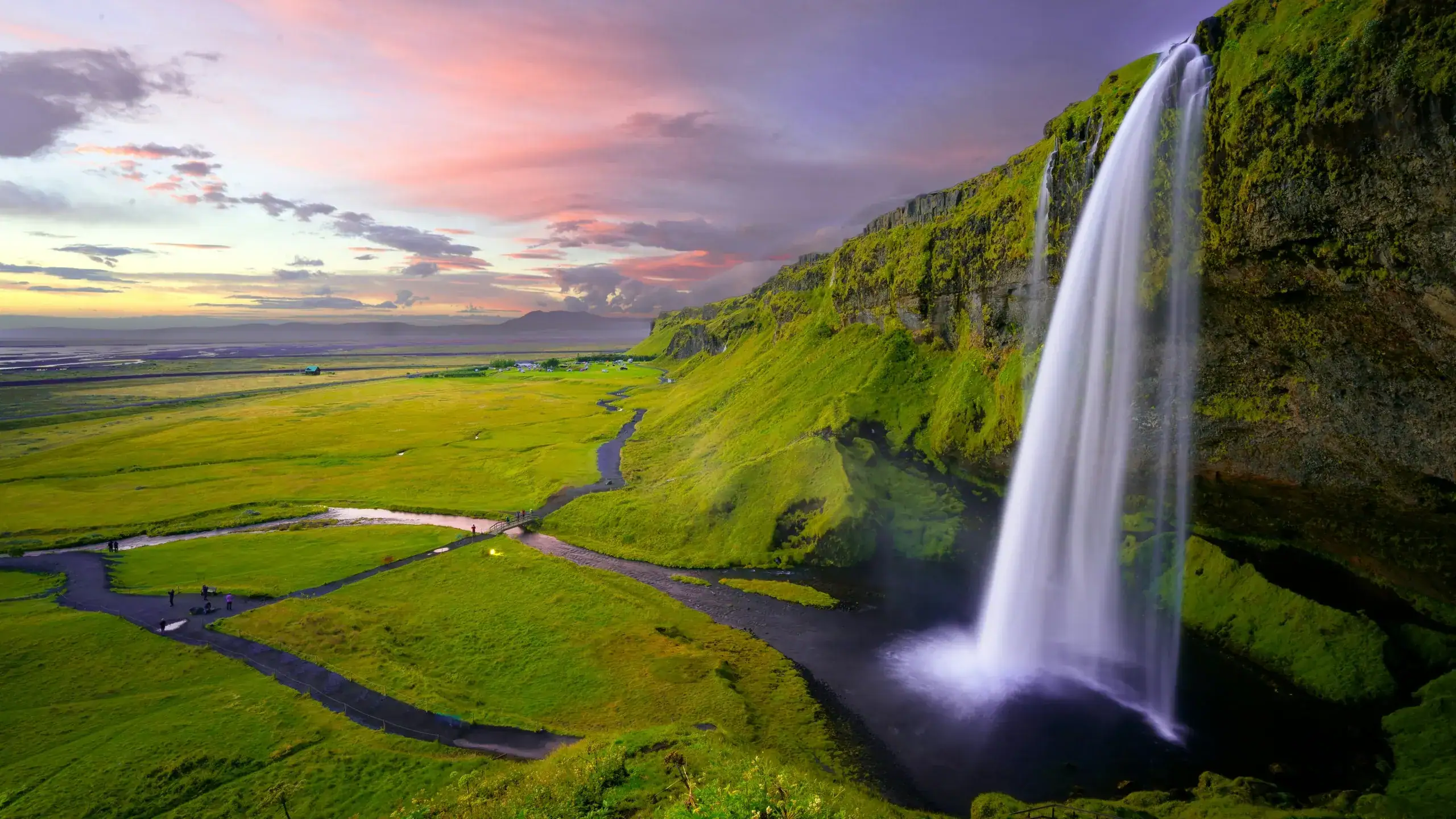
The Icelandic Highlands — the interior mountain plateau with volcanic landscapes, lava fields, and geothermal areas — are accessible only when the F-roads (mountain tracks requiring 4WD) are snow-free, typically late June to mid-September. July is the peak window: Landmannalaugar's multicoloured rhyolite mountains, Þórsmörk's volcanic valley, and the full Laugavegur hiking trail (55km, four days, one of Europe's great walks) are all fully operational. The trade-off: July Iceland has 24 hours of daylight (no aurora), and accommodation at popular trailheads requires booking 6+ months ahead. The puffins are at peak nesting in July — Látrabjarg cliffs in the Westfjords has the most accessible puffin viewing in Europe.
The crowd-beating alternatives to Mediterranean July
For travellers who want Mediterranean-quality weather and Mediterranean food culture without Mediterranean July pricing: Japan's Hokkaido island peaks in July with lavender fields around Furano that rival Provence, and the northern island's summer is cool (18–22°C) while the rest of Japan is hot and rainy. Morocco's Atlantic coast (Essaouira, Agadir) has July temperatures of 22–25°C cooled by the Atlantic Trade Winds — completely different from the 40°C interior. Portugal's Azores archipelago in July: subtropical, nearly rain-free in July, with whale watching, volcanic crater lakes, and hot spring bathing — and prices 40% below mainland Portugal in summer. Cape Verde's windward islands (São Vicente, Santo Antão) are maintained at 22–24°C year-round — truly crowd-free alternatives with good beaches and Portuguese colonial charm.

Southern Hemisphere July: Cape Town and Queenstown
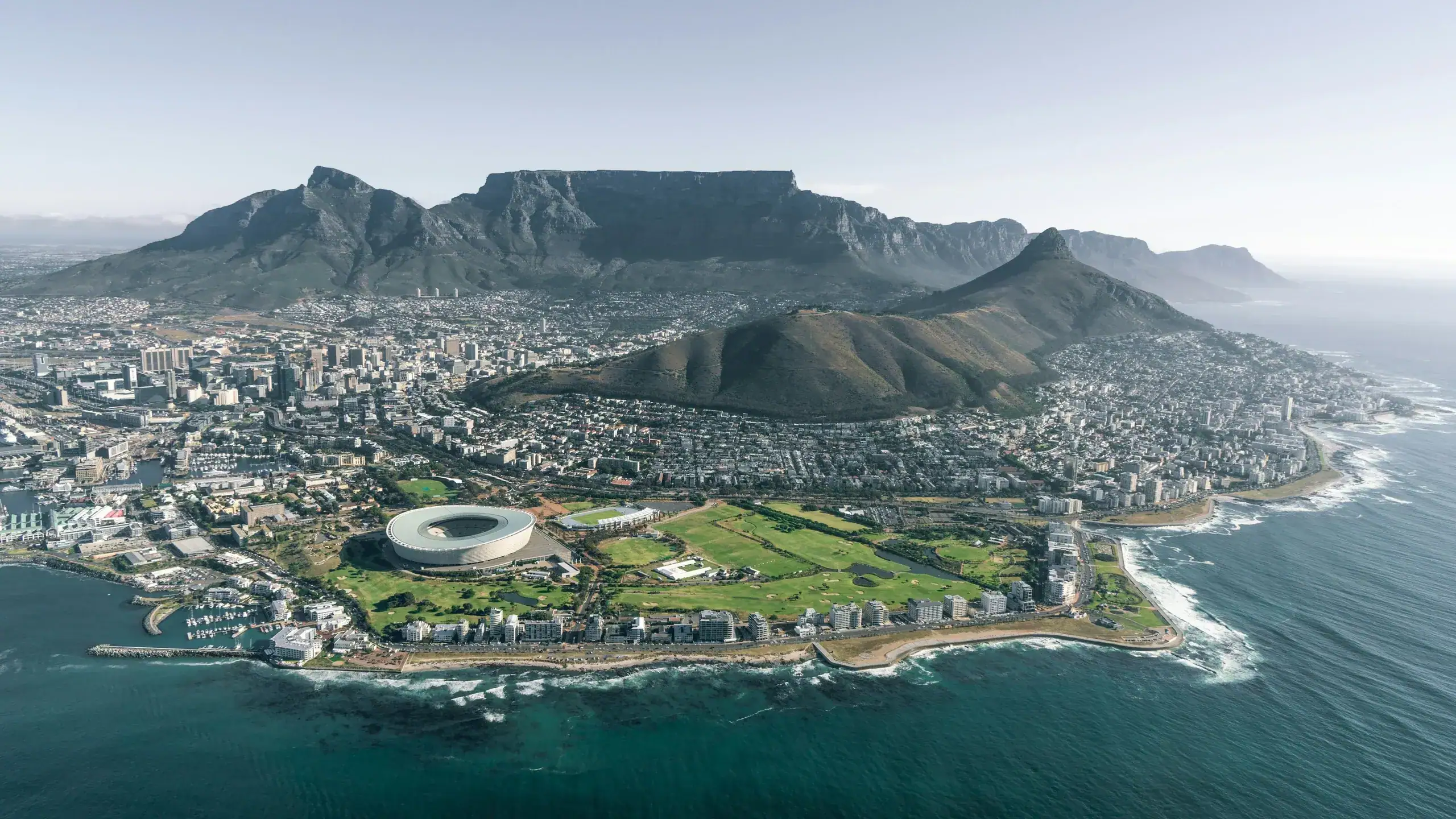
July is mid-winter in the Southern Hemisphere, which is exactly what makes Cape Town and New Zealand interesting. Cape Town's 'winter' (May–August) is cool and occasionally rainy but produces the cheapest accommodation of the year (40–50% below December peak), the best conditions for Cape Winelands visits, and the whale-watching season (southern right whales, Hermanus, June–November) at peak. Queenstown, New Zealand in July is ski season peak at The Remarkables and Coronet Peak — a proper ski mountain culture at Southern Hemisphere prices. Both cities are in their quietest tourist moment from the Northern Hemisphere perspective, which is part of the appeal.
Editor's tips
- Cape Town's Boulders Beach penguin colony is most accessible in winter when the penguin numbers are highest
- Queenstown ski passes purchased from NZ operators (Ikon Pass, Cardrona season pass) are 20–30% cheaper than comparable North American lift tickets
- July in Cape Town: pack layers — the southeaster wind is absent but the northwesterly winter storms are real. The city is functional and beautiful between storms.
Planning July when everyone else is too
July is difficult because so many travellers choose it, so the aim is to travel smartly. Book flights and accommodation as early as you can, and choose flexible fares when possible. Start each day early to enjoy popular sights before the crowds and the heat, and plan indoor activities for the hottest hours. Look for destinations at higher altitude or latitude, where the weather is cooler and the season is at its best. Consider midweek travel and lesser-known towns near famous places, which offer similar scenery with fewer people. Reserve restaurants and major attractions in advance, and expect queues even with tickets. Stay hydrated, use sun protection and take the heat seriously, particularly with children or older travellers. If you can travel in the shoulder months instead, you will save money and time, but if July is your only choice, careful planning makes it a good one.
Beating the heat and the crowds at the same time
July combines two problems, high temperatures and high demand, and the best responses address both. Start days early to visit popular sites before the crowds and heat, and plan an indoor break at midday. Choose destinations with altitude, latitude or sea breezes that soften the temperature, or where July is the best season for outdoor activity. Book accommodation and major attractions far ahead, and consider staying outside the busiest centres to save money and reduce noise. Travel on weekdays when possible, and use shoulder days around weekends for popular routes. Stay hydrated, use sun protection and take the heat seriously, particularly for children and older travellers. In some regions, storms and wildfire risk can affect plans, so check conditions and stay flexible. A well-chosen July destination can be excellent, but it rewards planning more than any other month.
Find the Best Flight Deals
Prices vary dramatically by month. Compare live fares from hundreds of airlines to lock in the cheapest window for your travel dates.
Where to Stay
From boutique guesthouses to luxury resorts, the accommodation you choose shapes the trip. Filter by neighbourhood, price, and guest rating to find your match.
Tours & Activities
Skip the tourist traps. Book directly with vetted local operators — skip-the-line access, small groups, and money-back guarantees included.
Frequently asked questions
Norway's fjords and Iceland are genuinely at their annual best in July — hiking trails fully open, midnight sun, F-roads accessible. The Pacific Northwest (Vancouver, BC coast) delivers its best weather. Hokkaido, Japan has lavender fields peaking and cool summer temperatures. These are July-specific recommendations rather than generic warm-weather picks.
July travel works when you let it work on its own terms: Iceland and Norway in their annual best window, Hokkaido when the lavender peaks, the Pacific Northwest when the weather finally cooperates, Southern Hemisphere winter destinations when everyone else goes in the opposite direction. The places July doesn't work: anywhere in Mediterranean Europe where you expect reasonable prices and manageable crowds. Those destinations work in May or September. July's job is to do the things only July does.
Get there
Flights
One search across 700+ airlines — find the real lowest fare for your dates.
Search flightsWhere to stay
Hotels
Browse verified hotels and stays — instant confirmation, secure booking.
Book on KKdayThings to do
Activities
Tours, attractions, and day trips — free cancellation on most experiences.
Book on KlookTours & Experiences
Book the experiences, not just the trip
Skip-the-line tickets, guided tours, and day trips — free cancellation on most, confirmed instantly.
About the author
Camille Laurent
Senior Travel Editor · Based in Lisbon · Bali
Camille has spent the last 9 years living in or reporting from over 60 countries. Former contributor to Condé Nast Traveler and Monocle, she focuses on Southeast Asia, Mediterranean Europe, and the Middle East. Currently based between Lisbon and Bali.
Read next — destinations

More from The Edit

When to Go
Best Places to Travel in June 2026 — The Month That Gets Everything Right
June is the most underused month of the summer travel season. Before schools break up in most countries, before prices spike, and before peak crowds arrive — June often delivers the same destinations at their quietest and most atmospheric.
10 min read
When to Go
Best Places to Travel in August 2026 — Where Peak Season Actually Works in Your Favour
August is the worst month to visit most famous destinations. It's also the only month for Norway's midnight sun hiking, Scotland's Highland Games season, and Hokkaido's lavender fields. Here's how to use August correctly.
10 min read

When to Go
Best Time to Travel to Iceland — A Season-by-Season Honest Guide
Puffins, aurora, midnight sun, and the Laugavegur trek don't share a season. Iceland in summer and Iceland in winter are two different countries — here's which one you're actually booking.
11 min read