
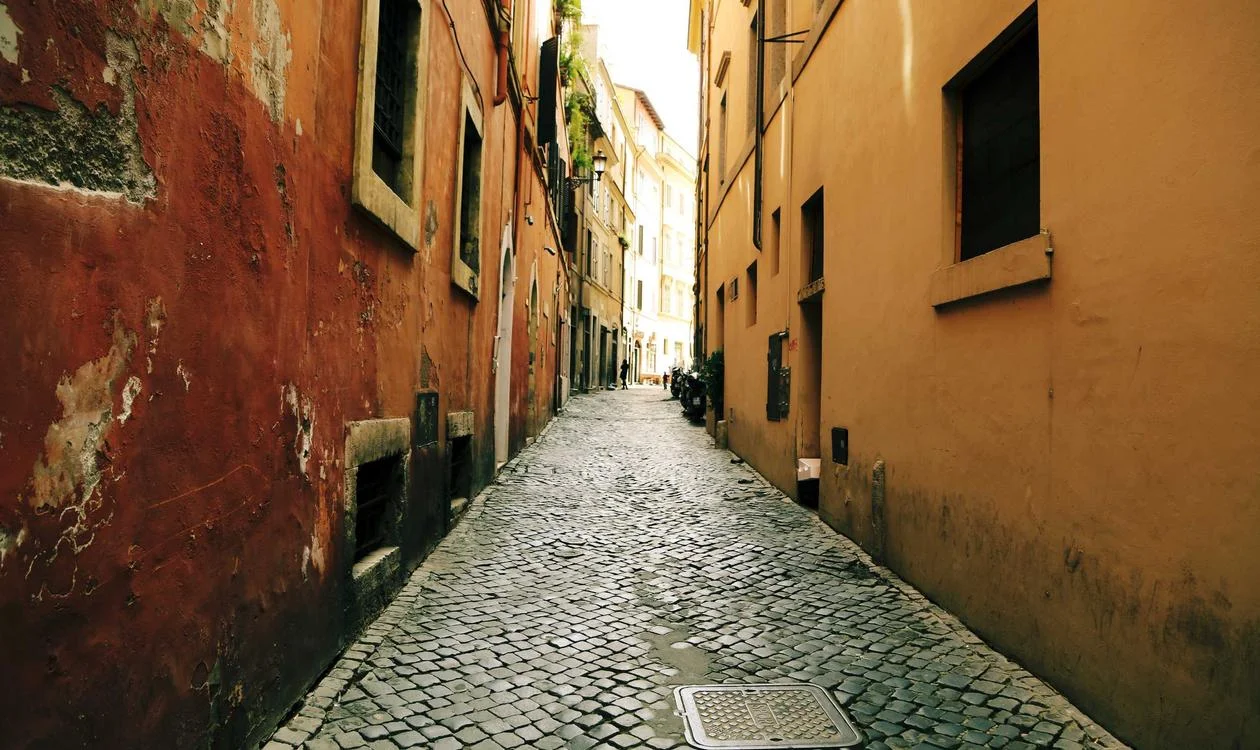
Best Time to Travel to Portugal in 2026 — An Honest Month-by-Month Guide for Every Region
Portugal's four regions — Lisbon, Porto, the Alentejo, and the Algarve — each have a different best month. The answer that works for a beach holiday in the south is wrong for a wine weekend in the Douro. Here's the breakdown.
Portugal's north and south have different climates, different characters, and different best seasons. The Algarve's cliffed Atlantic beaches perform best in summer. Porto's granite-and-azulejo riverside is most atmospheric in autumn and winter rain. Lisbon works across all seasons but is most itself in October–November. The Alentejo's cork oak plains are best in spring wildflower season and early autumn. Building a Portugal trip around a single 'best time' answer produces the wrong framework — the question should be 'best time for which Portugal?'
Planning this trip?
Find flights now
Compare prices across 700+ airlines and OTAs in one search — find the real lowest fare without the inflated middleman markup.
Search flightsNeed a place to stay?
Search hotels
Matching your month to the kind of trip
Portugal rewards travellers who choose the month according to what they want to do. Beach holidays suit the warm months, though the peak of summer brings crowds and higher prices, so late spring and early autumn offer a better balance. City breaks in Lisbon and Porto work across most of the year, and cooler months add fewer queues and lower hotel rates, with a greater chance of rain. Hikers and cyclists tend to prefer spring and autumn, when temperatures are comfortable and landscapes are green or golden. Wine lovers should consider the harvest season in the Douro, while festival fans can build a trip around local celebrations, which raise prices and fill hotels. The Atlantic influences weather everywhere, so pack layers whatever the month, and check sea conditions before planning water activities. If you are unsure, aim for shoulder season: it gives the best mix of weather, prices and space to enjoy the country.
Regional weather quirks and what to pack
Portugal's Atlantic position produces quick weather changes, so pack for variety in any month. Lisbon and the coast can be breezy and cool in the evening even in summer, while the interior and the Alentejo can be very hot in July and August, with temperatures that make midday sightseeing unpleasant. The north is greener and wetter, so a rain jacket is sensible outside summer. Sea temperatures on the Atlantic coast stay cool compared with the Mediterranean, which surprises beach visitors, and the Algarve's south-facing coast is milder than the west. Surf and swell make some west-coast beaches unsuitable for swimming, so follow flags and lifeguard advice. Comfortable shoes matter in cities with steep, polished stone streets, which become slippery when wet. Book popular tram rides, monuments and restaurants ahead in busy months, and check opening days, as some places close on a fixed weekday. With flexible plans and layers, most months can produce a good trip.
Lisbon: the city that works in any season
Lisbon has 300 days of sunshine annually (the highest of any European capital) and works reasonably well every month. The optimal windows: September–October combines post-summer warmth (22–26°C) with cleared tourist infrastructure and hotel prices 25–35% below August. January–February have the lowest prices, most local atmosphere (the city's fado venues, neighbourhood tascas, and weekday markets are populated by residents rather than tourists), and mild temperatures (12–15°C) that make walking the hills comfortable. July–August works but hotel prices peak and Sintra (30 minutes by train, visited by almost every Lisbon visitor) becomes legitimately overcrowded. The specific Lisbon advice: the Alfama neighbourhood (São Jorge Castle, Miradouro da Graça, the Feira da Ladra flea market on Tuesdays and Saturdays) is more rewarding in any off-peak month than the top-of-season version.
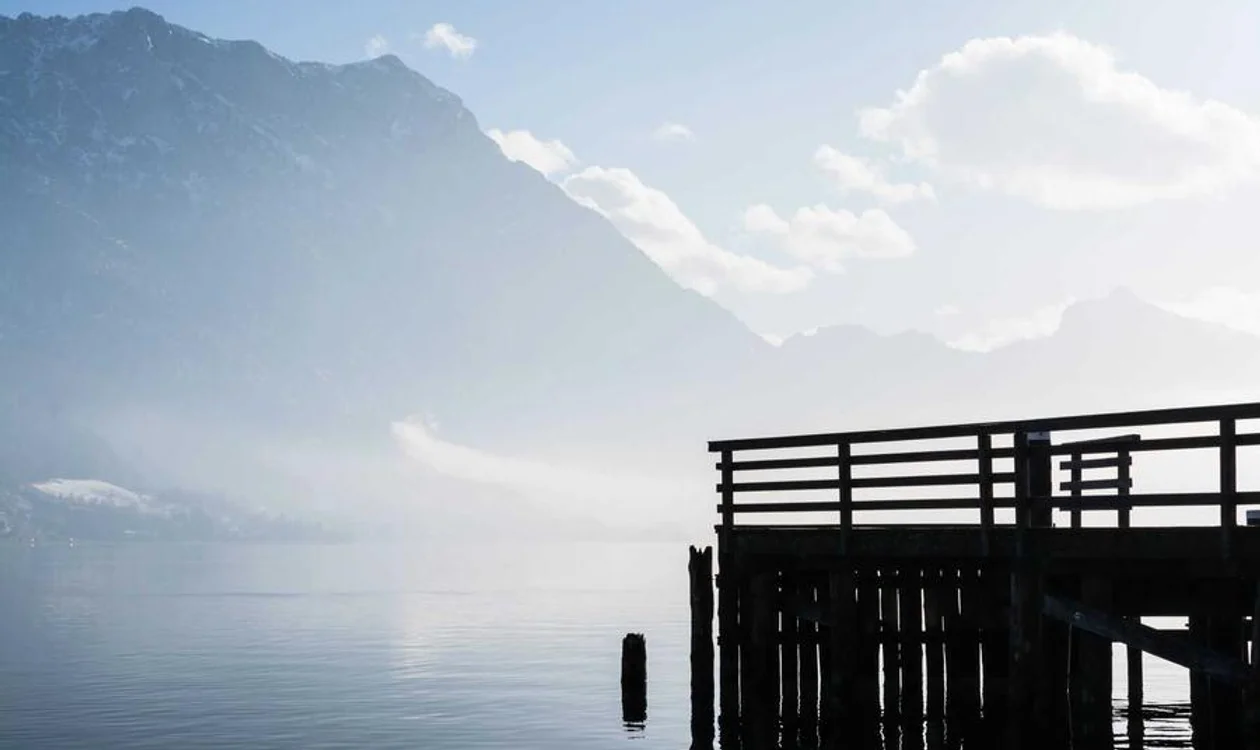
The Algarve: June is better than August
The Algarve's cliff-and-cove coastline (Ponta da Piedade, Praia da Marinha, the Benagil Cave) is at its technical best in July–August — warmest water (22–24°C), all boat tours running, every beach club operational. But the experience in August comes with maximum European tourist density: Praia da Marinha's sea caves are photographed by 500 people a day, the Benagil boat tour queues are 60+ minutes, and accommodation prices at anything with sea views is doubled. June delivers 24–26°C water, virtually identical swimming, all the same boat tours, and 30% lower accommodation costs. May is cooler (21–23°C) but the Algarve's spring wildflowers (sea daffodils, bladder campion, sea lavender) across the cliffside walking trails are worth the degree or two of warmth difference.

Porto and the Douro: September's harvest window
Porto's Ribeira waterfront and the Port wine lodges of Vila Nova de Gaia are functional year-round, with the caves (Taylor's, Graham's, Sandeman, Ramos Pinto) offering wine-experience visits regardless of season. The Douro Valley — 2 hours east of Porto by train, one of the world's most dramatic wine landscapes with terraced vineyards descending to the river — is specifically best in September–October during the vindima (grape harvest). The terraces are at maximum colour (green turning gold), the quintas (wine estates) are operating harvest activities, and the September light on the Douro's curves is the most photogenic of the year. The Douro Valley in February has green terrace grass and bare vines — still beautiful, cheaper, and almost entirely domestic tourists.
Editor's tips
- The CP Douro Line train from Porto Campanhã to Pocinho (4 hours) is one of Europe's most scenic rail journeys — sit on the right side eastbound
- Quinta da Crasto, Quinta de la Rosa, and Quinta do Vallado all offer harvest-season tastings in September with advance booking
- Porto's Mercado do Bolhão (recently renovated) is the best food market stop — açorda, tripe stew, and pastéis de nata all excellent
The Alentejo: spring wildflowers and autumn harvest
The Alentejo — Portugal's largest region, a landscape of cork oak, olive, and wheat under an enormous sky — has two best windows. March–April delivers the wildflower bloom across the plains: orange poppies, yellow lupins, pink cistus, and blue irises across hectares of otherwise dry landscape. September–October delivers the olive harvest, the wine harvest from the increasingly celebrated Alentejo DOC vineyards, and temperatures that have dropped to a comfortable 22–25°C from the brutal summer (40°C is not uncommon in July). The Alentejo's main centres — Évora (Roman temple, medieval wall, the bone chapel of São Francisco) and Marvão (a cliff-top castle town looking into Spain) — are accessible year-round but most rewarding in the shoulder months.
Find the Best Flight Deals
Prices vary dramatically by month. Compare live fares from hundreds of airlines to lock in the cheapest window for your travel dates.
Frequently asked questions
September–October for most travellers: post-summer warmth (22–26°C), accommodation 25–35% below August peak, Douro Valley wine harvest, and cleared tourist infrastructure. May is the best alternative (spring conditions, lower prices than summer). January–February for city travel (lowest prices, most local atmosphere).
Portugal's best time is September–October for most travellers who want a combination of warmth, functionality, and reasonable prices across the country's four main travel zones. May is the best alternative for budget travellers and beach-focused visitors who can live with 2°C less water temperature. January–February rewards city travellers specifically (Lisbon and Porto are good in winter). July–August is functional everywhere but overcrowded at Sintra, peak-priced along the Algarve, and too hot in the Alentejo. The Douro harvest window in September is the one experience that makes the month specifically optimal and worth planning around.
Get there
Flights
One search across 700+ airlines — find the real lowest fare for your dates.
Search flightsWhere to stay
Hotels
Browse verified hotels and stays — instant confirmation, secure booking.
Book on KKdayThings to do
Activities
Tours, attractions, and day trips — free cancellation on most experiences.
Book on KlookTours & Experiences
Book the experiences, not just the trip
Skip-the-line tickets, guided tours, and day trips — free cancellation on most, confirmed instantly.
About the author
Camille Laurent
Senior Travel Editor · Based in Lisbon · Bali
Camille has spent the last 9 years living in or reporting from over 60 countries. Former contributor to Condé Nast Traveler and Monocle, she focuses on Southeast Asia, Mediterranean Europe, and the Middle East. Currently based between Lisbon and Bali.
Read next — destinations
More from The Edit
Hotel Picks
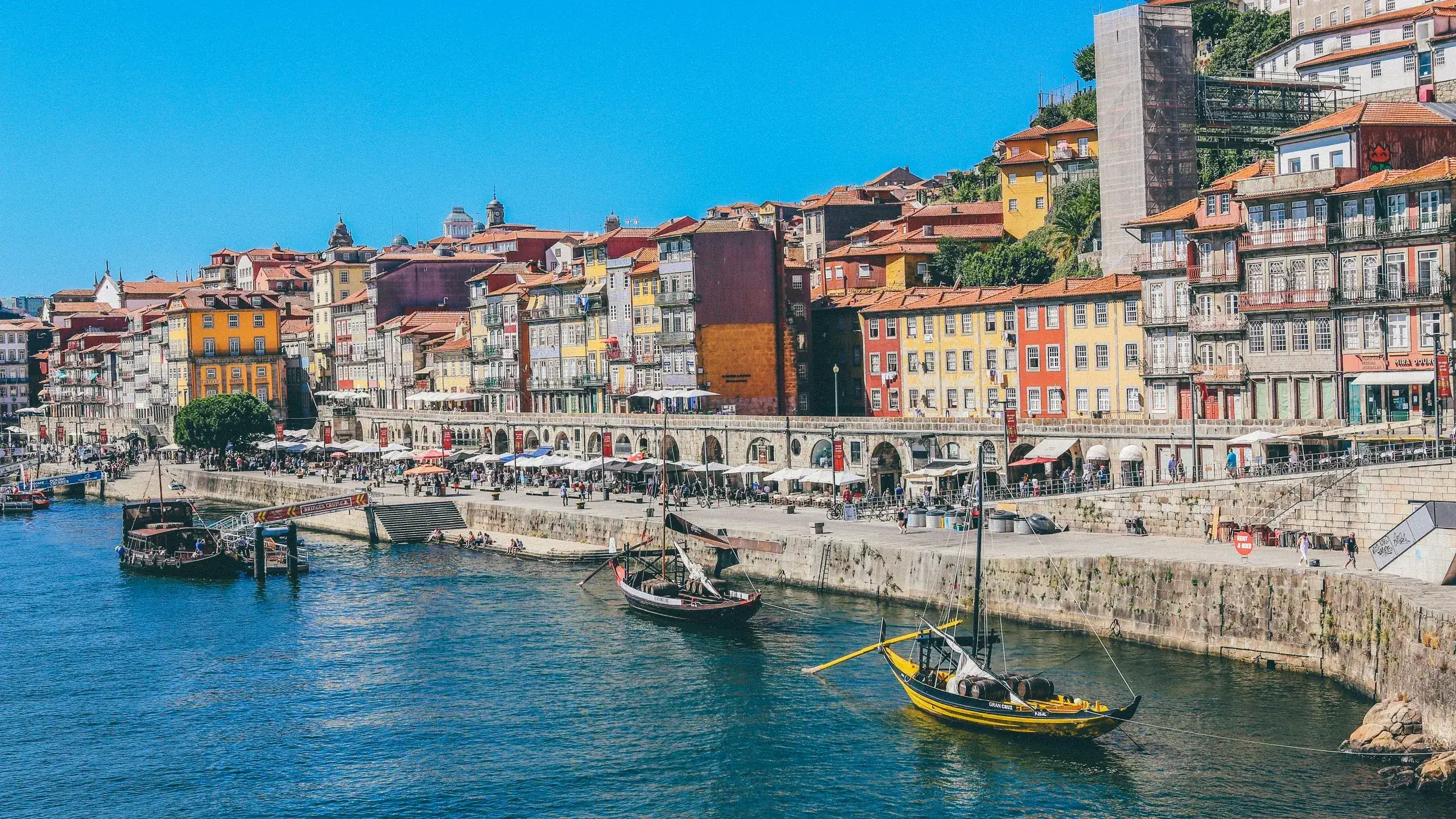
Best Boutique Hotels in Lisbon Under €250 a Night
Lisbon's boutique hotel scene has caught up with Berlin and Barcelona — but the properties worth your money still cluster between €120 and €250. Six we'd book, one we wouldn't mention to a competitor.
9 min read
When to Go
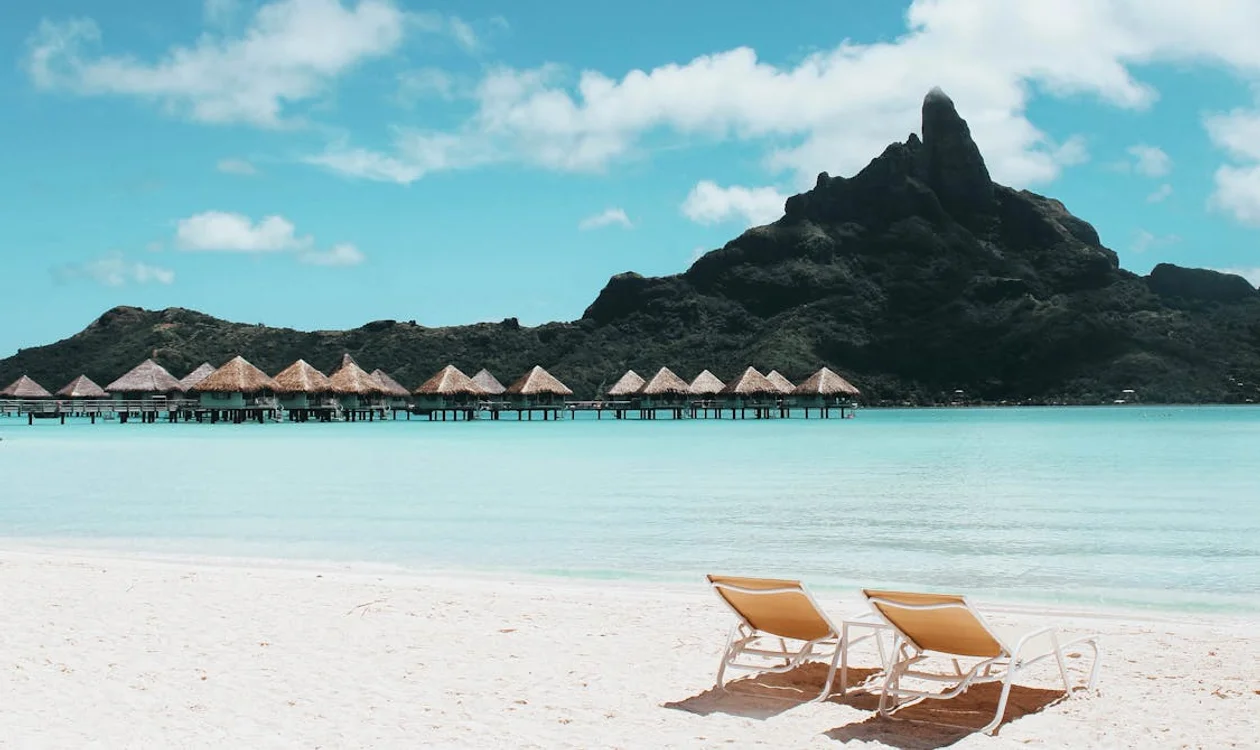
Best Places to Travel in Europe in 2026 — The Honest Region-by-Region Guide
Europe has 44 countries and approximately 10,000 guidebooks telling you to go to the same six cities. Here is the framework for finding the version of Europe that actually matches what you want — by season, budget, and what kind of traveller you are.
13 min read

When to Go
Best Places to Travel in May 2026 — The Month When Most of the World Gets It Right
May is the single most consistent month in the travel calendar. The shoulder season is ending but school holidays haven't started. Prices are below June. The Mediterranean is warm. Japan's crowds have cleared. Here is where May consistently overdelivers.
10 min read