
Best Time to Travel to Iceland — A Season-by-Season Honest Guide
Puffins, aurora, midnight sun, and the Laugavegur trek don't share a season. Iceland in summer and Iceland in winter are two different countries — here's which one you're actually booking.
Iceland is one of the few destinations where the answer to 'when should I go?' genuinely depends on what you want the trip to be. Summer Iceland and winter Iceland are not just different in terms of temperature and light — they're structurally different trips with almost non-overlapping activity menus. Puffins (May–August) don't share a season with the Northern Lights (September–March). The Laugavegur trek (July–September) doesn't share a season with the ice caves that require safe access (November–March). Getting the timing right starts with deciding what the trip is actually for.
Planning this trip?
Find flights now
Compare prices across 700+ airlines and OTAs in one search — find the real lowest fare without the inflated middleman markup.
Search flightsNeed a place to stay?
Search hotels
Summer (June–August): the full Iceland
Summer is the version of Iceland that opens the most doors. The midnight sun means 22+ hours of daylight at the June solstice — the sky doesn't fully dark between mid-May and late July, which produces extraordinary flat golden light for photography at any hour and allows hiking at 11pm. The F-roads (mountain interior tracks requiring 4WD) open in late June or July depending on snowmelt, unlocking the Highlands — Landmannalaugar's rhyolite mountains, Þórsmörk's volcanic valley, the Laugavegur trail. Puffins arrive in May and nest through early August on the Westfjords, Snæfellsnes Peninsula, and the Westman Islands. Whale watching from Húsavík (humpbacks and minkes) peaks in June and July. The trade-offs: prices are at their annual peak, accommodation in Reykjavík is 50–80% above winter rates, the famous stops on the Ring Road (Skógafoss, Seljalandsfoss, Jökulsárlón) are genuinely crowded, and the aurora is completely absent (too much daylight).
Editor's tips
- Book highland accommodation (Landmannalaugar huts, Þórsmörk hostel) 6 months ahead — they sell out completely
- The midnight sun makes blackout curtains essential — most good Reykjavík hotels provide them
- Húsavík whale watching is better than Reykjavík's — the bay geography concentrates the whales
Winter (November–March): aurora, ice caves, and the harder road
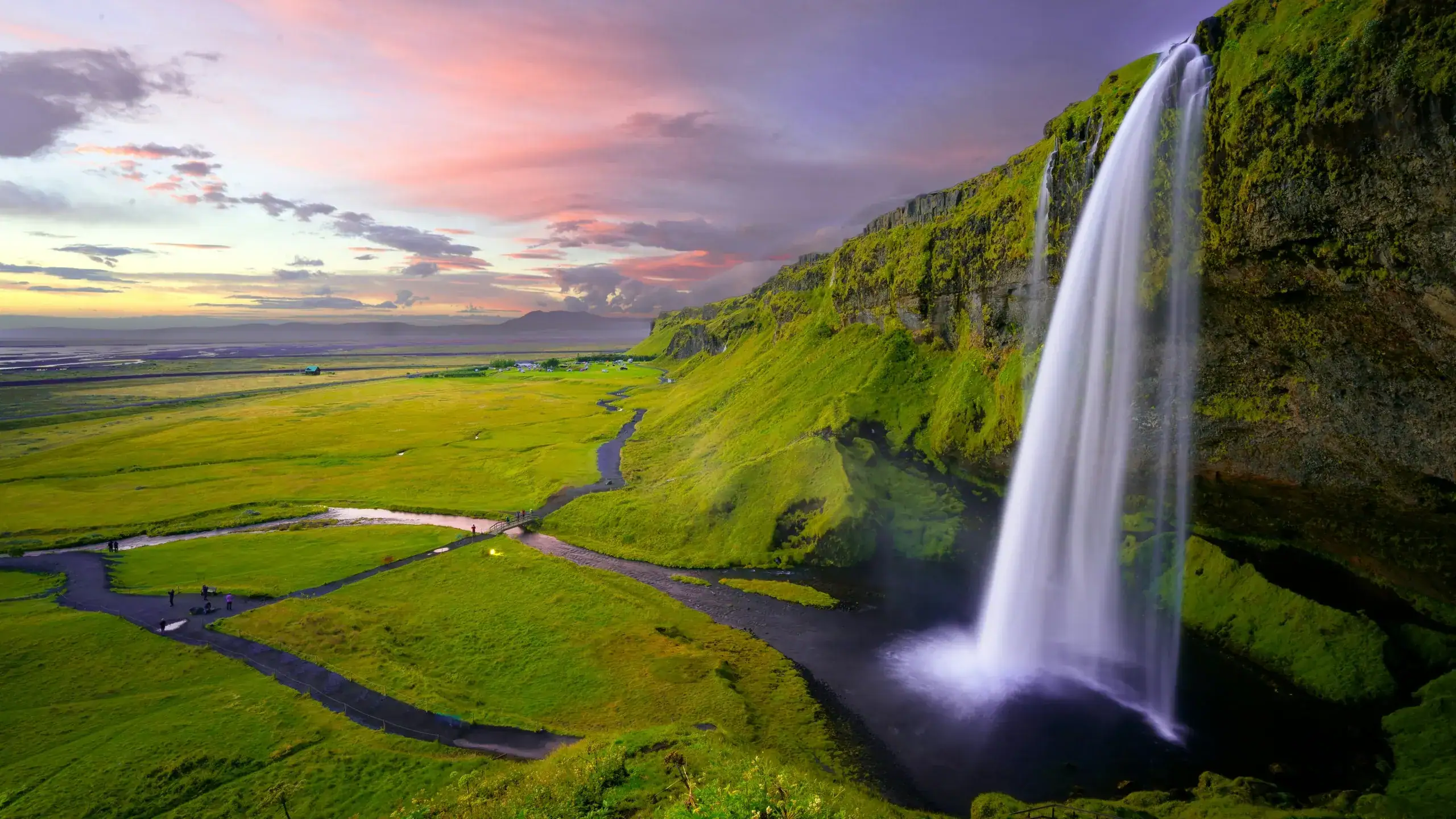
Winter Iceland is a different country. The road network narrows dramatically — mountain passes close, Ring Road sections can close for days after storms, and the Highlands are completely inaccessible. The compensation: the Northern Lights, and a version of Iceland that costs half the summer price and feels like a completely different experience. The aurora window is September 21–March 21 (the period with sufficiently dark nights at Iceland's latitude), with the statistical sweet spots in October and February. Glacier ice caves — accessible via guided tours from Jökulsárlón and Vatnajökull — are a winter-specific experience; the caves are safe for tours only when the ice is frozen (November–March). Driving in winter requires a 4WD rental (mandatory in Iceland anyway) and constant weather monitoring; the Safetravel.is app is the required pre-departure check. The crowds at summer landmarks like Seljalandsfoss and Skógafoss thin dramatically; the waterfall photographs in January light, with ice fringing the falls, are some of Iceland's most striking.
Editor's tips
- Safetravel.is is the official road condition app — check it before every day of driving in winter
- A 4WD rental is legally required in Iceland in winter; automatic isn't essential but makes icy road driving less stressful
- Ice cave tours book out 4–6 weeks ahead for the December–February peak window
Spring (April–May): waterfalls at full volume, fewer crowds
Spring is the underrated Iceland season. April and May see the snowmelt from the highland interior pushing massive volumes of water through every valley — the waterfalls at Seljalandsfoss, Skógafoss, Svartifoss, and along the south coast are at their highest and most dramatic flow. The birds return in May: Arctic terns (aggressive but photogenic), puffins by mid-May. Hotel prices are 30–40% below peak summer. The Ring Road is fully drivable, but F-roads remain closed until late June — the highland interior is not yet accessible. Aurora is still possible in April (dark nights until about April 20) but the probability drops as the month progresses. Spring is the best window for visitors who want the landscape (and specifically the waterfalls) without the summer crowd. The catch: Icelandic spring weather is genuinely unpredictable — sleet, sun, snow, and hail can all appear in a single afternoon.
Autumn (September–October): the aurora-hiking overlap
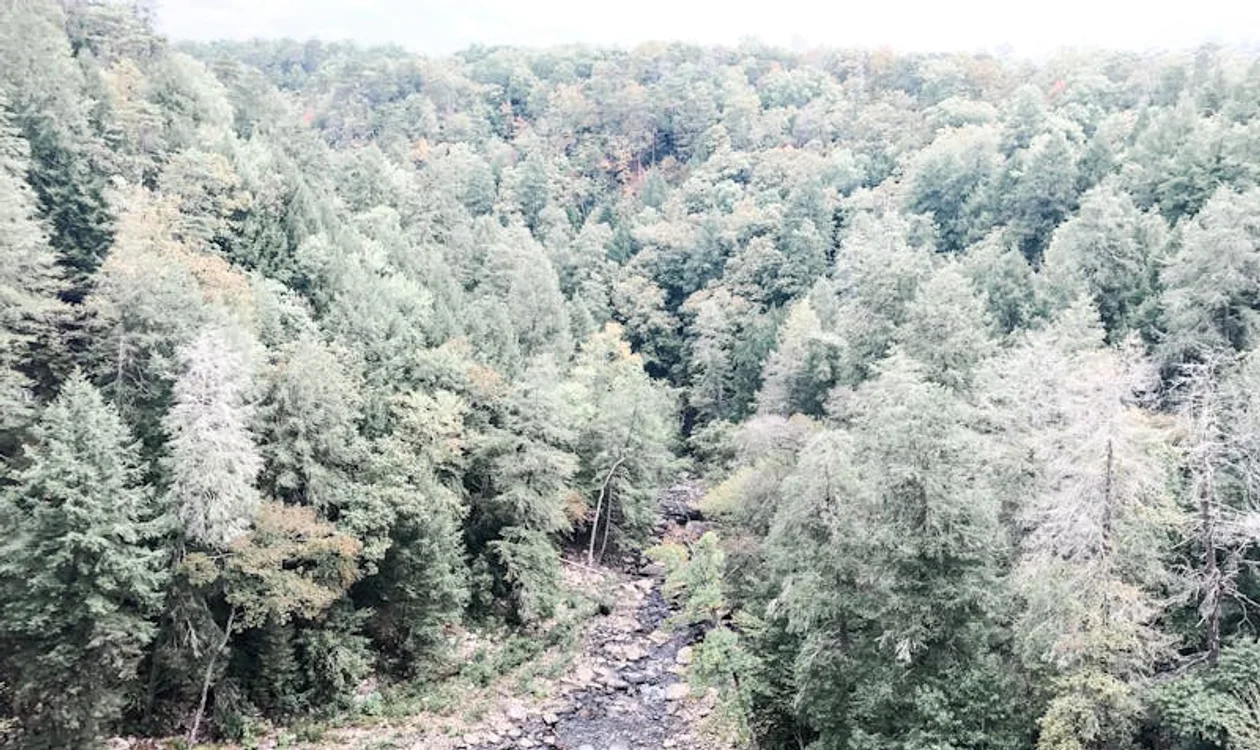
Late September and October are the best window for travellers who want two things at once: hiking (the trails are still accessible in early September) and aurora (the nights darken enough for aurora by late September). The Laugavegur trek runs until early September; the F-roads close progressively through October. The autumn colours on the highland vegetation (Arctic heather, dwarf birch, moss turning russet) are at their peak in September. Hotel prices have already dropped 25–35% from the July peak. The aurora probability increases through October as nights lengthen. This is the window I'd recommend to a traveller who can only visit Iceland once and wants a single trip that shows multiple facets of the country.
Editor's tips
- Book Laugavegur hut slots by April for September treks — the early September slots sell out first
- The Fimmvörðuháls trail (connects Skógafoss to Þórsmörk) is doable in a single long day and doesn't require hut pre-booking until mid-season
- September aurora forecasts are less reliable than winter (fewer dark hours) — plan for at least 4 nights for a reasonable probability
Reykjavik year-round: the city that works in any season
Reykjavik as a city works well in every season — the restaurant scene, the bar culture, the museum infrastructure (the National Museum, the Perlan science museum, the Harpa concert hall) are all open year-round. The city's geothermal pool culture (the Sundhöll, Vesturbæjarlaug) is better in winter, when the steam rising off open-air pools into cold air is a specific pleasure unavailable in summer. The new Sundlaugin Laugardalslaug recently renovated complex is the best public pool in Iceland and open 365 days. The domestic music scene (jazz, electronic, indie) is more active in winter, when the tour circuit is quieter and local acts are performing at the venues.
Find the Best Flight Deals
Prices vary dramatically by month. Compare live fares from hundreds of airlines to lock in the cheapest window for your travel dates.
Where to Stay
From boutique guesthouses to luxury resorts, the accommodation you choose shapes the trip. Filter by neighbourhood, price, and guest rating to find your match.
Tours & Activities
Skip the tourist traps. Book directly with vetted local operators — skip-the-line access, small groups, and money-back guarantees included.
Frequently asked questions
It depends on what you want. For Northern Lights: October–March. For midnight sun and puffins: June–July. For hiking (Laugavegur trek): July–early September. For waterfalls at peak flow: April–May. For best value: May or October. There is no single 'best' month — every season has something the others don't.
The honest answer to 'when to go to Iceland' is a question back: what specifically do you want? Northern Lights → October–February. Midnight sun and puffins → June–July. Hiking the highlands → July–early September. Waterfalls at full volume → May. Best value overall → May or October. The travellers who enjoy Iceland most are the ones who build the trip around the specific season they've chosen, rather than trying to cover all seasons in one visit. Iceland in any season is extraordinary. Iceland in your season is transformative.
Get there
Flights
One search across 700+ airlines — find the real lowest fare for your dates.
Search flightsWhere to stay
Hotels
Browse verified hotels and stays — instant confirmation, secure booking.
Book on KKdayThings to do
Activities
Tours, attractions, and day trips — free cancellation on most experiences.
Book on KlookTours & Experiences
Book the experiences, not just the trip
Skip-the-line tickets, guided tours, and day trips — free cancellation on most, confirmed instantly.
About the author
Camille Laurent
Senior Travel Editor · Based in Lisbon · Bali
Camille has spent the last 9 years living in or reporting from over 60 countries. Former contributor to Condé Nast Traveler and Monocle, she focuses on Southeast Asia, Mediterranean Europe, and the Middle East. Currently based between Lisbon and Bali.
Read next — destinations
More from The Edit
Honest Take
Why We Stopped Recommending the Blue Lagoon (And What To Visit Instead)
It is among the photographed spots on earth, and it shows up on every Iceland 'top 10' list ever published. We took it off ours in 2024. Here's what we'd send you to instead.
9 min read
Travel Guides
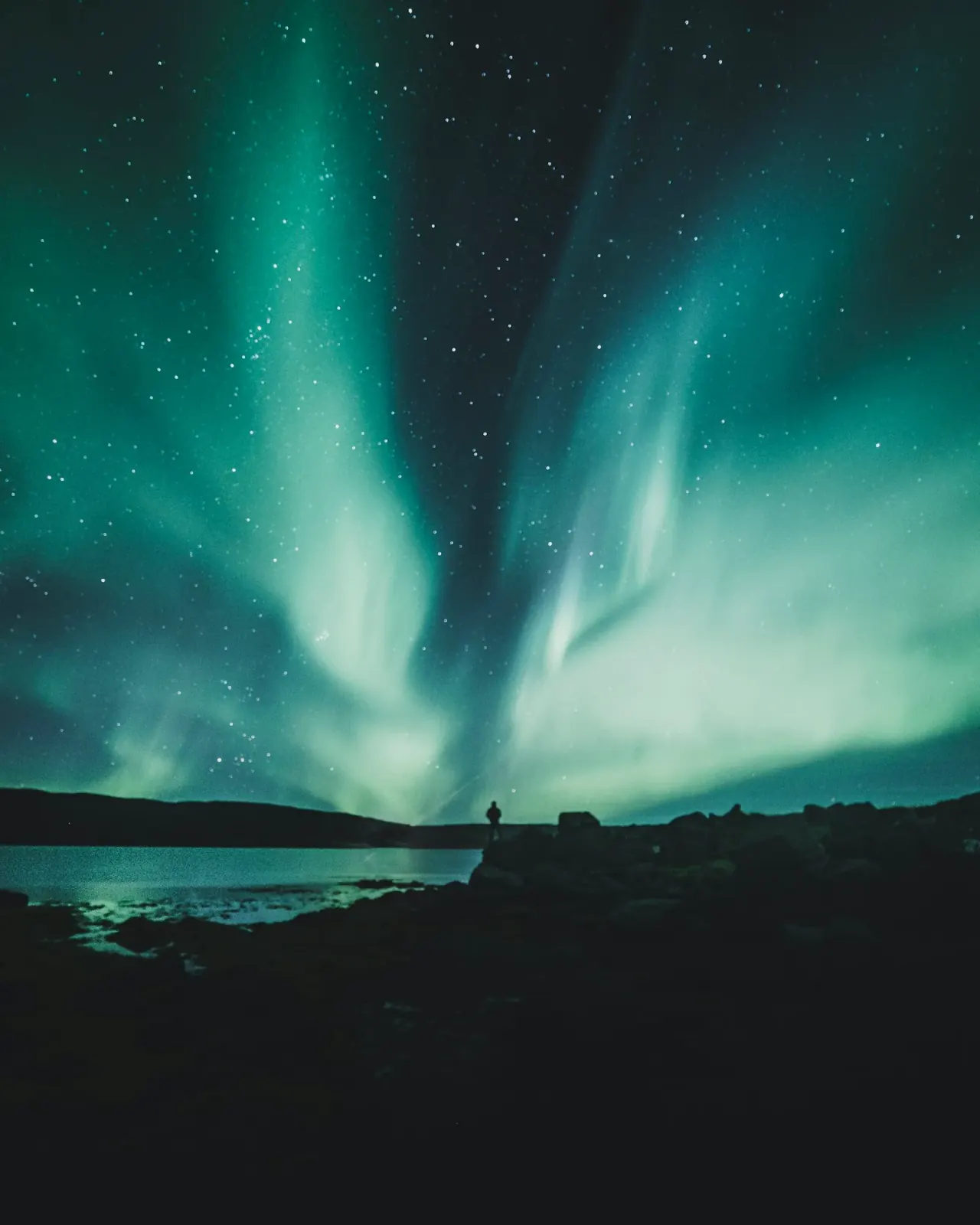
Iceland Northern Lights: When and Where to See Them (Realistically)
September through March is the technical window. Three things matter more than the dates: the cloud forecast, the kp index, and how far you're willing to drive at 11pm.
11 min read
When to Go
Best Time to Travel to Aruba in 2026 — The Island That Has Almost No Bad Months
Aruba sits outside the Caribbean hurricane belt, gets 22 inches of rain per year (less than Phoenix), and maintains a consistent 28°C year-round. The question isn't whether to go in summer — it's whether to avoid the specific windows when prices spike.
9 min read