
7 Days in Cape Town: The Honest Itinerary (Peninsula, Winelands, and What to Skip)
Seven days is enough time to understand why Cape Town appears on every list of the world's great cities — and to understand what those lists don't say. The peninsula alone takes two full days. The Winelands take one more. That leaves four for the city itself, which turns out to be exactly right.
Cape Town asks more of a visitor than most great cities. It is geographically complex — mountain, city, peninsula, wine valley — and culturally layered in ways that require time and willingness to leave the tourist districts. Seven days is enough to do this properly if you plan deliberately. What follows is the itinerary we would give a trusted friend: what to prioritise, what to skip, where to eat without paying tourist prices, and the safety realities that most guides omit. If you're planning further, our Best Time to Visit Cape Town guide and Best Boutique Hotels in Cape Town Under €300 guide cover the logical next steps.
Planning this trip?
Find flights now
Compare prices across 700+ airlines and OTAs in one search — find the real lowest fare without the inflated middleman markup.
Search flightsNeed a place to stay?
Search hotels
Days 1–2: The City Itself
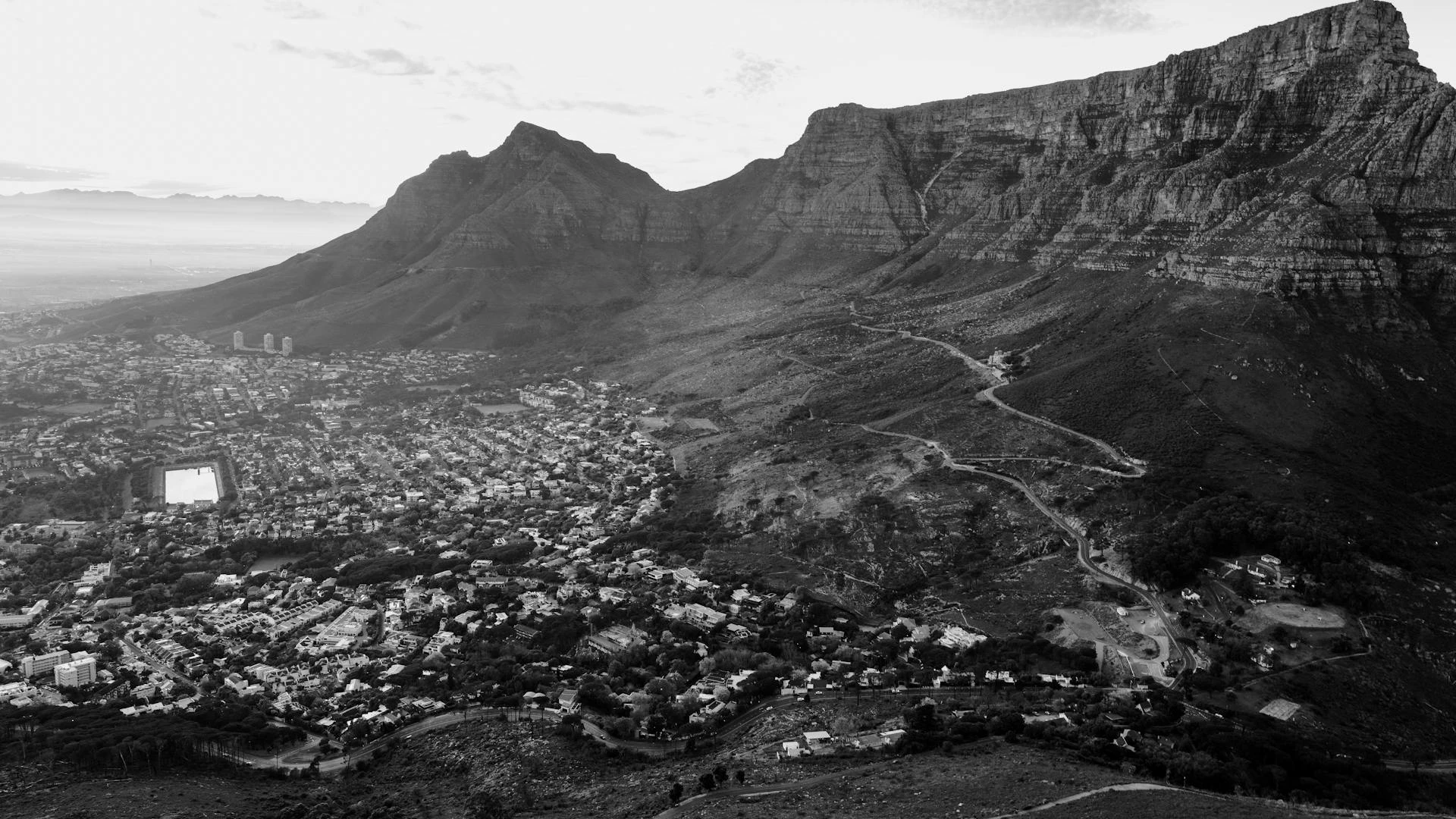
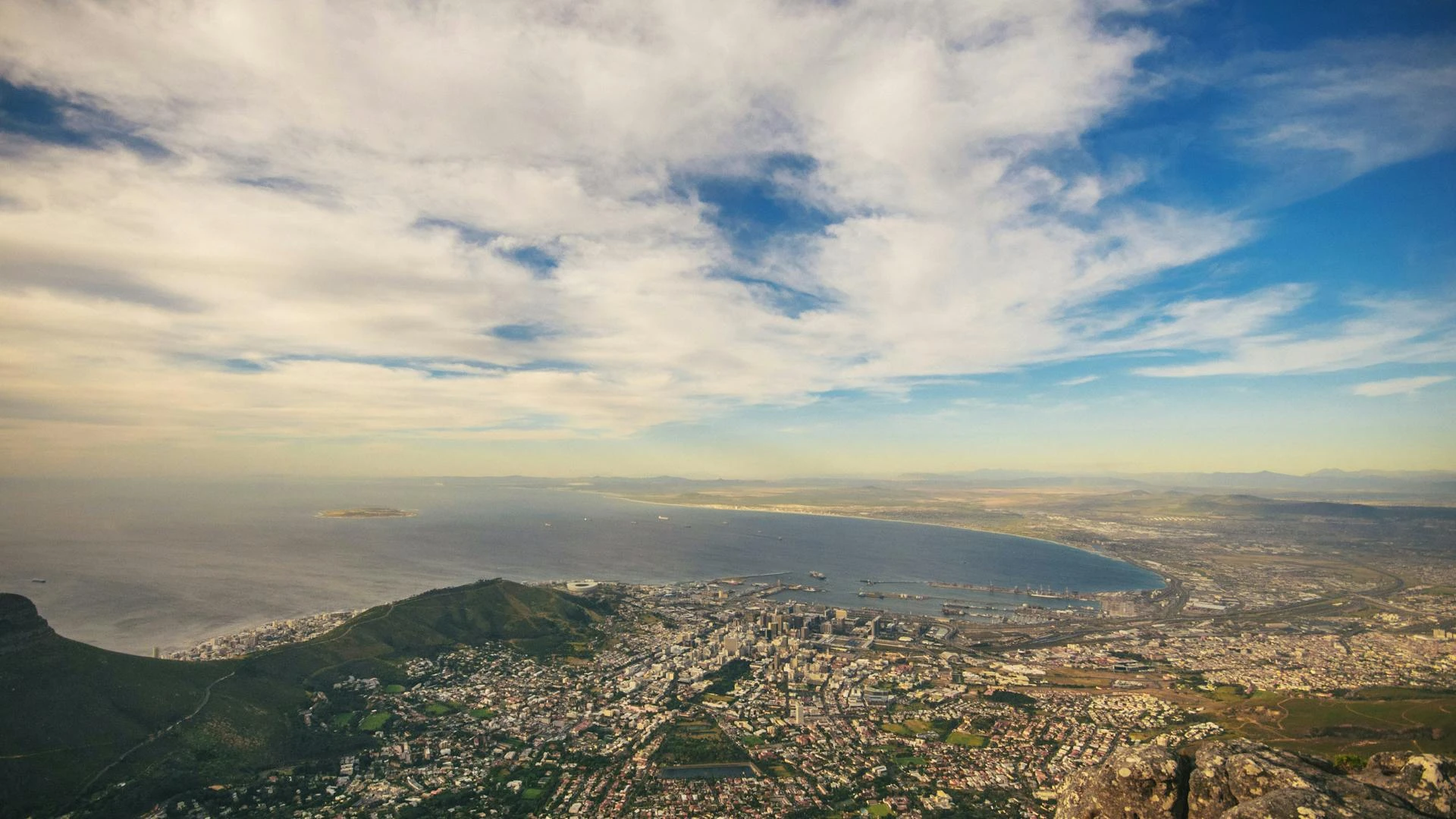
**Day 1:** Arrive and orient. If you land in the morning, walk the V&A Waterfront to shake off the flight, then take the afternoon to explore the Bo-Kaap — Cape Town's most photographed neighbourhood, a hillside of brightly-coloured Cape Malay houses above the city bowl. The Bo-Kaap Museum (small, inexpensive) provides context. Dinner in the Old Biscuit Mill area (Woodstock) — Pot Luck Club if you can get a reservation, Babel if you cannot. **Day 2:** Table Mountain. Take the cable car — do not hike up unless you specifically came to hike, and do not attempt it without a guide in the fog. Book cable car tickets online the evening before; they sell out. At the top, walk the eastern edge for the best city views, the western edge for Camps Bay and the Atlantic. Allow 2 hours up top. Afternoon: the Company's Garden, the South African Museum (free, genuinely good), the National Gallery. Evening in the City Bowl — Truth Coffee Brewing if you want the best flat white, Long Street if you want noise.
Day 3: Cape Peninsula Full Day
This is Cape Town's best day-trip and requires a full day. Rent a car or book a driver — the route is 150km and involves multiple stops. Leave by 8:30am. Drive south via Chapman's Peak Drive (the coastal road — it costs a small toll and is completely worth it). Stop at Noordhoek Beach if the morning is clear. Continue to Simon's Town for the African penguins at Boulders Beach — yes, it is touristy; no, it does not matter, because wild penguins 30cm from your feet is genuinely extraordinary. Cape Point in the afternoon. Walk up rather than taking the funicular — 20 minutes and the views from the lighthouse are better. The Cape of Good Hope is not actually Africa's southernmost point (that is Cape Agulhas, further east), but the geology here is dramatic enough that the distinction doesn't matter. Return via the False Bay coast — stopping at Kalk Bay for a late lunch at the Harbour House restaurant if the boats are in. Back to Cape Town by 6pm.
Day 4: Robben Island and the Waterfront
Robben Island is not a comfortable tourist experience. It is a former maximum-security prison where Nelson Mandela was held for 18 of his 27 years of imprisonment, and the tours are led by former political prisoners. The ferry crossing (40 minutes each way) and guided tour take most of a morning. **Book online 2–4 weeks in advance.** The morning tours (departing 9am and 11am) sell out first. Check availability at robben-island.org.za when you confirm your trip dates. Afternoon: the V&A Waterfront is worth a proper afternoon rather than a passing visit. The Zeitz Museum of Contemporary Art Africa (on the V&A) is the best contemporary art museum in Africa — allow 2 hours. The waterfront's restaurant strip is overpriced; walk 10 minutes into the Waterfront's working harbour area for the fish-and-chip shops that the local fishermen use.
Day 5: The Winelands
The Cape Winelands — an hour's drive from Cape Town — represent one of the world's most underrated wine regions. The estates are large, the scenery is dramatic (vineyards against mountain backdrops), and the wine quality has improved enormously in the past decade. **Stellenbosch** is the most accessible base and has the highest concentration of quality estates. The town itself is pleasant — colonial Dutch architecture, a functioning university that keeps the restaurants good. Eat at Terroir (at Kleine Zalze estate), which consistently produces some of the region's best farm-to-table cooking. **Franschhoek** is smaller, more French in character (Huguenot settlers, 17th century), and slightly more tourist-polished. The Franschhoek Motor Museum is worth an hour if old cars mean anything to you. Do not drive between estates after tastings — the mountain roads demand concentration and local police actively patrol. Use a dedicated wine-tour driver (several companies offer day rates from ZAR 1,200), or hire a designated driver from your accommodation.
Days 6–7: Neighbourhoods and Slowdown
**Day 6:** Spend the morning in De Waterkant and Green Point Market (Sunday) or Neighbourgoods Market (Saturday) at the Old Biscuit Mill in Woodstock. Both are worth arriving at by 9:30am — they thin out after noon. Afternoon at Camps Bay Beach if the weather is right (Cape Town's weather is famously unpredictable — check the forecast the night before). Evening: Signal Hill for sunset with a picnic, or Bao Down in the city centre if you want the best Asian-South African fusion in Cape Town. **Day 7:** Kalk Bay — the fishing village on the False Bay coast that manages to be genuinely characterful rather than tourist-preserved. The Red Herring restaurant for a late breakfast, the antique shops and bookshops on Main Road in the afternoon. If you have energy, the St James Tidal Pool is one of Cape Town's most pleasant spots on a warm day. Back to the city for a final dinner at The Test Kitchen (if you planned ahead and have a reservation) or any of the Bree Street restaurants that remain consistently good.
Frequently asked questions
Seven days is the sweet spot for Cape Town. It gives you 2–3 days for the city core (Table Mountain, V&A Waterfront, Bo-Kaap, District Six Museum), 1–2 days for the Cape Peninsula (Cape Point, Boulders Beach penguins, Chapman's Peak drive), and 1–2 days for the Winelands (Stellenbosch, Franschhoek). Extending to 10–14 days adds the Garden Route eastward or a safari detour to Kruger — genuinely different trips that pair well but aren't extensions of the Cape Town experience.
Seven days is enough to leave Cape Town feeling like you understood it rather than having photographed it. The mountain anchors everything — it is always visible, always changing colour, always providing orientation. The peninsula is a day's drive unlike any other. The Winelands are a exceptional wine experience that most visitors underestimate. The city's neighbourhoods, when you move between them rather than staying in one, tell a social history that every museum in the city is also telling. Go slowly. Eat where locals eat. Book Robben Island before anything else.
Get there
Flights
One search across 700+ airlines — find the real lowest fare for your dates.
Search flightsWhere to stay
Hotels
Browse verified hotels and stays — instant confirmation, secure booking.
Book on KKdayThings to do
Activities
Tours, attractions, and day trips — free cancellation on most experiences.
Book on KlookTours & Experiences
Book the experiences, not just the trip
Skip-the-line tickets, guided tours, and day trips — free cancellation on most, confirmed instantly.
About the author
Camille Laurent
Senior Travel Editor · Based in Lisbon · Bali
Camille has spent the last 9 years living in or reporting from over 60 countries. Former contributor to Condé Nast Traveler and Monocle, she focuses on Southeast Asia, Mediterranean Europe, and the Middle East. Currently based between Lisbon and Bali.
More from The Edit
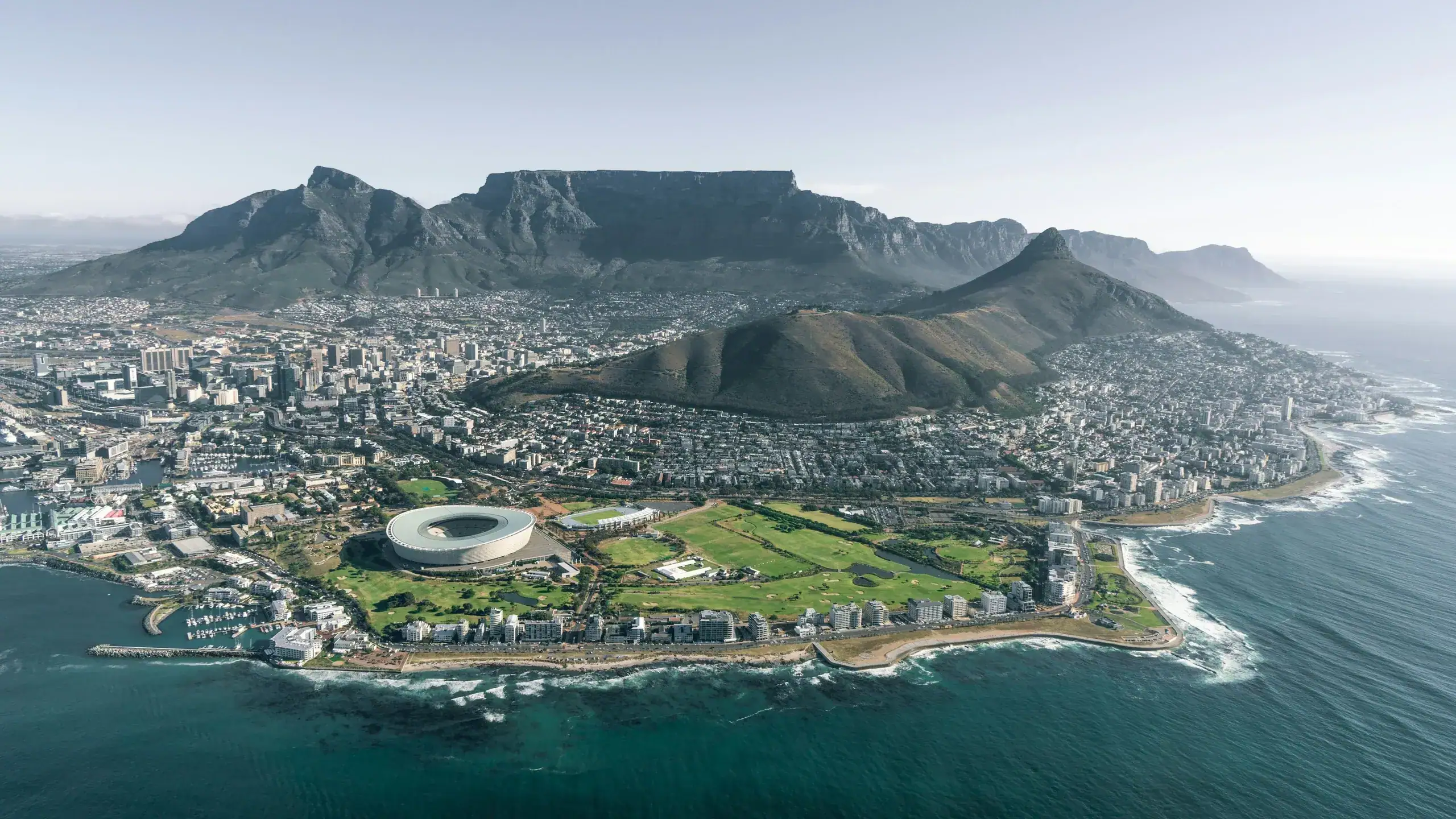
When to Go
Best Time to Visit Cape Town — A Southern Hemisphere Calendar That Most Northern Travellers Get Wrong
December through February is summer, June through August is winter, and the best three weeks of the year are not the ones any guidebook tells you to book.
9 min read
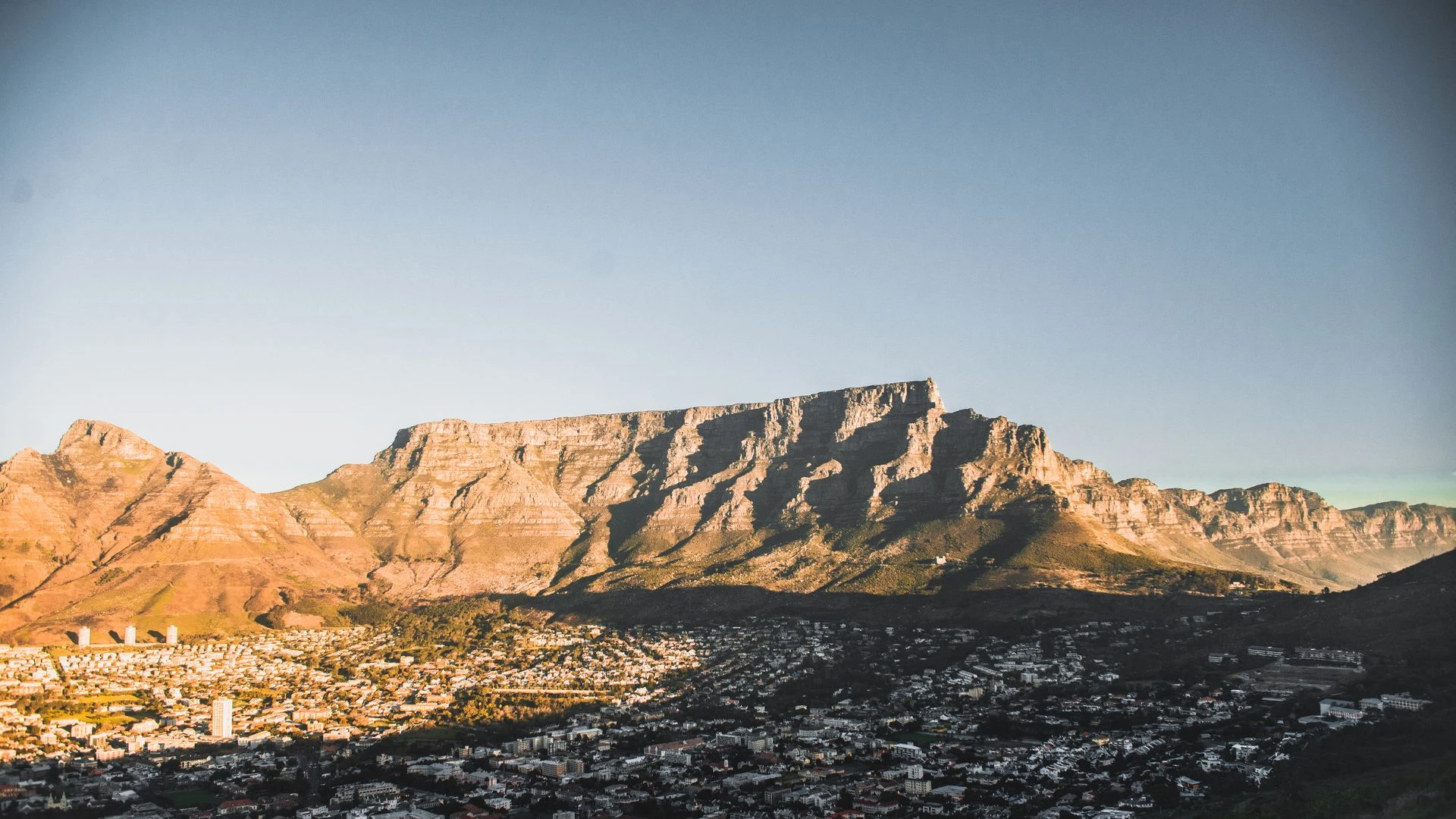
Hotel Picks
Best Boutique Hotels in Cape Town Under €300 a Night
Cape Town's boutique hotel market punches above its weight: for what you spend in Amsterdam or Lisbon, you get space, service, and views that would cost three times as much in comparable European cities. The challenge is knowing which neighbourhoods deliver.
9 min read

Travel Guides
Solo Travel Tips: The Complete Beginner's Guide
Everything you actually need to know before you go alone — from a traveller who's done it wrong first.
10 min read