
7 Days in Iceland: The Ring Road and Beyond
Iceland is one of those destinations where the photograph doesn't exaggerate. The waterfalls are actually that colour. The lava fields are actually that vast. The northern lights are actually that unpredictable. Here is the week that gives you all of it.
Iceland is the only country in the world where the tourist infrastructure has kept pace with the phenomenon of mass nature tourism — largely because the country had no choice after 2016's dramatic visitor surge. The result is a destination that is simultaneously a widely visited and one of the least crowded-feeling: the landscapes are simply too large for the people in them. This seven-day itinerary covers the Ring Road (Iceland's Route 1, which circumnavigates the island) in an anti-clockwise direction, which puts the south coast — the most visited section — in the first days and saves the less-visited east and north for when you've developed road rhythm.
Planning this trip?
Find flights now
Compare prices across 700+ airlines and OTAs in one search — find the real lowest fare without the inflated middleman markup.
Search flightsNeed a place to stay?
Search hotels
Logistics: rent a 4WD, buy a SIM card
A 4WD is essential for Iceland outside the June–August window, and advisable even in summer for F-roads (highland tracks). Book through Geysir Car Rental or SADcars for the best price-to-reliability ratio; the international agencies are significantly more expensive. The Icelandic Met Office app (ve–ur.is) is the essential daily companion — Icelandic weather changes in minutes and road closures are common in winter. Buy a Síminn or Nova SIM card at the airport for data access throughout the ring road. The gas station network (N1) is the practical infrastructure of the Ring Road: they serve hot food, have ATMs, and function as the communication hub in remote areas.
Days 1–2: Reykjavík and the Golden Circle
Spend Day 1 in Reykjavík — the world's most northerly capital is small (130,000 people) but dense with good coffee, the Hallgrímskirkja church (elevator to the tower for the city view), and the Reykjavík Art Museum. For dinner: Dill for New Nordic cuisine using Icelandic ingredients, or Grillmarkaðurinn for the best lamb in the capital. Day 2: the Golden Circle. Þingvellir National Park (the rift valley where the Eurasian and North American tectonic plates are visibly separating — also the site of the world's oldest parliament, the Alþingi, established in 930 AD). Geysir hot spring area (the original geyser, Geysir itself, is mostly dormant; Strokkur erupts every 6–8 minutes to 20–30m). Gullfoss waterfall (double-stepped, 32m drop into the Hvítá canyon — among the powerful waterfall experiences in Europe). Return to Reykjavík via Kerið volcanic crater lake (€5 entry, 10 minutes from the main road).
Editor's tips
- The Sky Lagoon geothermal spa near Reykjavík is the best alternative to the Blue Lagoon — similar views, fewer crowds, better infinity-edge design
- Þingvellir's Silfra fissure snorkelling (between the continental plates) is the most unique dive/snorkel experience in the world — book months ahead
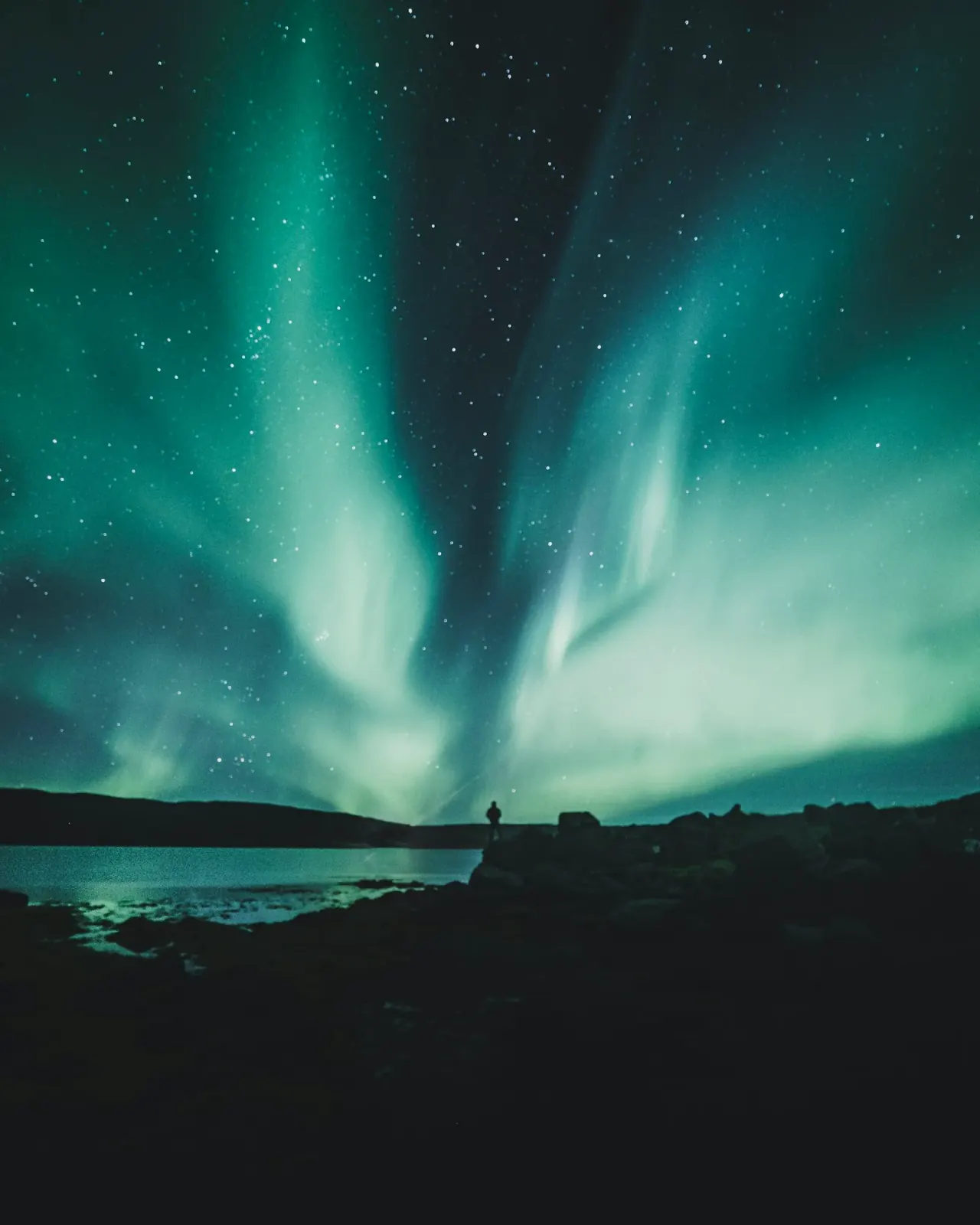
- Northern Lights are possible around Reykjavík from September to March on clear nights — check aurora forecast apps (Vedur app)
Days 3–4: South Coast — waterfalls, black sand, glaciers
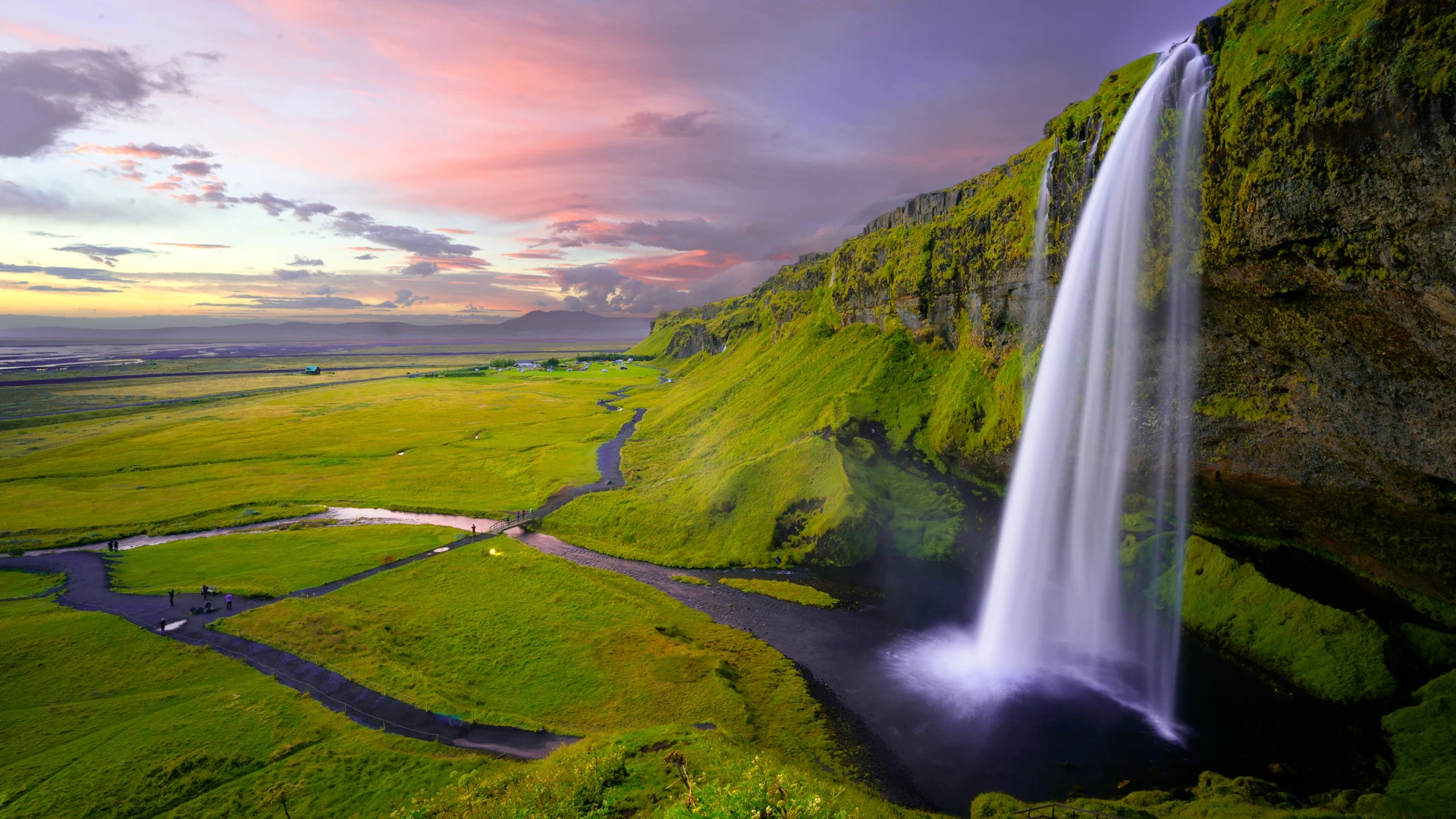
The south coast is Iceland's greatest concentration of dramatic scenery within driving distance. Day 3: Seljalandsfoss waterfall (you can walk behind it — do it, get wet), Skógafoss waterfall (a rainbow in the spray is nearly guaranteed in morning light), and the black sand beach at Reynisfjara (the basalt column sea stacks and the dangerous shore waves are both genuinely extraordinary). Stay in Vík village — the southernmost town in Iceland, with direct views of Mýrdalsjökull glacier from the guesthouse. Day 4: drive east past the Eldhraun lava field (the largest lava field formed in a single eruption in recorded history — 1783, 600km²) to Jökulsárlón Glacier Lagoon. The floating blue icebergs calved from Vatnajökull glacier have to be seen in person — photographs do not prepare you. Walk 100 metres east to Diamond Beach, where ice blocks wash up on black sand. Continue to the East Fjords for the night.
Days 5–6: East Fjords, Mývatn, and Akureyri
The East Fjords are the Iceland that most visitors skip. The drive along the fjord fingers (Berufjörður, Fáskrúðsfjörður, Mjóifjörður) takes twice as long as the inland alternative but is worth every hour. The fishing village of Seyðisfjörður — reached by a mountain pass that was Iceland's most Instagram-photographed road in 2020 — has a small arts community, the rainbow-painted church, and the best restaurant in the east at Skaftfell Bistro. Day 6: Mývatn nature baths (the Northern Iceland equivalent of the Blue Lagoon — €50, calmer, more authentic, better views of the surrounding volcanic landscape), the Hverir mud pots and fumaroles (free, eerie, sulfurous), Dimmuborgir lava field formations, and Goðafoss waterfall (the waterfall of the gods — named for the pagan temple statues thrown into it when Iceland converted to Christianity in 1000 AD). Stay in Akureyri, Iceland's northern capital.
Day 7: Snæfellsnes Peninsula or return to Reykjavík
Two options for the final day depending on return flight timing. Option A: if flying out in the evening, drive the Snæfellsnes Peninsula (2.5 hours from Reykjavík) — the Sn–fellsj—kull glacier volcano at the peninsula's tip (Jules Verne's entry point for Journey to the Centre of the Earth), Kirkjufell mountain (the most photographed peak in Iceland), and the black pebble beach at Dj–pal—nssandur. Return to Reykjavík via the tunnel. Option B: a final morning in Reykjavík — the Harpa concert hall architecture, the Old Harbour area's fish and chips restaurants, and the Kolaportið weekend flea market (Saturdays and Sundays) for lopapeysa (Icelandic wool sweaters) at below-tourist prices.
Weather, daylight and the flexible day
Iceland's weather can change the plan more than any other variable, so the most useful habit is to keep one day loose. Wind, rain and road closures can shut sights or make driving unsafe, and a rigid schedule turns bad weather into a lost day. Check the road and weather services each morning, and be ready to swap the order of days. Daylight also shapes the trip: winter days are short, so distances must be shorter, while summer offers long light that makes late starts possible. Carry layers, waterproofs and sturdy shoes in every season, and treat warnings about waves at black-sand beaches and about waterfalls and cliff edges seriously. Fuel stations can be far apart in the east and north, so fill up whenever you pass one. Book accommodation ahead in summer, when rooms are limited outside towns. An unhurried week with a spare day usually produces better memories than a packed one.
Flights and Car Hire
Keflav—k International Airport (KEF) is 50km from Reykjavík — the FlyBus connects both in 45 minutes. Book 4WD hire at least 8 weeks ahead for the October–March aurora season.
Book Experiences
Silfra snorkelling, northern lights jeep tours, glacier hiking on Vatnajökull, and Sky Lagoon — all require advance booking, particularly in the shoulder season.
Frequently asked questions
Yes — seven days is the minimum comfortable Ring Road circuit. The full route is approximately 1,332km, averaging 190km per day. With 4WD and good weather, this is very manageable. In winter, ice and reduced daylight can make some sections slower. Many visitors do the south coast loop (400km, 3–4 days) rather than the full circuit.
Iceland is one of the few destinations where nature has a legitimate claim to being the main character. The Ring Road gives you access to its full range — the lava and the ice, the geysers and the glaciers, the northern lights on a clear September night. Seven days is enough to feel the rhythm of the landscape rather than just pass through it.
Get there
Flights
One search across 700+ airlines — find the real lowest fare for your dates.
Search flightsWhere to stay
Hotels
Browse verified hotels and stays — instant confirmation, secure booking.
Book on KKdayThings to do
Activities
Tours, attractions, and day trips — free cancellation on most experiences.
Book on KlookTours & Experiences
Book the experiences, not just the trip
Skip-the-line tickets, guided tours, and day trips — free cancellation on most, confirmed instantly.
About the author
Camille Laurent
Senior Travel Editor · Based in Lisbon · Bali
Camille has spent the last 9 years living in or reporting from over 60 countries. Former contributor to Condé Nast Traveler and Monocle, she focuses on Southeast Asia, Mediterranean Europe, and the Middle East. Currently based between Lisbon and Bali.
Read next — destinations
More from The Edit
Honest Take
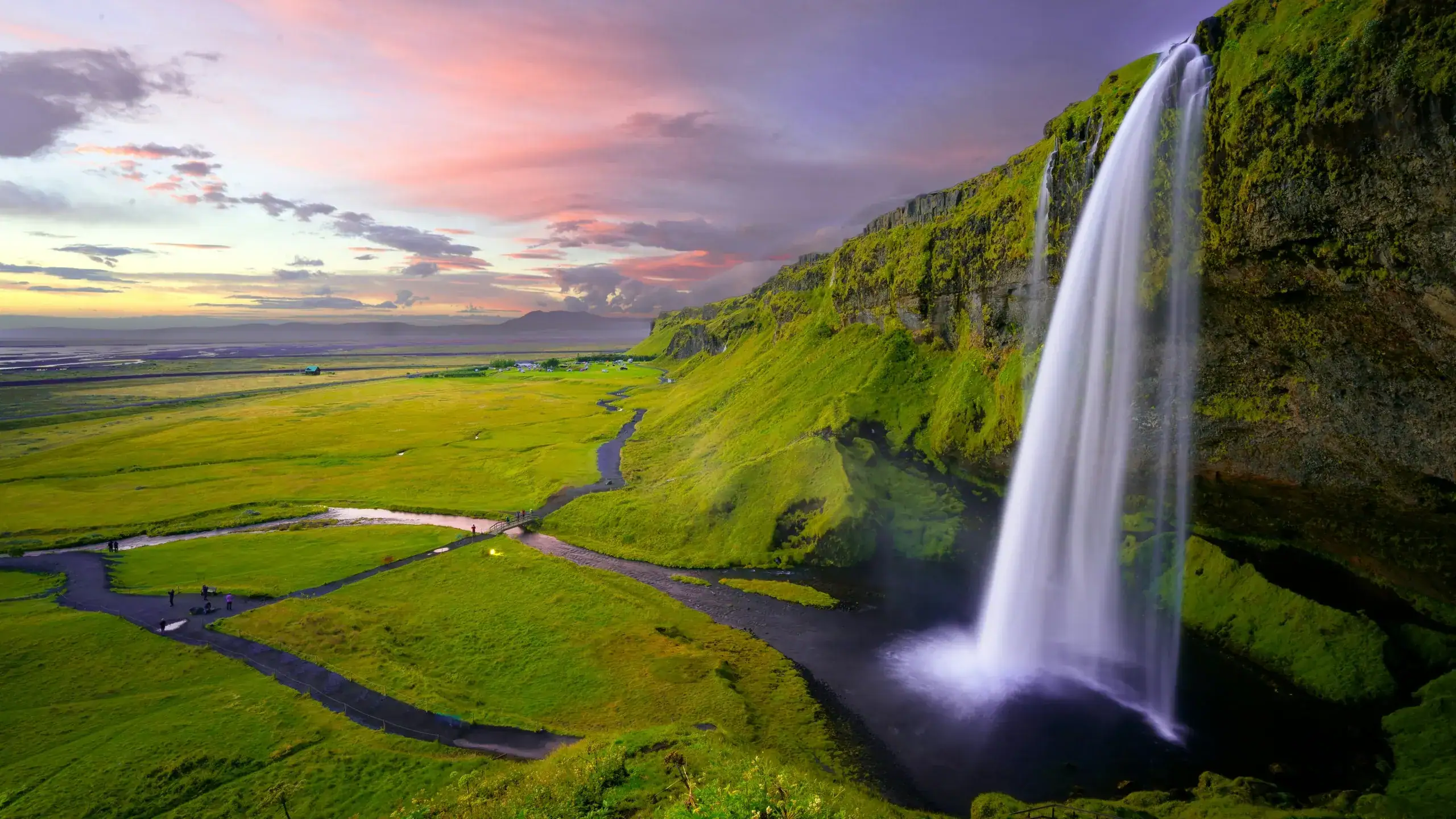
Why We Stopped Recommending the Blue Lagoon (And What To Visit Instead)
It is among the photographed spots on earth, and it shows up on every Iceland 'top 10' list ever published. We took it off ours in 2024. Here's what we'd send you to instead.
9 min read
Itineraries
7 Days in Costa Rica: Volcanoes, Rainforest, and Pacific Coast
Costa Rica contains more biodiversity per square kilometre than almost anywhere on earth. Seven days, moving from the volcano highlands to the jungle lodges to the Pacific coast, gives you a real sense of what makes the country exceptional.
13 min read