
4 Days in London: A Realistic First-Timer's Itinerary
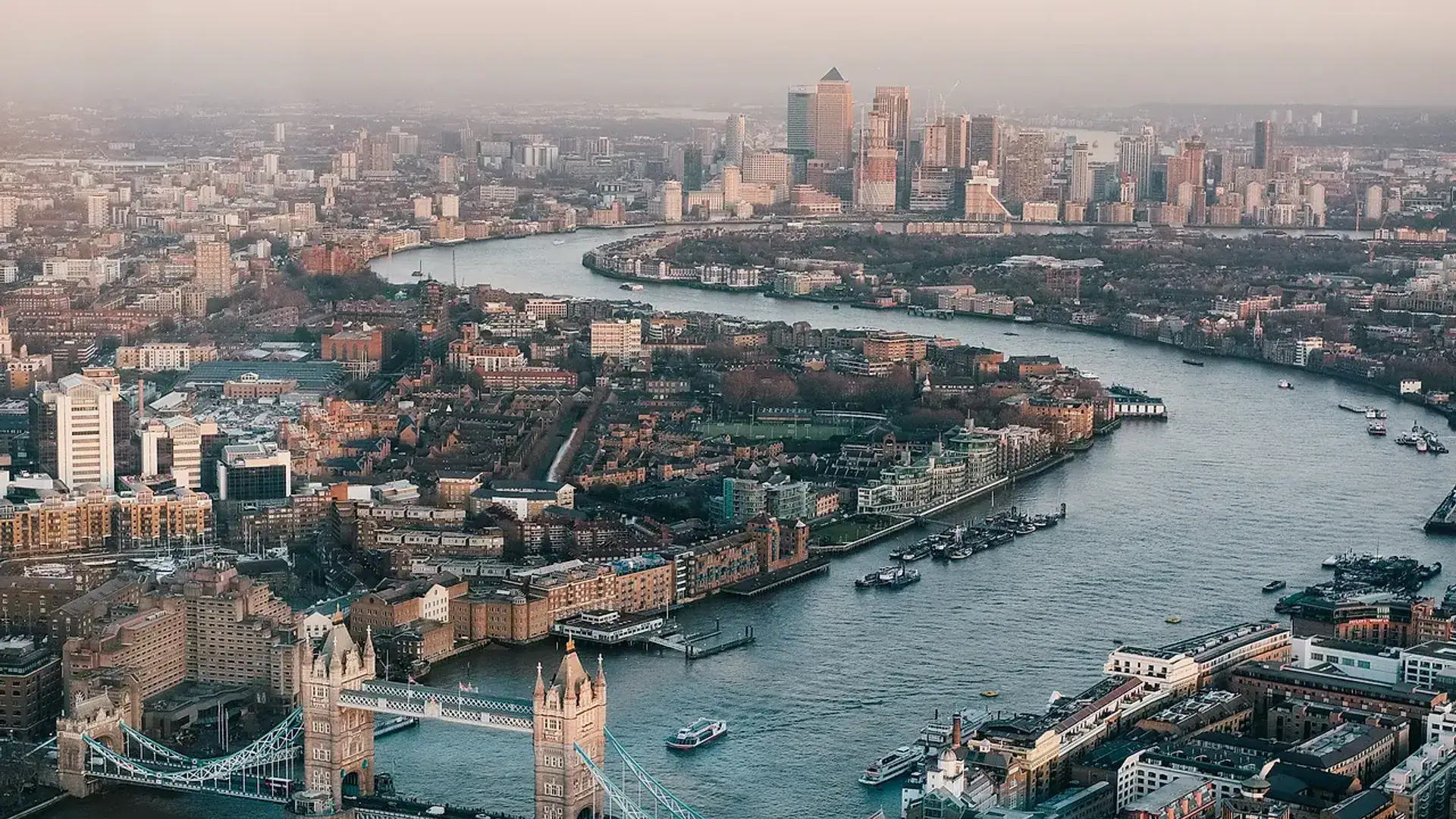
London is the most visited city in Europe and the one most likely to overwhelm without a plan. Four days, organised by area rather than by attraction type, gives you the city that Londoners actually live in alongside the one they show visitors.
London is three cities in one: the official tourist city of Buckingham Palace and the Tower of London, the exceptional museum city with more free institutions per square kilometre than anywhere else on earth, and the neighbourhood city of Peckham's wine bars and Borough Market's food culture and Shoreditch's art studios. A four-day first visit should touch all three — because London's museums alone are worth the trip, and the London that exists around them is as interesting as anywhere in Europe. If you're planning further, our 3 Days in Amsterdam guide and 5 Days in Paris guide cover the logical next steps.
Planning this trip?
Find flights now
Compare prices across 700+ airlines and OTAs in one search — find the real lowest fare without the inflated middleman markup.
Search flightsNeed a place to stay?
Search hotels
Logistics: the Oyster card and where to stay
London's tube (Underground) covers the whole city with sufficient frequency. A contactless payment card now works on all transport (buses, tube, Overground, Elizabeth line) — tap in and out, and the daily cap (approximately €8.10 for zones 1–2) means you won't overpay even if you make many journeys. An Oyster card works the same way. Stay in Southwark or Bermondsey (south of the Thames — cheaper, excellent food, Borough Market walking distance) or in Shoreditch (east London — the most interesting neighbourhood for independent restaurants and bars). Avoid Oxford Street hotels — the location is convenient but the neighbourhood has no character, and everywhere else is accessible in 20 minutes by tube.
Day 1 — South Bank, Borough Market, and Tate Modern
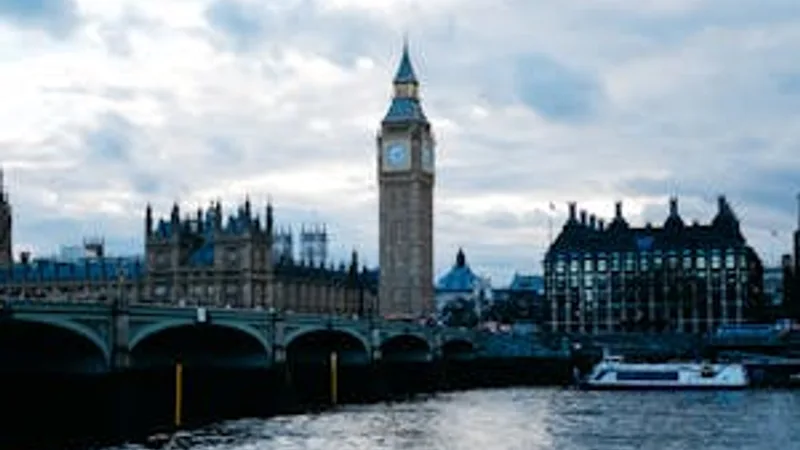
The South Bank walk from London Bridge to Westminster Bridge (2.5km) is the most complete introduction to London in one walk — passing Borough Market, Tate Modern, the Globe Theatre, the OXO Tower, the National Theatre, and ending at the Houses of Parliament and Big Ben. Start at Borough Market (Monday to Saturday, opens 10am — the best food market in Britain, and the most honest one: the vendors are the producers). Walk west along the Thames path to Tate Modern (free permanent collection, paid special exhibitions) — the Turbine Hall is the single most impressive interior space available for free anywhere in the world. Cross the Millennium Bridge to St. Paul's Cathedral (€22 entry, dome climb essential for the view). Evening: dinner in Bermondsey's restaurant row on Bermondsey Street — Casse-Croûte for French bistro, Arabica for Levantine, or Jos— Tapas for Spanish at the original small bar.
Editor's tips
- Tate Modern's permanent collection is completely free — including the Level 10 Viewing Level with a panoramic Thames view
- Borough Market is best visited at 11am — after the morning rush and before the lunch crowd
- The Globe Theatre offers standing groundling tickets for €5 on performance nights — the most affordable theatre in London
Day 2 — British Museum, Bloomsbury, and Soho
The British Museum (free, Great Russell Street) requires a minimum of 3 hours for the Egyptian collection, the Elgin Marbles (Parthenon sculptures), the Lewis chessmen, and the Sutton Hoo helmet. Book a timed entry slot online in advance for weekends — the Great Court can become uncomfortably crowded without it. The Bloomsbury neighbourhood around the museum retains its Woolf-and-Forster literary character in the independent bookshops on Museum Street and Great Russell Street — Forbidden Planet and Gay's the Word are the most characterful. Lunch: Dishoom in Covent Garden (the Bombay-café menu is excellent, the queue is real — arrive at 11:30am before it opens). Afternoon: the National Gallery on Trafalgar Square (free — Van Gogh's Sunflowers, da Vinci's Virgin of the Rocks, Velázquez's Rokeby Venus). Evening: Soho's restaurants and bars — Bao Soho for Taiwanese bao, Barrafina for Spanish tapas (no booking, queue from 6pm), or the Soho pub circuit starting at The French House.
Day 3 — Shoreditch, Columbia Road, and the City
East London on a Sunday morning begins at Columbia Road Flower Market (opens 8am, closes by 2pm) — a Victorian street that changes into the most atmospherically beautiful flower market in Europe for four hours every Sunday. Walk to Shoreditch's Brick Lane for the Sunday Up Market (vintage clothing and street food). The Dennis Severs' House on Folgate Street (open Sunday afternoons, €15) is the most extraordinary house museum in Europe — a 10-room recreation of an 18th-century Huguenot silk weaver's house, maintained as if the family just left. Afternoon: the City of London — the Roman and medieval core, the Guildhall (free), St. Bartholomew the Great (the oldest intact church in London, used in every period drama filmed in the city), and the Sky Garden on the 38th floor of the Walkie-Talkie building (free but must be booked online at least a week ahead — the best free view in London).
Day 4 — Notting Hill, Hyde Park, V&A
Notting Hill's Portobello Road Market (Saturday best, but vendors operate Thursday and Friday too) runs from Notting Hill Gate tube through 1km of antiques, vintage, and food stalls to the Golborne Road end, which has the best Portuguese pastel de nata outside Belém. Hyde Park in the morning: the Serpentine Gallery (free contemporary art, the architecture of the Pavilion changes annually), the Diana Memorial Fountain (surprisingly good for a memorial — the children in it are the best feature). The Victoria and Albert Museum (free permanent collection) is London's most beautiful museum building and the world's greatest collection of decorative arts — the Islamic art gallery, the cast court (plaster casts of Michelangelo's David and Trajan's Column), and the fashion collection are the highlights. Final evening: a proper London pub dinner — the Anchor and Hope on the Cut in Waterloo for seasonal British food, or the Harwood Arms in Fulham for the best gastropub food in the city.
Managing costs and queues in an expensive city
London can be costly, but many of its best experiences are free or inexpensive, and a few habits keep spending under control. Many major museums and galleries do not charge admission, and parks, markets and walks along the river cost nothing. Use contactless payment or a transport card with daily capping to keep travel costs down, and walk between nearby sights when the weather allows. Book paid attractions online in advance, which is often cheaper and avoids queues, and check for off-peak times. Eating well does not need to cost a lot if you use markets, casual restaurants and lunch deals. Accommodation is the biggest expense, so compare areas along good transport lines. Weather is changeable, so carry a compact umbrella and plan indoor options. With a mix of free sights and a few well-chosen paid ones, four days can feel rich without a large bill.
Flights and Hotels
London has five airports — Heathrow (LHR) is the main hub with Tube access to central London. Gatwick (GTW) connects by train in 30 minutes. Book accommodation in Southwark, Shoreditch, or Bloomsbury for the best neighbourhood experience.
Book Theatre and Experiences
West End theatre, the Tower of London (€29.90 — worth booking online), and the Sky Garden require advance booking. The TKTS booth on Leicester Square sells same-day West End tickets at 25–50% discount from 10am.
Frequently asked questions
Four days covers the essential London — one major museum, one neighbourhood per day, one Thames waterfront walk, and enough pub time to understand why the pub is the most important cultural institution in the city. Seven days starts to feel comfortable; ten days is when London becomes genuinely inexhaustible. Four days is the minimum viable visit.
London's superpower is its free museum system — no other major city on earth offers equivalent access to exceptional art, history, and science collections without entry fees. Four days that use those museums as anchors and let the surrounding neighbourhoods fill the gaps will show you a city that justifies its status as Europe's most visited. The London the tourist board shows you is real. The London around it is better.
Get there
Flights
One search across 700+ airlines — find the real lowest fare for your dates.
Search flightsWhere to stay
Hotels
Browse verified hotels and stays — instant confirmation, secure booking.
Book on KKdayThings to do
Activities
Tours, attractions, and day trips — free cancellation on most experiences.
Book on KlookTours & Experiences
Book the experiences, not just the trip
Skip-the-line tickets, guided tours, and day trips — free cancellation on most, confirmed instantly.
About the author
Camille Laurent
Senior Travel Editor · Based in Lisbon · Bali
Camille has spent the last 9 years living in or reporting from over 60 countries. Former contributor to Condé Nast Traveler and Monocle, she focuses on Southeast Asia, Mediterranean Europe, and the Middle East. Currently based between Lisbon and Bali.
Read next — destinations
More from The Edit
Itineraries
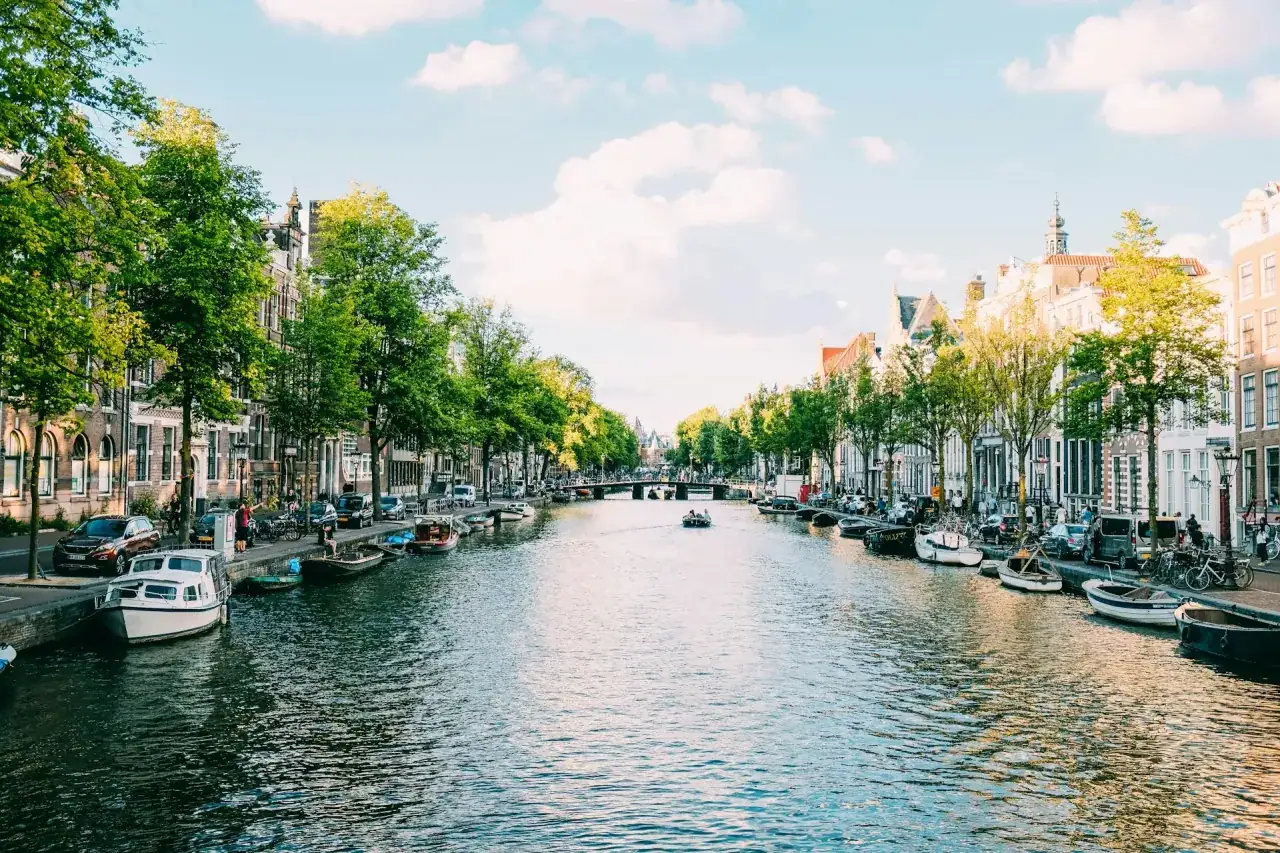
3 Days in Amsterdam: The Best Weekend Itinerary
Three days is exactly the right amount of time for Amsterdam — long enough to get off the tourist canal circuit and find the city that locals actually live in, short enough that you don't run out of things to discover.
10 min read
Itineraries
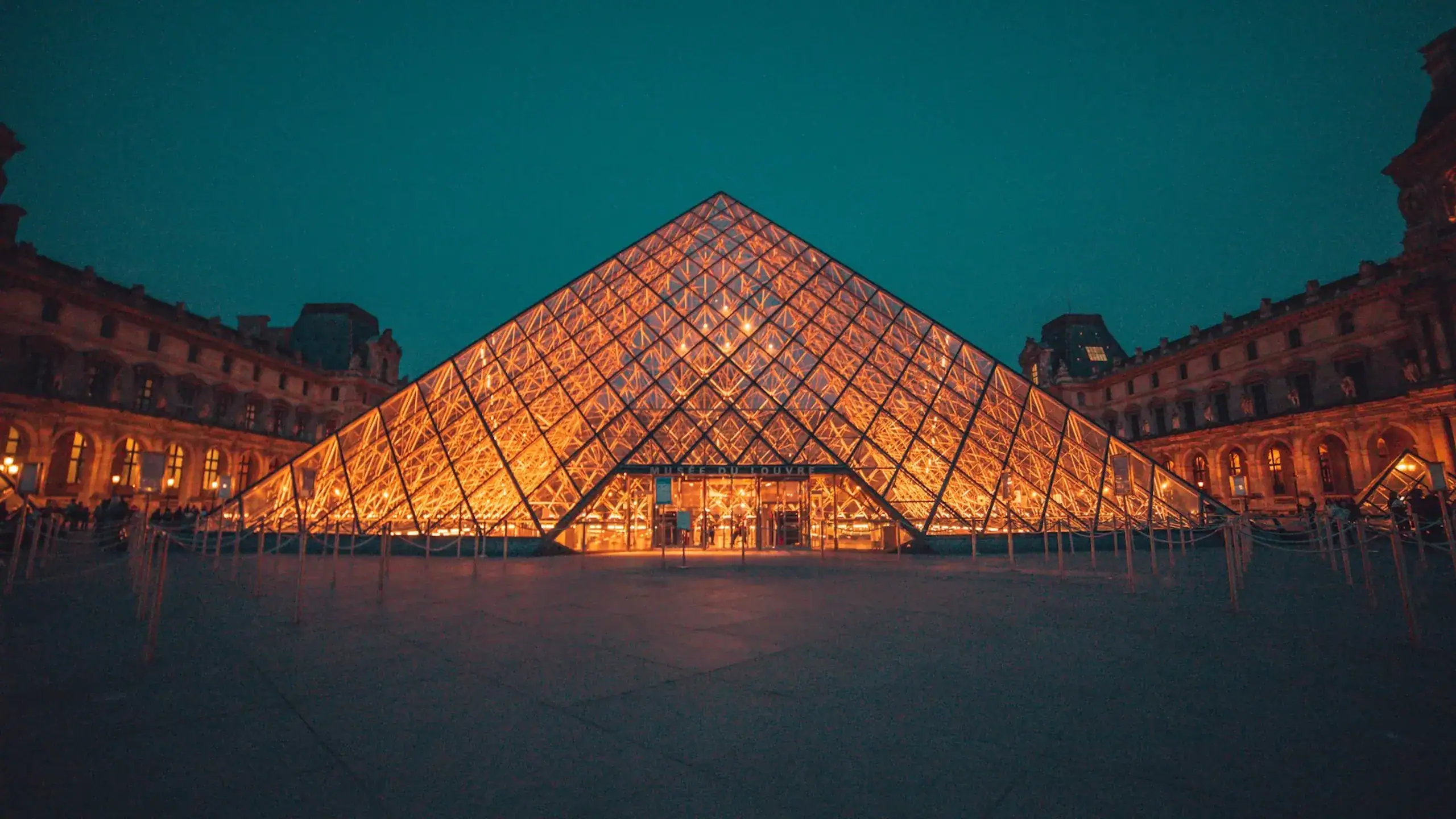
5 Days in Paris: Where to Eat, Sleep, and Skip
Most first-time itineraries send you to the same eight monuments and the same six tourist-trap cafés. Here is the version we'd actually plan for a friend — by neighbourhood, by meal, and including the things we'd specifically not do.
13 min read