
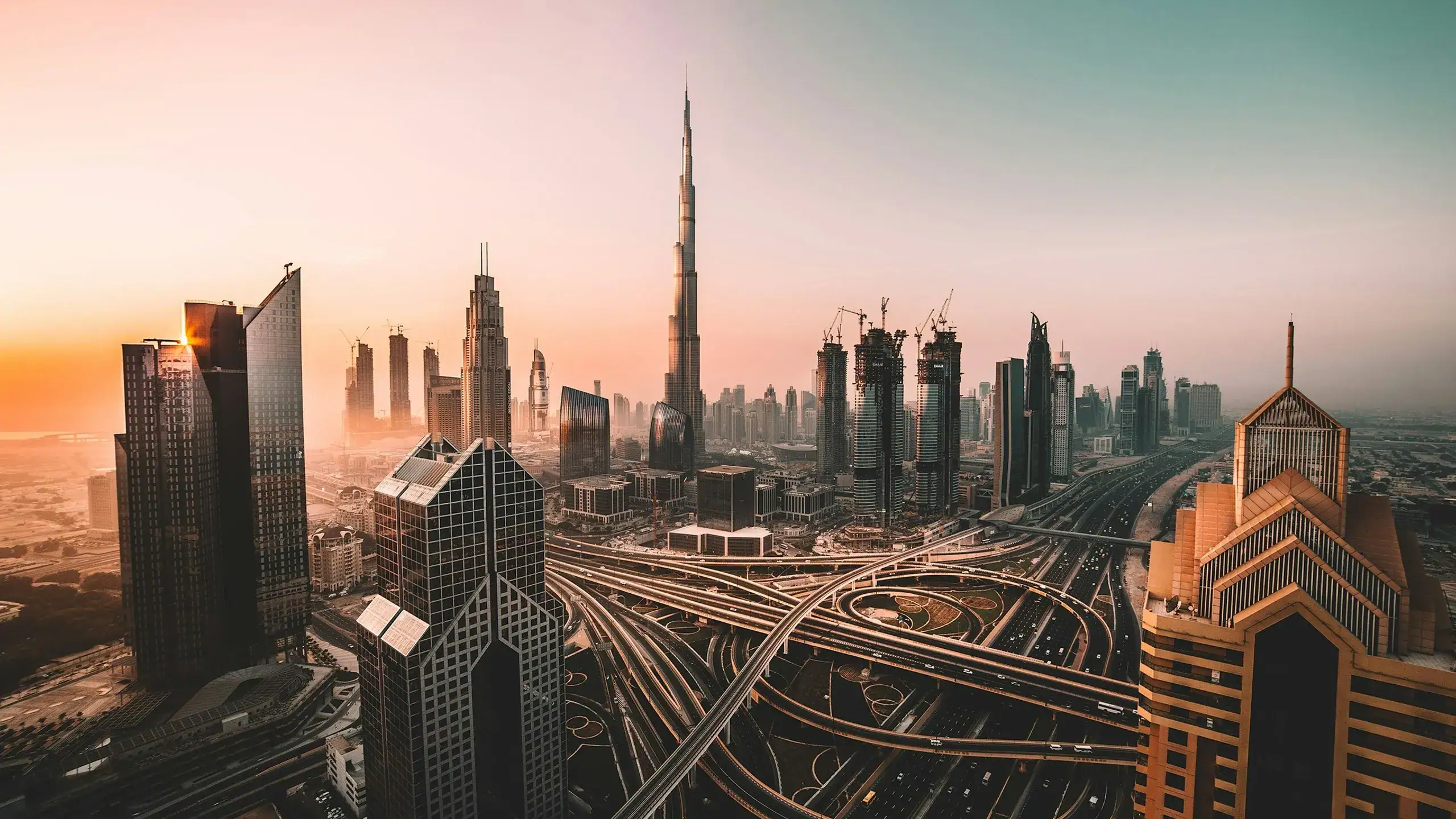
Best Time to Visit Dubai — Why November Beats March, and the One Month We'd Genuinely Avoid
The high season runs December through February, but the savvy window is at the bookends — and there's exactly one month of the year we'd refuse to visit even on a free trip.
Dubai has the most extreme climate of any major tourist city in the world — a 30°C swing between January's pleasant 22°C days and August's brutal 45°C+ ones. Choose the right month and the city is among the enjoyable winter destinations on earth. Choose the wrong one and you'll spend most of your trip moving between air-conditioned spaces, hating yourself for the booking. The window is both shorter and broader than most planning guides suggest. Below: the calendar I now use.
Planning this trip?
Find flights now
Compare prices across 700+ airlines and OTAs in one search — find the real lowest fare without the inflated middleman markup.
Search flightsNeed a place to stay?
Search hotels
November to early March — the genuine season
These four months are when Dubai is comfortable to actually live in — meaning, when you can walk outdoors between 10am and 6pm without wilting. Daytime temperatures run 22–28°C, nights 16–20°C, humidity is moderate, and rain is rare (Dubai gets perhaps 5–10 rain days a year, mostly in January–February). The catch: this is also when the entire Northern Hemisphere has worked out it's the best window, and prices reflect that. December and January are peak months — particularly the period December 24 to January 5, when rates double and beach clubs require advance booking 5+ days out. The savvy traveller's bookends: late November (just after the southern Europe and UK schools go back, before the December rush) and late February to early March (post-Christmas crowd has cleared, pre-spring break has not yet started). November in Dubai is genuinely the answer for travellers who can move dates: slightly warmer than December, dramatically less crowded, 30% cheaper for the same hotels. Late February is the second-best.
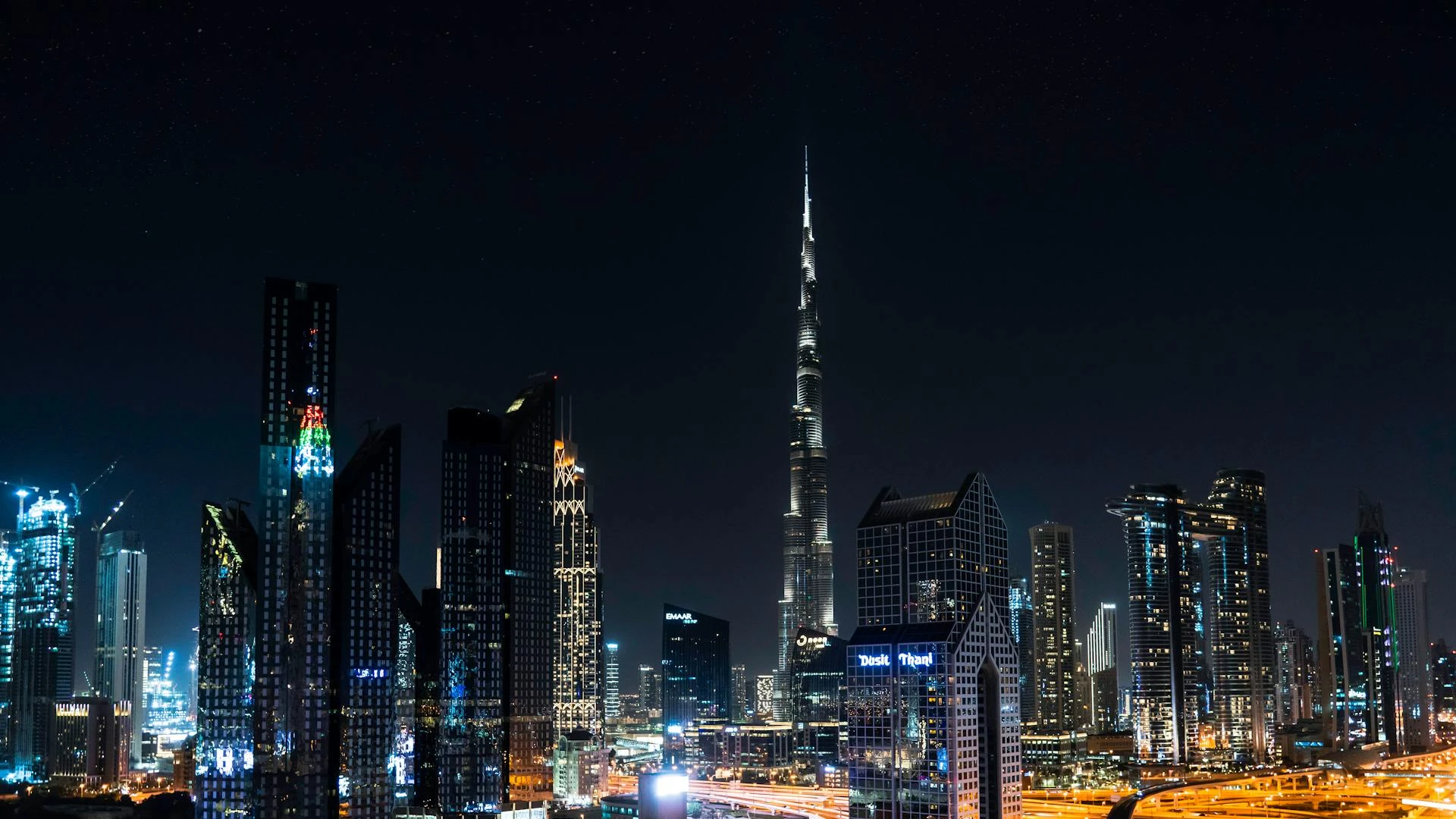
Editor's tips
- Avoid December 24 to January 5 — peak rates, peak crowds
- Late February to early March is the second-best four-week window
- November–February water temperature is 24–26°C — perfect for swimming
March to early May — shoulder, with an asterisk for Ramadan
March daytime temperatures climb from 26°C at the start to 32°C by month's end. By April, daily highs are 30–36°C and the desert tour offerings get less pleasant. Hotel rates drop 30–40% from the winter peak. The major asterisk is Ramadan (February 17 to March 19 in 2026; February 6 to March 8 in 2027). During Ramadan the city changes meaningfully: most restaurants and cafés don't serve daytime food (with exceptions for tourist-zone hotels), the rhythm of the day shifts to post-sunset (iftar) dining, and the whole experience becomes either fascinating or inconvenient depending on your traveller temperament. Some hotels run extraordinary iftar buffets (the experience of breaking fast in a desert tent at sunset is genuinely beautiful). The trade-offs are real but understandable. Either plan around Ramadan or specifically into it.
Mid-May to mid-September — the months we'd skip
Dubai summer is genuinely punishing. Daily highs run 38–44°C from mid-May, climb to 42–48°C in July and August (occasionally hitting 50°C in coastal areas with humidity that makes it feel worse), and don't drop below 35°C even at midnight. The city is fundamentally not designed for outdoor leisure in this window — the beach is too hot for daytime use, the desert tours run only at dawn and dusk, and the outdoor portions of major attractions (Burj Khalifa observation deck, the Dubai Frame, marina walk) are uncomfortable. Hotel rates fall 50–60% below winter peaks, and the city is mostly empty of tourists. Some travellers specifically use this window for indoor luxury — five-star hotel time, mall culture, indoor adventure (Ski Dubai), spa days, private dining — and the math at 50% off can work for that trip. For a typical Dubai itinerary that involves any outdoor time, July and August are genuinely brutal. The most extreme month is August. We'd avoid.
Mid-September to October — the heat retreats, the season starts
By the third week of September, daytime highs drop into the high 30s; by mid-October, they're 30–34°C. The water temperature is at its annual peak (28–30°C — bath-warm but enjoyable). Hotel rates remain at near-summer lows until mid-October, then start the climb to peak season. Late October through early November is genuinely an excellent shoulder window — temperatures pleasant, prices still moderate, crowds growing but not yet at peak. The Dubai Marathon and the city's major event season starts ramping up.
Quick reference
January — peak crowds, peak prices, perfect weather. February — same but ramping down. March — climbing heat; Ramadan most years. April — heat noticeable. May — too hot for outdoor. June — brutal. July — most brutal. August — most brutal. September — cooling third week. October — shoulder, climbing. November — genuine sweet spot. December — peak again. Pick November or late February if you can.
Planning around heat, holidays and events
Dubai's calendar is shaped by temperature and by a handful of busy periods. Winter months are the most comfortable but also the most expensive, particularly around the end of the year. Summer brings intense heat, so outdoor activities move to early morning and evening while malls and indoor attractions take over the day. During Ramadan, daytime dining and opening hours change, and evenings become lively, so check what is open before you plan. Big events can push hotel prices sharply higher, so check the calendar before booking. Whatever the month, book air-conditioned transport, carry water, use sun protection and confirm the dress expectations for public places and religious sites.
Ramadan, school holidays and event weeks
Dubai's calendar has a few periods that change prices and atmosphere regardless of temperature. During Ramadan, daytime opening hours and eating in public are affected, and evenings become lively, so check what is open and respect local etiquette. The end of Ramadan brings a holiday when hotels can be busy and rates rise. School holidays in many countries bring families to the city, particularly in the cooler months, and big events and conferences fill hotels and push prices up sharply. Check the calendar for the dates you are considering, and book flexible rates if you can. Summer offers lower prices and strong discounts but intense heat, so plan for indoor activities and air-conditioned transport. In the cooler months, outdoor attractions and dining are at their best, and so are the crowds. Matching your priorities to the calendar helps you choose between value, comfort and atmosphere.
Find the Best Flight Deals
Prices vary dramatically by month. Compare live fares from hundreds of airlines to lock in the cheapest window for your travel dates.
Where to Stay
From boutique guesthouses to luxury resorts, the accommodation you choose shapes the trip. Filter by neighbourhood, price, and guest rating to find your match.
Tours & Activities
Skip the tourist traps. Book directly with vetted local operators — skip-the-line access, small groups, and money-back guarantees included.
Frequently asked questions
November through March is Dubai's optimal window: 22–28°C, low humidity, functional outdoor dining and beach weather. December and January are peak season with maximum events and maximum pricing. November is the best value month: post-summer, pre-peak, with hotel rates 20–30% below December and pleasant 28–30°C temperatures. Avoid May through September: 40–48°C with 80–90% humidity makes outdoor Dubai essentially inaccessible.
If you can choose any month, pick the second half of November. If you're tied to school holidays, mid-February (after Lunar New Year, before half-term). If you must visit in spring, late March or early April with a heat-tolerance buffer. The two months we'd actively avoid are July and August. Dubai's marketing emphasises the year-round-warm-weather pitch, but in practice the city has a hard climate ceiling that turns the experience inside out from May to September. Plan within the Northern Hemisphere winter and you'll have the trip the brochure promises.
Get there
Flights
One search across 700+ airlines — find the real lowest fare for your dates.
Search flightsWhere to stay
Hotels
Browse verified hotels and stays — instant confirmation, secure booking.
Book on KKdayThings to do
Activities
Tours, attractions, and day trips — free cancellation on most experiences.
Book on KlookTours & Experiences
Book the experiences, not just the trip
Skip-the-line tickets, guided tours, and day trips — free cancellation on most, confirmed instantly.
About the author
Camille Laurent
Senior Travel Editor · Based in Lisbon · Bali
Camille has spent the last 9 years living in or reporting from over 60 countries. Former contributor to Condé Nast Traveler and Monocle, she focuses on Southeast Asia, Mediterranean Europe, and the Middle East. Currently based between Lisbon and Bali.
Read next — destinations
More from The Edit
When to Go
Best Time to Visit Marrakech — A Month-by-Month Reality Check
The brochure says spring or autumn. The reality is more nuanced — including two months we'd avoid and one most visitors skip that we now think is the best of the year.
10 min read
When to Go
Best Time to Visit Bali — A Local's Honest Calendar
Eight years of living between Bali and everywhere else taught me that the island has four micro-seasons — and the brochure describes exactly none of them accurately.
11 min read

When to Go
Best Time to Travel to Portugal in 2026 — An Honest Month-by-Month Guide for Every Region
Portugal's four regions — Lisbon, Porto, the Alentejo, and the Algarve — each have a different best month. The answer that works for a beach holiday in the south is wrong for a wine weekend in the Douro. Here's the breakdown.
11 min read