
Tourist Taxes and Entry Fees in 2026–27: What Venice, Japan, Edinburgh and Bali Charge Now
Day-visitor fees, nightly levies and bigger departure taxes keep spreading. Here is what you pay in 2026–27 in the places that matter most, who is exempt, and what is still only a proposal.
A week in Edinburgh now carries a levy that did not exist last summer. Venice asks some day visitors to pay before they walk its streets, and leaving Japan costs three times what it did in June. None of these amounts changes whether most people go. Together, though, they can add a few hundred dollars to a trip for a family, and several only appear at the hotel desk, on a city website or at the departure gate. This guide collects what is in force in 2026–27, what has only been proposed, and how to budget for the difference.
Planning this trip?
Find flights now
Compare prices across 700+ airlines and OTAs in one search — find the real lowest fare without the inflated middleman markup.
Search flightsNeed a place to stay?
Search hotels
Three kinds of charge, and why they slip past your budget
Not every tourist charge works the same way, and the difference decides when you pay. An accommodation tax is added to your hotel or rental bill, either as a fixed amount per person per night or as a percentage of the room rate. An access or entry fee is paid by visitors to enter a city centre or a single monument, usually in advance online. A departure or arrival levy is collected when you leave or enter a country, sometimes folded into the ticket and sometimes paid through a government portal. The common thread is that booking sites rarely add them to the headline price. Many hotels collect accommodation taxes at check-out, and a long stay in a city that charges a percentage can move the final bill by more than a night's rate. The sensible habit is to look for a line marked 'taxes and fees not included' before you compare prices, and to ask the property what it will collect on arrival. The reason is simple. Cities that receive far more visitors than residents are using fees to fund services and to nudge people towards quieter dates. That logic tends to ratchet upwards, which is why several figures below are scheduled to rise again.
Europe: Venice, Edinburgh, Barcelona, Amsterdam, Rome and Greece
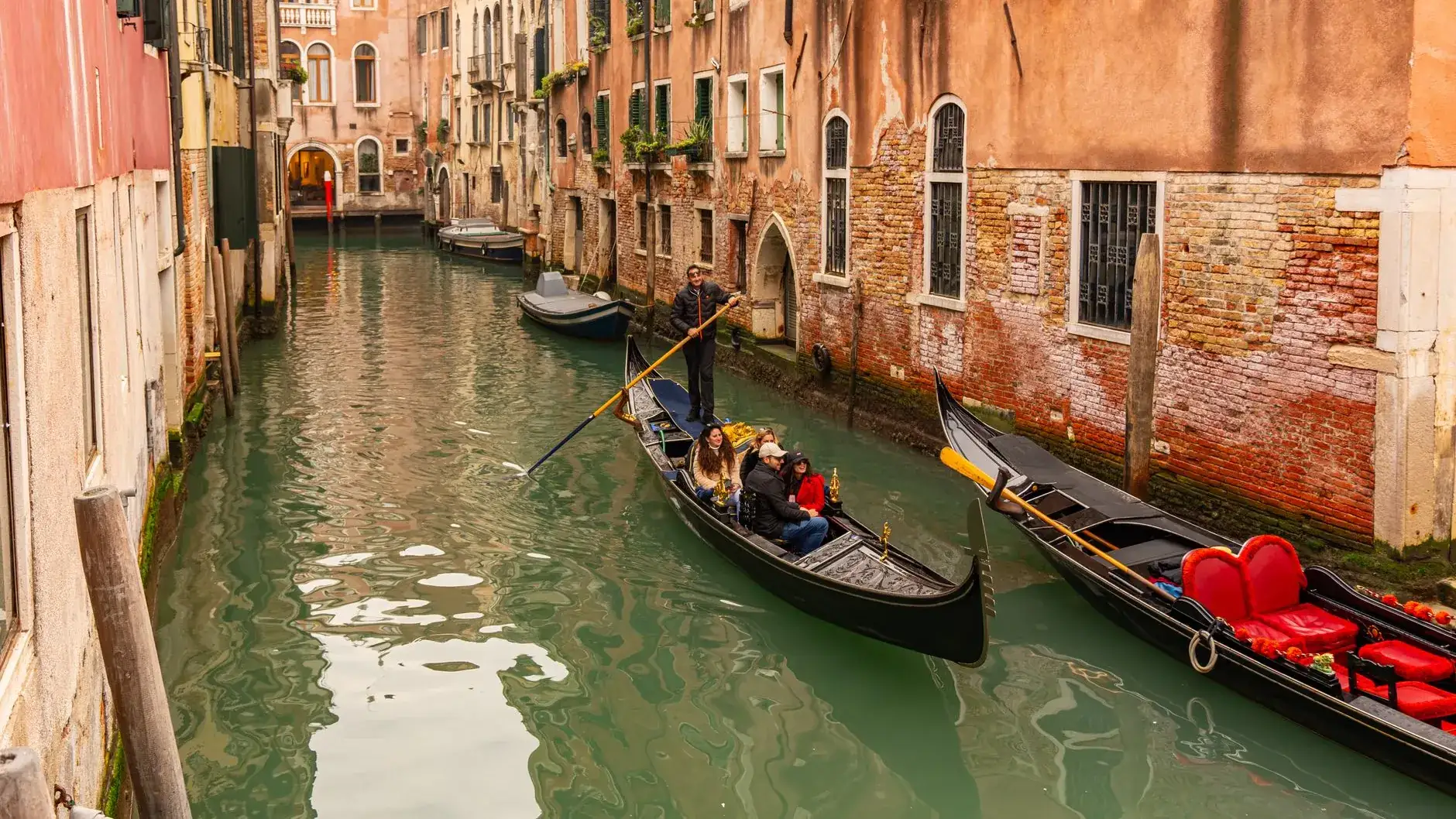
Venice's access fee applies to day visitors on selected peak days, not to people who sleep in the city. In 2026 it covered 60 days between 3 April and 26 July, with the charge applying between 8:30am and 4pm. It cost €5 when booked at least four days before the visit and €10 when booked later, and children under 14 and overnight guests were exempt. The council has approved a longer 2027 calendar of 72 days. Press reports put the window at roughly late March to mid-August, but the 2027 price had not been confirmed in the sources we checked: a rise to as much as €30 was discussed, and later reports say a steep increase is on hold for now. The City of Venice website carries the official calendar. Edinburgh's visitor levy is 5% of the accommodation cost and has applied since 24 July 2026. It covers a maximum of five consecutive nights, only the accommodation itself and not meals or transport, and it applies to stays booked on or after 1 October 2025. If you are planning Scotland, our seven-day Scotland itinerary and Edinburgh hotel picks list typical nightly rates, so add 5% on top when you compare. Catalonia roughly doubled its regional tax on tourist accommodation from 1 April 2026, and Barcelona adds a municipal surcharge that is scheduled to rise gradually towards the legal maximum of €8 per night by 2029. Published figures for specific hotel categories differ between sources, so ask your hotel for the amount per person per night rather than relying on a table. Our Barcelona itinerary covers where to stay. Amsterdam charges 12.5% of the room rate. The city has set out a plan to raise it to 16% in 2027 and to 20% by 2030, which is a proposal and not yet law. Separately, the Netherlands raised VAT on short-stay accommodation from 9% to 21% on 1 January 2026, according to the consumer group Which?, which pushes the total higher still. For hotel ideas see our Amsterdam boutique hotels. In Rome, tourists and non-residents pay €2 to reach the basin of the Trevi Fountain, while residents enter free. Rome's tourism office says the ticket is required from 2 February 2026, within an arrangement that runs to 31 December 2027, and you can read the details on Turismo Roma. Our Rome itinerary works around the busiest hours. Greece charges a climate resilience fee per room per night on licensed accommodation. The amount depends on the star rating and the season, and it is usually paid at the property rather than shown on booking sites. Cruise passengers pay a separate per-person fee at some islands, with the highest rate reported at €20 in peak season for Santorini and Mykonos. Those figures come mostly from travel-industry sources, so confirm them with the Greek tax authority or your cruise line. For the islands themselves, see our Santorini itinerary.

Editor's tips
- Buy Venice's fee early: the cheaper rate only applies when you book at least four days ahead.
- Ask any city-centre hotel what taxes it collects on arrival and whether they are charged per person or per room.
- Treat any rate described as planned or proposed as provisional until the city publishes it.
Asia: Japan, Bali and Bhutan
Japan's international tourist tax, usually called the departure tax, rose from ¥1,000 to ¥3,000 per person on 1 July 2026. It applies to people leaving Japan by air or sea, and infants under two are exempt. Reports say tickets bought on or before 30 June 2026 kept the old rate, although transitional rules can differ by carrier, so check the fare breakdown if you booked before July. Our Japan budget guide and two-week itinerary give daily costs on the ground; the departure tax is a one-off on top. Foreign visitors to Bali pay a levy of IDR 150,000 once per trip. The official Love Bali website says to pay online before you leave, after which you receive a voucher with a QR code by email to show on arrival. Guides report that children pay in full and that Indonesian citizens and some visa holders are exempt. Pay only through the official site: several guides warn of look-alike pages built to collect the fee. Our Bali budget guide covers daily costs. Bhutan charges a Sustainable Development Fee per person per night. The standard rate is US$200, and a reduced rate of US$100 has been reported to apply until 31 August 2027, though sources disagree on the exact end date. The fee is normally paid in advance when you apply for a visa through an operator, so confirm the current rate with the Tourism Council of Bhutan or your agent before you book.

Editor's tips
- Check Japan's departure tax on your fare breakdown, especially if you booked before July 2026.
- Pay Bali's levy only on the official Love Bali website, and save the QR voucher where you can open it offline.
How to budget for charges that are not in the price
Treat these fees as a line in the budget rather than a surprise. For an accommodation tax that is a percentage, multiply the nightly rate by the number of nights and by the rate. As an illustration only: five nights at €180 in a city charging 12.5% adds €112.50 on top of the €900 room cost. Where a tax is per person per night, multiply by everyone staying, and check whether children are counted. Fixed charges are easier. Add Japan's ¥3,000 for each adult flying out, add Bali's IDR 150,000 per visitor, and add Venice's day fee for each person visiting on a charged day. Overnight guests in Venice are exempt from the day fee, so the fee matters most for day trips from nearby cities. Then keep a small margin for items paid on the spot. Finally, build timing into the plan. Venice's charge applies on specific days, and Edinburgh's levy stops after five consecutive nights, so a longer stay costs relatively less per night. For the wider picture, our travel budget calculator guide and sustainable travel guide explain how these fees fit into trip planning, and our guide to 2027 travel trends shows why more places are likely to follow.
How we compiled this and what to check
This guide draws on city and government pages where they were available, including Edinburgh's council, Rome's tourism office, Bali's official levy site and the City of Venice, plus press coverage where official pages do not publish the detail. Where sources disagreed, as with the Bhutan end date and Barcelona's per-night figures, we say so instead of picking one. Rates and dates changed several times in 2025–26 and will again, so use this as a map of what to check, not as a final price list. ⚠️ Information last verified 1 November 2026. Fees, dates and exemptions change frequently — always confirm with the City of Edinburgh Council, Turismo Roma, Love Bali and the City of Venice before you travel.
Frequently asked questions
It depends on the charge. Venice exempts children under 14 from its day-visitor fee, while guides report that Bali's levy applies to children in full. Accommodation taxes often exempt young children or charge them less, but the age limit varies by city, so check the local rules or ask your hotel.
Tourist charges are not a reason to skip a place, but they are a reason to price a trip honestly. Check the total instead of the nightly rate, buy time-limited fees early, and expect the numbers in this guide to move: the next likely changes are Amsterdam's proposed rise and whatever Venice sets for 2027.
Get there
Flights
One search across 700+ airlines — find the real lowest fare for your dates.
Search flightsWhere to stay
Hotels
Browse verified hotels and stays — instant confirmation, secure booking.
Book on KKdayThings to do
Activities
Tours, attractions, and day trips — free cancellation on most experiences.
Book on KlookTours & Experiences
Book the experiences, not just the trip
Skip-the-line tickets, guided tours, and day trips — free cancellation on most, confirmed instantly.
About the author
TravelBuzzy Editorial Team
Editorial team
TravelBuzzy is researched, written and edited by a small independent team. Our guides are built from official tourism and government sources, what hotels and booking platforms publish, and published traveller reviews, with AI tools used for research and drafting. Unless an article says otherwise, a recommendation comes from research rather than a personal stay. Our methodology page explains how we work and how affiliate income fits in.
More from The Edit
Travel Guides
Eco Travel in 2026 — An Honest Guide to Sustainable Tourism (and What Is Just Greenwashing)
One transatlantic flight emits 1.6 tonnes of CO2 — roughly a third of your entire annual carbon budget. So let us stop pretending that buying an offset makes flying guilt-free, and talk about what actually reduces your impact as a traveller.
12 min read

Money & Deals
Travel Budget Calculator — How Much Does a Trip Actually Cost in 2026?
Every travel budget estimate online is either optimistic or vague. Here's the real per-day breakdown by destination, category, and travel style — with numbers you can actually plan from.
10 min read

Money & Deals
How to Find Cheap Flights — 12 Booking Strategies That Actually Work in 2026
The flight price algorithms are designed to extract maximum revenue. These twelve strategies systematically exploit the gaps — including the one that consistently cuts long-haul prices by 25–40%.
11 min read