
Japan on a Budget — How to Travel Japan for Under $100/Day
Japan has a reputation as expensive. It isn't — not if you eat where locals eat, sleep smart, and do the JR Pass math before you buy. Here's the full breakdown from someone who's done it three times.
I first went to Japan expecting to hemorrhage money. Everyone told me it was expensive — the flights, the bullet trains, the sushi. And then I spent 18 days there for less than I'd spend on 10 days in Western Europe. Japan is not cheap the way Southeast Asia is cheap, but it has something almost no other developed country offers: an infrastructure of genuinely excellent budget options at every price tier. A ¥500 ($3.30) convenience-store lunch is not a sad compromise — it's an onigiri wrapped in seaweed with salmon filling that would cost $8 at a New York deli. A ¥3,500 ($23) capsule hotel is not a last resort — it's a clean, private, tech-forward sleeping pod with a hot bath. The trick to Japan on a budget isn't deprivation. It's knowing which price tier delivers the best ratio of quality to cost, and then staying in that tier deliberately. Below: every category of spending, with real 2026 prices in yen and dollars, honest trade-offs, and the specific moves that keep a Japan trip under $100 a day without making it feel like one.
Planning this trip?
Find flights now
Compare prices across 700+ airlines and OTAs in one search — find the real lowest fare without the inflated middleman markup.
Search flightsNeed a place to stay?
Search hotels
Accommodation: capsule hotels, hostels, and the manga cafe backup
Japan has more budget accommodation variety than any country I've visited. Here's the hierarchy, from best value to emergency fallback. Capsule hotels (¥3,500–5,000 / $23–33 per night) — These are the sweet spot. Modern capsule hotels like Nine Hours, First Cabin, and Capsule Value Kanda give you a private sleeping pod (roughly 2m x 1m x 1.2m), a locker for your bag, access to a large communal bath (sentō-style), and usually a clean common area with power outlets. The pods have blackout curtains, individual lighting controls, and ventilation. Nine Hours in Shinjuku charges ¥4,200 ($28) for a standard pod, and the bathrooms are cleaner than most mid-range European hotels. The catch: most capsule hotels are single-gender (though mixed-gender ones like The Millennials exist), and you can't stand up inside your pod. If you travel as a couple, you'll be on separate floors. Hostels (¥2,800–4,500 / $19–30 per night) — Japan's hostel scene is excellent. Khaosan Tokyo, Piece Hostel Kyoto, and Osaka's J-Hoppers are standouts. Dorm beds run ¥2,800–3,500 ($19–23); private rooms (where available) are ¥6,000–9,000 ($40–60). Most have free Wi-Fi, luggage storage, and laundry machines. The social scene is strong if you want it, but Japanese hostels are notably quieter and cleaner than their European equivalents. Budget ryokan (¥6,000–10,000 / $40–66 per night) — A traditional Japanese inn with tatami floors, futon bedding, and sometimes an onsen (hot spring bath). At ¥6,000–8,000 you get a basic room without meals; at ¥10,000+ you may get breakfast included. Splurge on one or two nights for the cultural experience, then return to capsule hotels. Kyoto and Hakone have the best budget ryokan options. Manga cafes / internet cafes (¥1,800–3,000 / $12–20 per night) — The emergency option that's better than it sounds. Chains like Manga Kissa Popeye and Bagus offer private booths with a reclining chair, blankets, unlimited soft drinks, showers, and — yes — walls of manga. You pay by the hour (¥300–500) or get an overnight package (typically 8 hours for ¥1,800–2,500). It's not a good night's sleep, but it's warm, safe, and available at 2 AM when you've missed the last train. I've used them three times and regretted it zero.
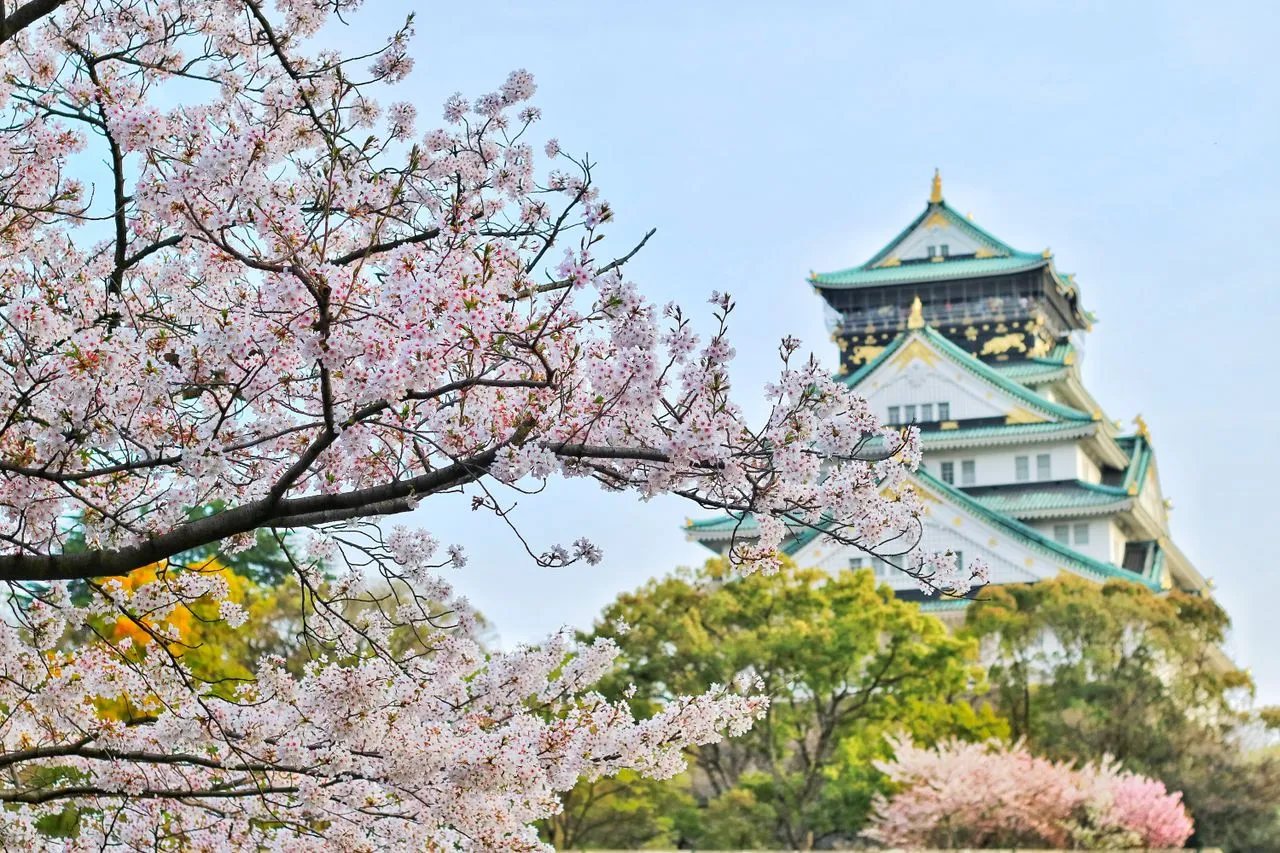
Editor's tips
- Book capsule hotels 2–3 weeks ahead for Shinjuku, Shibuya, and Kyoto — they sell out on weekends
- Check-in for most capsule hotels is 3–4 PM; checkout is 10 AM — luggage storage is usually free until evening
- If you're a light sleeper, bring earplugs — capsule hotel pods dampen noise but don't eliminate it
Food: the real reason Japan is a budget destination
This is where Japan breaks the 'expensive country' myth entirely. The floor for food quality in Japan is higher than the ceiling in most countries, and the floor is cheap. Convenience stores / konbini (¥300–700 / $2–5 per meal) — 7-Eleven, Lawson, and FamilyMart are not gas-station snack shops. They are genuine food destinations. An onigiri (rice ball with filling) costs ¥130–180 ($0.85–1.20). A bento box with rice, protein, and pickled vegetables costs ¥450–600 ($3–4). Egg sandwiches (the famous tamago sando) are ¥200–300 ($1.30–2). Hot fried chicken (karaage) is ¥200 ($1.30) for a generous portion. I ate konbini breakfasts nearly every morning and never felt like I was roughing it. The FamilyMart fried chicken is legitimately one of my favourite things to eat in any country. Ramen shops (¥800–1,200 / $5.30–8) — A proper bowl of ramen at a local shop — not a tourist spot — costs ¥850–1,100 ($5.60–7.30). Ichiran, the famous solo-dining tonkotsu chain, charges ¥1,090 ($7.20) for a customisable bowl. Fuunji in Shinjuku does tsukemen (dipping noodles) for ¥900 ($6) and there's usually a 20-minute queue, which tells you everything about the quality-to-price ratio. Conveyor-belt sushi / kaitenzushi (¥1,000–2,000 / $6.60–13) — Sushiro, Kura Sushi, and Hamazushi serve two-piece plates starting at ¥120 ($0.80). A solid lunch of 8–10 plates plus miso soup runs ¥1,200–1,800 ($8–12). The fish is fresh, the rice is properly seasoned, and the experience is fun. This is not 'bad sushi' — it's the sushi most Japanese people eat regularly. Izakaya (¥2,000–3,000 / $13–20 per person) — These pub-restaurants serve small plates meant for sharing over drinks. Two people can eat well — yakitori skewers, edamame, karaage, grilled fish, rice — for ¥2,000–2,500 ($13–17) each including one or two beers or a highball (¥400–600 / $2.60–4). Chains like Torikizoku offer all items at ¥350 ($2.30) each, making them absurdly cheap for a full evening out. The independent izakaya under the train tracks in Yurakucho (Tokyo) and Shinsekai (Osaka) are where the best value lives. The supermarket hack — Every Japanese supermarket marks down sushi, sashimi, and bento 20–30% around 7 PM, and 30–50% after 8 PM. A ¥1,200 tray of nigiri sushi becomes ¥700 ($4.60). The quality is identical — it was made that morning. I timed my dinners around this on about half my evenings and saved ¥500–800 ($3.30–5.30) per meal.
Editor's tips
- Lawson's egg sandwich (tamago sando, ¥240) and 7-Eleven's salmon onigiri (¥170) are the two best budget items in the country
- Many ramen shops use a ticket machine (shokkenki) at the entrance — insert cash, press the button for your order, hand the ticket to staff
- Tipping does not exist in Japan — the price on the menu is the price you pay, everywhere
Transport: the JR Pass math (and when to skip it)
The Japan Rail Pass is the single most discussed budget item for Japan travellers — and the one where the most money gets wasted. Here's the honest calculation. A 7-day JR Pass costs ¥50,000 ($330) and gives you unlimited travel on all JR lines, including shinkansen (bullet trains) except the fastest Nozomi and Mizuho services. A 14-day pass is ¥80,000 ($530); a 21-day pass is ¥100,000 ($660). The JR Pass saves money only if you're making multiple long-distance trips within the pass window. The key benchmark: a one-way Tokyo–Kyoto shinkansen ticket (Hikari, reserved) costs ¥14,170 ($94). A round trip is ¥28,340 ($187). If your 7-day itinerary includes Tokyo–Kyoto round trip plus a side trip to Hiroshima (¥19,440 / $128 round trip from Kyoto), the JR Pass saves you roughly ¥10,000 ($66). If your 7 days are all within Tokyo, or all within the Kansai region, the JR Pass is a waste of ¥30,000+. IC cards (Suica / PASMO / ICOCA) — These rechargeable smart cards work on virtually all local trains, subways, and buses nationwide. Tap in, tap out. A Tokyo subway ride averages ¥170–250 ($1.10–1.65). A full day of getting around Tokyo by train costs ¥800–1,200 ($5.30–8). Load ¥3,000–5,000 at a time from any station machine. These are the default for city transport, JR Pass or not. Overnight buses (¥3,000–6,000 / $20–40) — Willer Express and JR Bus run comfortable overnight coaches between Tokyo, Osaka, Kyoto, and Hiroshima. A Tokyo–Osaka overnight bus costs ¥3,500–5,500 ($23–36) and saves you a night's accommodation. The 3-row independent seat buses (¥5,000–6,000) have reclining seats comparable to business-class airline seats. I've taken five of these and slept well on four of them — bring a neck pillow and earplugs. My recommendation: Buy the JR Pass only if your itinerary includes 2+ intercity shinkansen legs within 7 days. For a Tokyo-only or Kansai-only trip, use IC cards. For budget intercity travel without the pass, overnight buses are the move.
Editor's tips
- The JR Pass must be activated at a JR ticket office — do it at the airport JR counter on arrival to avoid wasting a day
- IC cards can also pay at vending machines, konbini, and some restaurants — keep one loaded as a backup payment method
- Shinkansen unreserved cars (jiyūseki) are free with the JR Pass — board early at terminal stations (Tokyo, Shin-Osaka) to guarantee a seat
Free and nearly-free activities: temples, shrines, and city walking
Japan has more high-quality free activities than any expensive country I know. The temples and shrines alone could fill two weeks. Kyoto — Fushimi Inari Shrine (the 10,000 torii gates, free, open 24 hours — go at dawn to avoid crowds). Kiyomizu-dera's grounds are free to walk; only the main hall charges ¥400 ($2.60). The Philosopher's Path walk from Ginkaku-ji to Nanzen-ji is free and a genuinely beautiful urban walks in the world. Arashiyama Bamboo Grove is free. The Nishiki Market is free to browse (and you can eat through it for ¥1,000–2,000). Tokyo — Meiji Shrine (free, one of Tokyo's most quiet spaces despite being in the middle of Shibuya). Senso-ji in Asakusa (free, the oldest temple in Tokyo). The Imperial Palace East Gardens (free, open 9 AM–4 PM). Shibuya Crossing is obviously free and still worth seeing. Yanaka neighborhood (free, old Tokyo atmosphere, the closest thing to a Kyoto walk in the capital). The Tokyo Metropolitan Government Building observation deck in Shinjuku offers free panoramic views — skip the ¥2,300 ($15) Tokyo Skytree ticket. Osaka — Osaka Castle grounds and park (free; the castle interior museum is ¥600 / $4). Shinsekai neighborhood (free to walk, and the kushikatsu restaurants are ¥800–1,500 / $5.30–10 for a meal). Dotonbori at night is free and one of the best sensory experiences in any Japanese city. Sumiyoshi Taisha, one of Japan's oldest shrines, is free. Hiking — Mount Takao (Tokyo, free, 90 minutes from Shinjuku, moderate difficulty, extraordinary views on clear days). Mount Inari (Kyoto, part of the Fushimi Inari trail, free). The Nakasendo Trail between Magome and Tsumago (free, a preserved Edo-period postal road through the mountains — one of the best day hikes in Japan, accessible by JR Pass from Nagoya). Japan's national parks charge no entry fee.
Tokyo vs Osaka vs Kyoto: a budget comparison
The three cities feel different on the wallet, and the differences are large enough to affect itinerary planning. Tokyo — The most expensive of the three, primarily because of accommodation. A capsule hotel in Shinjuku averages ¥4,200–5,000 ($28–33); the same pod concept in Osaka costs ¥3,000–4,000 ($20–26). Food prices are roughly equal across all three cities for budget options (konbini, ramen, kaitenzushi), but Tokyo's restaurant scene has more expensive temptations. Daily transport costs are higher (¥1,000–1,500 / $6.60–10 vs ¥600–1,000 / $4–6.60 in Osaka/Kyoto) because the city is larger. Realistic daily budget: ¥14,000–16,000 ($93–106). Osaka — The cheapest of the big three and the best city for budget food. Osaka is Japan's street-food capital: takoyaki (octopus balls) costs ¥500–600 ($3.30–4) for 8 pieces, okonomiyaki (savory pancake) runs ¥700–900 ($4.60–6), and the kushikatsu (deep-fried skewers) in Shinsekai start at ¥100 ($0.66) per stick. Accommodation is 15–20% cheaper than Tokyo across all tiers. The Namba and Shin-Imamiya areas have the densest cluster of budget stays. Realistic daily budget: ¥11,000–13,000 ($73–86). Kyoto — Between the other two on price, but offers the most free cultural activities. The accommodation sweet spot is the eastern Higashiyama area, where budget guesthouses run ¥3,500–5,000 ($23–33). Kyoto's bus system (¥230 / $1.50 per ride, or ¥700 / $4.60 day pass) is the cheapest way to get around. The city is also the most walkable of the three — you can cover Gion, Higashiyama, and the Philosopher's Path area entirely on foot. Realistic daily budget: ¥12,000–14,000 ($80–93). The optimal budget route: Fly into Osaka (usually the cheapest international arrival point), spend 3–4 days there, take a ¥580 ($3.80) local train to Kyoto for 3–4 days, then shinkansen or overnight bus to Tokyo for 4–5 days. This gives you ascending price order, so the most expensive city comes when you're already in rhythm with budget eating and transport.
Money-saving hacks that actually work
These are the small moves that compound across a 2-week trip into real savings. 100-yen shops (Daiso, Seria, Can Do) — Everything costs ¥100 ($0.66). Buy travel toiletries, chopsticks, rain ponchos, laundry bags, phone accessories, and souvenirs here. Daiso stocks surprisingly good travel gear including packing cubes, luggage tags, and compression bags. Hit one on day one. Free water — Japan's tap water is safe to drink everywhere. Carry a reusable bottle and refill at any tap, park fountain, or train station restroom. Vending-machine drinks cost ¥130–170 ($0.85–1.10) — four a day over two weeks is ¥10,000 ($66) saved by carrying a bottle. Coin lockers over luggage forwarding — Station coin lockers cost ¥400–700 ($2.60–4.60) for the day. Use them when doing day trips from a base city instead of dragging your bag. The takkyubin luggage forwarding service (¥2,000–3,000 / $13–20 per bag, next-day delivery) is worth it only when changing cities. Ekiben (station bento) — Every major train station sells elaborately prepared bento boxes for ¥800–1,200 ($5.30–8). These are regional specialties, often better than restaurant food, and they make shinkansen rides feel like dining experiences. Buy one instead of eating at a sit-down restaurant before your train. Department-store basement food halls (depachika) — The B1 floors of department stores like Takashimaya, Isetan, and Daimaru have extraordinary prepared-food sections. Sample for free (this is culturally acceptable), then buy what you like. Prices are higher than konbini but lower than restaurants, and the quality is exceptional. Onsen and sentō — Public bathhouses cost ¥500–800 ($3.30–5.30) and provide a hot soak, sauna, and relaxation space. Many capsule hotels include bath access in the room rate. A ¥700 sentō visit replaces both a shower and an evening entertainment expense. Tax-free shopping — Foreign tourists can shop tax-free (saving the 10% consumption tax) at participating stores for purchases over ¥5,000 ($33). Bring your passport. Major electronics stores (Bic Camera, Yodobashi) and department stores all participate.
Editor's tips
- Download the Suica or PASMO app on your phone — digital IC cards work via NFC and eliminate the need for a physical card
- Google Maps transit directions in Japan are accurate to the minute — trust them over any other app
- 7-Eleven ATMs accept most international bank cards with no Japanese-side fee (your bank may still charge)
Sample daily budget: what $100 actually buys
Here's a real day I spent in Kyoto on a ¥13,200 ($87) budget — not a theoretical minimum, but a genuinely good day. Accommodation: Piece Hostel Sanjo (private pod) — ¥4,500 ($30) Breakfast: 7-Eleven tamago sando + canned coffee — ¥380 ($2.50) Morning: Fushimi Inari Shrine hike (2 hours, free) — ¥0 Lunch: Ramen at a local shop near Kyoto Station — ¥950 ($6.30) Afternoon: Philosopher's Path walk → Ginkaku-ji entrance — ¥500 ($3.30) Transport: Kyoto bus day pass + JR line to Fushimi — ¥930 ($6.15) Dinner: Supermarket sushi (post-7 PM discount) + Asahi beer — ¥940 ($6.20) Evening: Sentō bathhouse in Gion — ¥500 ($3.30) Snacks/drinks: Vending machine green tea + Daiso souvenirs — ¥400 ($2.65) Day total: ¥13,100 ($87) That's a day with a private pod (not a dorm), four meals, two major cultural sites, a traditional bath, and actual souvenirs — for under $90. On a hostel dorm day with konbini meals and only free activities, you can push it under ¥9,000 ($60). On a capsule-hotel day with one sit-down restaurant meal and a paid museum, you're at ¥14,000–15,000 ($93–100). The $100/day target is comfortable, not spartan. For a 14-day trip covering all three cities: budget ¥175,000–200,000 ($1,160–1,320) for ground costs, plus ¥50,000 ($330) for a JR Pass if your itinerary warrants it, plus international flights. Total Japan trip cost for two weeks: $1,500–1,800 excluding airfare.
Lock In Your Japan Trip
Flight prices to Japan swing by 30–40% depending on season and booking window. Compare live fares across carriers to find the best deal for your dates.
Budget-Friendly Hotels in Japan
From capsule hotels in Shinjuku to traditional ryokan in Kyoto, filter by price and guest rating to find accommodation that fits your daily budget.
Tours & Activities Worth Paying For
Some experiences are worth the spend — book verified activities with free cancellation and skip-the-line access at the best available price.
Frequently asked questions
Japan is less expensive than most travellers expect. A comfortable daily budget of ¥13,000–15,000 ($86–100) covers a capsule hotel or hostel, three meals including one sit-down restaurant, local transport, and one paid activity. Convenience-store food is excellent and costs ¥300–700 ($2–5) per meal. The biggest variable is intercity transport — a 7-day JR Pass at ¥50,000 ($330) is a significant cost, but it's avoidable with overnight buses ($20–40) and regional passes.
Japan broke my assumption that developed countries are inherently expensive to travel. The infrastructure exists at every tier — from the ¥130 onigiri to the ¥50,000 ryokan — and the quality floor is higher than anywhere I've been. The $100/day target is not about suffering through a trip. It's about staying in the tier where Japan's value proposition is strongest: capsule hotels and hostels that are cleaner than European mid-range, konbini food that's better than most cafes, free temples that are more rewarding than paid museums. Spend two weeks, hit all three cities, eat extraordinarily well, and come home having spent less than a week in Paris. That's the real Japan budget story, and it's not a secret — it's just not what the travel industry wants you to hear.
Get there
Flights
One search across 700+ airlines — find the real lowest fare for your dates.
Search flightsWhere to stay
Hotels
Browse verified hotels and stays — instant confirmation, secure booking.
Book on KKdayThings to do
Activities
Tours, attractions, and day trips — free cancellation on most experiences.
Book on KlookTours & Experiences
Book the experiences, not just the trip
Skip-the-line tickets, guided tours, and day trips — free cancellation on most, confirmed instantly.
About the author
Marcus Chen
Hotels & Deals Editor · Based in New York City
Marcus reviews hotels for a living — and has slept in over 400 of them. Before TravelBuzzy, he ran the hotel desk at a major loyalty publication and consulted for two boutique hotel groups. He covers the Americas, Japan, and luxury travel.
Read next — destinations
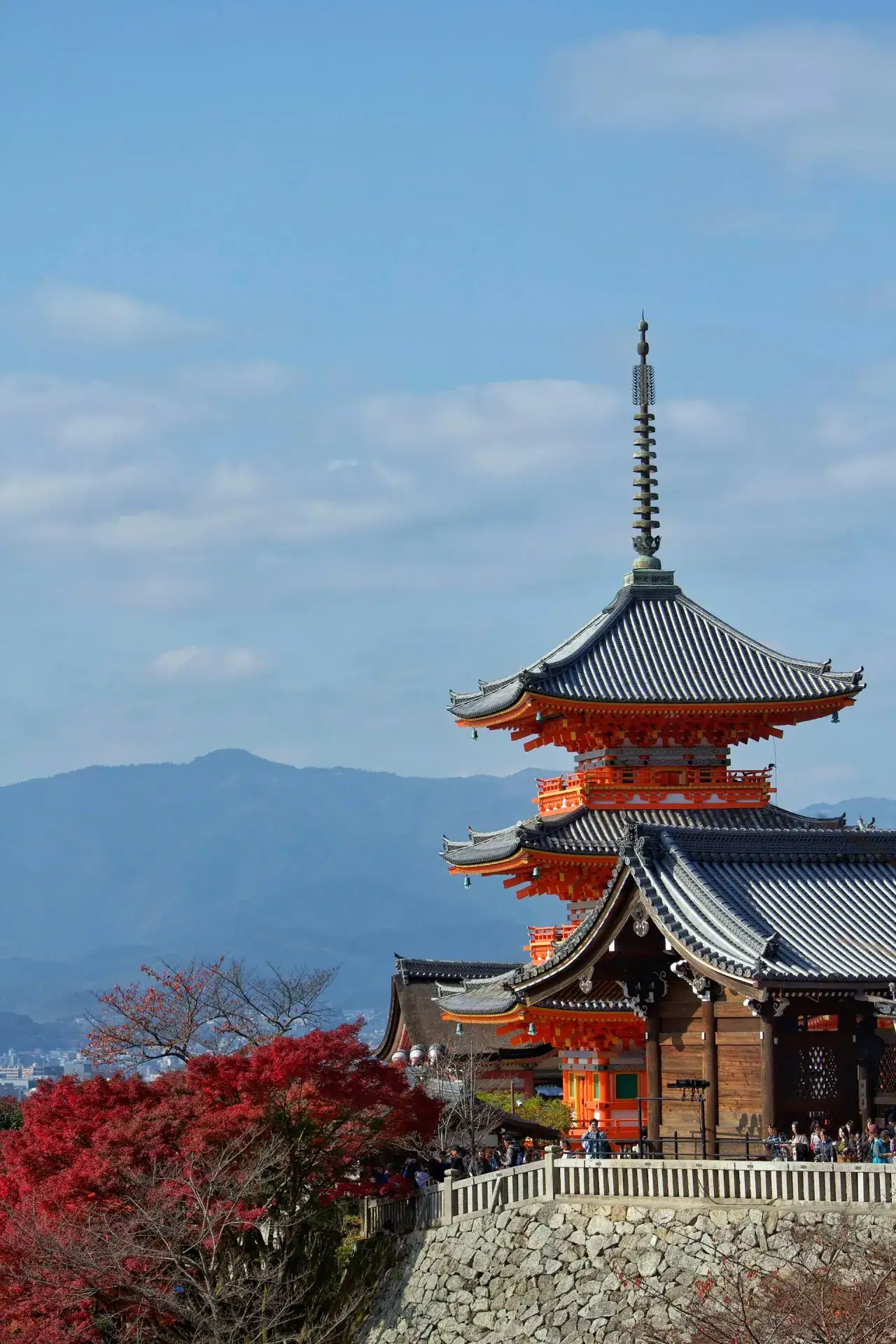
More from The Edit
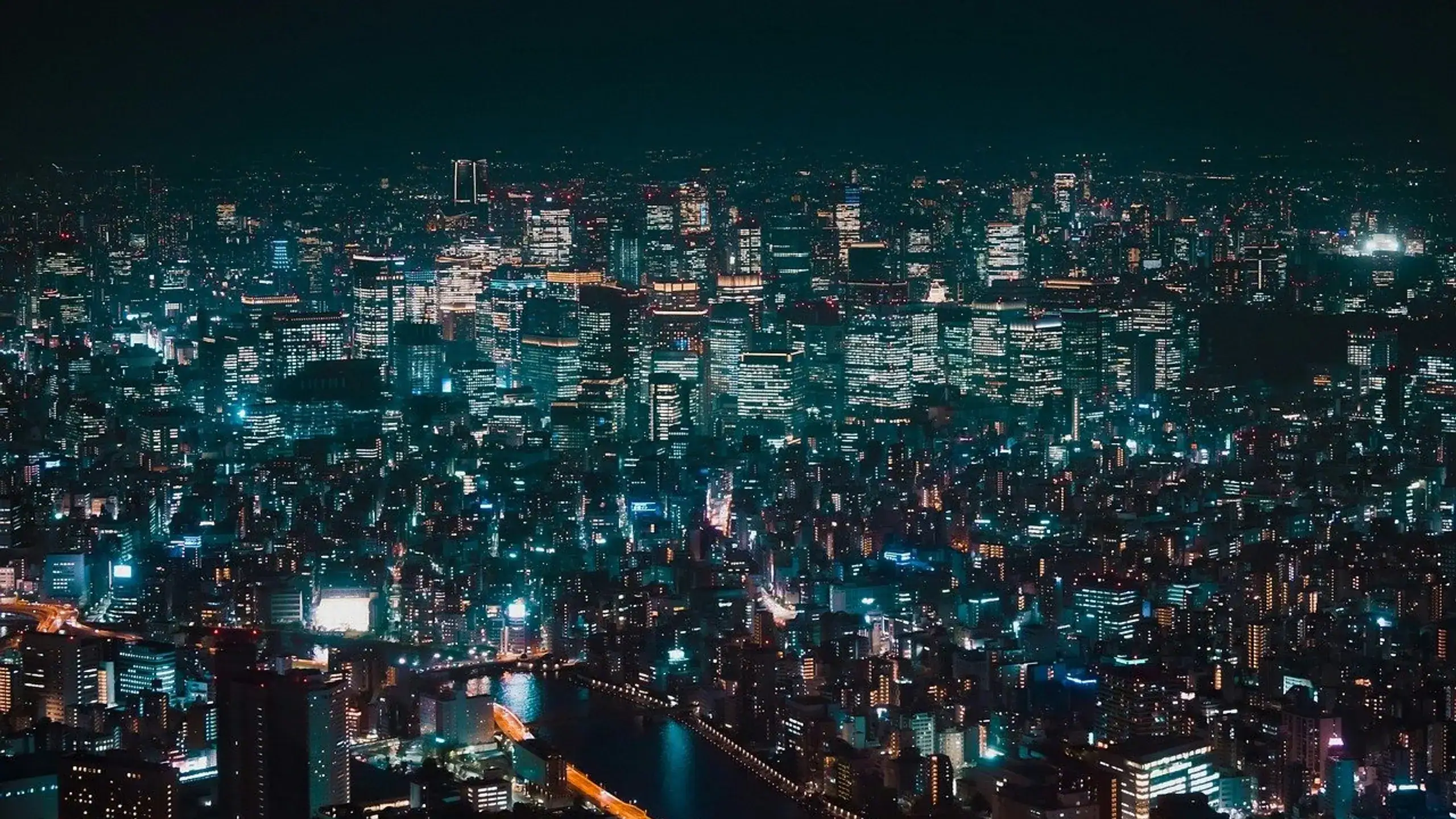
Itineraries
5 Days in Tokyo: A Realistic First-Timer's Itinerary
Three days will leave you hungry. Seven will overwhelm you. Five is the right number — and here is exactly how to spend them, by neighbourhood, by meal, and by the train you should actually take.
14 min read
Money & Deals
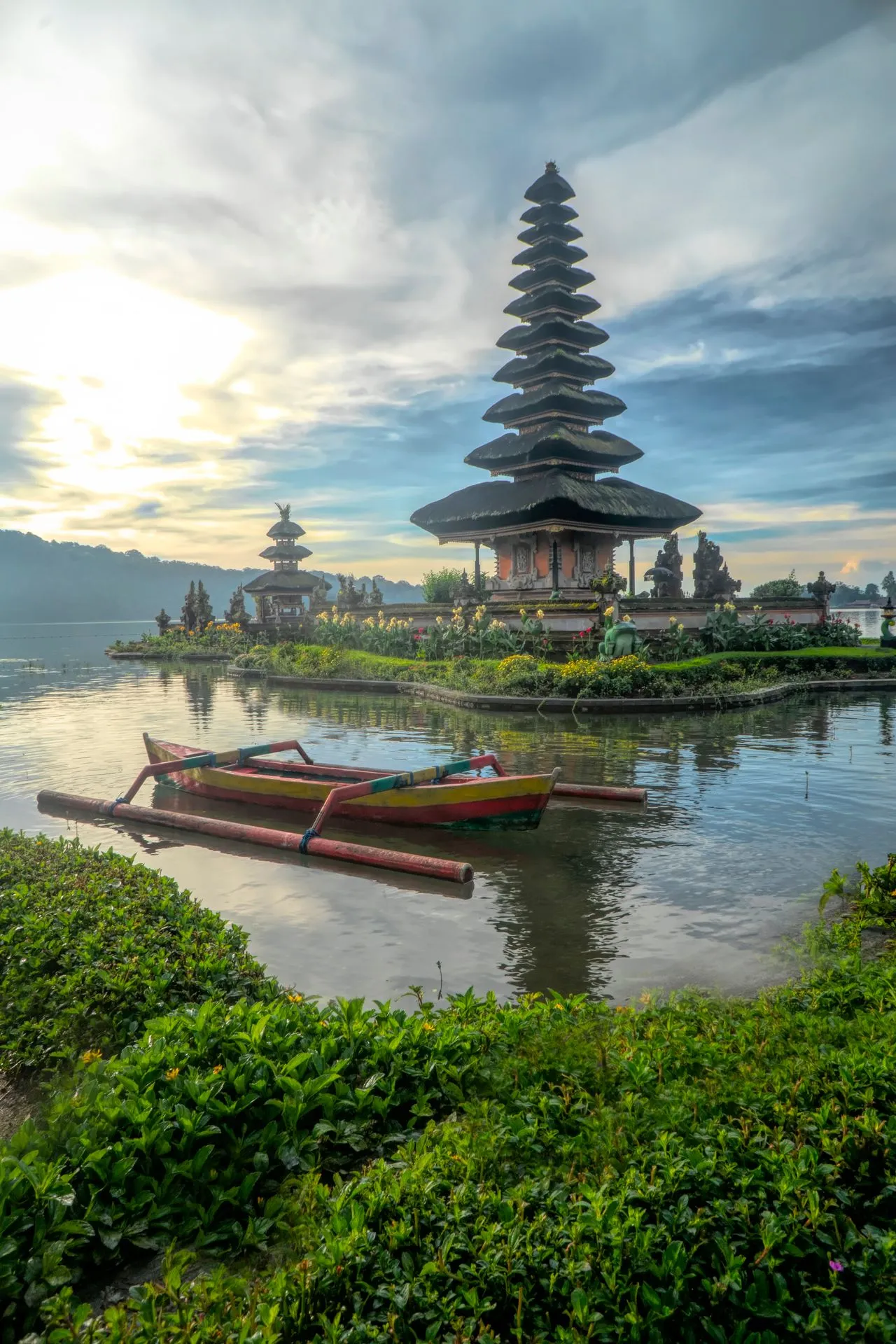
Bali on a Budget — How to Do Bali for Under $50/Day in 2026
Bali's reputation as a cheap paradise is only half true — it depends entirely on where you stay, where you eat, and whether you've learned to say 'no' to a taxi driver quoting five times the real fare. Here's the full breakdown from four trips and a lot of warung rice.
16 min read