
7 Days in Scotland: The Honest Itinerary (Highlands, Islands, and What the Photos Don't Show)
Scotland's Highland landscape is among the most dramatic in Europe, and the country is small enough to cover significant ground in a week. The photographs are accurate — the mountains, the lochs, the castle ruins above the clouds. What they don't show is the midges, the weather variability, or how to sequence a route that doesn't waste three days driving.
Scotland requires a car and a tolerance for variable weather. Those two conditions accepted, it offers one of Europe's most rewarding road-trip experiences: landscapes that change dramatically over short distances, a culture distinct from England in ways that matter, and whisky distilleries that provide both education and warmth. Seven days allows Edinburgh plus three Highland regions — enough to understand the variety without feeling rushed. We've also covered 4 Days in London and 7 Days in Iceland in more depth, if either is relevant to you.
Planning this trip?
Find flights now
Compare prices across 700+ airlines and OTAs in one search — find the real lowest fare without the inflated middleman markup.
Search flightsNeed a place to stay?
Search hotels
Days 1–2: Edinburgh
Edinburgh is one of Europe's most beautiful cities and requires two full days. The Old Town (Royal Mile from Castle to Holyrood Palace) is geologically remarkable — the castle sits on an extinct volcano, and the medieval city layers down the volcanic ridge in wynds (alleyways) and closes (passages) that could occupy a full afternoon. **Edinburgh Castle** (book online, open 9:30am): The Scottish Crown Jewels (more moving than expected — the Honours of Scotland are 15th-century originals, not replicas), the War Memorial, and the views from the battlements over the New Town. Allow 3 hours. **Holyrood Palace** at the other end of the Royal Mile — the Queen's official Scottish residence, open for tours when not in royal use. The ruins of Holyrood Abbey in the grounds are among Edinburgh's most atmospheric spaces. **Arthur's Seat** — the ancient volcano that forms Holyrood Park can be climbed in 45 minutes from the palace car park. The view from the top (251m) encompasses Edinburgh, the Forth Estuary, and on clear days, the Highland hills. Do it on Day 2 morning before the tourist buses arrive. Evening both days: the Grassmarket area for traditional Scottish pubs, or the Old Town's wynds for the city's better modern restaurants.
Day 3: Drive to the Highlands via Pitlochry
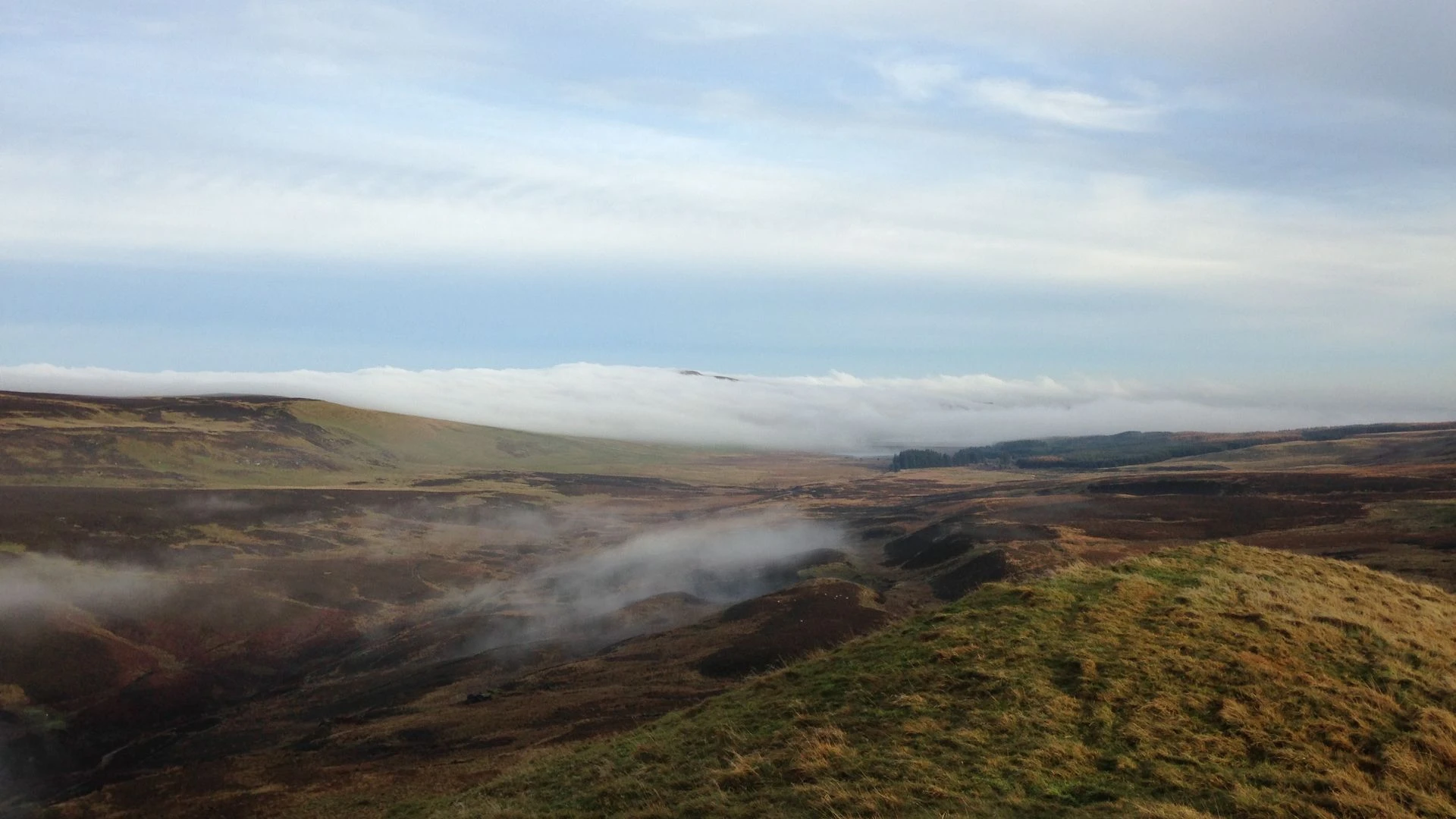
Leave Edinburgh by 9am. The A9 north is the main Highland road — functional but not scenic. Stop at Pitlochry (90 minutes from Edinburgh) for a late breakfast at a proper Scottish café and a brief walk through the town's Victorian main street. Continue on the B8079 rather than the A9 after Pitlochry — this takes you through the Pass of Killiecrankie (significant Jacobite battle site, 1689) and across Rannoch Moor, which is among the remote and desolate landscapes in the British Isles. Nothing survives on Rannoch Moor — no trees, no buildings, only peat bog and sky. Glencoe in the afternoon. The valley is the site of the 1692 Massacre of Glencoe (the McDonald clan killed by Campbell soldiers) and the landscape carries that weight — dark, steep-sided, with the three peaks of the Three Sisters dominating the south wall. Walk the valley floor rather than driving through — the scale only becomes apparent on foot. The visitor centre has the best explanation of both the geology and the history. Stay in Glencoe village or Ballachulish tonight.
Days 4–5: Isle of Skye
Cross the Skye Bridge from Kyle of Lochalsh (45 minutes from Glencoe) and spend two days on the island. Skye is Scotland's most visited island and the landscapes that have made it famous — the Cuillin ridgeline, the Quiraing rock formation, the Fairy Pools — are photographed millions of times annually without losing their validity. **Day 4:** The Trotternish Peninsula (north of Portree, the main town). The Quiraing is a landslide formation of towers, pinnacles, and terraces that looks improbable in real life as well as in photographs. Walk the loop from the car park — 2 hours, moderate difficulty. Continue to the Old Man of Storr (another rock pillar, easier walk from the car park, 1 hour). Portree for the evening — the harbour has a famous row of coloured houses and the town's restaurants are the best on the island. **Day 5:** Dunvegan Castle (ancestral seat of the MacLeod clan, still inhabited) in the morning, then south to the Fairy Pools — crystal-clear natural swimming pools fed by waterfalls from the Cuillin. The path from the car park is 2km. The pools are cold (8°C even in August) but swimmable — bring a towel. Finish the day at Neist Point lighthouse (westernmost point of Skye, Atlantic sunset views) for the best Skye light of the trip.
Days 6–7: Loch Ness and Drive South
**Day 6:** Leave Skye via the ferry from Armadale to Mallaig (book in advance at calmac.co.uk) rather than retracing the bridge route. The ferry takes 30 minutes and the alternative A87 road adds 45 minutes — both are scenic. From Mallaig, the Road to the Isles (A830) passes Glenfinnan Viaduct — the railway viaduct famous from the Harry Potter films, surrounded by genuine Highland scenery that the films accurately represent. Loch Ness via the A82 along the western shore. The loch is impressive in its own right — 37km long, 230m deep, cold enough to have preserved the monster legend through most of Scottish history. The Urquhart Castle ruins (13th century, on the loch shore) are one of Scotland's most-photographed ruins and earn the status. Inverness for the night. **Day 7:** Return to Edinburgh via the A9. Stop at Blair Atholl distillery (one of the oldest working distilleries in Scotland) if whisky is relevant to your trip. Perth for lunch — the city is underrated and the St John's Kirk is a genuine medieval building. Back to Edinburgh by 4pm for a last evening.
Frequently asked questions
Self-driving is strongly recommended for a 7-day Scotland itinerary. The Highlands are served by infrequent buses that require multiple changes and won't get you to Eilean Donan Castle, Glenfinnan Viaduct, or the remote parts of the North Coast 500 without adding hours to every journey. Driving on the left takes about half a day to adjust to; single-track roads with passing places are the main challenge in the Highlands and require patience. Edinburgh and Glasgow are the exceptions — city parking is expensive and unnecessary; use the train or bus between the two.
Scotland's Highlands are exactly as extraordinary as the photographs suggest, and the country is small enough that a week allows a coherent circuit from Edinburgh through Glencoe, Skye, and Loch Ness without feeling rushed. The car is essential, the weather requires planning rather than optimism, and the accommodation on Skye requires advance booking that most visitors underestimate. Get those logistics right and the landscape does the rest.
Get there
Flights
One search across 700+ airlines — find the real lowest fare for your dates.
Search flightsWhere to stay
Hotels
Browse verified hotels and stays — instant confirmation, secure booking.
Book on KKdayThings to do
Activities
Tours, attractions, and day trips — free cancellation on most experiences.
Book on KlookTours & Experiences
Book the experiences, not just the trip
Skip-the-line tickets, guided tours, and day trips — free cancellation on most, confirmed instantly.
About the author
Marcus Chen
Hotels & Deals Editor · Based in New York City
Marcus reviews hotels for a living — and has slept in over 400 of them. Before TravelBuzzy, he ran the hotel desk at a major loyalty publication and consulted for two boutique hotel groups. He covers the Americas, Japan, and luxury travel.
More from The Edit
Itineraries
4 Days in London: A Realistic First-Timer's Itinerary
London is the most visited city in Europe and the one most likely to overwhelm without a plan. Four days, organised by area rather than by attraction type, gives you the city that Londoners actually live in alongside the one they show visitors.
13 min read
Itineraries
7 Days in Iceland: The Ring Road and Beyond
Iceland is one of those destinations where the photograph doesn't exaggerate. The waterfalls are actually that colour. The lava fields are actually that vast. The northern lights are actually that unpredictable. Here is the week that gives you all of it.
14 min read

Money & Deals
How to Find Cheap Flights — 12 Booking Strategies That Actually Work in 2026
The flight price algorithms are designed to extract maximum revenue. These twelve strategies systematically exploit the gaps — including the one that consistently cuts long-haul prices by 25–40%.
11 min read