
Best Boutique Hotels in Amsterdam Under €350 a Night
Amsterdam's hotel market is expensive and unforgiving — the canal-house charm hides awkward staircases, thin walls, and rooms sized for the 17th century. The ones that manage all of this gracefully are worth knowing about.
Amsterdam's tourism infrastructure has been strained for years — the city has actively limited new hotel development to manage overcrowding. The result is a boutique hotel market that holds its value: properties that survive the market are generally doing something right. The challenge for visitors is that 'canal house hotel' has become a marketing term divorced from the architectural reality. What follows are the properties that earn the description.
Planning this trip?
Find flights now
Compare prices across 700+ airlines and OTAs in one search — find the real lowest fare without the inflated middleman markup.
Search flightsNeed a place to stay?
Search hotels
The Jordaan — Best Neighbourhood for Boutique Stays
The Jordaan, Amsterdam's most desirable residential quarter, sits west of the main canal ring and offers the best balance of atmosphere, walkability, and boutique hotel quality. Properties here are typically converted 17th and 18th-century merchant houses — three to five storeys with characteristic Dutch gabled facades, steep internal staircases, and rooms that maximize every available centimetre. **The Hoxton, Amsterdam** — 111 rooms across four canal houses on Herengracht. Large by boutique standards, but the execution is precise: Dutch-designed interiors, excellent ground-floor restaurant, and canal-facing rooms worth the supplement. Rates from €220. **Hotel V Nesplein** — South of the Jordaan, near the Spui, this 83-room property hits the sweet spot of design quality and value. Staff are consistently knowledgeable about the city. Rates from €175. **Mr Jordaan** — A genuinely small property (12 rooms) on one of the Jordaan's quieter streets. Breakfast included, bikes available for guests, and a host team that manages the building with evident care. Rates from €160.
Canal Ring Hotels: The Premium Tier
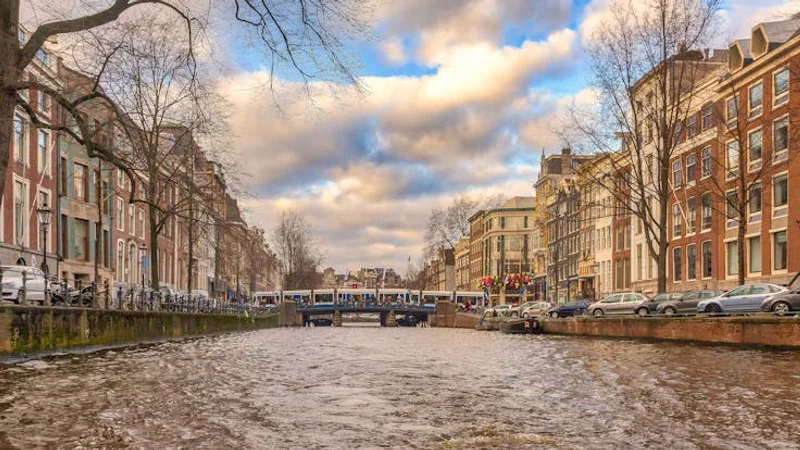
The Grachtengordel — Amsterdam's UNESCO-listed canal ring — is where the most photographed hotels sit. Rooms overlooking Herengracht, Keizersgracht, or Prinsengracht command premiums that are genuinely worth considering if a canal view matters to you. **Pulitzer Amsterdam** — 25 historic canal houses merged into one 225-room hotel. The scale removes some boutique intimacy, but the quality of the restoration and the canal-side bar justify the stay. Rates from €280. **Hotel De L'Europe** — Historic grande dame on the Amstel, recently restored. 111 rooms, two pools, a Michelin-recognised restaurant. At the upper end of our price range but occasionally available under €350 for standard rooms. Rates from €290. **The Dylan Amsterdam** — 40 rooms in a 17th-century courtyard complex on Keizersgracht. Intimate, design-led, with one of Amsterdam's better hotel restaurants. Rates from €240.
De Pijp and East: Value Without Compromise
Amsterdam's southern neighbourhoods — De Pijp (home of the Albert Cuyp Market) and the East (Oosterpark) — offer boutique properties at 20–35% below the canal ring equivalent. **Sir Albert Hotel** — 90 rooms in a converted diamond factory in De Pijp. The interiors are more contemporary than historical, the restaurant is genuinely good, and the location puts you in Amsterdam's most alive neighbourhood. Rates from €175. **Hotel Arena** — In the East, housed in a former orphanage and chapel building. 128 rooms, weekend club nights that don't affect the hotel floors, and a garden restaurant that works in any season. Rates from €155.
Practical Notes for Amsterdam Hotels
**The staircase problem.** Authentic canal houses have original staircases: narrow, steep, often without elevators. If you have mobility considerations or heavy luggage, confirm accessibility before booking. Most properties are honest about this if asked directly. **City tax.** Amsterdam levies a 12.5% tourist tax on top of all hotel rates — one of Europe's highest. Factor this in when comparing prices. A €200/night room becomes €225 after tax. **Booking timing.** Amsterdam's peak season (May–August) books out quickly. For summer travel, reservations 3–4 months in advance are not excessive. Spring tulip season (late March to early May) is almost as pressured. **Check cancellation policies.** Many boutique properties in Amsterdam have moved to non-refundable rates as demand has increased. Read terms carefully — the savings on a non-refundable rate rarely justify the risk for expensive European travel.
How to choose and book a boutique hotel in Amsterdam
Amsterdam's historic canal houses create natural boutique hotels — the building stock already has the character, and the conversion quality varies widely. **Location matters more than the room.** The Jordaan is Amsterdam's most desirable neighbourhood for the boutique traveller: 17th-century canal houses, the best independent restaurants and bars in the city, walkable to the Anne Frank House and the Rijksmuseum, and a residential quiet that the Red Light District and Leidseplein areas do not offer. De Pijp (south of Centrum) is similarly good — younger demographic, the Albert Cuyp market, excellent Indonesian and Surinamese restaurants. Avoid properties on Damrak or Nieuwendijk (tourist retail strips with high noise and low character). **Booking timing and pricing.** Amsterdam has effectively year-round demand, with King's Day (April 27) being the single event that sells out every quality property 2–3 months in advance. The summer months (June–August) are peak for international visitors. October–November and February–March represent the best value window — the canals are still beautiful, the museums have no queues, and boutique hotels run promotions. **The red flag to watch for.** Canal house hotels in Amsterdam often have steep, narrow staircases — a genuine accessibility issue and a practical inconvenience for heavy luggage. This is a structural feature of 17th-century Dutch architecture, not a renovation failure. If stairs are a concern, verify whether the property has a lift (rare in genuine historic buildings) or request a lower-floor room. The best hotels are upfront about this in their descriptions; those that are not tend to generate frustrated reviews. Our Amsterdam choices combine a distinct design story, consistent guest feedback, honest pricing and value under the $350 line. Because many canal houses have steep stairs and small rooms, we noted lifts and room size where reviews mentioned them. Rates vary with events and season, so verify current ratings and prices.
Frequently asked questions
The Canal Ring (Grachtengordel) and Jordaan are the sweet spots for boutique accommodation — canal-house conversions here put you within walking distance of the Rijksmuseum, Anne Frank House, and the main markets. De Pijp is cheaper and increasingly popular, with more restaurant density. Avoid the Red Light District if you want quiet; avoid the suburbs if you want to walk everywhere without needing a tram.
Amsterdam rewards those who book deliberately. The canal-house experience is real, the neighbourhoods are walkable and distinct, and the boutique hotel scene — though expensive — is genuinely high-quality at the upper end. Budget for the city tax, confirm the staircase situation, and prioritise location over canal views unless they are specifically what you came for.
Get there
Flights
One search across 700+ airlines — find the real lowest fare for your dates.
Search flightsWhere to stay
Hotels
Browse verified hotels and stays — instant confirmation, secure booking.
Book on KKdayThings to do
Activities
Tours, attractions, and day trips — free cancellation on most experiences.
Book on KlookTours & Experiences
Book the experiences, not just the trip
Skip-the-line tickets, guided tours, and day trips — free cancellation on most, confirmed instantly.
About the author
Marcus Chen
Hotels & Deals Editor · Based in New York City
Marcus reviews hotels for a living — and has slept in over 400 of them. Before TravelBuzzy, he ran the hotel desk at a major loyalty publication and consulted for two boutique hotel groups. He covers the Americas, Japan, and luxury travel.
More from The Edit
Itineraries
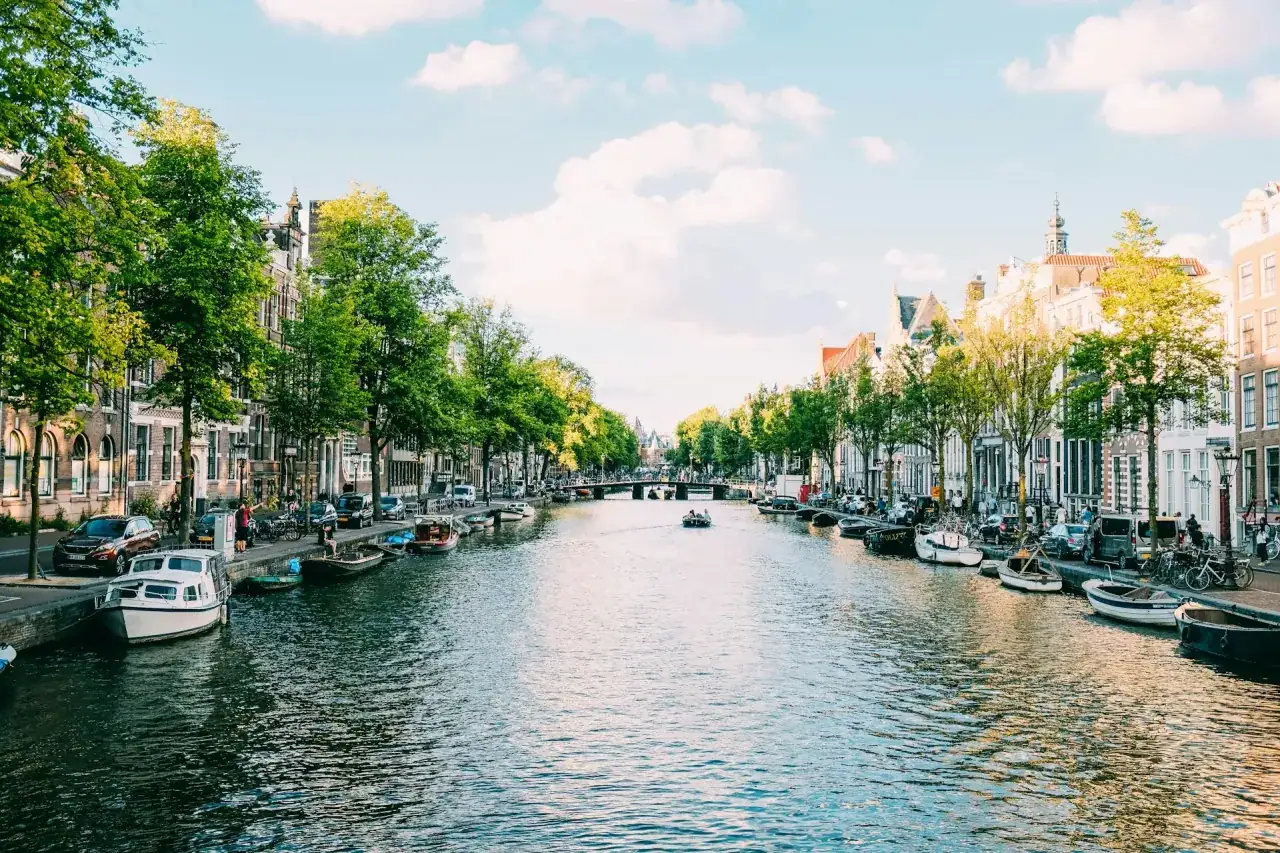
3 Days in Amsterdam: The Best Weekend Itinerary
Three days is exactly the right amount of time for Amsterdam — long enough to get off the tourist canal circuit and find the city that locals actually live in, short enough that you don't run out of things to discover.
10 min read
Hotel Picks
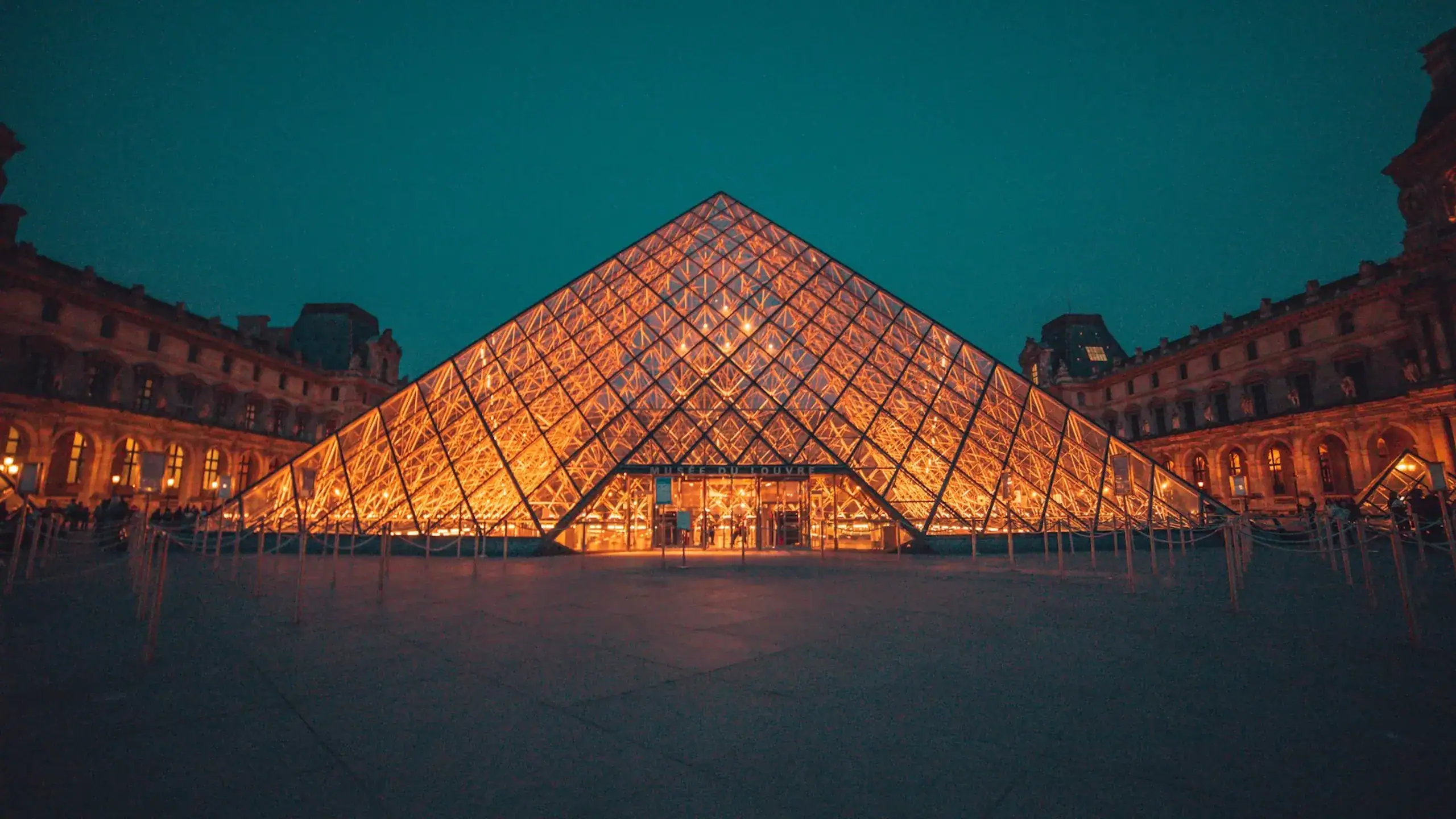
Best Boutique Hotels in Paris Under €300 a Night
Paris has more hotels per square kilometre than almost any city on earth — and a staggering number of them are mediocre. These eight cleared our bar.
10 min read
Hotel Picks
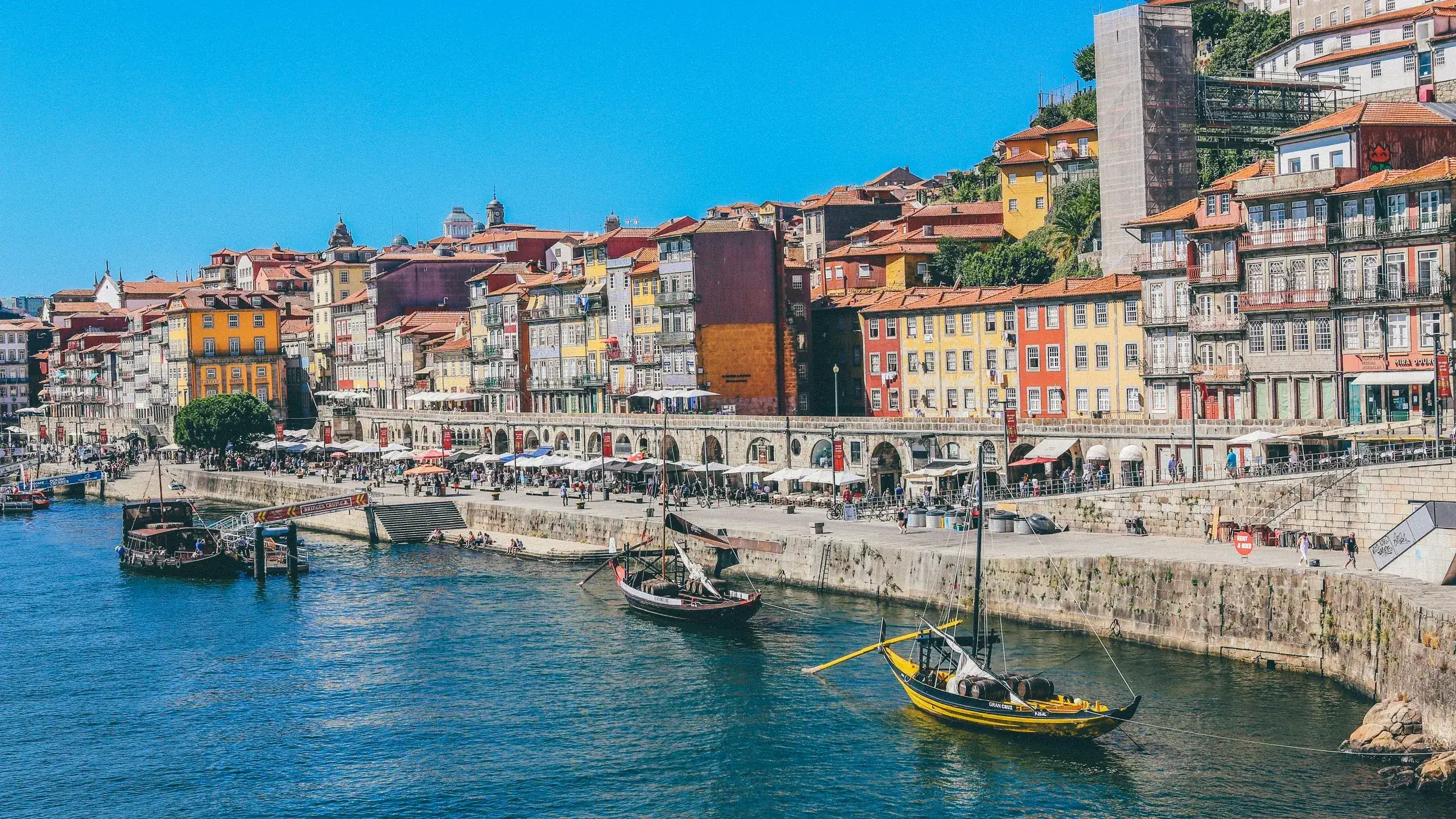
Best Boutique Hotels in Lisbon Under €250 a Night
Lisbon's boutique hotel scene has caught up with Berlin and Barcelona — but the properties worth your money still cluster between €120 and €250. Six we'd book, one we wouldn't mention to a competitor.
9 min read

Hotel Picks
Best Boutique Hotels in Bangkok Under $200 a Night
Bangkok has more luxury hotels per square kilometre than almost any city in Southeast Asia, and the boutique alternative is frequently overlooked. For under $200 a night, the Thai capital's best smaller properties offer pool, design, and neighbourhood access that the landmark towers cannot match.
9 min read

Hotel Picks
Best Boutique Hotels in Santorini Under €400 a Night
The caldera view is Santorini's great premium. These seven properties deliver it — or a view that rivals it — without the mega-brand price tag.
11 min read