

Best Places to Travel in the US in 2026 — A Region-by-Region Honest Guide
48 states. Six years. One observation: the travellers with the best US trips are the ones who pick a region, not a landmark — and go deep instead of wide.
The United States is 3.8 million square miles of country — the most geographically diverse in the world for a single nation — and most travel guides treat it as if it's the same trip with different postcards. It isn't. A week in the Smoky Mountains is a fundamentally different kind of travel from a week in Manhattan, which has nothing in common with a week on Kauai or a Southwest road trip through Moab and Zion. The framework that actually works is to choose your experience type first, then find the US region that delivers it best.
Planning this trip?
Find flights now
Compare prices across 700+ airlines and OTAs in one search — find the real lowest fare without the inflated middleman markup.
Search flightsNeed a place to stay?
Search hotels
The Southwest: the US's most photogenic region
The Southwest — Utah, Arizona, parts of Colorado and New Mexico — is the US at its most visually overwhelming. The Mighty Five of Utah (Zion, Bryce Canyon, Arches, Canyonlands, Capitol Reef) can be combined in a single 10-day road trip that produces more genuine 'I cannot believe this is real' moments per hour than almost anywhere on earth. Sedona, Arizona is the best single-stop destination in the Southwest for most visitors: 45 minutes from Flagstaff, dramatic red rock formations, legitimate hiking at every skill level, and a surprisingly good restaurant scene for a town of 10,000. The Grand Canyon's South Rim is worth doing once; the North Rim is quieter and in many views more dramatic. Peak season is March through May and September through November. Avoid July–August in Arizona (Tucson and Phoenix are brutally hot); Zion and Bryce are best September–October.
The Pacific Northwest: the country's best-kept secret
Washington and Oregon are perpetually underrated because 'it rains there' — an objection that misses the point of both states. Seattle is the most liveable city in America for food culture (Pike Place Market, the Pike/Pine restaurant corridor, the Vietnamese food in the International District), and the city's setting on Puget Sound with the Cascades behind it is among the dramatic urban geographies in the world. But the real PNW experience is outside the cities. Olympic National Park — rainforest, alpine meadows, and wild Pacific coast in a single park — is the most diverse national park in the Lower 48 and one of the least crowded. Portland's east side food cart pods and Powell's Books are genuinely irreplaceable. The Oregon Coast Highway 101 drive is the best scenic coastal drive in the US that isn't Big Sur. Travel window: July–September for reliable sun.
The Northeast and Mid-Atlantic: history, culture, fall foliage
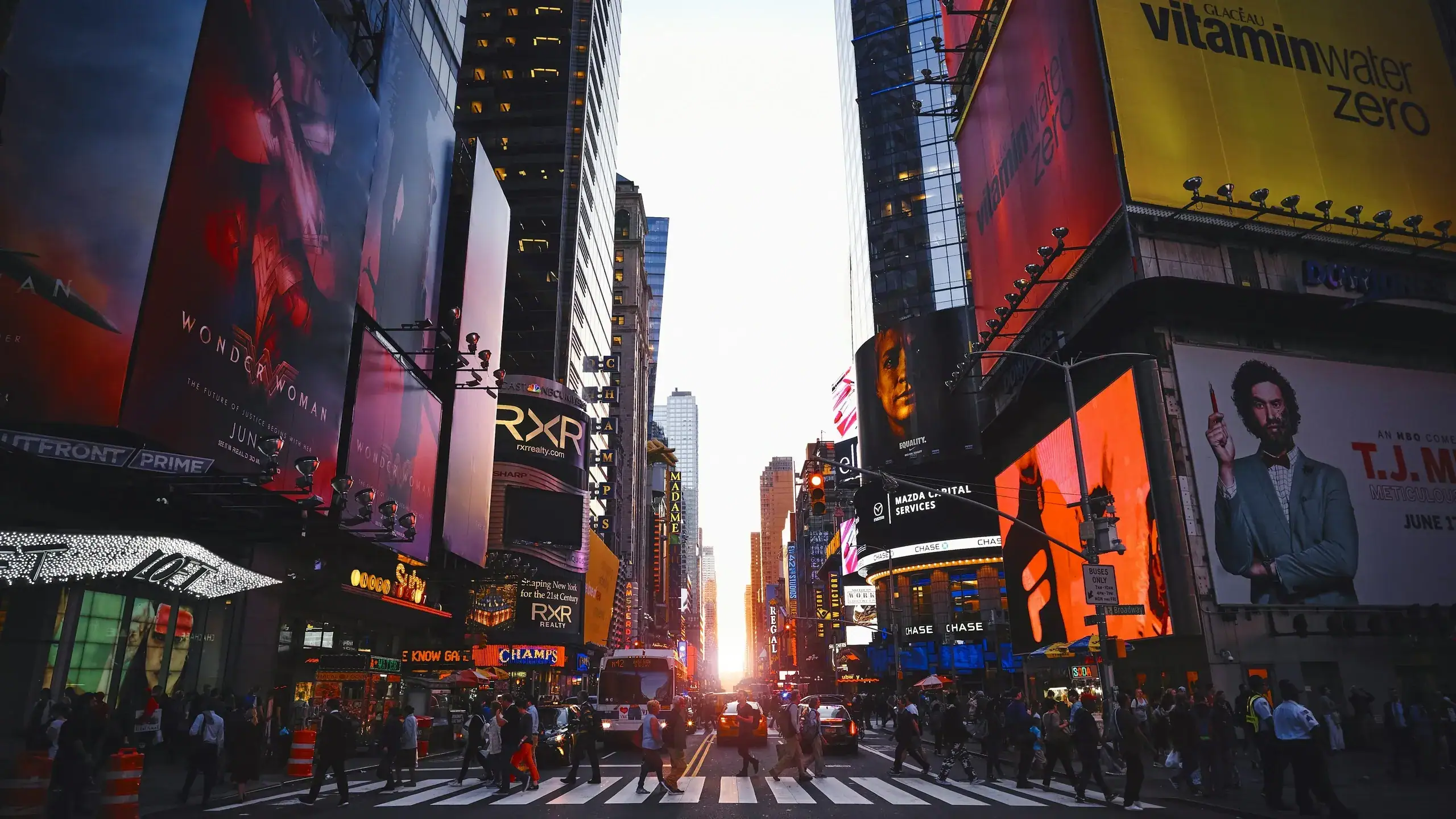
New York City should be given at least 5 days on a first visit; most people give it 2–3 and feel overwhelmed rather than converted. The MoMA, Brooklyn, the High Line, and a single great meal in the West Village are more rewarding than a Times Square-and-Statue-of-Liberty checklist. New England in September–October is the best leaf-peeping in the world: Vermont's Route 100, New Hampshire's Kancamagus Highway, and the Connecticut River Valley turn into a colour cascade that justifies the entire trip. Washington DC is one of the world's best cities for free exceptional museums (the entire Smithsonian is free) and is systematically underused as a destination. Philadelphia's Reading Terminal Market, the Barnes Collection, and the food corridor on East Passyunk Avenue are genuinely underrated.
Editor's tips
- NYC hotel prices drop 20–30% in January–February — the city is cold but fully functional and uncrowded
- Amtrak's Vermonter and Downeaster trains offer the best way to see New England without renting a car
- Cape Cod's best beaches (Nauset, Head of the Meadow) are on the outer Cape — avoid the canal corridor
The Southeast: food, music, and beaches
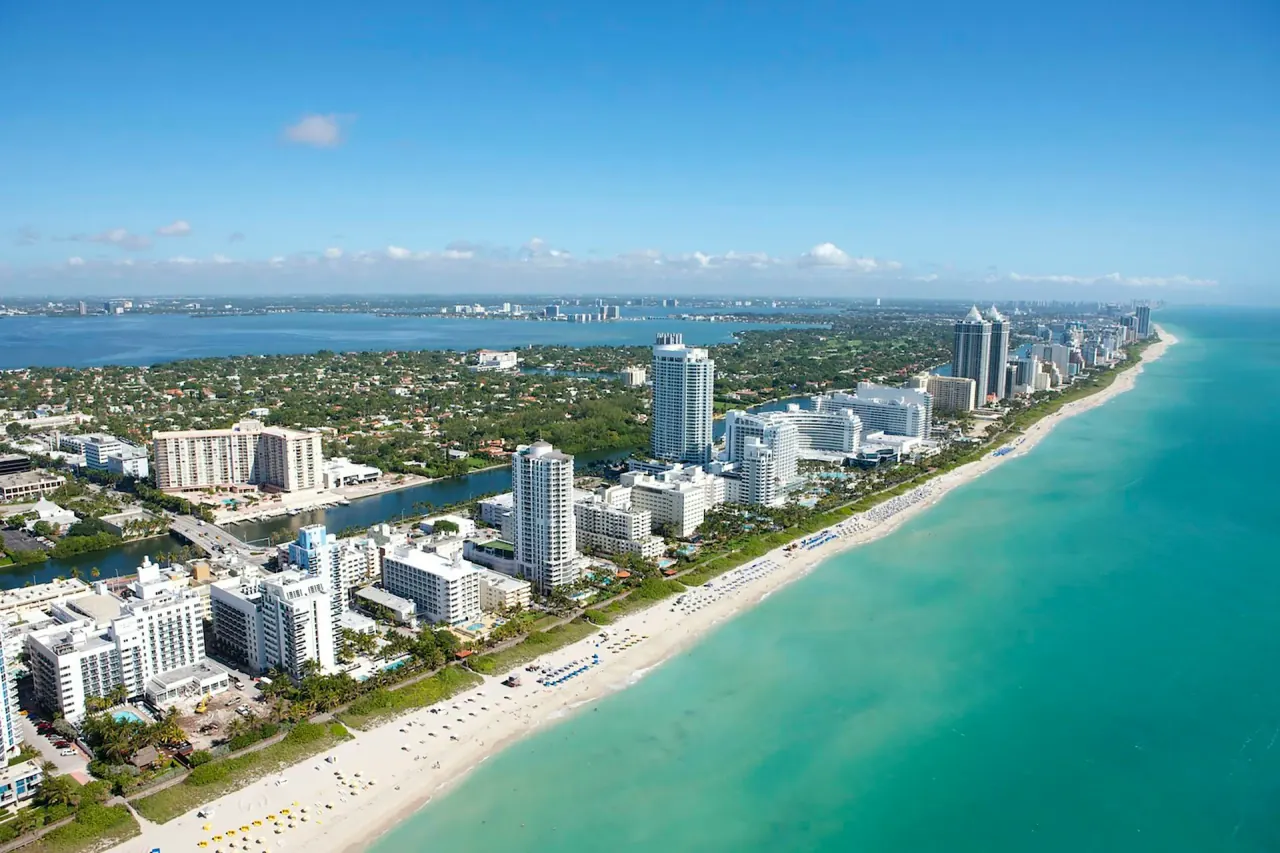
New Orleans is the most culturally distinctive city in the United States — arguably in the hemisphere. The food (Commander's Palace, Dooky Chase, Central Grocery's muffuletta), the music (Preservation Hall, Frenchmen Street), and the architecture (the Garden District, the French Quarter's iron lace balconies) are all genuinely singular. Nashville is excellent for live music and overrated as a city. Savannah, Georgia is the most beautiful urban streetscape in the South — live oaks draped with Spanish moss over 22 squares, a walkable historic core, and a legitimately good restaurant scene. The Florida Panhandle's 30A corridor (Seaside, Rosemary Beach, Watercolor) has the best white-sand beaches in the continental US, with water colour that reads as Caribbean. Best months: October through April.
The Midwest: Chicago and the underrated middle
Chicago is one of the three genuinely exceptional US cities (with New York and New Orleans), and it's the most underestimated of the three. The architecture is the best urban streetscape in the world outside Europe — a boat tour on the Chicago River is more architecturally instructive than most museum visits. The food scene runs from the Alinea (still one of the world's best restaurants) to exceptional deep-dish pizza to Michelin-starred Korean and Japanese that would rank in Tokyo's top tier. Beyond Chicago: the Boundary Waters Canoe Area in Minnesota is the best wilderness canoeing in North America. The Dunes National Park in Indiana is a genuinely underrated 15,000-acre National Park on Lake Michigan. Door County, Wisconsin is the Midwest's Cape Cod — with better cheese.
Hawaii: four islands, four different trips
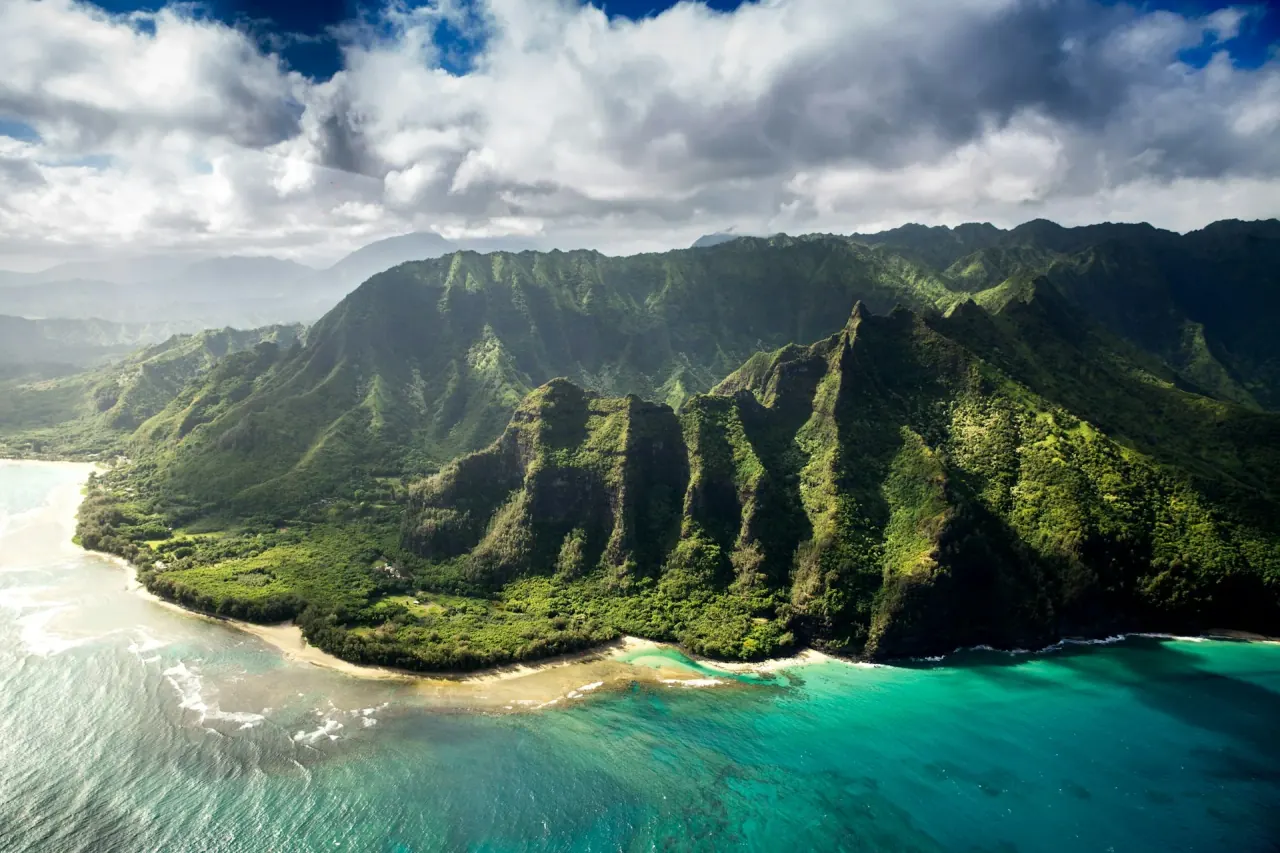
Hawaii is not one destination. Oahu (Honolulu, Waikiki, North Shore) is the most touristed and has the best infrastructure; it's right for first-time visitors who want the full Hawaii experience without logistical complexity. Maui has the best beach concentration (Makena, Kaanapali, Hamoa) and the Road to Hana is a legitimately remarkable day drive. Kauai is the most dramatically beautiful island — the Na Pali Coast, Waimea Canyon, and Hanalei Bay make it the choice for scenery-over-amenities travellers. The Big Island is for active travellers: active lava flows at Hawaii Volcanoes National Park, Mauna Kea stargazing, and snorkelling with manta rays at night in Kona are all exceptional experiences unavailable elsewhere. Travel window: April–June and September–November (shoulder season: good weather, smaller crowds, 20% cheaper than peak).
Getting There: Flight Options
Compare live prices across 500+ airlines and booking platforms. Flexible date search lets you find the cheapest nearby dates.
Activities & Local Experiences
Join small-group tours led by local experts — temple visits, cooking classes, trekking, and more. Instant confirmation, free cancellation on most.
Hotels & Accommodation
Filter by price, rating, location, and amenities. Read verified guest reviews and compare rates across all major booking platforms.
Frequently asked questions
It depends entirely on what you want. For nature: the Southwest (Zion, Bryce, Arches). For cities: New York, Chicago, or New Orleans. For beaches: Florida's 30A corridor or Hawaii. For mountains: the Pacific Northwest. For autumn scenery: Vermont and New Hampshire in October. There is no single 'best' — pick your experience type first.
The US rewards the traveller who makes one choice clearly: do you want nature, cities, beaches, culture, or food? Pick your answer honestly, pick the region that delivers it best, and go deeper rather than wider. The mistake is always trying to cover too much geography — the country is too vast for a 'greatest hits' approach to work. Five days in one good US city or one national park area produces a better trip than ten days trying to combine New York, Nashville, and New Orleans into a single itinerary.
Get there
Flights
One search across 700+ airlines — find the real lowest fare for your dates.
Search flightsWhere to stay
Hotels
Browse verified hotels and stays — instant confirmation, secure booking.
Book on KKdayThings to do
Activities
Tours, attractions, and day trips — free cancellation on most experiences.
Book on KlookTours & Experiences
Book the experiences, not just the trip
Skip-the-line tickets, guided tours, and day trips — free cancellation on most, confirmed instantly.
About the author
Marcus Chen
Hotels & Deals Editor · Based in New York City
Marcus reviews hotels for a living — and has slept in over 400 of them. Before TravelBuzzy, he ran the hotel desk at a major loyalty publication and consulted for two boutique hotel groups. He covers the Americas, Japan, and luxury travel.
Read next — destinations
More from The Edit
When to Go
Best Places to Travel in January 2026 — 10 Destinations Worth the Winter Escape
January has lower prices, lighter crowds, and a version of almost every major destination that most people who've visited in peak season have never seen. Here's where to go.
12 min read
When to Go
Best Time to Travel to Hawaii in 2026 — An Honest Island-by-Island Seasonal Guide
Hawaii has no bad month — but it has dramatically different months. The visitors who have the best time are the ones who understand which island to pick and why April is the sweet spot that most guides skip.
13 min read
Itineraries
Route 66 in 2026: The Definitive Road Trip Before the Centennial Crowds Hit
Route 66 turns 100 on November 11, 2026. The anniversary events are selling out, motel prices are climbing, and the window for driving the Mother Road without a crowd is closing fast.
15 min read