
7 Days in Hawaii: The Honest Island-Hopper's Itinerary
Hawaii is four completely different destinations wearing the same name. Spending all seven days on Oahu is the most common mistake. Here is the week that shows you the range.
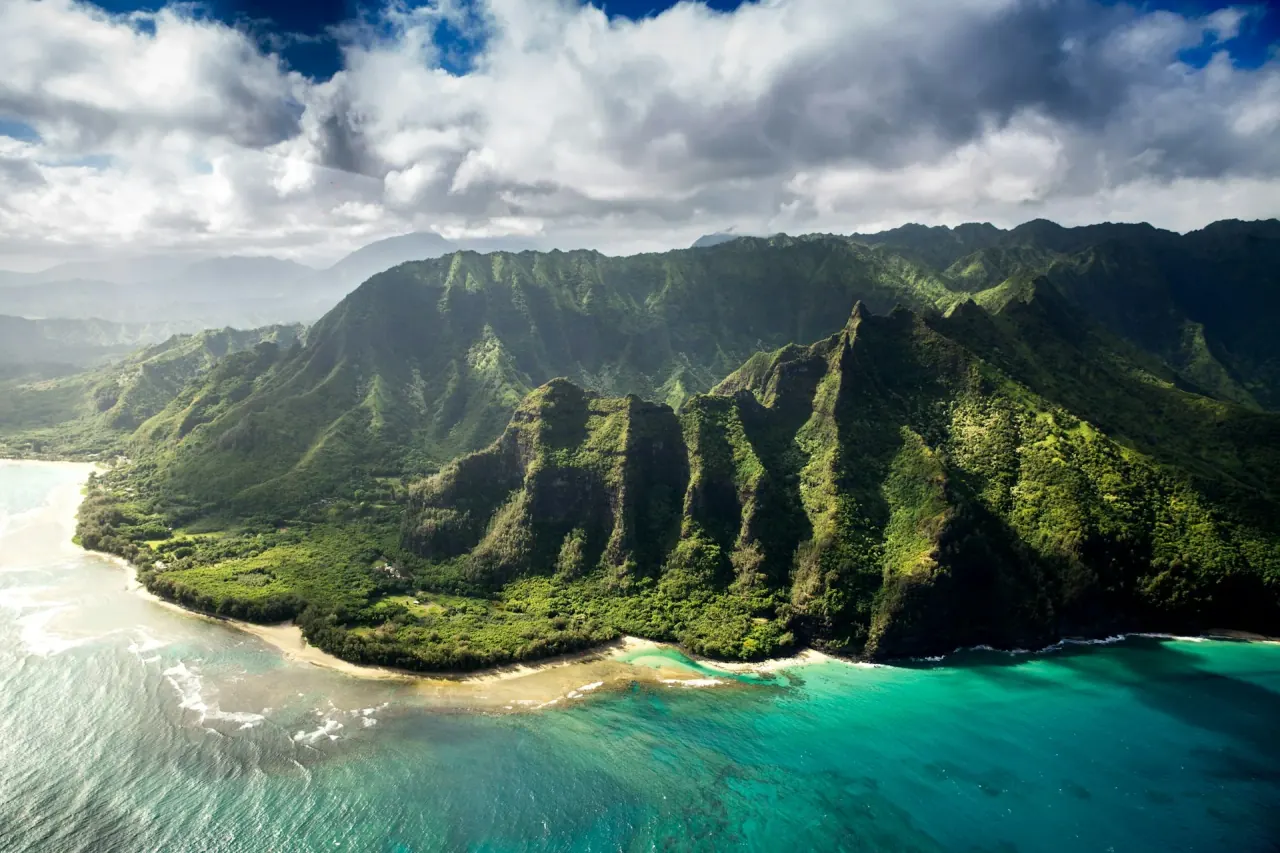
Hawaii's four main islands are distinct enough to constitute separate destinations. Oahu is the urban one — Honolulu, Waikiki, Pearl Harbor. Maui is the romantic one — the Road to Hana, Haleakala sunrise, the best snorkelling in the state. The Big Island is the geological one — active lava, Mauna Kea stargazing, black sand beaches. Kauai is the most beautiful one — the Na Pali Coast, Waimea Canyon, and the lushest landscape in the archipelago. Seven days can't do all four justice. This itinerary picks the three that make the most logical circuit and leaves Kauai for the return trip, which you will plan before you leave. For related planning, see our 7 Days in New York guide, or 7 Days in the Maldives if that fits your trip better.
Planning this trip?
Find flights now
Compare prices across 700+ airlines and OTAs in one search — find the real lowest fare without the inflated middleman markup.
Search flightsNeed a place to stay?
Search hotels
The split: Oahu 2 nights, Maui 3 nights, Big Island 2 nights
The itinerary runs Oahu (2 nights) ? Maui (3 nights) ? Big Island (2 nights), with inter-island flights on Hawaiian Airlines ($50–120 each way, book at least 3 weeks ahead). This sequence puts the most urban experience first — useful for jet lag acclimatisation — and saves the most dramatic landscape (volcanic Big Island) for the end. The alternative split, doing Big Island first from the US west coast, works equally well. What doesn't work: spending all seven days on Oahu, which is the most common first-time Hawaii mistake. Waikiki is beautiful but it's also the most expensive beach resort in America, and the rest of the archipelago is more interesting.
Oahu: Pearl Harbor, the North Shore, and the correct beach
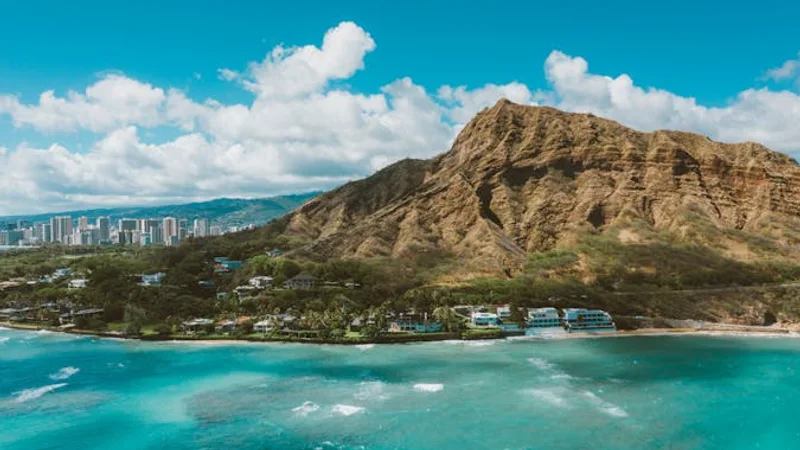
Waikiki Beach is famous for a reason — the crescent of sand backed by Diamond Head crater is genuinely beautiful. But it's also the most crowded and expensive beach in the state. The better beaches within easy Oahu reach: Lanikai Beach (the most photographed beach in Hawaii, 30 minutes east of Honolulu — arrive before 8am), Kailua Beach (adjacent to Lanikai, larger and better for swimming), and the North Shore's Waimea Bay (the world's most famous big-wave surf beach — watch from the beach in winter months when swells can reach 30 feet). Pearl Harbor: the USS Arizona Memorial is free but requires advance booking through recreation.gov. The Battleship Missouri Museum is the better-value option for understanding the Pacific War context ($35). Honolulu's Chinatown — specifically the Saturday morning Oahu Farmers Market at KCC — is the best food introduction to the islands.
Editor's tips
- Pearl Harbor USS Arizona Memorial requires advance timed-entry booking — walk-up availability is extremely limited
- The North Shore shrimp trucks at Haleiwa are a genuine institution — Giovanni's is the most famous, Fumi's is arguably better
- Sunrise at Diamond Head crater (30-minute hike, $5 entry) is the best Oahu morning activity
Maui: Haleakala, Road to Hana, Molokini
Maui's three unmissable experiences each require early starts and advance planning. Haleakala sunrise: the 10,023-foot dormant volcano summit requires a sunrise timed-entry permit (recreation.gov, $1 reservation fee, releases 60 days ahead — they go within hours). The sunrise from above the cloud layer is among the extraordinary experiences in the Pacific. Road to Hana: a 64-mile one-way drive with 617 curves and 59 bridges through rainforest, past waterfalls, black sand beaches, and bamboo groves. The destination (Hana town) is less important than the journey. Depart by 7am. Molokini Crater snorkelling: the submerged volcanic caldera 2.5 miles off Maui's south coast has 150-foot visibility and 250+ species of fish — the best snorkelling in Hawaii. Book a morning catamaran from Ma'alaea Harbor ($80–120). Wailea beach on Maui's south shore is the best swimming beach on the island — calmer waters than the windy north coast.
Big Island: lava, Mauna Kea, black sand, manta rays
The Big Island is geologically the most active place in America — Kilauea volcano at Hawai'i Volcanoes National Park has been erupting continuously, with dramatic lava lake activity visible from the Kilauea Overlook. The park requires an advance entry reservation ($35/vehicle). Chain of Craters Road through the park ends at a lava delta where old flows have entered the sea — the landscape is as close to another planet as most people will ever get. Mauna Kea summit (13,796 feet) for stargazing: drive up in a 4WD in the afternoon, acclimatise at the Visitor Information Station at 9,200 feet for 30 minutes, then summit for sunset and the stars. The Visitor Information Station has free telescope nights on clear evenings. Punalu'u Black Sand Beach in the south — the most accessible black sand beach in the state, with green sea turtles (honu) resting on the sand year-round. Snorkelling with manta rays off the Kona coast at night (guided boat tour, $80–120) is the most unusual marine experience available in Hawaii.
Inter-island logistics and a realistic pace
Island-hopping looks simple on a map, but each flight adds airport time, so count travel days honestly. Short hops still involve check-in, security and a rental car pick-up, which can eat half a day. Book flights between islands early in the morning or late afternoon depending on your priorities, and avoid tight connections with international arrivals. Reserve rental cars for every island in advance, since availability can be limited. Leave buffer time before any tour, and accept that weather may change plans, especially at high elevations. If the schedule feels rushed, consider dropping one island and spending the saved time on beaches and slow meals, which is usually what people remember most.
Ocean safety and respectful visiting
Hawaii's beaches are beautiful and can be dangerous, so ocean awareness belongs in the plan. Winter swells bring powerful surf to many north-facing shores, and currents and shore breaks can hurt even strong swimmers. Look for lifeguards, follow posted warnings and never turn your back on the sea. Snorkel in calm areas and check conditions locally before entering the water. On land, respect closures and signs, stay on marked trails and treat sacred sites and cultural places with care, since many locations matter deeply to local communities. Use reef-safe sunscreen, avoid touching or feeding wildlife and keep a safe distance from turtles and seals, which are protected. Volcanic areas can present hazards such as gases and unstable ground, so follow park advice. Book popular sunrise and tour permits ahead, and allow for changing weather at high elevations. Good judgement in the water and on the trail keeps the trip safe and the islands well cared for.
Flights, Car Hire, and Island-Hopping
Fly into Honolulu (HNL) and out of Kona (KOA) on the Big Island. Hawaiian Airlines inter-island connections are the most reliable. Rent a car on each island — public transport in Hawaii is inadequate for the itinerary above.
Book Experiences
Haleakala sunrise permits, Molokini snorkel catamarans, Hawai'i Volcanoes National Park entry, and manta ray night dives all require advance booking.
Frequently asked questions
Maui is the most complete first-time Hawaii experience — the Road to Hana, Haleakala volcano, exceptional snorkelling at Molokini, and excellent beaches. It's more interesting than Oahu's resort-heavy Waikiki and more accessible than the Big Island's sparse infrastructure. The ideal first visit combines Oahu (for Pearl Harbor and Honolulu context) with Maui (for the natural highlights).
Hawaii earns its reputation, but only when you leave the island you arrived on. The archipelago's range — from the urban energy of Honolulu to the active lava fields of the Big Island — is what makes it genuinely extraordinary rather than merely beautiful. Seven days across three islands is the minimum to feel that range. The fourth island (Kauai) will wait for the return trip you will absolutely plan before you land back home.
Get there
Flights
One search across 700+ airlines — find the real lowest fare for your dates.
Search flightsWhere to stay
Hotels
Browse verified hotels and stays — instant confirmation, secure booking.
Book on KKdayThings to do
Activities
Tours, attractions, and day trips — free cancellation on most experiences.
Book on KlookTours & Experiences
Book the experiences, not just the trip
Skip-the-line tickets, guided tours, and day trips — free cancellation on most, confirmed instantly.
About the author
Camille Laurent
Senior Travel Editor · Based in Lisbon · Bali
Camille has spent the last 9 years living in or reporting from over 60 countries. Former contributor to Condé Nast Traveler and Monocle, she focuses on Southeast Asia, Mediterranean Europe, and the Middle East. Currently based between Lisbon and Bali.
Read next — destinations
More from The Edit

Itineraries
7 Days in New York: The Definitive First-Timer's Itinerary
Seven days sounds like a lot for any city. For New York, it's the minimum needed to feel like you've understood more than one neighbourhood. Here is the week that makes the city legible.
15 min read
Itineraries
7 Days in the Maldives: The Honest Honeymoon Guide
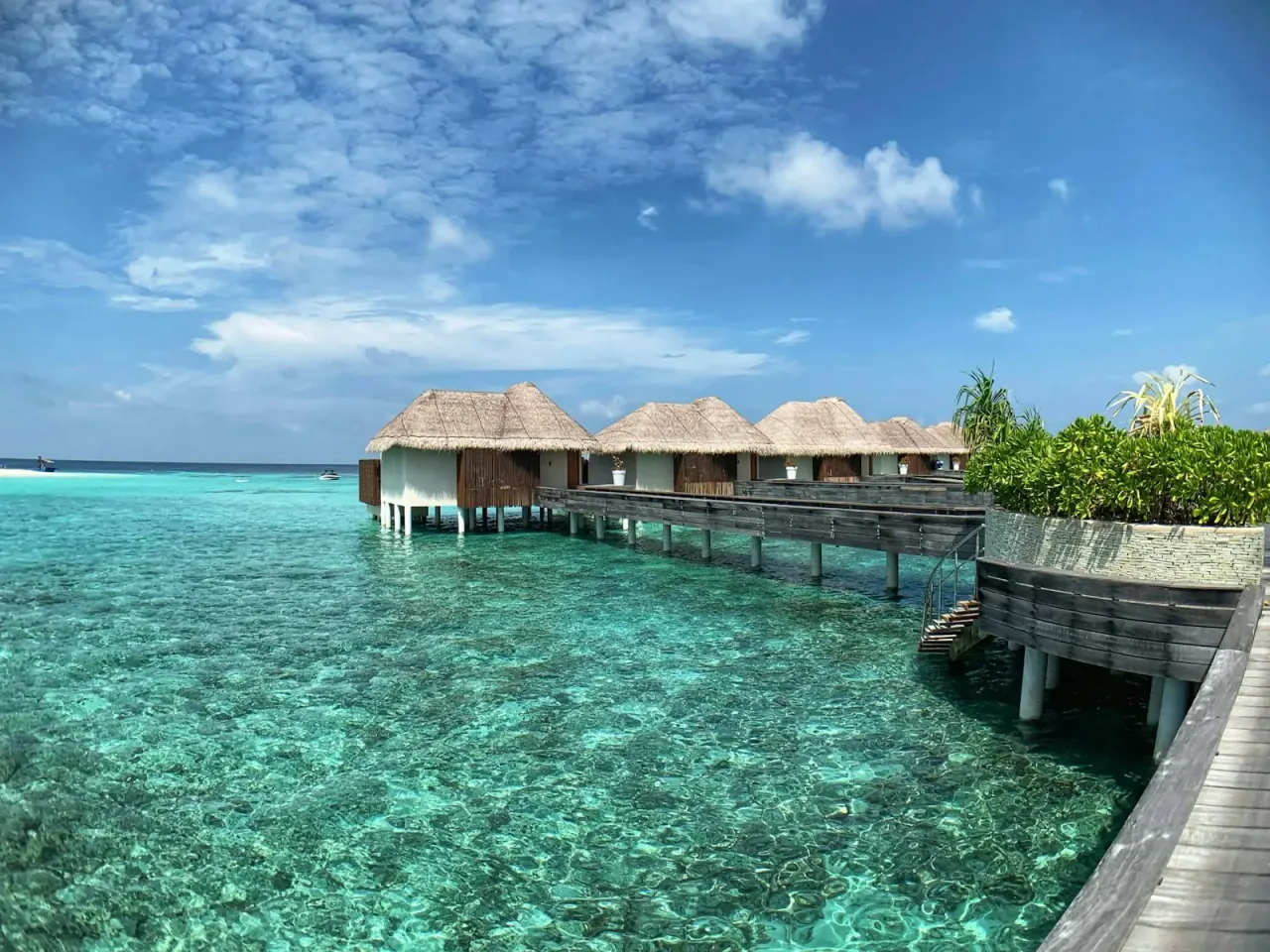
The Maldives delivers everything the photographs promise. The water is exactly that colour. The overwater bungalow is exactly that remote. The question is which of the 1,100 islands is right for what you want — and how to avoid spending three of your seven days in transit.
13 min read