
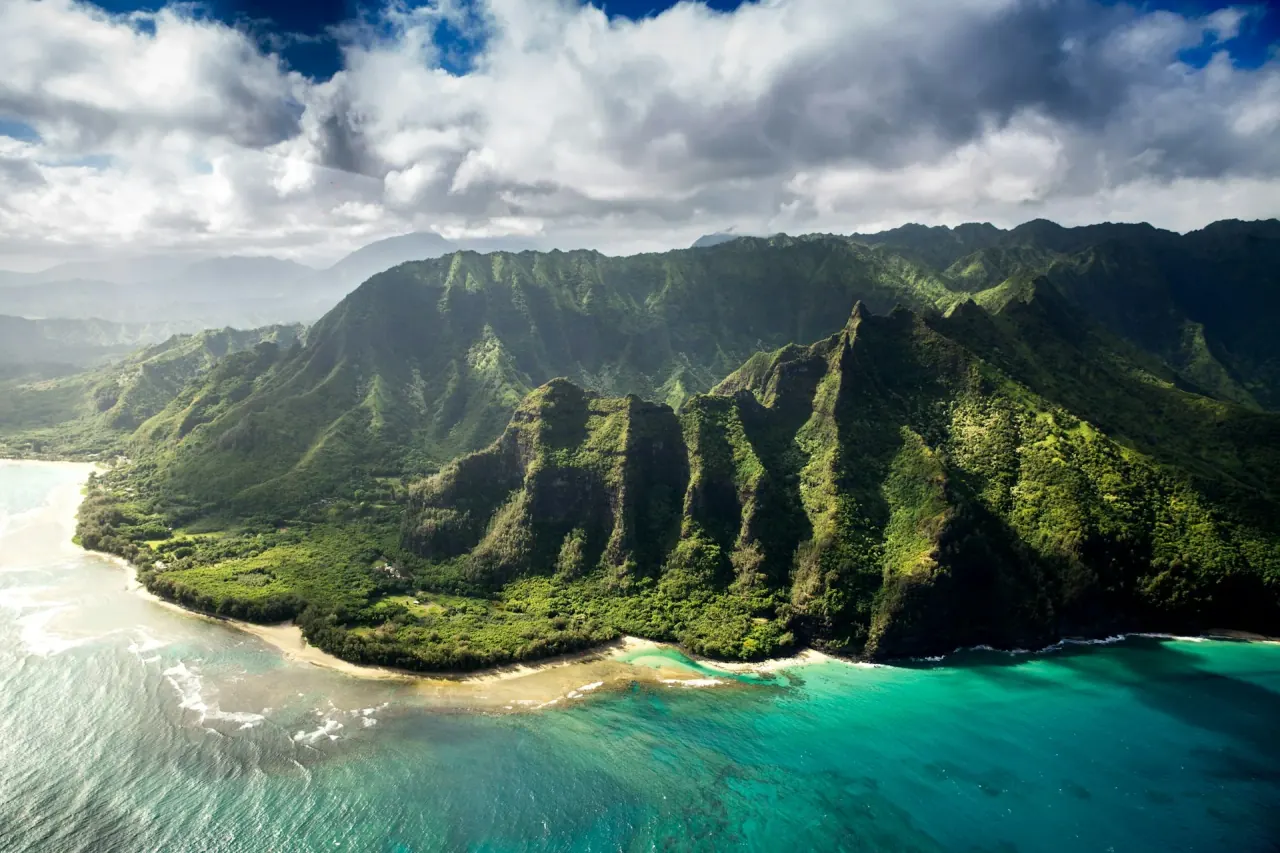
Best Time to Travel to Hawaii in 2026 — An Honest Island-by-Island Seasonal Guide
Hawaii has no bad month — but it has dramatically different months. The visitors who have the best time are the ones who understand which island to pick and why April is the sweet spot that most guides skip.
Hawaii is the most consistently enjoyable US destination regardless of month — but 'consistently enjoyable' is not the same as 'uniform'. Maui in February is whale-watching peak but also accommodation-peak: prices can hit $500–800/night for a mid-range hotel room. Oahu in January has the Eddie Aikau surfing event and the North Shore at its most dramatic — and also the most congested Waikiki you'll encounter. Kauai's north shore in winter can rain for days at a time; its south shore stays dry. Understanding which Hawaii you want, and which island delivers it when, is what separates the travellers who say 'Hawaii was everything' from the ones who say 'Hawaii was fine but expensive'.
Planning this trip?
Find flights now
Compare prices across 700+ airlines and OTAs in one search — find the real lowest fare without the inflated middleman markup.
Search flightsNeed a place to stay?
Search hotels
April–May: the underused sweet spot
April and May represent Hawaii's best value window by a significant margin. The humpback whale season ends in March–April (most whales have migrated north by mid-April), which removes the primary December–March justification for peak pricing. School holidays haven't begun in most US states. The North Shore surf has calmed to snorkellable conditions (water flat from April through September). Kauai's north shore rain frequency decreases in April as the trade winds stabilise. Lava viewing on the Big Island is unaffected by season. Hotel prices run 15–25% below the December–March peak. Flight prices run similar discounts. For most travellers without specific whale-watching or winter surf goals, April–May is the optimal window — same beaches, same ocean temperature (25–26°C), same aloha, fewer people, lower prices.
Editor's tips
- April 15–May 15 is the single best price-to-quality window in Hawaii — book accommodation 6–8 weeks ahead rather than the 3–4 months needed for peak season
- Snorkelling at Molokini Crater (Maui) is best in April–June — calm water, excellent visibility, and morning tours available without the demand compression of peak months
- The Road to Hana in April has full waterfall flow from winter rain but clear, drivable conditions — better than December's potential flooding and August's traffic
December–March: peak season and its specific merits
Hawaii's peak season exists for good reasons. Humpback whale watching: North Pacific humpback whales winter in Hawaii's waters from roughly November through April, with the peak concentration in January–March. Maui's Auau Channel (between Maui, Moloka'i, and Lana'i) is the most significant humpback breeding and calving ground in the Northern Pacific — whale-watching boats from Lahaina run December through April, and seeing 20–30 humpbacks in a single morning trip is realistic. The North Shore of Oahu from November through February has waves 20–40 feet high at Banzai Pipeline, Sunset Beach, and Waimea Bay — the world's most dramatic accessible surf environment during this window. Skiing on Mauna Kea (Big Island): the 13,796-foot summit occasionally receives snow in winter, producing Hawaii's uniquely tropical-Arctic skiing experience. None of this requires the December–March premium if whales and winter surf aren't your goals.
Island-specific timing: where to go when
Oahu is the most weather-stable island year-round (Honolulu averages 274 sunny days annually) — there's no wrong month, but December–February adds the North Shore surf spectacle. Maui's north shore (Hāna side) can be rainy November–March; Kaanapali and South Maui are drier. Best Maui months: April–June and September–November. Kauai is the wettest island and the one where timing matters most. The north shore (Hanalei, Na Pali) averages 65–80 inches of rain annually — January–March is the wettest period, July–September the driest. The south shore (Poipu, Waimea Canyon) is consistently 40–50% drier than the north year-round. If Kauai's Na Pali Coast is your priority, June–September is the only reliable boat-access window. The Big Island: Hilo (east side) is wet year-round; Kona (west side) is dry. Volcanic activity at Kīlauea is essentially season-independent — check nps.gov/havo for current eruption status.
September–October: the authentic local window
September and October in Hawaii have the smallest tourist presence of any month outside the very beginning of June (before schools close). Most American families have returned from summer travel; the December holiday demand hasn't yet hit. What you find: hotels at annual or near-annual price lows, restaurant reservations available at any establishment without weeks of advance planning, beaches that are populated by Hawaii residents rather than tourists, and the same water temperature and sunshine as June. The ocean is at its warmest — September water temperatures reach 27–28°C on all islands. Kauai's north shore, which sees significant rain November–March, is at its driest and most accessible September–October. Oahu's Waimea Bay, which is dangerous for swimming in winter (20-foot swells), is flat and snorkellable in September. This is the Hawaii that most repeat visitors return to.
Editor's tips
- September is hurricane season in Hawaii — not common, but Tropical Storm Iselle (2014) was a reminder the risk exists. Check nhc.noaa.gov if a named storm is active within 500 miles of the islands.
- Hawaii's Green Sea Turtle (honu) nesting season is May–October — the best snorkelling encounters with turtles at Laniakea Beach (Oahu) and Poipu Beach (Kauai) are in this window
- The Ironman World Championship triathlon in Kona (Big Island) takes place in October — accommodation in Kona during race week (typically second Saturday of October) is booked a year ahead
Practical planning: inter-island flights and what to prioritise
Hawaii's inter-island flights (primarily Mokulele Airlines and Southwest, which entered the market in 2019) run $30–80 one way and are a realistic part of any multi-island itinerary. A 7-night trip is barely enough for a single island done properly; a 10–14 night trip allowing 5 nights per island is the right framework for a two-island visit. The most popular two-island combination: Oahu + Maui. The most rewarding: Maui + Kauai (for dramatic landscape without Oahu's urban infrastructure). The most adventurous: Big Island + Kauai (volcanic + wilderness). Budget per person per day (all in, including accommodation): budget traveller $150–200 (hostel/Airbnb, own food most meals), mid-range $350–500 (3-star hotel, restaurant dinners 3x per week), luxury $800–1,500+ (4–5 star resort, boat tours, fine dining). Hawaii is expensive — the islands import 90% of their food and fuel.
Find the Best Flight Deals
Prices vary dramatically by month. Compare live fares from hundreds of airlines to lock in the cheapest window for your travel dates.
Where to Stay
From boutique guesthouses to luxury resorts, the accommodation you choose shapes the trip. Filter by neighbourhood, price, and guest rating to find your match.
Tours & Activities
Skip the tourist traps. Book directly with vetted local operators — skip-the-line access, small groups, and money-back guarantees included.
Frequently asked questions
April–May is the best overall value month: good weather on all islands, 15–25% below peak pricing, no school holidays compressing availability, and the ocean at excellent temperature (25–26°C). September–October is the quietest month with annual low prices. December–March is peak season with specific merits (whale watching, winter surf).
The best time to visit Hawaii is the honest answer to the question 'what do you specifically want?'. If humpback whales are the centrepiece: December–March, Maui, book now. If dramatic winter surf photography is the goal: November–February, Oahu's North Shore, book by September. If the same Hawaii without the premium: April–May or September–October. If a specific island experience is the goal: read the island-specific timing section above. Hawaii has no month that categorically fails — it has months that deliver different things. Match your expectations to the specific conditions, and the trip will deliver.
Get there
Flights
One search across 700+ airlines — find the real lowest fare for your dates.
Search flightsWhere to stay
Hotels
Browse verified hotels and stays — instant confirmation, secure booking.
Book on KKdayThings to do
Activities
Tours, attractions, and day trips — free cancellation on most experiences.
Book on KlookTours & Experiences
Book the experiences, not just the trip
Skip-the-line tickets, guided tours, and day trips — free cancellation on most, confirmed instantly.
About the author
Marcus Chen
Hotels & Deals Editor · Based in New York City
Marcus reviews hotels for a living — and has slept in over 400 of them. Before TravelBuzzy, he ran the hotel desk at a major loyalty publication and consulted for two boutique hotel groups. He covers the Americas, Japan, and luxury travel.
Read next — destinations
More from The Edit

Travel Guides
Best Places to Travel in the US in 2026 — A Region-by-Region Honest Guide
48 states. Six years. One observation: the travellers with the best US trips are the ones who pick a region, not a landmark — and go deep instead of wide.
13 min read
When to Go
Best Places to Travel in January 2026 — 10 Destinations Worth the Winter Escape
January has lower prices, lighter crowds, and a version of almost every major destination that most people who've visited in peak season have never seen. Here's where to go.
12 min read
When to Go
Best Time to Travel to Iceland — A Season-by-Season Honest Guide
Puffins, aurora, midnight sun, and the Laugavegur trek don't share a season. Iceland in summer and Iceland in winter are two different countries — here's which one you're actually booking.
11 min read