
7 Days in New York: The Definitive First-Timer's Itinerary
Seven days sounds like a lot for any city. For New York, it's the minimum needed to feel like you've understood more than one neighbourhood. Here is the week that makes the city legible.
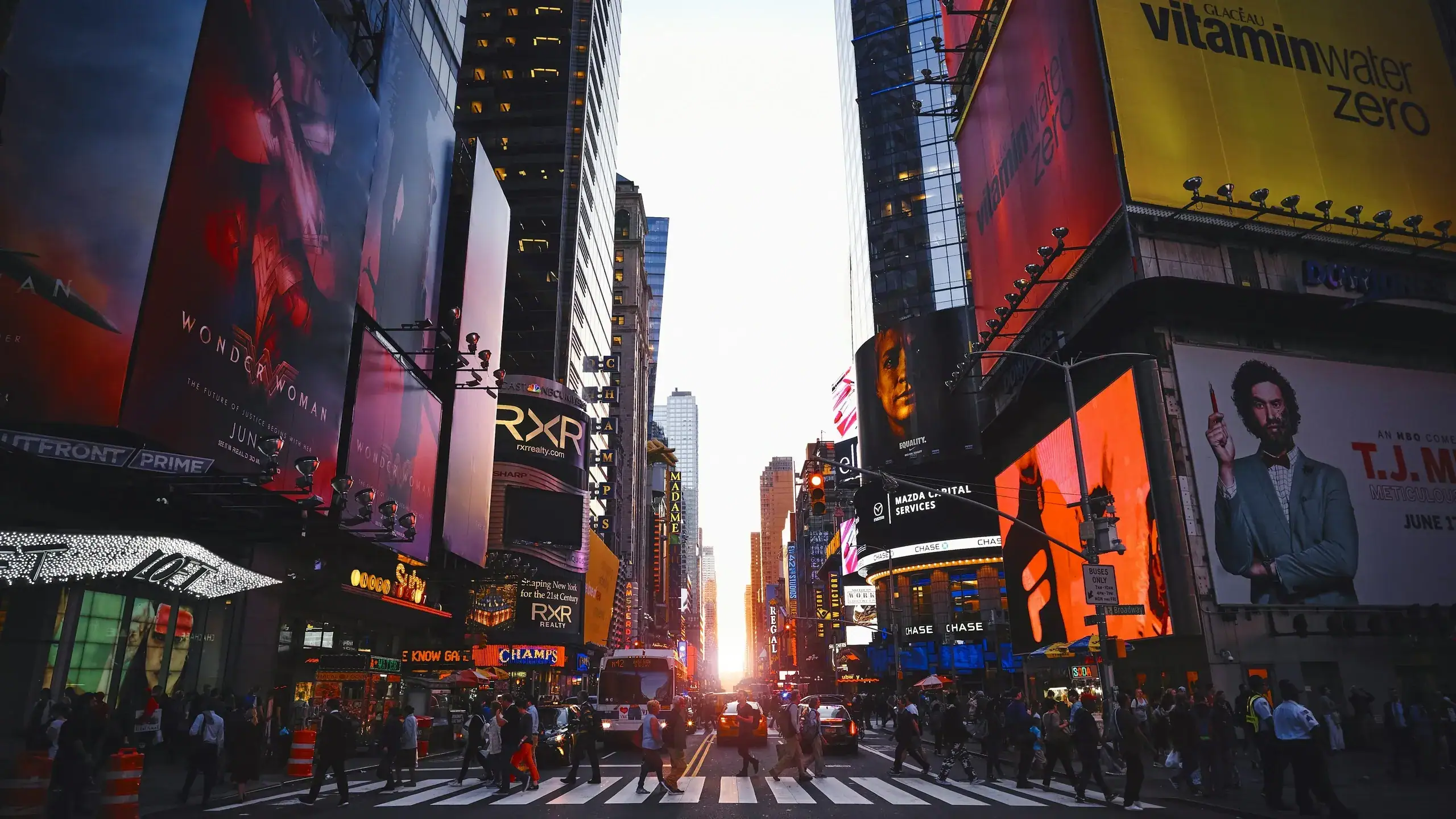
New York is the only city in the world where seven days can pass and you feel you've barely started. The borough of Brooklyn alone could absorb a week of intelligent exploration. This itinerary doesn't pretend to resolve that contradiction — it works instead from a different premise: give the visitor a functional mental map of the city's distinct districts, one deep experience per day, and enough flexibility to follow the energy wherever it leads. The checklist version of New York (Statue of Liberty, Times Square, Empire State Building) leaves visitors feeling like they've processed a greatest-hits album. This version gives you the city. If you're planning further, our 7 Days in Hawaii — Island by Island Itinerary guide and 5 Days in Barcelona — The Perfect Itinerary guide cover the logical next steps.
Planning this trip?
Find flights now
Compare prices across 700+ airlines and OTAs in one search — find the real lowest fare without the inflated middleman markup.
Search flightsNeed a place to stay?
Search hotels
Logistics: getting around and where to stay
Stay in Midtown if proximity to everything is the priority, but the better choices for an interesting experience are the Lower East Side (the most architecturally interesting and food-dense neighbourhood below 14th Street), the West Village (characterful, expensive, walkable to everything below 23rd Street), or Brooklyn Heights (across the bridge, quieter, extraordinary Manhattan views from the Promenade). The subway is the correct transportation for anything more than 20 blocks — a 7-day MetroCard ($34) covers unlimited rides. Yellow taxis and Uber/Lyft are for late nights or specific cross-town journeys. Never take a car into Midtown Manhattan during business hours — it will take twice as long as the subway.
Day 1 — Lower Manhattan: history, the bridge, Brooklyn
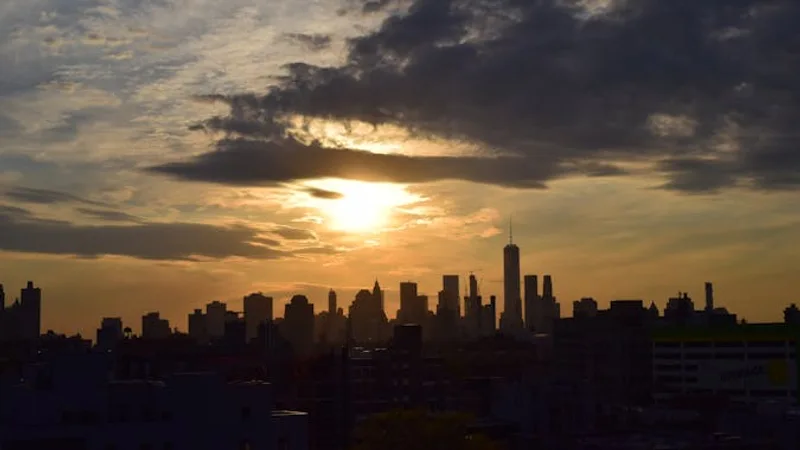
Start at Battery Park for the Statue of Liberty ferry view without paying for the island ticket (the view from the Battery Park waterfront is adequate for a first visit — save the island for a second trip). Walk north through the Financial District: Wall Street, the Federal Hall, Trinity Church, and the 9/11 Memorial and Museum (sobering and important — 2 hours minimum; book tickets online). Cross the Brooklyn Bridge on foot, 30 minutes, one of the great urban walks in the world. Arrive in DUMBO (Down Under the Manhattan Bridge Overpass): Jane's Carousel on the waterfront, the gap-frame Manhattan view from Washington Street, and the creative studios around the old Tobacco Warehouse. Walk uphill 10 minutes to Brooklyn Heights Promenade for the complete Manhattan skyline photograph. Dinner in Brooklyn Heights or Carroll Gardens — Lucali for pizza (cash only, arrive early and expect a wait) or Any Frankies on Court Street.
Editor's tips
- The 9/11 Memorial pools are free; the museum requires a ticket — book online to skip the queue
- Walk the Brooklyn Bridge from Manhattan to Brooklyn (not the reverse) for the better view
- Lucali requires an in-person wait-list addition — go when they open at 5pm and put your name down
Day 2 — MoMA, Central Park, and the Upper West Side
MoMA (Museum of Modern Art) is on 53rd Street and requires a full morning — the collection runs from Van Gogh's Starry Night through Pollock and Warhol to contemporary architecture. Book tickets online (€25); Friday evenings are free but crowded. Central Park: enter at 59th Street and walk to the Bethesda Fountain, the Reservoir, and Belvedere Castle (the best free view in central Manhattan). Exit at the Metropolitan Museum of Art on 82nd Street — one of the world's three great encyclopaedic museums, with pay-what-you-wish admission for New York State residents and a suggested fee of $30 for visitors (legally voluntary). Spend 90 minutes in the Met: the Egyptian Wing, the European Paintings galleries, and the rooftop sculpture garden (summer only). Dinner on the Upper West Side: Jacob's Pickles for Southern comfort food and an extraordinary beer list.
Day 3 — The High Line, Chelsea, and the Whitney
The High Line is a 1.45-mile elevated park built on a former freight railway — from Gansevoort Street in the Meatpacking District to 34th Street, with contemporary art installations throughout. Walk it north-to-south (starting at 34th) for the Hudson Yards view at the start, then descend into Chelsea's gallery district (the greatest concentration of contemporary art galleries in the Western world — most are free). The Whitney Museum of American Art at the High Line's southern end is the most relevant of New York's art institutions for understanding contemporary American art (suggested $30 admission). Hudson Yards: the Vessel (the honeycomb spiral staircase) is free to walk up; Edge observation deck ($38) has the best outdoor view of Manhattan from the west side.
Day 4 — Brooklyn: Williamsburg, Bushwick, and a rooftop
Brooklyn is a city within a city. Start at the Williamsburg waterfront at 8am for the sunrise Manhattan view from the East River State Park, then walk Bedford Avenue (the central commercial spine) for coffee at Devoción (the most beautiful café interior in New York) and the dense independent restaurant and bar scene. Afternoon: Bushwick — the street art district. The Bushwick Collective on Troutman Street is the largest outdoor mural gallery in New York, and the surrounding blocks have evolved into among the interesting restaurant scenes in the borough. Return to Manhattan via the J or M train to Delancey, walking through the Williamsburg Bridge. Evening: the Rooftop at 230 Fifth in Midtown for the Empire State Building view at sunset (tourist but genuinely dramatic), or the rooftop bar at the Wythe Hotel in Williamsburg for a local crowd and the Manhattan skyline.
Day 5 — Harlem and the Cloisters
Harlem is the most historically and culturally significant neighbourhood in American urban history and one of the least visited by first-time tourists. Start at the Apollo Theater on 125th Street (tours available, or attend an Amateur Night on Wednesdays). Walk Lenox Avenue to Marcus Garvey Park. Brunch: Sylvia's (the city's most famous soul food restaurant, touristy but historically significant) or Amy Ruth's for fried chicken and waffles. The Cloisters — a 45-minute subway ride to the northern tip of Manhattan — is the branch of the Metropolitan Museum dedicated to medieval art and architecture, set in a reconstructed monastery with Hudson River views. It's among the peaceful and extraordinary museum experiences in the city.
Day 6 — Queens: Flushing, Astoria, and world food
Queens is New York's most ethnically diverse borough and its least visited. Flushing's Chinatown is the most authentic Chinese neighbourhood in the Americas — better for regional Chinese food than Manhattan's Chinatown by a significant margin. Lunch at Gane Tang Noodles or any of the Sichuan and Cantonese restaurants around Main Street and Roosevelt Avenue. Astoria in western Queens is the Greek neighbourhood: the Museum of the Moving Image (one of the world's best film and TV museums), the Bohemian Hall Beer Garden (the oldest beer garden in New York), and the quiet residential streets that feel completely unlike Manhattan. The Noguchi Museum (sculptor Isamu Noguchi's studio and collection, accessible by ferry from Manhattan) is the most beautiful small museum in the city.
Day 7 — Greenwich Village, East Village, farewell
The Village — Greenwich and East — is where New York's intellectual and bohemian history lives. Start at Washington Square Park (the de facto living room of NYU and the neighbourhood), then walk Bleecker Street toward the West Village's cobblestone lanes and Hudson Street. The White Horse Tavern (Dylan Thomas's final drink) and the Stonewall Inn (1969 uprising, now a National Monument) are both on the same 15-minute walk. Afternoon: Essex Market on the Lower East Side for the food hall assembled from the former Essex Street Market vendors. End at the Brooklyn Barge Bar (accessible from Manhattan) or at any of the corner dive bars in the East Village that represent New York as it was before the money arrived. Final dinner: wherever you haven't been yet. The correct farewell meal in New York is determined by the restaurant that still has an available table at 9pm.
Frequently asked questions
Seven days covers New York's essential geography — Manhattan from Lower to Upper, Brooklyn's key neighbourhoods, and a day in Queens. It doesn't cover everything (no city does in a week) but gives you a real mental map of how the city is structured. A second visit builds naturally on what the first trip teaches.
New York's superpower is that it never runs out. The city you leave after seven days is not the city someone else leaves — it depends entirely on which blocks you walked, which subway car you ended up in, and which unremarkable corner turned out to be memorable. The itinerary above is a framework, not a script. Follow it where it works and abandon it where the city offers something better.
Get there
Flights
One search across 700+ airlines — find the real lowest fare for your dates.
Search flightsWhere to stay
Hotels
Browse verified hotels and stays — instant confirmation, secure booking.
Book on KKdayThings to do
Activities
Tours, attractions, and day trips — free cancellation on most experiences.
Book on KlookTours & Experiences
Book the experiences, not just the trip
Skip-the-line tickets, guided tours, and day trips — free cancellation on most, confirmed instantly.
About the author
Marcus Chen
Hotels & Deals Editor · Based in New York City
Marcus reviews hotels for a living — and has slept in over 400 of them. Before TravelBuzzy, he ran the hotel desk at a major loyalty publication and consulted for two boutique hotel groups. He covers the Americas, Japan, and luxury travel.
Read next — destinations
More from The Edit
Itineraries
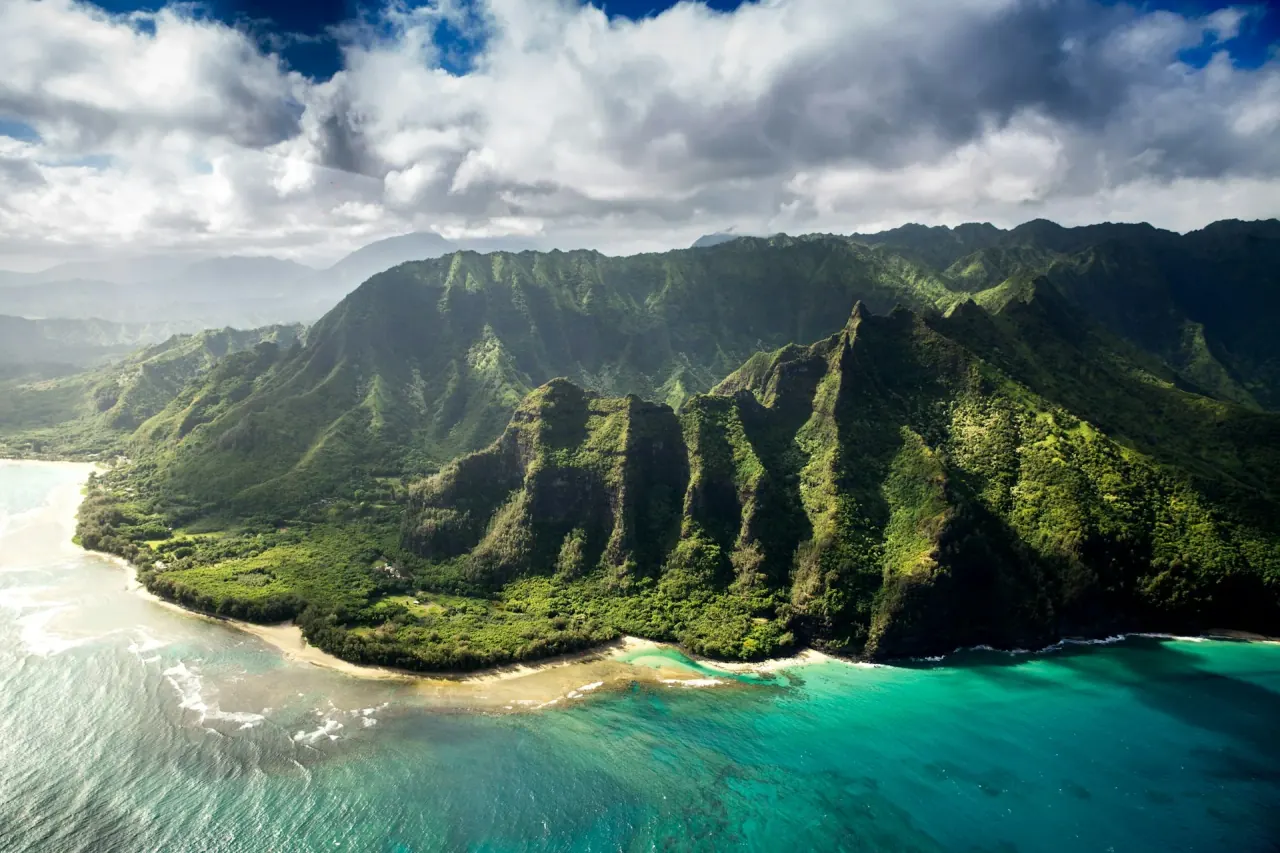
7 Days in Hawaii: The Honest Island-Hopper's Itinerary
Hawaii is four completely different destinations wearing the same name. Spending all seven days on Oahu is the most common mistake. Here is the week that shows you the range.
14 min read
Itineraries
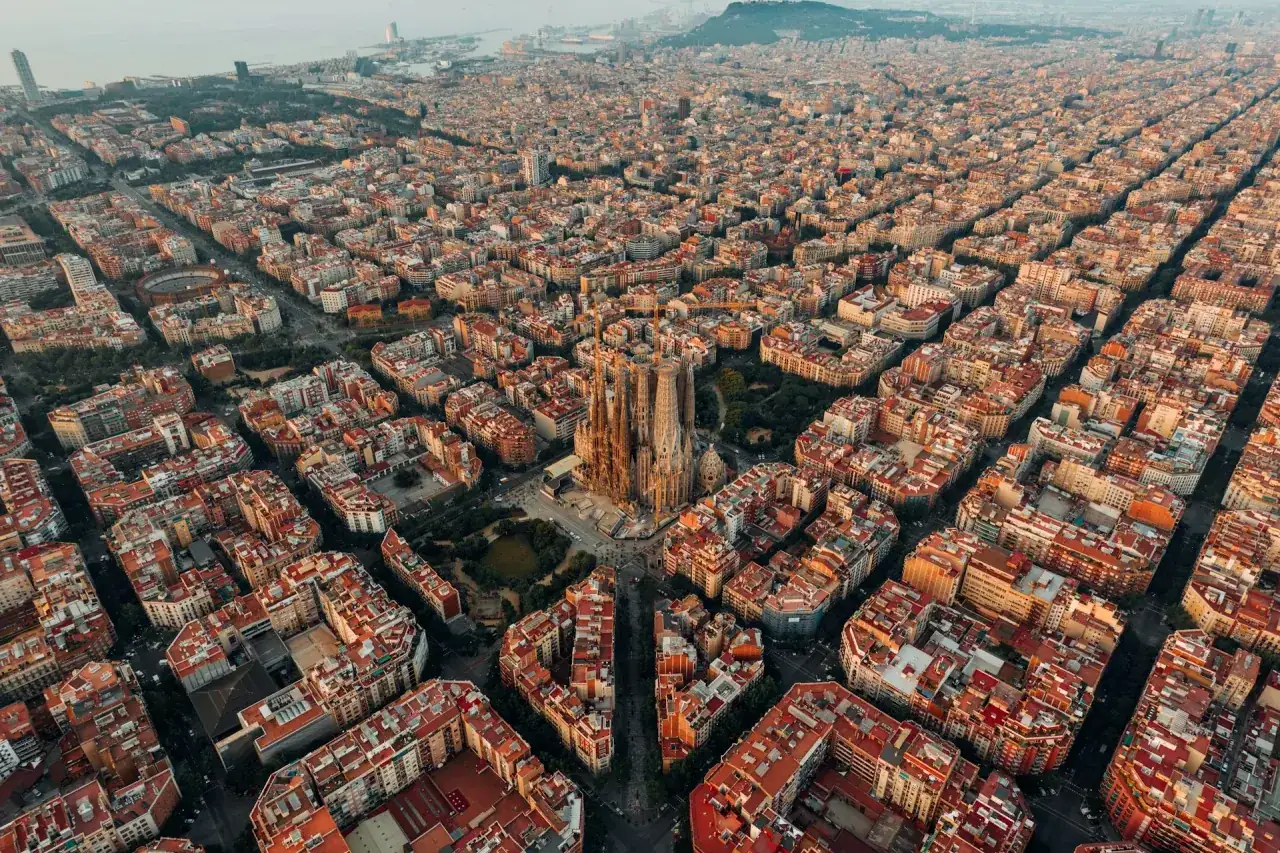
5 Days in Barcelona: The Complete First-Timer's Itinerary
Sagrada Família will fill an afternoon but shouldn't define your trip. The best Barcelona is the one you eat your way through — tapas at 10pm, vermouth at noon, and a market that puts every other European food hall to shame.
13 min read