
15 Best Food Cities in the World for Food Travel in 2026: A Ranked Guide
I have eaten my way through 40+ cities across six continents over the past decade. These 15 are the ones I keep booking flights back to, ranked by the depth and accessibility of their food scenes in 2026.
Food travel is the only kind of travel where the destination is the plate in front of you. Not the monument, not the beach, not the museum — the plate. I have spent the last ten years chasing that plate across six continents, and the conclusion I keep reaching is that the best food cities are not necessarily the most famous ones. They are the cities where the gap between a USD 2 street meal and a USD 200 tasting menu is the narrowest in quality — where the entire food culture is operating at a high level, not just the restaurants that made the Netflix documentary. This is my ranked list for 2026, updated after trips to 11 of these cities in the past 18 months.
Planning this trip?
Find flights now
Compare prices across 700+ airlines and OTAs in one search — find the real lowest fare without the inflated middleman markup.
Search flightsNeed a place to stay?
Search hotels
1. Tokyo — the undisputed number one
I have eaten in Tokyo on six separate trips, and each time I leave more convinced that no city on Earth matches it for food depth. The numbers alone are staggering: Tokyo holds more Michelin stars than any other city in the world (over 200 in the 2026 guide), but the real story is what happens below the starred level. A bowl of shoyu ramen at Fuunji in Shinjuku costs JPY 1,000 (about USD 7) and is better than most USD 30 noodle dishes I have had in New York. A morning at the Tsukiji outer market — technically relocated to Toyosu for the wholesale auctions, but the outer retail market remains — will cost you JPY 3,000 for a tamagoyaki omelette on a stick, a plate of the freshest sashimi you will ever eat, and a hojicha to wash it down. Then there is kaiseki, the multi-course seasonal cuisine that is Japan's highest culinary art form. A lunch kaiseki at a one-star restaurant runs JPY 12,000–18,000 (USD 80–120); dinner at a place like Den or Jimbocho Den pushes USD 200, but the precision, the seasonal ingredients, and the ceremony justify every yen. The convenience-store onigiri at 7-Eleven — a rice triangle with salmon filling for JPY 150 — is better than most grab-and-go lunches worldwide. Tokyo's food quality floor is simply higher than anywhere else.
Editor's tips
- Learn the ticket-machine system (shokkenki) — most ramen shops and gyudon chains use vending machines for ordering, not waitstaff.
- Lunch sets (teishoku) at kaiseki restaurants are 40–60% cheaper than dinner and nearly as good.
- Tsukiji outer market opens at 5am and is best visited before 9am on weekdays.
2. Bangkok — street food perfection at 50 baht
Bangkok is where I first understood that price and quality have almost no correlation in food. A plate of pad thai from Thipsamai on Maha Chai Road costs THB 50 (about USD 1.40) and has been served from the same shopfront since 1966. A som tum (papaya salad) at a Chinatown cart costs THB 40, pounded to order in front of you, the dried shrimp and chilli paste hitting your nose before the first bite. Bangkok's Chinatown (Yaowarat) is the single best street-food strip I have walked anywhere in the world — the density of stalls between 6pm and midnight is overwhelming, and the quality is uniformly high. Jay Fai, the street-stall cook who earned a Michelin star in 2018 and kept it through 2026, serves crab omelette for THB 1,000 (USD 28) that would cost USD 60 in any Western fine-dining restaurant. The city also does high-end exceptionally well: Gaggan Anand (now in its third incarnation) and Le Du both hold two Michelin stars and serve tasting menus for USD 120–180 — half the price of equivalent meals in Tokyo or New York. The heat is the only downside. Bangkok in April is physically punishing, so plan food trips for November through February when the weather cooperates.
Editor's tips
- Yaowarat Road (Chinatown) peaks between 7pm and 10pm — arrive hungry and pace yourself across 4–5 stalls.
- Thipsamai closes when it runs out of noodles, often by 8pm. Queue early.
- Grab a BTS Skytrain pass — most food districts are within walking distance of a station.
3. Mexico City — from 50-cent tacos to world's-best fine dining
Mexico City has the widest quality-to-price spectrum of any food city I know. At the bottom end, a taco al pastor from a street stand in Condesa or Roma Norte costs MXN 8–12 (about USD 0.50), and it is a serious piece of cooking — pork shaved from a vertical spit, pineapple, onion, cilantro, salsa verde, on a fresh corn tortilla. At the top end, Pujol (ranked among the world's 50 best restaurants since 2013) serves a tasting menu for approximately USD 150 that includes the famous mole madre — a dish that layers a 1,500-day-old mole over a fresh mole, two sauces on one plate representing generations of flavour. Between those extremes, the Mercado Roma food hall, the torta shops of the Centro Historico, and the weekend tianguis (street markets) in Coyoacan offer meals in the USD 3–8 range that are as technically accomplished as most European bistro food. The city also has a growing mezcal culture — Licoreria Limantour, one of the world's best cocktail bars, pours mezcal flights from Oaxacan producers for USD 12–18. The altitude (2,240m) keeps temperatures mild year-round, and unlike many food capitals, Mexico City is affordable enough to eat out three times a day without thinking about budget.
Editor's tips
- Taco stands with the longest local queues are almost always the best — follow the crowd, not the Instagram recommendation.
- Reserve Pujol at least 3 weeks in advance; walk-ins are essentially impossible.
- The Roma Norte neighbourhood has the highest concentration of quality restaurants per block in the city.
4–8: the deep middle — Istanbul, Lima, Bologna, Seoul, Marrakech
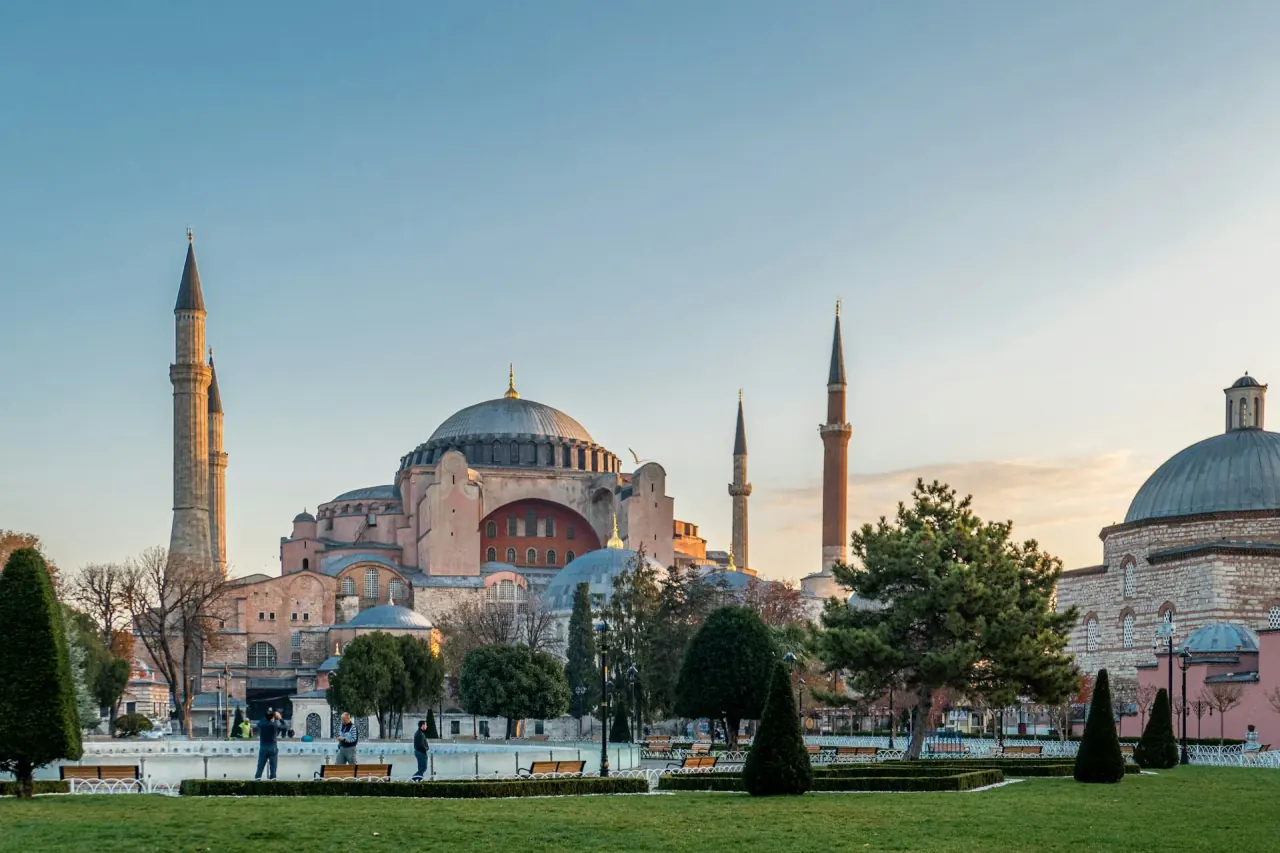
These five cities each do one thing at a exceptional level and do everything else very well. Istanbul is the kebab city that transcends the kebab — a proper Adana kebab at Zubeyir Ocakbasi costs TRY 80–150 (USD 2.50–4.70), but the real discovery is the fish sandwich (balik ekmek) at the Galata Bridge for TRY 30, the simit carts on every corner for TRY 10, and the baklava at Karakoy Gulluoglu that has been made by the same family since 1820. Istanbul's breakfast culture (kahvalti — a sprawling spread of cheeses, olives, honey, eggs, and bread) is the best morning food ritual I have experienced anywhere. Lima is the ceviche capital. A perfect tiradito at La Mar costs about USD 15, while Maido (Nikkei cuisine — Japanese-Peruvian fusion) serves a USD 120 tasting menu that placed it in the world's top 10 restaurants three years running. The anticuchos (grilled beef-heart skewers) at a street cart for PEN 8 (USD 2) are the street food most visitors overlook. Bologna is not flashy, but it may be the most consistent food city in Italy. Mortadella sliced fresh at Tamburini costs EUR 3 for a sandwich. Tortellini in brodo at Trattoria Anna Maria runs EUR 10–15 and tastes like it was made by someone who has been making the same dish for 40 years, because it was. Tagliatelle al ragu (the real Bolognese, nothing like the global imitation) is EUR 12 and one of the great simple dishes in European cuisine. Seoul has the most underrated food scene on this list. Korean BBQ at a Mapo-gu restaurant runs KRW 15,000–25,000 (USD 11–18) per person for premium beef. Gwangjang Market, the oldest traditional market in Korea, serves bindaetteok (mung-bean pancakes) for KRW 4,000 and japchae for KRW 5,000 — both better than any Korean restaurant I have tried outside Korea. The fried chicken and beer (chimaek) culture is an experience in itself. Marrakech rounds out this tier with Djemaa el-Fna square — the largest open-air food court in the world at sundown. A tagine with preserved lemon costs MAD 60 (about USD 6) at the square's stalls. A harira soup is MAD 15. The spice market (souk) sells ras el hanout blends that will changes your cooking for months after you return.

Editor's tips
- Istanbul's Grand Bazaar food stalls are tourist traps — eat in the Kadikoy district on the Asian side for the real experience.
- In Bologna, avoid any restaurant with photos on the menu or English-language hawkers outside.
- Gwangjang Market in Seoul is best visited at lunch on weekdays to avoid weekend crowds.
9–15: the specialists — Osaka, Oaxaca, New Orleans, Lyon, Lisbon, Singapore, Penang
Osaka calls itself Japan's kitchen (tenka no daidokoro) and earns the title. Takoyaki (octopus balls) at Wanaka in Namba cost JPY 500 for eight pieces and are the definitive street snack. Kushikatsu (deep-fried skewers) at Daruma, with the strict no-double-dipping sauce rule, run JPY 100–200 per stick. Osaka is more casual and more fun than Tokyo — the food is louder, fattier, and served faster. Oaxaca is Mexico's culinary soul. The seven moles of Oaxaca — negro, rojo, coloradito, amarillo, chichilo, verde, manchamanteles — represent the most complex sauce tradition in the Americas. A tlayuda (a large crispy tortilla with beans, cheese, and meat) from a market vendor costs MXN 60 (about USD 3.50) and is a meal in itself. Mezcal tastings in the surrounding villages of Santiago Matatlan are USD 5–10 with the producers themselves. New Orleans is the best food city in the United States and it is not particularly close. A shrimp po'boy at Parkway Bakery costs USD 12 and is absurdly satisfying. Gumbo at Dooky Chase's is USD 14 and comes with the history of the civil rights movement baked into the restaurant's walls. A beignet at Cafe Du Monde (USD 4 for three) is the most famous breakfast pastry in America for a reason. Commander's Palace does a USD 25 three-course lunch that is one of the best dining values in fine dining anywhere. Lyon is France's food capital — not Paris, Lyon. The bouchon tradition (small, family-run restaurants serving Lyonnaise classics) offers EUR 25 prix-fixe menus with quenelle de brochet (pike dumpling in cream sauce), salade lyonnaise (frisee with lardons and poached egg), and tarte praline. Daniel & Denise and Le Bouchon des Filles are the two I return to. Lisbon has changed in the past five years from a cheap-wine-and-sardines cliche into a genuinely dynamic food city. Pasteis de nata at Manteigaria cost EUR 1.20 and are better than the famous Pasteis de Belem (shorter queue, hotter from the oven). Bacalhau (salt cod, prepared in allegedly 365 different ways) at Cervejaria Ramiro runs EUR 18–25 and is served with a cold Super Bock that costs less than water in most European capitals. Singapore is the city that proved hawker centres are exceptional dining. Liao Fan Hong Kong Soya Sauce Chicken Rice — the first street-food stall to earn a Michelin star in 2016 — serves a plate for SGD 3–5 (USD 2.25–3.75). Maxwell Food Centre, Chinatown Complex, and Old Airport Road are the three hawker centres worth visiting. The laksa at 328 Katong Laksa (SGD 6) is the most intense coconut-curry-noodle experience in Southeast Asia. Penang closes this list and could easily rank higher. Char kway teow (stir-fried flat noodles with prawns, cockles, and Chinese sausage) at Siam Road Charcoal Char Koay Teow costs MYR 6 (about USD 1.30) and is cooked over charcoal by a vendor who has been doing it for decades. Penang's hawker scene rivals Singapore's but at roughly half the price. Assam laksa (sour, fish-based noodle soup) is the dish most food travellers have never heard of and the one they remember most vividly after visiting.

Editor's tips
- Singapore's hawker centres are air-conditioned and clean — do not let the word 'street food' scare you off.
- In Lyon, bouchons close between lunch and dinner (2pm–7pm) with no exceptions — plan accordingly.
- New Orleans is best for food October through May; summer heat makes walking between restaurants unpleasant.
The most overrated food cities — and why
This section will generate disagreement, and that is the point. Paris (tourist zone) is the most overrated food destination in Europe. Not because Paris cannot produce extraordinary food — it can, and the neo-bistro scene (Septime, Le Comptoir, Clown Bar) is genuinely exceptional — but because the average tourist eats in the 1st, 4th, and 8th arrondissements, where a croque monsieur costs EUR 16 and tastes like it was assembled by someone who resents your presence. The Paris that food writers celebrate is a 20-minute Metro ride from where most tourists eat. Lyon serves the same French culinary tradition at half the price with none of the attitude. London has improved enormously since 2015, but it remains a city where you need to spend GBP 40+ per person to eat well consistently. The cheap end (GBP 8–15) is dominated by chains and mediocre sandwich shops. Compare that to Lisbon, where EUR 12 buys an outstanding meal. Dubai has imported celebrity chefs and gold-leaf garnishes but has not developed a local food identity. The best meals in Dubai are replicas of meals you could have in the chef's home city, served at a 40% markup in a shopping mall. The street-food scene is limited to shawarma (admittedly excellent) and the Indian restaurants of Deira (genuinely good, but you could eat the same food for a third of the price in Mumbai). Barcelona (La Rambla corridor) suffers the same problem as tourist-zone Paris. The restaurants lining La Rambla serve paella made from frozen seafood at EUR 18 a plate. Walk 10 minutes into El Born or Gracia and Barcelona becomes a legitimately good food city — but most visitors never make that walk. The common thread: overrated food cities are not bad at food. They are cities where the tourist-facing food economy has decoupled from the local food economy, and the average visitor eats in the wrong one.
Editor's tips
- In Paris, eat in the 11th (Oberkampf) or 20th (Belleville) for the real food scene at half the tourist-zone price.
- Barcelona's Boqueria Market is worth visiting for produce, not for eating — the sit-down stalls inside are overpriced.
- Dubai's best affordable food is in the Deira and Al Karama districts, not the Marina or Downtown.
How to plan a food-first trip: the practical framework
Food travel works best when you build the trip around meals, not around sights. Here is the framework I use. First, identify the city's food clock — when locals eat, not when restaurants open for tourists. In Spain, lunch starts at 2pm; in Japan, ramen shops peak at 11:30am; in Marrakech, Djemaa el-Fna does not come alive until 7pm. Second, budget by meals, not by days. I allocate 60–70% of my daily budget to food and drink when the purpose of the trip is eating. Third, book one high-end meal per city and eat everything else at street level or mid-range — the contrast teaches you more about a food culture than either extreme alone. Fourth, learn three phrases in the local language: 'What do you recommend?', 'The same as that table', and 'The bill, please.' Fifth, walk between meals. The best food discoveries happen between planned stops — the bakery you smell before you see it, the queue that forms at a stall you had not researched. Every city on this list rewards walking more than taxi-hopping.
Find the Best Flights to Food Destinations
Food cities reward longer stays — a week eats better than a weekend. Search across airlines to find the best value for your food pilgrimage.
Frequently asked questions
Tokyo holds the top position for overall food quality, depth, and consistency. It has the most Michelin-starred restaurants of any city, but more importantly, even a JPY 1,000 (USD 7) bowl of ramen or a JPY 150 convenience-store onigiri operates at a quality level unmatched elsewhere. Bangkok and Mexico City are the strongest alternatives if budget is a priority — both deliver exceptional flavour for under USD 5 per meal.
The best food city in the world is the one that makes you forget you are a tourist. In Tokyo, that happens at a ramen counter at 11pm. In Bangkok, it happens on a plastic stool in Chinatown at midnight. In Mexico City, it happens standing at a taco stand in Roma Norte while the salsa verde runs down your wrist. These 15 cities earned their place on this list not because they have the most Michelin stars or the most Instagram-famous dishes, but because they have built food cultures where quality is the default, not the exception — where even the cheapest meal is made by someone who cares. That is what food travel is actually about. Go hungry.
Get there
Flights
One search across 700+ airlines — find the real lowest fare for your dates.
Search flightsWhere to stay
Hotels
Browse verified hotels and stays — instant confirmation, secure booking.
Book on KKdayThings to do
Activities
Tours, attractions, and day trips — free cancellation on most experiences.
Book on KlookTours & Experiences
Book the experiences, not just the trip
Skip-the-line tickets, guided tours, and day trips — free cancellation on most, confirmed instantly.
About the author
Marcus Chen
Hotels & Deals Editor · Based in New York City
Marcus reviews hotels for a living — and has slept in over 400 of them. Before TravelBuzzy, he ran the hotel desk at a major loyalty publication and consulted for two boutique hotel groups. He covers the Americas, Japan, and luxury travel.
Read next — destinations
More from The Edit
Money & Deals
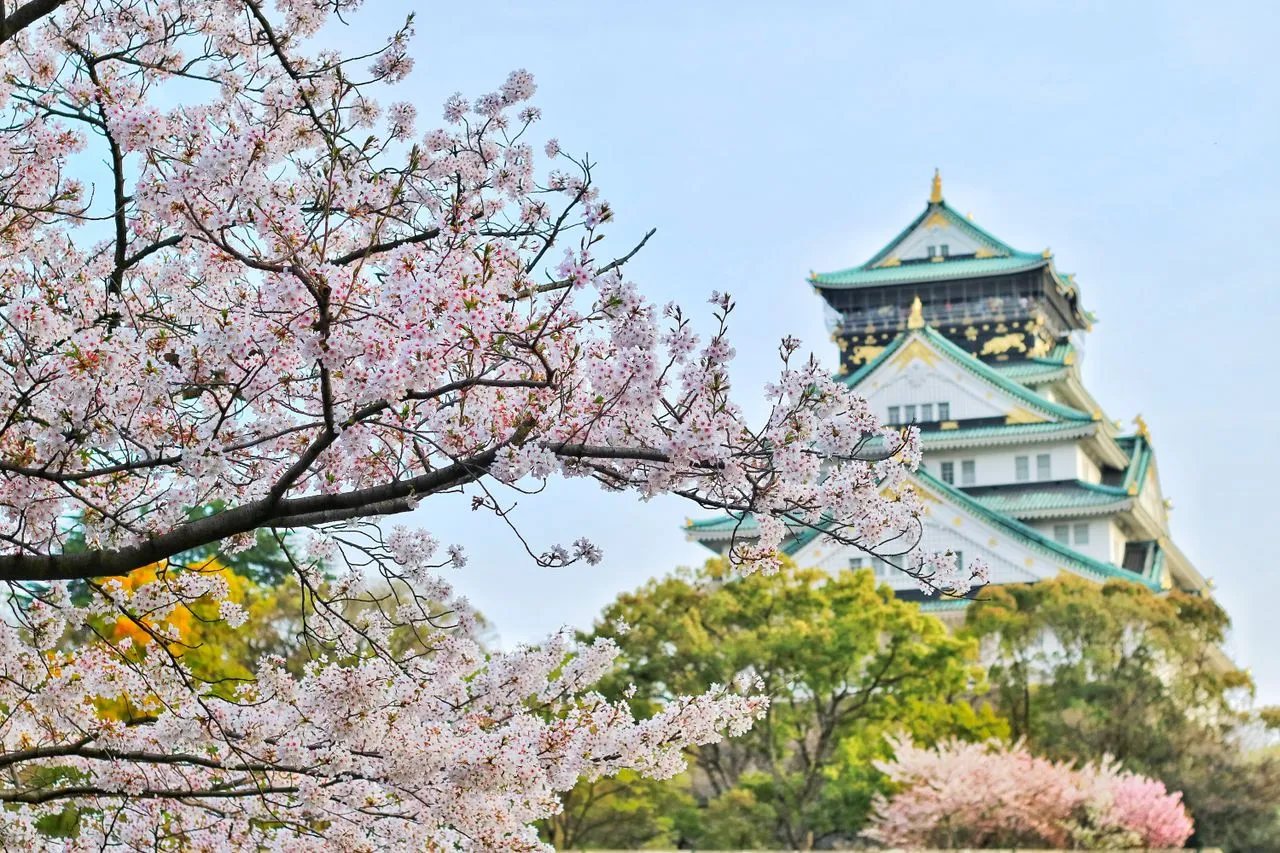
Japan on a Budget — How to Travel Japan for Under $100/Day
Japan has a reputation as expensive. It isn't — not if you eat where locals eat, sleep smart, and do the JR Pass math before you buy. Here's the full breakdown from someone who's done it three times.
13 min read
Travel Guides
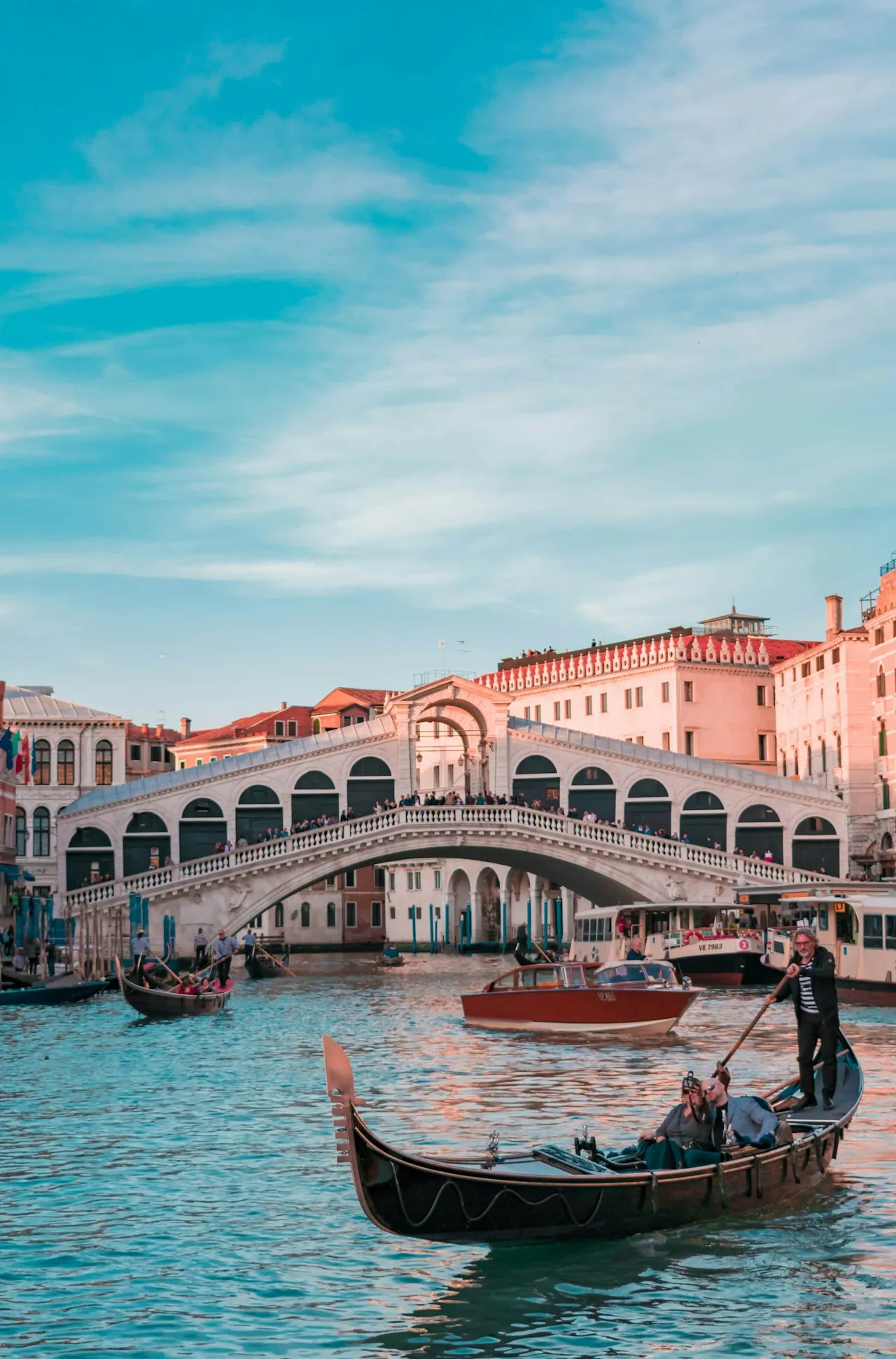
Slow Travel Italy — A Month-Long Guide to Living Like a Local
The fastest way to misunderstand Italy is to see six cities in two weeks. I spent a month in Puglia with a rented apartment, a used bicycle, and no museum tickets — and came back with a country I hadn't known existed.
14 min read