
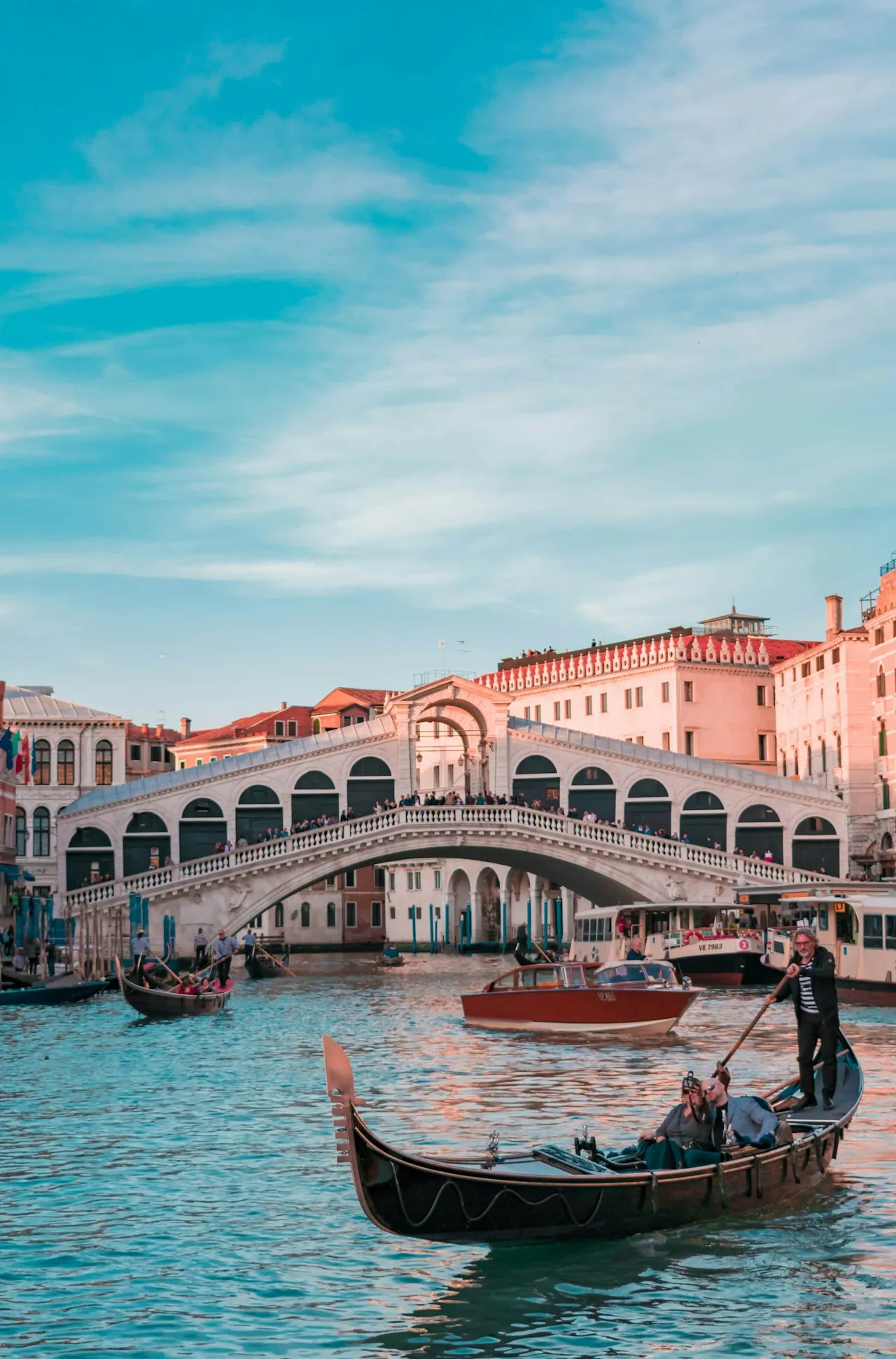
Slow Travel Italy — A Month-Long Guide to Living Like a Local
The fastest way to misunderstand Italy is to see six cities in two weeks. I spent a month in Puglia with a rented apartment, a used bicycle, and no museum tickets — and came back with a country I hadn't known existed.
I spent three weeks in Lecce last October with nothing booked beyond the apartment. No car, no guided tours, no itinerary beyond a rough list of places I wanted to eat. By the second week I had a favourite barista, a produce vendor who saved me figs on Thursdays, and a pasta-making lesson from my landlord's mother. This is what slow travel in Italy actually looks like — not a vacation stretched longer, but a fundamentally different relationship with a place.
Planning this trip?
Find flights now
Compare prices across 700+ airlines and OTAs in one search — find the real lowest fare without the inflated middleman markup.
Search flightsNeed a place to stay?
Search hotels
Why slow travel works better in Italy than almost anywhere else
Italy's infrastructure was built for people who stay. Every town of more than 5,000 people has a daily market, family-run trattorias priced for locals, and a functional regional train connection. The two-week tourist version of Italy is museums, transfers, and reservations. The month-long version is buying tomatoes from a farmer outside Ostuni, discovering the best view isn't in any guidebook, and learning the 7:15am espresso crowd by name. A month-long apartment in Lecce runs €800–1,400 — what four nights in a mid-range Rome hotel costs. Daily food drops from €40–60 to €12–18 when you shop at markets and cook half your meals.
Editor's tips
- Download the Trenitalia app for real-time regional schedules — Google Maps gets small southern stations wrong
- Bring a reusable mesh bag to markets — vendors treat you as a regular faster
Choosing your base: four regions that reward a month
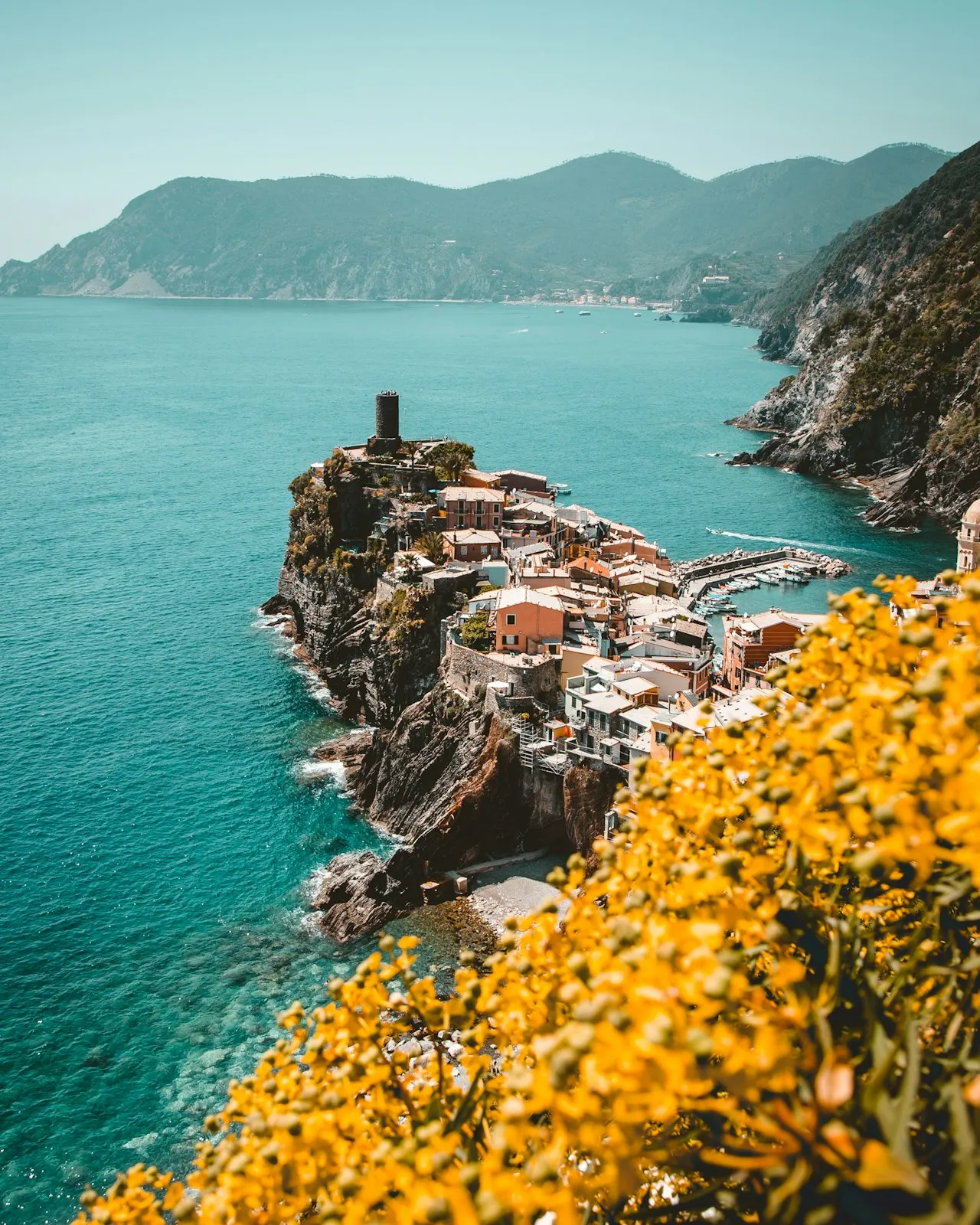
Puglia is my first recommendation. Lecce is the obvious base — a university city of 95,000 with Baroque architecture, a daily market, and two-bedroom apartments on Subito.it for €800–1,200/month. Sicily's southeast — Siracusa, Ragusa, Modica — offers the most dramatic architecture and lowest costs (apartments from €600/month). Tuscany's interior — Cortona, Montepulciano, Arezzo — has landscape and wine but runs 30–50% pricier. Liguria's Riviera di Levante — Camogli, Santa Margherita — is train-connected to Genoa and the Cinque Terre.
Editor's tips
- Subito.it and Immobiliare.it are the Italian Craigslist for monthly rentals — filter by 'affitto transitorio'
- Test your base with a 3-night hotel stay before committing to a month-long rental
The daily rhythm: how a slow-travel week actually works
Morning espresso at Bar Alvino (€1.10 standing at the bar). The covered market opens at 7:30am — fioroni figs, cime di rapa, seasonal produce at half supermarket prices. Mid-morning work or walking the centro storico. Lunch at a neighbourhood trattoria — Trattoria Le Zie serves ciceri e tria for €9. Afternoon shutdown: shops close 1pm to 4:30pm. Passeggiata at 6:30pm — the entire town walks the Corso, stops for an aperitivo (€4–5). Dinner is light: a puccia sandwich (€3.50–5) or bruschetta from market tomatoes. Day trips two or three times a week: Otranto (45min, €3.60), Gallipoli (35min, €2.80), Matera (2h40 via Bari, €12.50).
Editor's tips
- Always drink espresso standing at the bar — sitting triggers double pricing
- The morning market rule: arrive before 8:30am for the best selection
Eating locally on a real budget
Breakfast: espresso and a pasticiotto (€1.20–1.50). Lunch: home-cooked or trattoria primo — Trattoria da Lina in Ostuni serves orecchiette alle cime di rapa for €8. Dinner: bread from the panificio (€1.50/kg for pane di Altamura), burrata (€2–3 for 250g in Puglia), tomatoes, olives, and a glass of Primitivo from a €4 bottle. Weekly market shopping: €25–40 for one person. June markets overflow with cherries, apricots, and the first peaches.
Editor's tips
- Burrata costs €2–3 at market, €8–12 at a restaurant — buy fresh, eat within 24 hours
- Ask for vino sfuso at local enoteche — they fill your bottle for €2–4/litre
What to budget for a month
Rent: €900 for a one-bedroom in Lecce's centro storico. Food: €420 (€14/day). Transport: €85 (seven day trips by regional train). Miscellaneous: €95 (SIM card, museums, laundry). Total: approximately €1,500 for a month. A couple sharing: €1,800–2,200. In Tuscany, add 30–40%; in Sicily, subtract 15–20%. Common mistakes: choosing a base without a train station, booking through Airbnb when Subito.it is 25–40% cheaper, renting a car you don't need.
Editor's tips
- An Iliad SIM card (€7.99/month, 150GB) is the best-value plan — no contract, passport only
- Budget €50–80/month for integration costs — espressos, aperitivi, small gifts for neighbours
Find the Best Flight Deals
Flight prices to southern Italy vary by 60% depending on month. Bari and Catania are the most affordable gateways for Puglia and Sicily.
Where to Stay
For the first few nights before securing a rental, a well-located B&B lets you scout neighbourhoods and meet landlords in person.
Tours & Activities
Cooking lessons with local families, trulli restoration workshops, guided foraging walks, and harvest-season olive oil tastings at working masserie.
Why One Month Changes Everything About How You Experience Italy
Two-week Italy trips almost always follow the same compressed script: Rome, Florence, Venice, back to Rome. One month breaks that script entirely. You can spend 10 days in a single region and actually understand it—the food changes by valley, the dialect shifts between towns 30km apart, and the local relationships that define Italian culture only become visible after a week in one place. The practical benefit compounds too. Weekly apartment rentals cost 50–60% less per night than nightly rates. Local grocery shopping replaces restaurant dining for breakfast and lunch without feeling like deprivation. You learn which gelateria in your neighborhood is actually good and which one exists purely for tourists, which is itself a minor but genuinely satisfying form of local knowledge. One month turns Italy from a highlight reel into something resembling actual life in a beautiful place.
Region-by-Region Slow Travel Framework: Where to Spend Your Weeks
A sensible four-week breakdown: Week 1 in the Dolomites or Cinque Terre (beat the peak-summer crowds by arriving early June or late September), Week 2 based in a mid-sized Tuscan city like Siena or Arezzo rather than Florence—both offer the same museum quality at 40% of Florence's cost and crowd density. Week 3 in Rome, worth a full seven days once you drop the "must-see checklist" pressure and start exploring neighborhoods. Week 4 flex—either south (Naples and the Amalfi Coast, budget significant extra for Amalfi accommodation) or north (Lake Como, Lombardy wine country). Train logistics: Italy's Trenitalia and Italo networks cover the major city routes with efficient high-speed service. Book Frecciargento and Frecciarossa tickets in advance for 30–50% savings over walk-up prices. Regional trains (regionale) between smaller towns are cheap, slow, and often genuinely charming—budget 2x the scheduled time for delays on regional lines. A BritRail-equivalent Italian pass rarely saves money for slow travelers; point-to-point advance tickets almost always beat it.
Frequently asked questions
A realistic budget is €1,400–2,200/month. Puglia and Sicily are cheapest: €800–1,200 rent, €350–450 food, €80–120 transport, €50–100 miscellaneous. Tuscany runs 30–40% higher.
Slow travel in Italy costs less than the two-week version, teaches you more than the guided-tour version, and leaves you with the unrepeatable details — the barista who remembers your order, the fig vendor who saves you the last box, the evening light on the limestone. Pick one town. Stay the month. Let the country come to you.
Get there
Flights
One search across 700+ airlines — find the real lowest fare for your dates.
Search flightsWhere to stay
Hotels
Browse verified hotels and stays — instant confirmation, secure booking.
Book on KKdayThings to do
Activities
Tours, attractions, and day trips — free cancellation on most experiences.
Book on KlookTours & Experiences
Book the experiences, not just the trip
Skip-the-line tickets, guided tours, and day trips — free cancellation on most, confirmed instantly.
About the author
Camille Laurent
Senior Travel Editor · Based in Lisbon · Bali
Camille has spent the last 9 years living in or reporting from over 60 countries. Former contributor to Condé Nast Traveler and Monocle, she focuses on Southeast Asia, Mediterranean Europe, and the Middle East. Currently based between Lisbon and Bali.
Read next — destinations
More from The Edit

Travel Guides
Best Places to Travel in Italy in 2026 — The Honest Regional Guide
Italy has 20 regions, all of them interesting, and most travel guides cover four of them. Puglia, the Dolomites, Friuli, and the Italian lakes exist — and in most months they're better than Rome in July.
13 min read
When to Go
Best Time to Travel to Italy in 2026 — The Season Question, Answered Region by Region
Italy's best time to visit depends entirely on which Italy you're visiting. The Rome question and the Dolomites question have opposite answers. The Amalfi Coast question and the Puglia question are different again.
11 min read
Itineraries
4 Days in Rome: A Realistic First-Timer's Itinerary
Rome is the city that makes first-timers feel like they're failing it — there's simply too much history. Four focused days, organised by neighbourhood, will give you more than seven fragmented ones.
12 min read