
4 Days in Lisbon: The Complete First-Timer's Itinerary
Lisbon is the most underrated capital in Western Europe — still affordable, still walkable, with architecture that looks like it was preserved by accident and food that punches far above its price point. Four days is enough to understand why people move here.
Lisbon arrived late to mass tourism and is trying to manage the consequences of popularity without losing the qualities that made it popular in the first place. The city of crumbling azulejo tiles, fado music in neighbourhood restaurants, and the world's most democratic pastel de nata habit is still intact — you just need to know which streets to be on and at what hour. Four days gives you time to understand the city's hills and waterfront, its ancient Moorish quarter and its modernist Belém monuments, and the daily rhythm that makes long-term expats choose Lisbon over every other European capital.
Planning this trip?
Find flights now
Compare prices across 700+ airlines and OTAs in one search — find the real lowest fare without the inflated middleman markup.
Search flightsNeed a place to stay?
Search hotels
Where to stay: Mouraria or Príncipe Real
Mouraria — the neighbourhood immediately below the castle and above Alfama — is the best base for first-timers who want the authentic Lisbon experience without the most extreme tourist concentration. Mid-range guesthouses and boutique hotels here have character that Lisbon's newer hotel stock lacks. Príncipe Real is the upscale alternative: a leafy 19th-century neighbourhood above the Bairro Alto with the city's best independent restaurants, design shops, and Saturday antiques market. Avoid staying in Bairro Alto itself — the nightlife noise runs past 3am on weekends.
Day 1 — Alfama, castle, and first fado
Begin at the Castelo de São Jorge (book online for €15 — worth it for the rampart views over the Tagus and the rooftops). Descend through Alfama — Lisbon's oldest neighbourhood, the Moorish quarter that survived the 1755 earthquake — following the lanes down to the Largo do Chafariz de Dentro. Morning coffee at the pastelaria on the square. Walk to the Museu do Fado on Rua do Vig–rio — the museum explains fado's history and style far better than any first-evening venue will, which makes the evening's live music more intelligible. Lunch: O Pitéu da Graça for traditional petiscos (Portuguese tapas). Afternoon: the miradouros — Portas do Sol, Santa Luzia, and the 35-minute walk uphill to Graça viewpoint for the best late-afternoon panorama over the city. Evening fado: Mesa de Frades in Alfama is the most authentic remaining venue — intimate chapel setting, real fado, book well ahead.
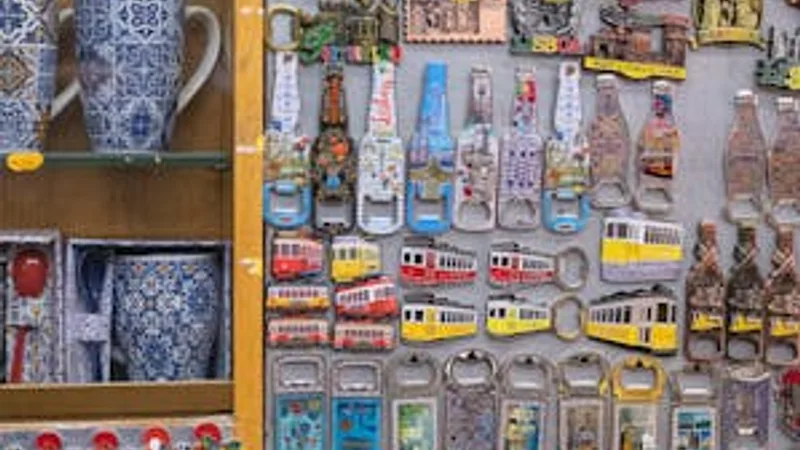
Editor's tips
- Tram 28 through Alfama is a tourist attraction in itself but gets impossibly crowded — walk instead of queuing
- The best pastéis de nata in Lisbon are at Pastéis de Belém (the original since 1837) and at Manteigaria in Chiado (faster, no queue)
- Fado venues that tout outside are tourist traps — authentic fado is found at places you book in advance
Day 2 — Belém and the waterfront monuments
Belém is 6km west along the waterfront from central Lisbon — take the tram 15E or the bus from Cais do Sodré. The Torre de Belém (€6) and the Mosteiro dos Jer–nimos (€10, the most elaborate Manueline Gothic monastery in Portugal) are the two essential monuments. Both are UNESCO World Heritage sites. The Padrão dos Descobrimentos (Monument to the Discoveries) is free to enter and has a rooftop terrace. Lunch: Pastéis de Belém — the original, run by the same family since 1837, serving the only officially approved recipe. The queue moves fast and the experience is essential. Afternoon: the MAAT museum (Museum of Art, Architecture and Technology) on the waterfront — the contemporary architecture building itself is worth the visit, and the Carpe Diem Arts & Research Centre is across the road in a converted industrial warehouse.
Day 3 — Chiado, LX Factory, and the waterfront
Chiado is Lisbon's most elegant commercial neighbourhood — bookshops (Livraria Bertrand, the world's oldest still-operating bookshop), café culture (A Brasileira, where Fernando Pessoa drank), and luxury shopping on Rua Garrett. Walk uphill to Príncipe Real for the Saturday antiques market (Saturdays only) and the independent restaurants on Rua da Escola Politécnica. Afternoon: LX Factory, a converted 19th-century factory complex on the waterfront that now houses restaurants, vintage shops, design studios, and the TimeOut Market overflow. Sundays are the best day (weekly market with local food and crafts), but it's open daily. The riverside walk from Santos to Alcântara follows the Tagus and is the city's best waterfront promenade.
Day 4 — Day trip to Sintra or Cascais
Sintra is 40 minutes by train from Rossio station and is among the most extraordinary day trips in Europe: a UNESCO World Heritage landscape of 19th-century royal palaces (Pena Palace, the most extravagant — arrive by 9am before the coaches), Moorish castle ruins, and the palace gardens at Monserrate. Cascais is the beach-resort alternative: 40 minutes by train from Cais do Sodré, a prosperous fishing town turned resort with good beaches (Praia da Rainha, Praia da Duquesa) and excellent seafood restaurants along Rua das Flores. Both are fully day-trippable from Lisbon and represent completely different versions of the Portuguese coast.
Getting around Lisbon's hills
Lisbon is beautiful and steep, and the hills shape the day. Wear shoes with good grip, since the polished stone pavements are slippery when wet, and plan hilltop viewpoints for the cooler hours. The metro, trams and funiculars help with climbs, and a rechargeable travel card is cheaper than single tickets. The famous tram lines are crowded, so ride early or choose alternatives that follow similar routes. Ride-hailing apps are inexpensive for short trips and useful late at night. Restaurants often open late for dinner, so eat when locals do. Keep bags close in crowded areas and around popular viewpoints, and book timed tickets for the most popular monuments to avoid queues.
A rainy-day plan and a slower alternative
Lisbon is a city for walking, but rain makes its steep, polished streets slippery and its viewpoints less rewarding, so it helps to keep an indoor plan. Museums, covered markets and food halls fill a wet afternoon, and the city's tile museum and its cafes suit slower moods. If four days feels rushed, consider dropping the day trip and spending the extra time in the neighbourhoods, where wandering often produces the best moments. Time your climbs for morning or late afternoon, and use trams, funiculars and lifts to save legs. Evening life starts late, so eat dinner when locals do and enjoy an early afternoon rest. Watch for pickpockets on crowded trams and at popular viewpoints, and keep bags closed. Comfortable shoes with grip matter more than any single sight. A flexible plan with a rainy-day list makes the city forgiving in any season.
Flights and Hotels
Lisbon Humberto Delgado airport is 7km from the city centre — the metro takes 25 minutes. Book accommodation in Mouraria or Príncipe Real for the best balance of authenticity and convenience.
Book Tours and Fado Experiences
Fado dinner shows at authentic venues, Sintra palace tours, and guided Alfama walks all require advance booking, particularly in summer.
Frequently asked questions
Four days covers Lisbon's essential neighbourhoods — Alfama, Belém, Chiado, and Príncipe Real — comfortably, plus one day trip to Sintra or Cascais. The city is compact enough that four days doesn't feel rushed. A fifth day would allow a second day trip or a deeper look at Mouraria and the east-of-castle neighbourhoods.
Lisbon's appeal is partly its affordability and partly its atmosphere — a city that still feels like it belongs to its residents rather than its visitors. The keys to experiencing the real Lisbon are the same as they've always been: walk uphill, eat where there's no menu in English outside the door, and find a miradouro at sunset with a glass of wine. Four days is exactly enough to fall in love with it.
Get there
Flights
One search across 700+ airlines — find the real lowest fare for your dates.
Search flightsWhere to stay
Hotels
Browse verified hotels and stays — instant confirmation, secure booking.
Book on KKdayThings to do
Activities
Tours, attractions, and day trips — free cancellation on most experiences.
Book on KlookTours & Experiences
Book the experiences, not just the trip
Skip-the-line tickets, guided tours, and day trips — free cancellation on most, confirmed instantly.
About the author
Camille Laurent
Senior Travel Editor · Based in Lisbon · Bali
Camille has spent the last 9 years living in or reporting from over 60 countries. Former contributor to Condé Nast Traveler and Monocle, she focuses on Southeast Asia, Mediterranean Europe, and the Middle East. Currently based between Lisbon and Bali.
Read next — destinations
More from The Edit
Itineraries
Portugal Road Trip: 7 Days from Lisbon to the Algarve
Portugal's 300-kilometre coastal stretch from Lisbon to the Algarve contains the most varied driving scenery in Western Europe — medieval hilltop villages, Atlantic surf beaches, whitewashed fishing towns, and a coastline that looks different every 30 kilometres.
13 min read
Itineraries
5 Days in Barcelona: The Complete First-Timer's Itinerary
Sagrada Família will fill an afternoon but shouldn't define your trip. The best Barcelona is the one you eat your way through — tapas at 10pm, vermouth at noon, and a market that puts every other European food hall to shame.
13 min read