

Best Places to Travel in September 2026 — The Month the World Gets Better
September is when European summer ends without European summer leaving. The crowds have gone back to school. The prices have dropped. The sea is still warm. Here are the 10 destinations where September specifically overdelivers.
The school year calendar governs international travel more than any other single factor. When US, UK, and European school terms start in September, a specific transformation happens across the Mediterranean: the beaches empty, the restaurant reservation books open, and hotel prices drop. The sea temperature in September is actually higher than July in most of the Mediterranean (the water takes time to heat through summer and peaks in late August). September is technically warmer water, fewer people, and lower prices than August. It is, structurally, the better summer month.
Planning this trip?
Find flights now
Compare prices across 700+ airlines and OTAs in one search — find the real lowest fare without the inflated middleman markup.
Search flightsNeed a place to stay?
Search hotels
How the shoulder logic changes by hemisphere
September is not a single season worldwide, and treating it as one causes avoidable mistakes. In the northern hemisphere it marks the shift from peak summer to shoulder season, which lowers prices and crowds in Europe while keeping the sea warm. In the southern hemisphere it is the start of spring, which favours places such as parts of Australia and South Africa, where wildflowers and milder temperatures appear. The big exception is the Atlantic hurricane season, which typically peaks around early to mid September. Caribbean and Gulf destinations can offer bargains, but the risk of storms is real, so flexible bookings and travel insurance matter. Parts of Southeast Asia are also in the wet season, which suits travellers who accept rain in exchange for lower prices and fewer people. The simple rule is to match the month to the local climate pattern rather than assuming that cheap always means good.
Booking September trips without overpaying
September prices drop compared with August, but not evenly. School calendars vary, and some countries return to classes in the first week while others start later, so the best deals often appear from the second week onward. Certain events push prices up in specific places. Munich's beer festival begins in mid to late September and fills hotels well in advance, and Japan's autumn holiday cluster can strain domestic trains. If you are flexible, look for mid-week departures and consider booking accommodation with free cancellation until the plan is firm. Flights to popular Mediterranean cities tend to be cheaper in the middle of the month than at either end. It also helps to check local holiday calendars before committing, because a public holiday can close attractions or double prices on an otherwise quiet week. Small adjustments to dates frequently save more than a change of destination.
A simple September decision rule
When choosing among the options, decide which benefit matters most. If you want the warmest sea and thinner crowds, favour the Mediterranean in the first half of the month. If you want the lowest prices, look at destinations entering their rainy or off season and accept the trade-off. If you want festivals and events, check local calendars, as some of the biggest gatherings fall in September and lift prices. If you want outdoor activity, look for regions that have just passed peak heat. Being clear about your priority makes the month easier to use, because September rewards specific goals better than vague ones.
Combining September destinations into one trip
September's overlapping seasons make it easy to combine places into a single trip, but distances and connections need thought. Pair destinations that share a flight route or rail line, so you spend time enjoying places instead of travelling between them. Consider ordering the itinerary so that the weather-sensitive stop, such as a beach or a mountain area, comes at the best time of the month. Early September is still summer in many places, while late September brings cooler evenings and the first signs of autumn, so pack layers. Check holiday dates and local events that may fill hotels, and book accommodation early for those. Because prices drop across the month, a flexible traveller can save by choosing the second half for popular destinations. Keep a spare day in case of weather or delays, particularly for island crossings. A well-ordered trip lets September's advantages show up in every stop.
Mediterranean Europe: the structural argument for September
Santorini in September: the Oia sunset castle-ruins crowd drops from 500 people to 80 people overnight after the first week. Hotel prices fall 25–35% from August peaks. The caldera view is identical — the light is arguably better (lower sun angle). The same logic applies to Dubrovnik's Old City walls, the Amalfi Coast road, Croatia's Hvar island, and the Algarve's Ponta da Piedade sea caves. The single best September Mediterranean experience: the Greek islands. Mykonos and Santorini in September are the versions the promotional photography uses. September Mykonos can be walked around rather than queued through. Book flights by July — September European demand compresses later in the summer season.

Japan: the clarity window before autumn
Late September is Japan's 'silver week' holiday cluster (around September 21–23, though the exact dates shift yearly with lunar calendars and day-of-week factors). Avoid the specific holiday week. Outside it, late September and early October represent the best weather window of the year: Tokyo's summer humidity breaks typically around September 20, temperatures fall to 20–25°C, and the sky clarity produces the annual peak for Mount Fuji viewing from the city. The Shinjuku Gyoen's chrysanthemum exhibition begins in late October, but the dahlia gardens peak in September. Tokyo hotel prices in late September run 35–45% below cherry blossom April prices.

Six more September destinations
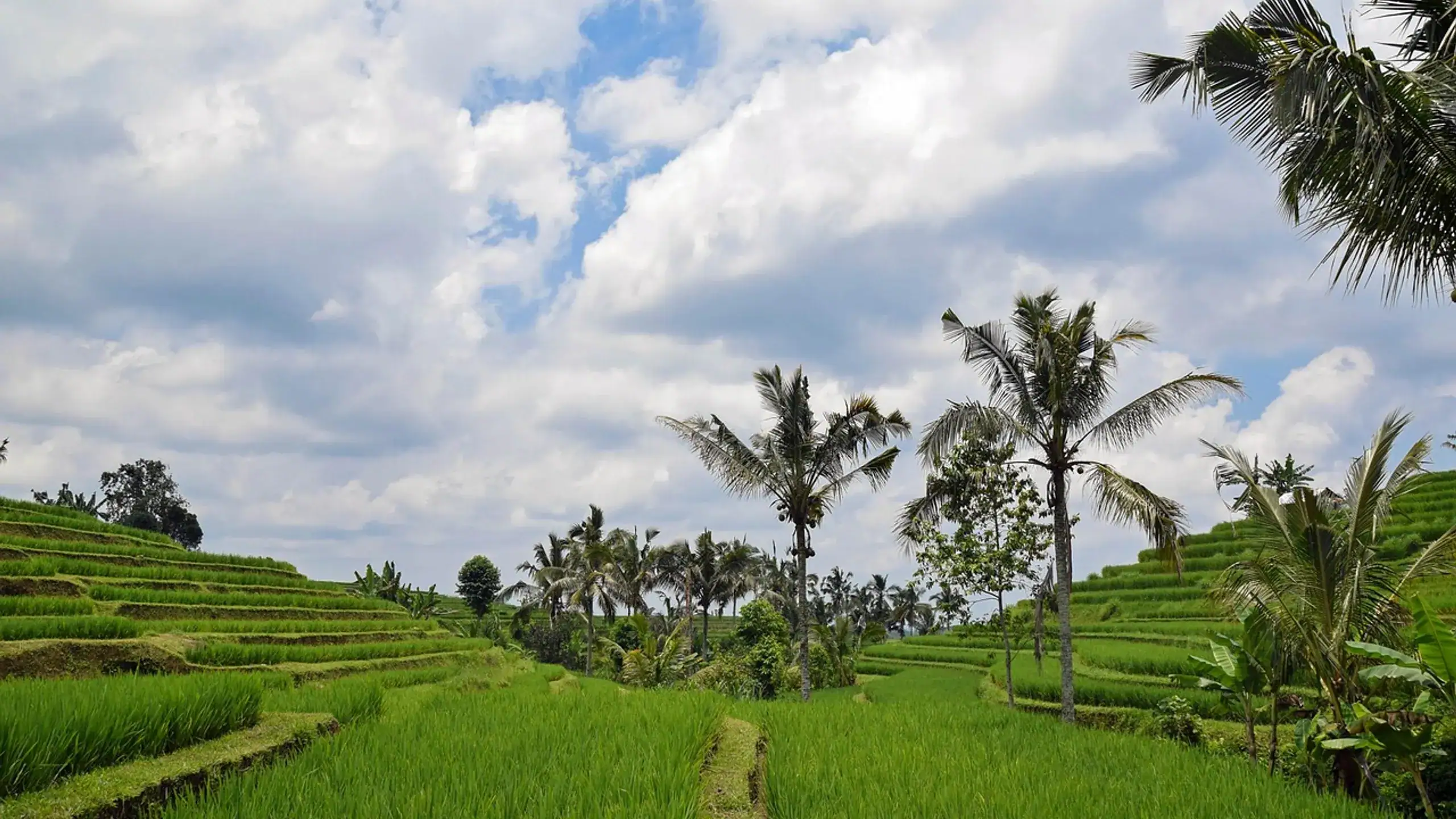
Bali (September): last dry-season month, south coast beaches swimmable, rice terraces at post-rainy-season green, prices 25% below peak August. Iceland (early September): the Laugavegur hiking trail huts close around September 15, making early September the last reliable high-season window. Aurora probability increases through September as nights lengthen. New York: hotel prices drop after Labor Day (first Monday of September) — the city population returns to normal working density and the summer tourist wave has cleared. New Zealand's South Island: September is spring — wildflowers, snowmelt waterfalls at full flow, lambing. Accommodation prices at annual lows. The Maldives: September is wet-season peak but also the best marine life month — Hanifaru Bay manta aggregations peak in late September, water visibility on the western atolls is excellent, and resort rates are 40% below peak.
Editor's tips
- September Mediterranean booking window: flights are cheapest booked in June–July for September travel
- Iceland September aurora: dark enough for viewing from September 22 onwards (equinox) — book 4–6 weeks ahead for accommodation near Þingvellir or the Snæfellsnes Peninsula
- New York September: the Metropolitan Museum of Art, MoMA, and the Whitney all launch autumn exhibitions — the museum season at its peak
Find the Best Flight Deals
Prices vary dramatically by month. Compare live fares from hundreds of airlines to lock in the cheapest window for your travel dates.
Where to Stay
From boutique guesthouses to luxury resorts, the accommodation you choose shapes the trip. Filter by neighbourhood, price, and guest rating to find your match.
Frequently asked questions
The Mediterranean (Santorini, Croatia, Amalfi) — peak sea temperatures, post-school-holiday crowd reduction, 20–35% cheaper than August. Japan in late September — best weather window of the year, humidity broken. Bali — last dry-season month. New Zealand — spring beginning. Iceland — early aurora season plus Laugavegur trek still operating.
September's advantages compound: it's when the Mediterranean is simultaneously warmest (sea temperature) and least crowded, when Japan's weather is at its annual best before the autumn-colour tourist surge, when Bali's dry season is ending in the most photogenic conditions. It is the most consistently good travel month in the calendar for the widest range of destinations. The booking window for September flights is July — past that, shoulder-season savings start disappearing.
Get there
Flights
One search across 700+ airlines — find the real lowest fare for your dates.
Search flightsWhere to stay
Hotels
Browse verified hotels and stays — instant confirmation, secure booking.
Book on KKdayThings to do
Activities
Tours, attractions, and day trips — free cancellation on most experiences.
Book on KlookTours & Experiences
Book the experiences, not just the trip
Skip-the-line tickets, guided tours, and day trips — free cancellation on most, confirmed instantly.
About the author
Camille Laurent
Senior Travel Editor · Based in Lisbon · Bali
Camille has spent the last 9 years living in or reporting from over 60 countries. Former contributor to Condé Nast Traveler and Monocle, she focuses on Southeast Asia, Mediterranean Europe, and the Middle East. Currently based between Lisbon and Bali.
Read next — destinations


More from The Edit

When to Go
Best Places to Travel in October 2026 — The Month That Consistently Overdelivers
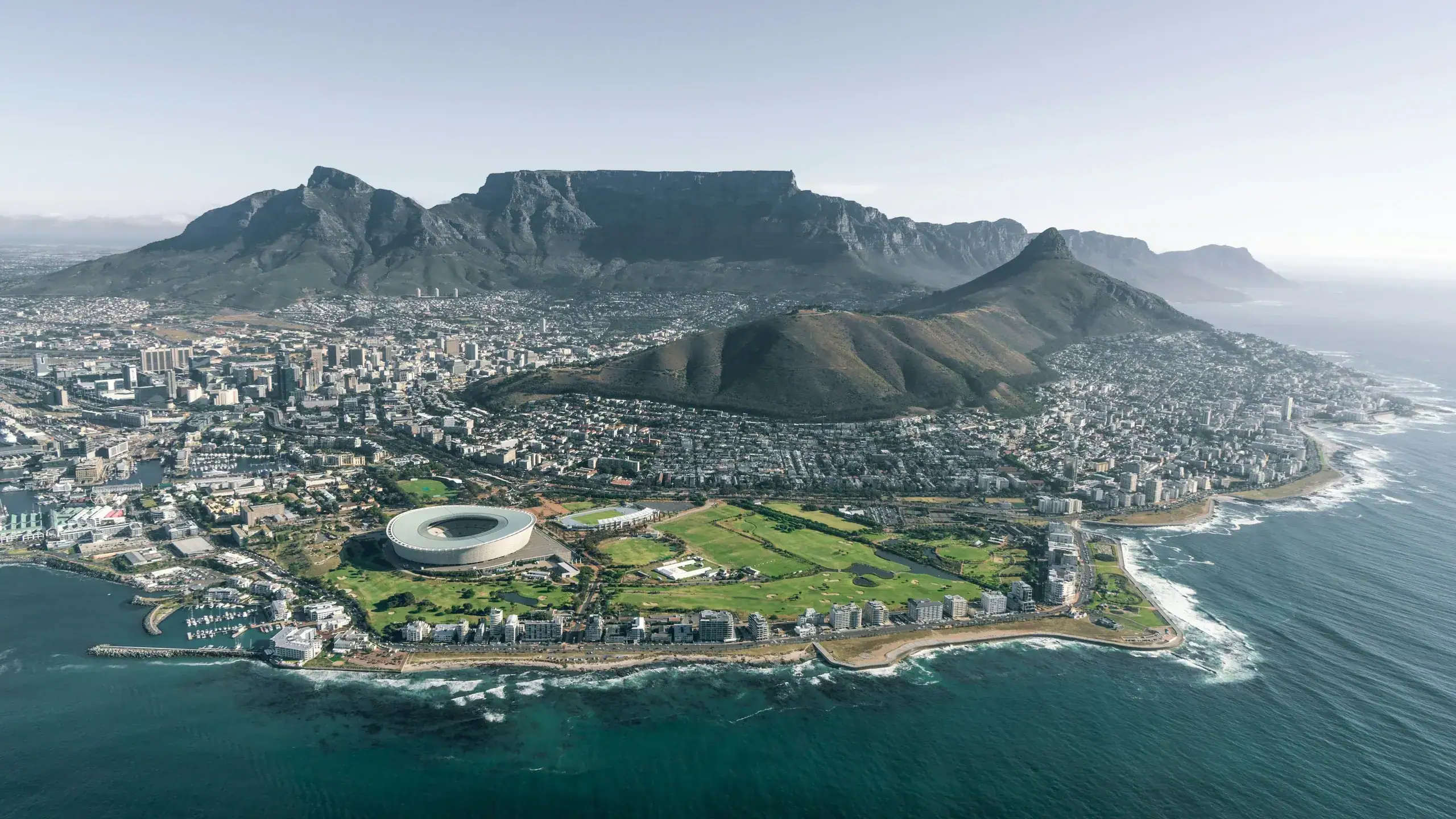
October is the most consistent month in the global travel calendar. Crowds have dropped, prices have fallen, and the destinations that are best in October are best in October specifically — Japan's autumn leaves, New England foliage, Cape Town spring, and the Sahara's cooler season.
11 min read

When to Go
Best Places to Travel in August 2026 — Where Peak Season Actually Works in Your Favour
August is the worst month to visit most famous destinations. It's also the only month for Norway's midnight sun hiking, Scotland's Highland Games season, and Hokkaido's lavender fields. Here's how to use August correctly.
10 min read
When to Go
Best Time to Visit Bali — A Local's Honest Calendar
Eight years of living between Bali and everywhere else taught me that the island has four micro-seasons — and the brochure describes exactly none of them accurately.
11 min read