
Best Places to Travel in Europe in 2026 — The Honest Region-by-Region Guide
Europe has 44 countries and approximately 10,000 guidebooks telling you to go to the same six cities. Here is the framework for finding the version of Europe that actually matches what you want — by season, budget, and what kind of traveller you are.
Europe's problem, as a travel destination, is that its marketing has collapsed most of it into six cities: Paris, Rome, Barcelona, Amsterdam, Prague, and London. These are all excellent cities and all worth visiting — but they are not the only Europe, and in July–August they are arguably the worst version of themselves: overcrowded, expensive, and full of visitors who are also looking for the real Europe that is hiding behind the tour bus queues. Here is a framework for finding it.
Planning this trip?
Find flights now
Compare prices across 700+ airlines and OTAs in one search — find the real lowest fare without the inflated middleman markup.
Search flightsNeed a place to stay?
Search hotels
Western Europe: the case for shoulder season
Paris, London, Amsterdam, and Barcelona don't need additional promotion — they're the most visited cities in the world for good reasons. What they need is better timing. Paris in January–February is 30–50% cheaper on accommodation, uncrowded at the Louvre and Musée d'Orsay, and populated by Parisians rather than tourists. Barcelona in April or October has the same architecture, the same Gaudí, and the same beach — without the 10am beach-club queues and the €20 paella traps. Amsterdam in March (tulip season begins) is at its most beautiful and most walkable. The case for Western Europe's big cities is not in doubt; the case for visiting them in July is much harder to make.

Southern Europe: Mediterranean and Adriatic
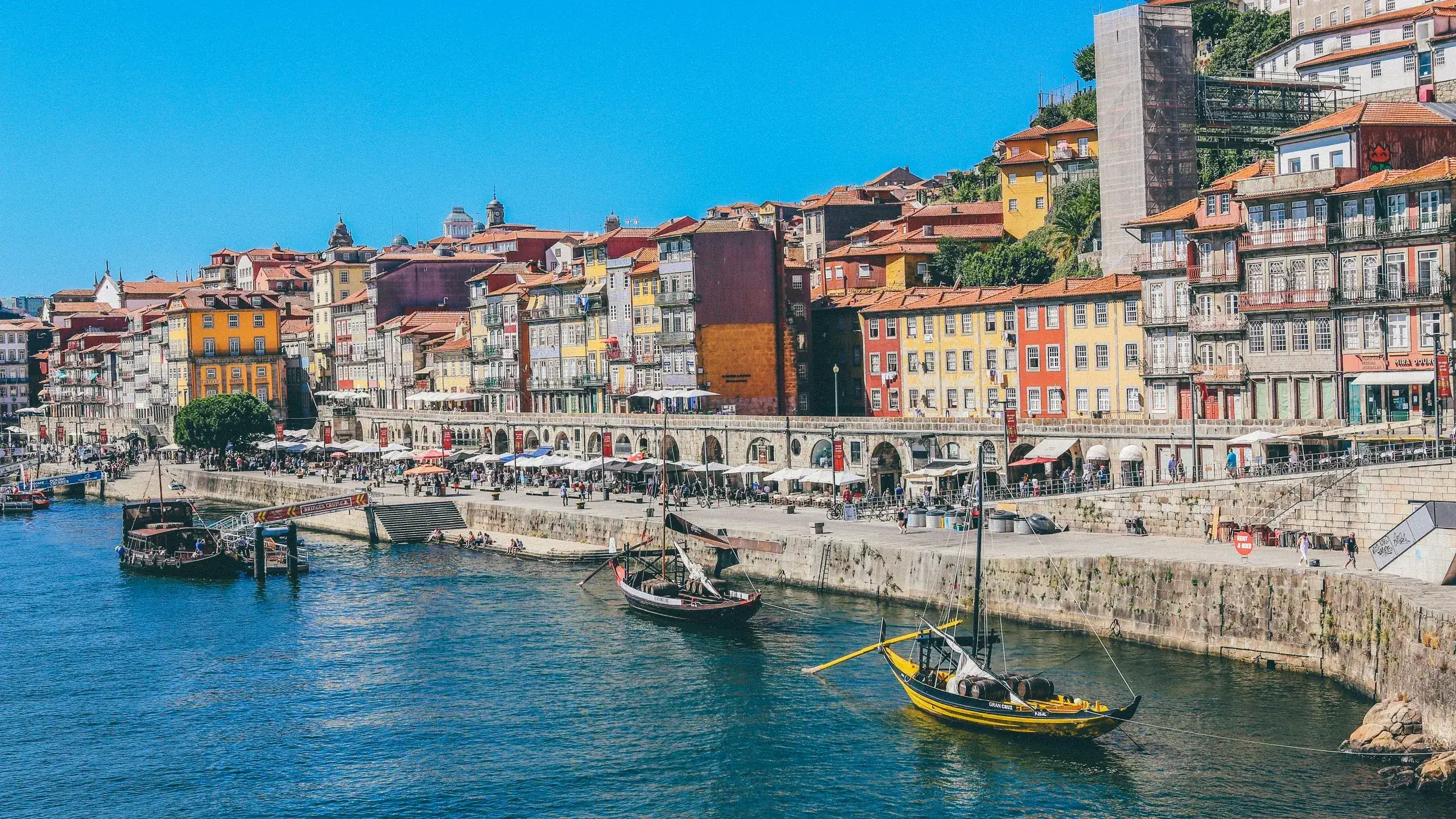
The Mediterranean arc from Portugal to Turkey delivers a remarkably consistent experience at different price points. Portugal is the outstanding value: Lisbon's Alfama neighbourhood, Porto's Ribeira and wine cave culture, the Alentejo cork forests and cork-walled manor houses, and the Algarve's sea-stack beaches form a rewarding single-country itineraries in Europe at prices meaningfully below Spain or France. Croatia's Dalmatian Coast (Split, Hvar, Dubrovnik) has been discovered but not yet ruined — though Dubrovnik's July–August is genuinely overcrowded; go in May or September. Greece beyond Santorini: the Peloponnese (Olympia, Nafplio, Monemvasia) is the Greece that existed before package tourism and is still almost entirely undetected by international visitors. Montenegro's Bay of Kotor and Albania's Riviera are where the Adriatic was 10–15 years ago — genuinely beautiful, genuinely affordable.
Editor's tips
- The Alentejo region of Portugal (driving distance from Lisbon) is the best wine region in Europe most people have never heard of
- Dubrovnik's walls are best at 8am — before cruise ship passengers disembark and after sunrise hits the limestone
- The Athens neighbourhood of Exarchia is the local-facing city that tourists walk past on the way to the Acropolis
Eastern Europe: the value alternative
Prague, Budapest, Kraków, Warsaw, Tallinn, Riga, and Ljubljana offer the architecture, history, food culture, and nightlife of Western European capital cities at 40–60% of the cost. Prague's Old Town is genuinely a genuinely beautiful medieval city centres in the world. Budapest's ruin bars and thermal bath culture are unique. Kraków's Old Town and the Wieliczka Salt Mine together form one of the strongest two-day cultural itineraries in Europe. The Baltic capitals (Tallinn, Riga, Vilnius) have well-preserved medieval cores and an emerging food scene that's moving fast. The caveat: July–August Eastern Europe is also crowded with budget travellers — the value premium shrinks when every low-cost airline in Europe is routing stag parties through Kraków. Go March–May or September–October.

Northern Europe: Scandinavia, Scotland, and the Midnight Sun
Norway, Sweden, Finland, Denmark, and Iceland peak in summer for outdoor travel — the midnight sun extends days into almost limitless activity windows, the hiking trails open fully in June, and the coastal archipelago culture (islands, fjords, ferry routes) is at its most functional. Bergen is the starting point for Norway's fjord country (Nærøyfjord, Sognefjord) and worth 3–4 days itself. Scotland's NC500 (North Coast 500) is the best road trip in the British Isles: 516 miles around the Highland north coast past sea lochs, castles, and beaches that genuinely look Caribbean in good weather. Denmark's Copenhagen is the most liveable city in Europe (consistently rated above Amsterdam and Stockholm) with a food scene centred on Noma's legacy that has permanently changed the city's restaurant culture. Budget note: Scandinavia is expensive — $100/night hostel dormitories exist in Oslo.
Editor's tips
- Norway's Interrail pass covers fjord ferries as well as trains — dramatically increases flexibility on the western fjord routes
- The NC500 is best driven anticlockwise (starting Inverness-north rather than west) to keep the dramatic north coast in front of you
- Copenhagen's Nørreport area has the highest concentration of good mid-range restaurants per square metre in the city — use it as a base
The underrated Europe: where to go in 2026
Albania's Riviera (Sarandë to Himarë) is the best value Mediterranean beach destination in Europe — turquoise Ionian water, almost no international tourist infrastructure, and prices that remind you of Croatia 15 years ago. €40/night for a clean hotel. €6 for a full meal. North Macedonia's Ohrid is one of Europe's best-kept secrets: a UNESCO-listed lake town with Byzantine churches, a genuinely functioning old bazaar, and mountain hiking that starts outside the city limits. The Transylvania region of Romania (Braşov, Sinaia, Sighişoara) has the Dracula mythology as a marketing angle but the real draw is dramatic Carpathian mountain scenery, well-preserved medieval towns, and the lowest prices in Central Europe. Slovenia's Soča Valley (Kobarid, Bovec) has emerald-green river gorges, WWI history, and outdoor sports infrastructure — hiking, kayaking, paragliding — at Austrian quality and Balkan prices.
Balancing headline cities with quieter regions
Europe offers a spectrum from famous cities to little-visited regions, and a good trip often mixes both. Consider pairing a well-known city with a smaller town or countryside stay within easy reach by train, which gives contrast and reduces crowds. Travel outside July and August when you can, since shoulder seasons offer better prices and a more relaxed atmosphere in many places. Train networks make city-to-city travel simple, but book high-speed and long-distance routes ahead for the best fares. Learn about local customs, such as meal times, shop closures and dress at religious sites. Be aware of cross-border rules and any entry systems that apply to your passport, and check them close to departure, as requirements change. Keep flexibility in your plan for weather, strikes and other disruptions. A balance of famous and quiet places makes the continent's variety part of the trip.
Find the Best Flight Deals
Prices vary dramatically by month. Compare live fares from hundreds of airlines to lock in the cheapest window for your travel dates.
Where to Stay
From boutique guesthouses to luxury resorts, the accommodation you choose shapes the trip. Filter by neighbourhood, price, and guest rating to find your match.
Tours & Activities
Skip the tourist traps. Book directly with vetted local operators — skip-the-line access, small groups, and money-back guarantees included.
Frequently asked questions
Portugal consistently ranks as the best single-country value in Western Europe: Lisbon, Porto, the Alentejo wine region, and the Algarve form a remarkably diverse itineraries in Europe at prices 20–30% below France, Spain, or Italy. For budget: Albania, North Macedonia, or Romania offer the best value on the continent.
The best place to travel in Europe depends almost entirely on when you go and what you're optimising for. For culture at any price: Portugal's Lisbon–Porto circuit, Poland's Kraków, or Greece's Peloponnese all deliver without the premium of the obvious choices. For landscape: Norway's fjords, Scotland's NC500, or Slovenia's Soča Valley. For beach: Portugal's Algarve in May or June, Albania's Riviera in September, or Greece's Ionian Islands in any shoulder month. The framework that consistently produces good European trips: choose a region, give it ten days minimum, and go in May, June, September, or October.
Get there
Flights
One search across 700+ airlines — find the real lowest fare for your dates.
Search flightsWhere to stay
Hotels
Browse verified hotels and stays — instant confirmation, secure booking.
Book on KKdayThings to do
Activities
Tours, attractions, and day trips — free cancellation on most experiences.
Book on KlookTours & Experiences
Book the experiences, not just the trip
Skip-the-line tickets, guided tours, and day trips — free cancellation on most, confirmed instantly.
About the author
Camille Laurent
Senior Travel Editor · Based in Lisbon · Bali
Camille has spent the last 9 years living in or reporting from over 60 countries. Former contributor to Condé Nast Traveler and Monocle, she focuses on Southeast Asia, Mediterranean Europe, and the Middle East. Currently based between Lisbon and Bali.
Read next — destinations

More from The Edit

When to Go
Best Places to Travel in June 2026 — The Month That Gets Everything Right
June is the most underused month of the summer travel season. Before schools break up in most countries, before prices spike, and before peak crowds arrive — June often delivers the same destinations at their quietest and most atmospheric.
10 min read

When to Go
Best Places to Travel in October 2026 — The Month That Consistently Overdelivers
October is the most consistent month in the global travel calendar. Crowds have dropped, prices have fallen, and the destinations that are best in October are best in October specifically — Japan's autumn leaves, New England foliage, Cape Town spring, and the Sahara's cooler season.
11 min read
Travel Guides
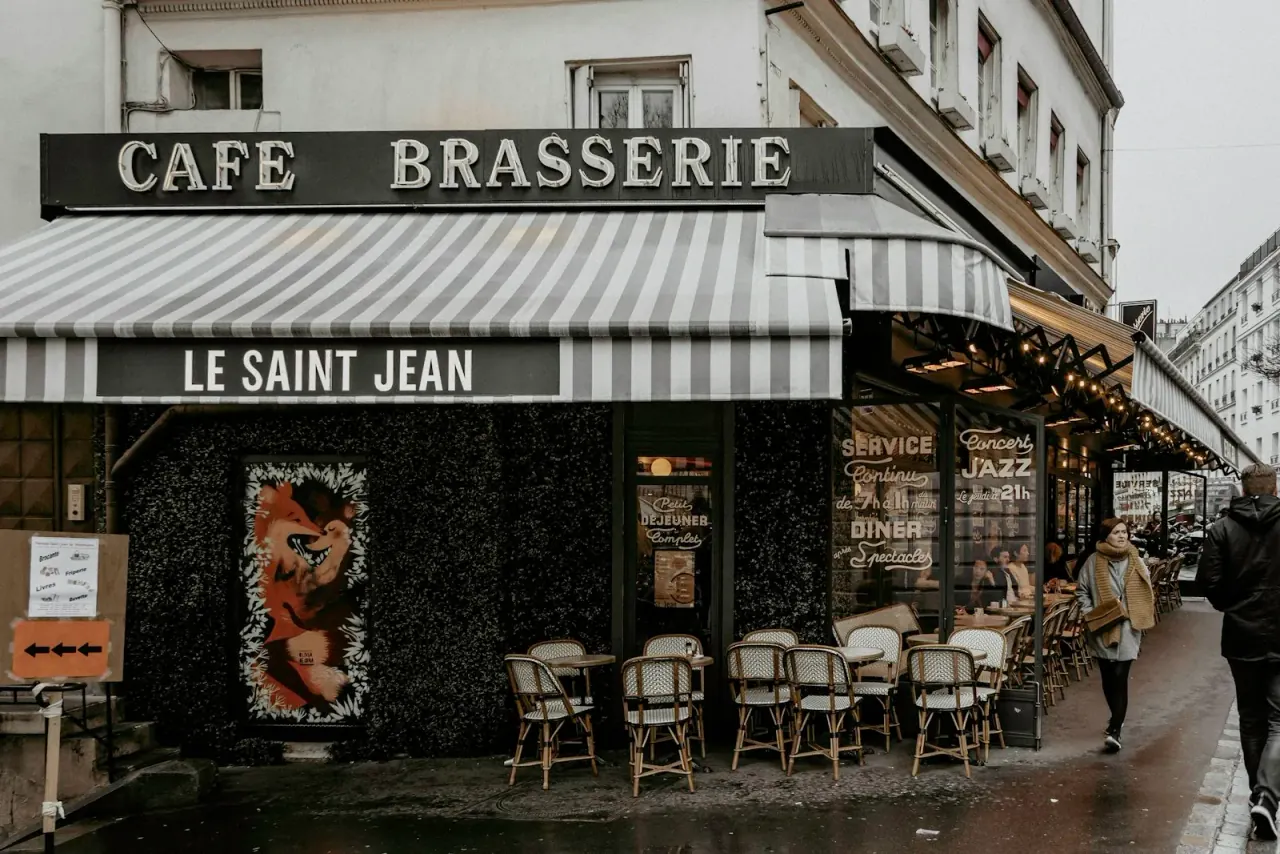
How to Avoid Tourist Traps in Paris — A Local's Editorial
No €9 coffees. No €40 mediocre bistros. No 90-minute queue for a view that Tour Montparnasse does better. The rules that separate a good Paris trip from a bad one are eight, and none of them are secrets.
10 min read