
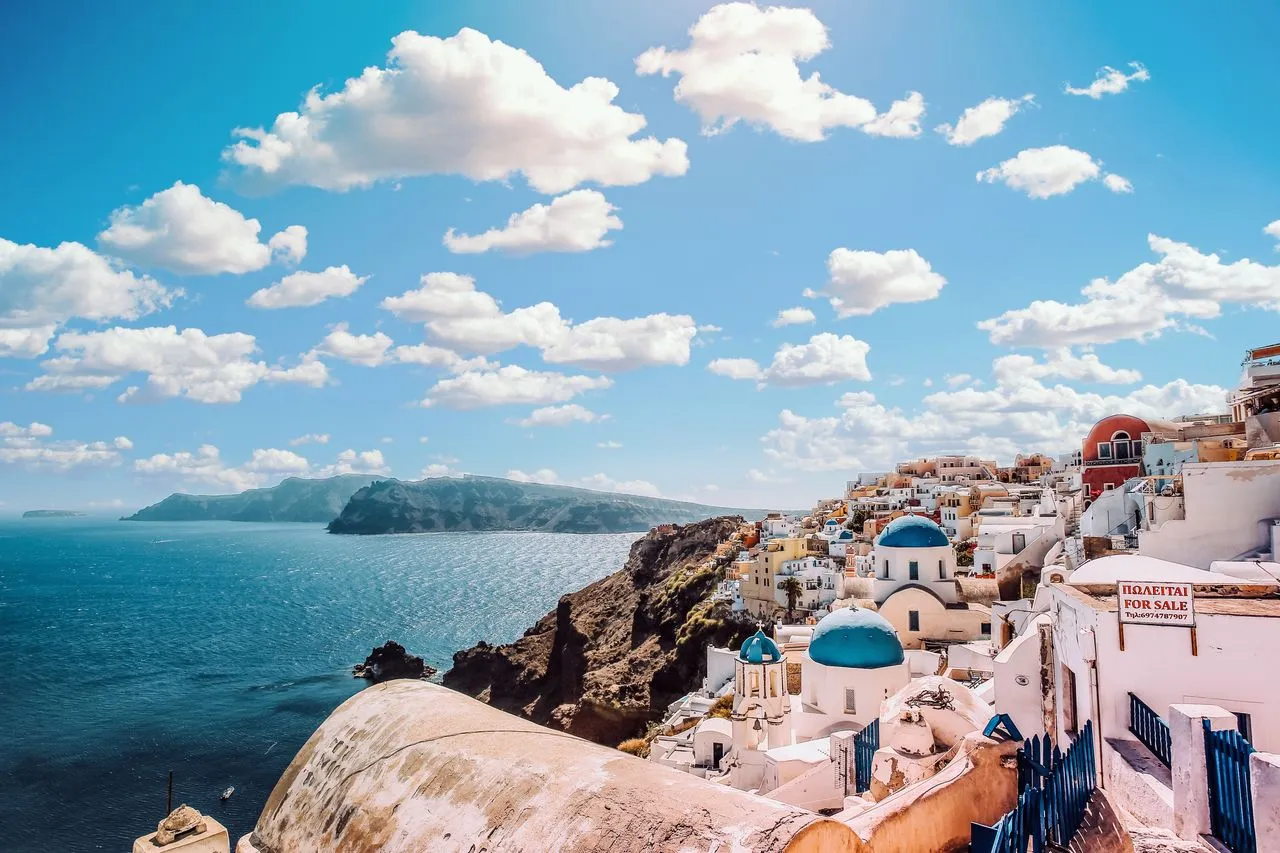
Croatia vs Greece — Which Mediterranean Trip Is Right for You?
Two Mediterranean heavyweights that share turquoise water and ancient stone — but deliver fundamentally different trips.
I've spent six combined weeks between Croatia and Greece. The honest answer is they're less similar than Instagram makes them look. Croatia is a 600km driveable coastline with medieval walled cities. Greece is 6,000 islands across three seas where the ferry schedule shapes your trip.
Planning this trip?
Find flights now
Compare prices across 700+ airlines and OTAs in one search — find the real lowest fare without the inflated middleman markup.
Search flightsNeed a place to stay?
Search hotels
Beaches: Greece wins
Navagio, Elafonissi, Balos, Myrtos. Water 24-27°C vs Croatia 22-25°C. More sand beaches. Croatia: pebble/rock, crystal-clear water, needs water shoes. Verdict: Greece wins on variety, quality, quantity.
Old Towns: Croatia wins
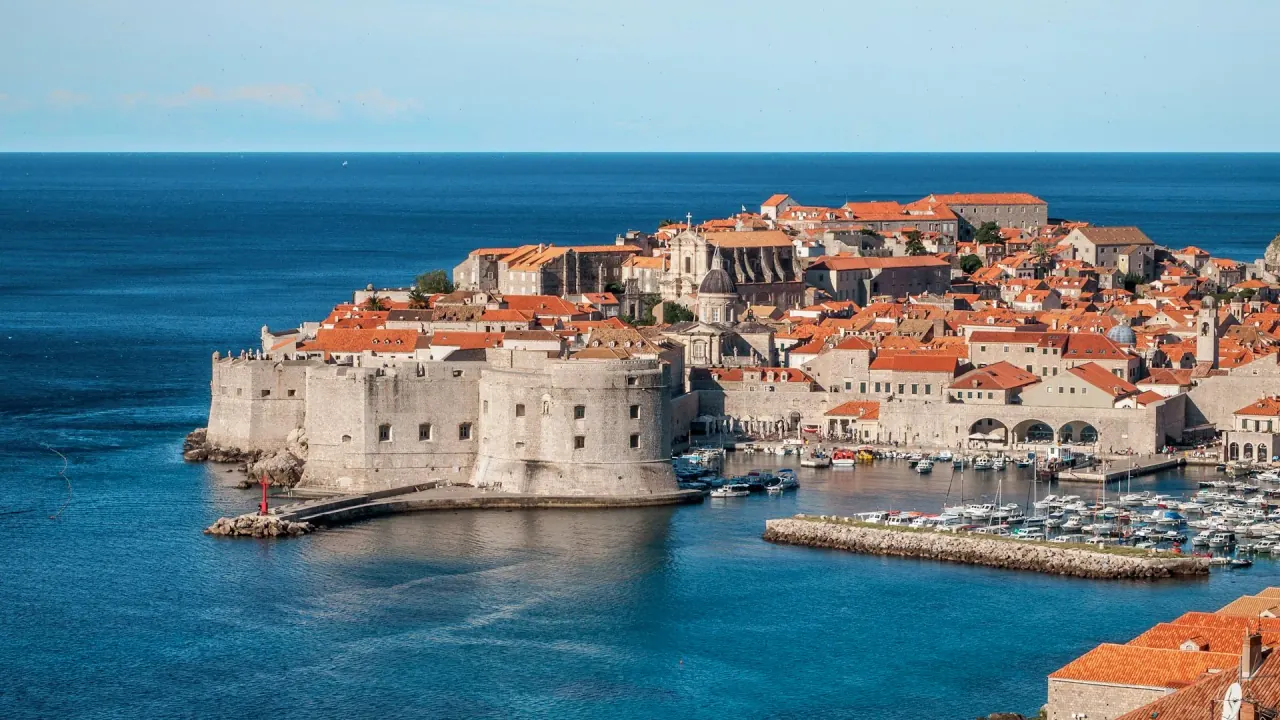
Dubrovnik's 2km walls. Split built inside Diocletian's Palace. Rovinj's Italian charm. Greece has Acropolis, Plaka, Corfu Town — but Croatia's concentration of intact medieval cities is unmatched.
Islands: Greek quantity vs Croatian accessibility
Greece: 200+ inhabited islands, 6 groups, each with different character. Croatia: 50 islands, more uniform, but shorter ferries (30-90min) and easier to combine with coastal driving.
Food: both excellent, different traditions
Croatia: Italian-Adriatic, Istrian truffles, black risotto, peka. Dinner Split €18-25. Greece: mezze, moussaka, feta. Dinner Athens €12-20, Mykonos €35-55. Both top-tier Mediterranean food.
Nightlife: Greece wins
Mykonos Paradise Beach, Ios party strip, Athens Psyrri. Croatia has Hvar and Buza Bar Dubrovnik, but Greece is purpose-built nightlife at scale.
Costs: Croatia mainland cheaper, Greece islands cheaper
Split daily: €95-160. Athens: €80-135. Crete/Naxos: €75-130. Santorini/Mykonos: €160-290. Dubrovnik: €120-200. Beer: Split €3-4, Athens €3.50-5, Mykonos €7-9.
Getting around, best time, family vs romance
Croatia: rent car, drive coast. Greece: ferries + domestic flights. Both peak July-August. Sweet spot May-June, Sept-Oct. Families: Croatia (short drives, calm water). Romance: Greece (Santorini sunsets, secluded coves).
The decision: which trip is yours?
Choose Croatia if: road trip, family, medieval cities, 7-10 days. Choose Greece if: island-hopping, beaches, nightlife, honeymoon, 10-14+ days. Combined: Dubrovnik to Split (4 days), fly to Athens, island-hop (10 days).
How the choice changes with your travel style
A comparison between two coastlines is only useful when it is tied to how you like to travel. If you prefer to drive and change places often, Croatia's mainland coast is more continuous and easier to link by road, with towns and islands within reach. If you prefer to settle on an island and explore slowly, Greece offers far more variety, though ferries and flights need planning and weather can affect schedules. Families with young children often value shorter transfers and reliable facilities, while couples looking for dramatic scenery and sunsets may favour particular Greek islands. Budget matters, and prices vary by season and island, so compare accommodation in the specific places you want, not the countries in general. Crowds are also seasonal: both destinations are busiest in July and August, and both improve in June and September. Choose based on how much moving you want to do, how much history you want to see and how much time you have.
Compare Flights
Search Split, Dubrovnik, Athens.
Find Accommodation
From Dubrovnik boutique hotels to Santorini suites.
Book Experiences
Dubrovnik walls walk, Santorini wine tour, Split food tour.
What Greece does that Croatia cannot replicate
Greece has 6,000 islands and islets. Only around 220 are inhabited, and only about 80 have any tourist infrastructure worth mentioning — but those 80 include some of the most radically different travel experiences available in the Mediterranean. Santorini and Mykonos are the famous ones, and they are genuinely remarkable, and they are also genuinely crowded in July and August. But the Greek island system extends to places like Ikaria (known for its longevity and radical hospitality), Naxos (the largest Cycladic island, with empty beaches in the south and mountain villages inland that barely register tourism), Amorgos (featured in The Big Blue, still arrestingly beautiful and relatively untouched), and Symi (a neoclassical harbour town that closes most restaurants after September and changes into something closer to a village). This diversity — which ranges from club-island chaos to genuine remoteness — is something Croatia's island chain cannot quite match at scale. Croatia's islands are excellent: Hvar, Korčula, Vis, Mljet. But they are variations on a theme. Greece's islands are distinct ecosystems, culturally and physically. The Dodecanese (Rhodes, Kos, Patmos) feel different from the Cyclades (Mykonos, Paros, Naxos), which feel different from the Ionian Islands (Corfu, Zakynthos, Kefalonia). The choice within Greece is itself a trip-planning exercise. What Greece also has, and Croatia lacks, is deep historical and archaeological density at every layer. Athens' Acropolis is not merely a museum piece — it is a working part of the city's life and skyline. Delphi sits in a mountain valley two hours from Athens. Ancient Olympia, where the Games were held for twelve centuries, is a quiet site in the Peloponnese that most international visitors somehow miss. Thessaloniki has a Byzantine legacy that predates and outlasts the Roman and Ottoman layers visible in its architecture simultaneously. Greece also wins on food culture depth. The combination of olive oil, seafood, and legumes gives the Greek diet a richness that has been studied by nutritionists for decades — and the tavernas, particularly outside the tourist centres, often source locally in ways that most European destinations have abandoned. A meal in a Cretan village at 1pm, with bread, olives, horta (boiled wild greens), fresh fish, and a carafe of local wine, costs €18 and is not a tourist experience. It is what Cretans eat.
What Croatia does that Greece cannot replicate
Croatia's coastline runs 1,246 kilometres of mainland shore — plus 4,012 kilometres of island shore. That number matters because it means Croatia's Adriatic is a system of channels, fjords, and sheltered passages that creates ideal conditions for sailing, kayaking, and island-hopping by ferry in a way that is logistically simpler than the Greek system. The ferry network between Split, Hvar, Korčula, Vis, and the surrounding islands is reliable, frequent, and cheap. A foot passenger ticket from Split to Hvar runs about €5. This accessibility means you can island-hop in Croatia without committing to a sailing itinerary — you stay ashore, take a morning ferry, spend the afternoon on the next island, take an afternoon ferry back or onward. Greece's islands have ferries too, but the distances are larger, the timetables less forgiving, and overnight ferries a more regular feature of the journey. Croatia's Dalmatian Coast old towns are among the best-preserved medieval urban environments in Europe. Dubrovnik's walls are justifiably famous — 1,940 metres of intact fortification around a car-free city that has functioned continuously since the 7th century. Split is more interesting in some ways: Diocletian's Palace was built in the 4th century AD as a retirement home for a Roman emperor, and the medieval city grew up inside it. People still live in the palace. Restaurants operate in what were once imperial mausoleums. The distinction between monument and neighbourhood disappeared centuries ago. Korčula is Marco Polo's putative birthplace — a smaller, less visited version of Dubrovnik's limestone character, without the cruise ship density. Rovinj, in Istria, has an Italian-speaking historical population and a visual character that reads as Venetian: coloured facades, a campanile, cobblestone lanes running down to the water. For families, Croatia has a practical advantage: the Adriatic is calmer than the Aegean in summer, the beaches are easier to access from the old towns, and the scale of travel between destinations is more manageable with children. A week in Istria or the Kvarner Gulf covers beaches, medieval towns, truffle country, and one national park without requiring a single overnight ferry. The honest verdict: Greece offers more — more island diversity, more archaeological depth, more food culture, more year-round warmth in the south. Croatia offers better — better sailing infrastructure, better-preserved old towns relative to tourist density, and a more manageable trip structure for first-time Mediterranean visitors. Neither is wrong. They are different problems being solved by different landscapes.
Frequently asked questions
Neither categorically. Croatia mainland €95-160/day. Greece ranges €75-130 (Crete) to €160-290 (Santorini). Avoiding Santorini/Mykonos makes Greece 15-20% cheaper.
Croatia for a week-long family road trip. Greece for a two-week romantic island odyssey. For food, you genuinely cannot go wrong with either.
Get there
Flights
One search across 700+ airlines — find the real lowest fare for your dates.
Search flightsWhere to stay
Hotels
Browse verified hotels and stays — instant confirmation, secure booking.
Book on KKdayThings to do
Activities
Tours, attractions, and day trips — free cancellation on most experiences.
Book on KlookTours & Experiences
Book the experiences, not just the trip
Skip-the-line tickets, guided tours, and day trips — free cancellation on most, confirmed instantly.
About the author
Camille Laurent
Senior Travel Editor · Based in Lisbon · Bali
Camille has spent the last 9 years living in or reporting from over 60 countries. Former contributor to Condé Nast Traveler and Monocle, she focuses on Southeast Asia, Mediterranean Europe, and the Middle East. Currently based between Lisbon and Bali.
Read next — destinations
More from The Edit
When to Go
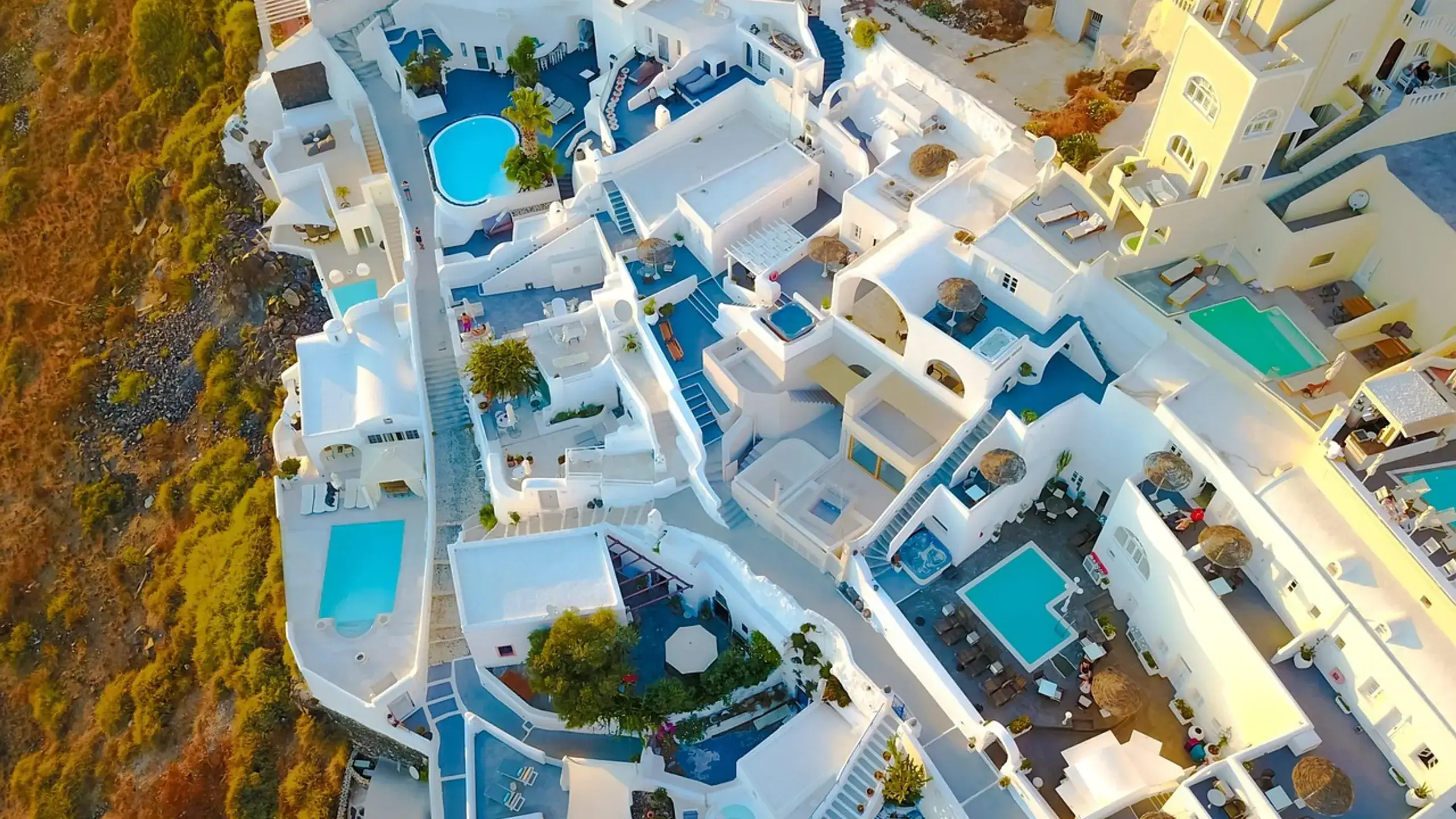
Best Time to Visit Santorini — A Realistic Calendar for the Most Photographed Island in Europe
Two months are extraordinary, two are uncomfortable, and one window most people miss is the actual answer. Here's the calendar I use for myself.
9 min read

Honest Take
TheNaughtyTravelers — What the Travel Creator Couple Actually Offers
TheNaughtyTravelers is a travel content creator brand built by a couple sharing unfiltered destination experiences. Here is what makes their content useful, where it falls short, and how it compares to other travel creators.
7 min read

Honest Take
Paris vs Rome: A Brutally Honest Comparison for First-Timers
Both cities live under the weight of their own reputation. Paris has been described as a disappointment by enough visitors to make the 'Paris syndrome' a documented clinical phenomenon. Rome gets easier the more you know about what you're looking at. The comparison is not which city is better — it is which city is better for you.
12 min read