
How to Avoid Tourist Traps in Paris — A Local's Editorial
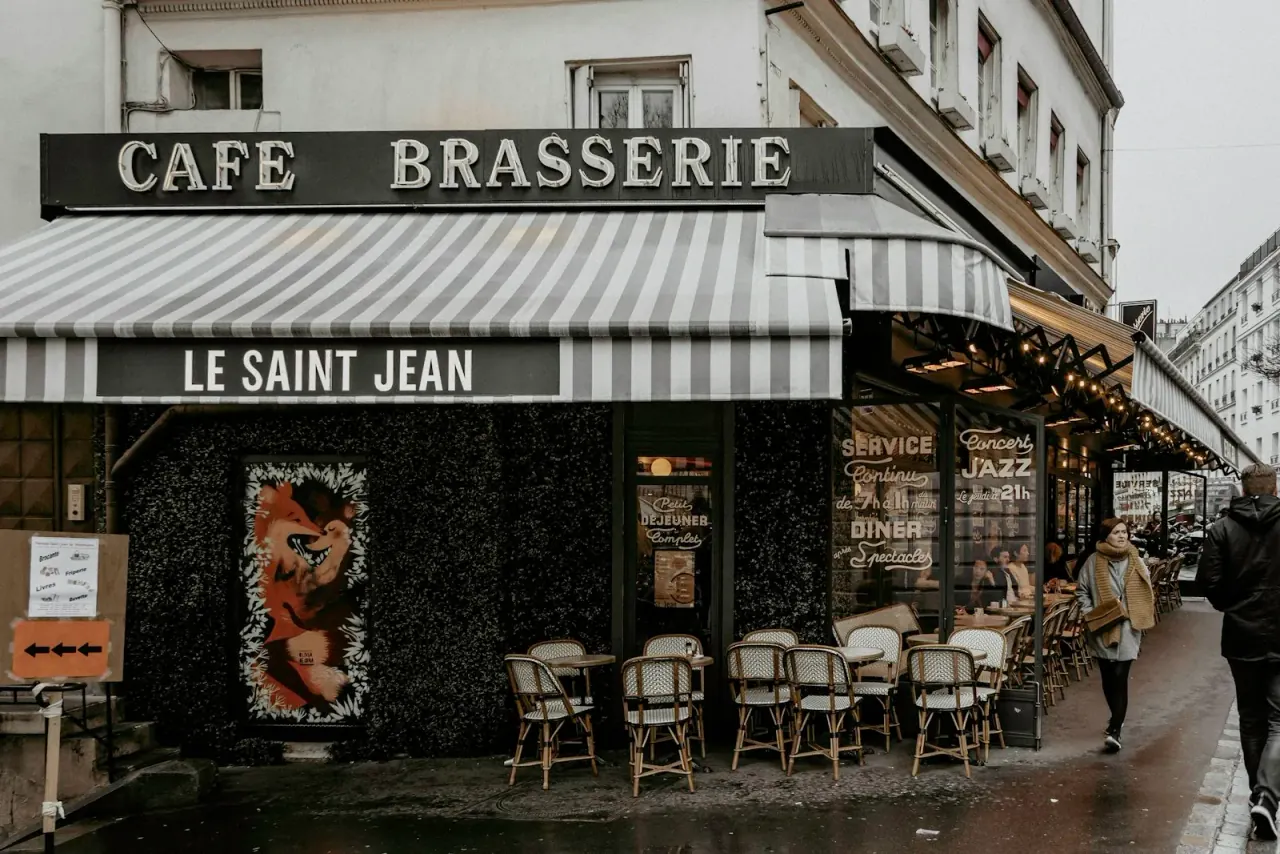
No €9 coffees. No €40 mediocre bistros. No 90-minute queue for a view that Tour Montparnasse does better. The rules that separate a good Paris trip from a bad one are eight, and none of them are secrets.
Paris has the same problem every great tourist city has — the most famous neighbourhoods are also the ones least worth eating, drinking, or sleeping in. The economy of visitor-zone Paris (the 1st through the 7th arrondissements, plus pockets of the 18th around Sacré-Cœur) has optimised over fifty years for travellers who pay a premium and never come back. Avoiding it isn't a secret. It just requires knowing the rules. Below: the rules I follow when I'm in the city, and that I send to friends. Two guides worth reading alongside this one: 5 Days in Paris and Rail Travel London to Paris.
Planning this trip?
Find flights now
Compare prices across 700+ airlines and OTAs in one search — find the real lowest fare without the inflated middleman markup.
Search flightsNeed a place to stay?
Search hotels
Rule 1: Avoid the central tourist zones for meals
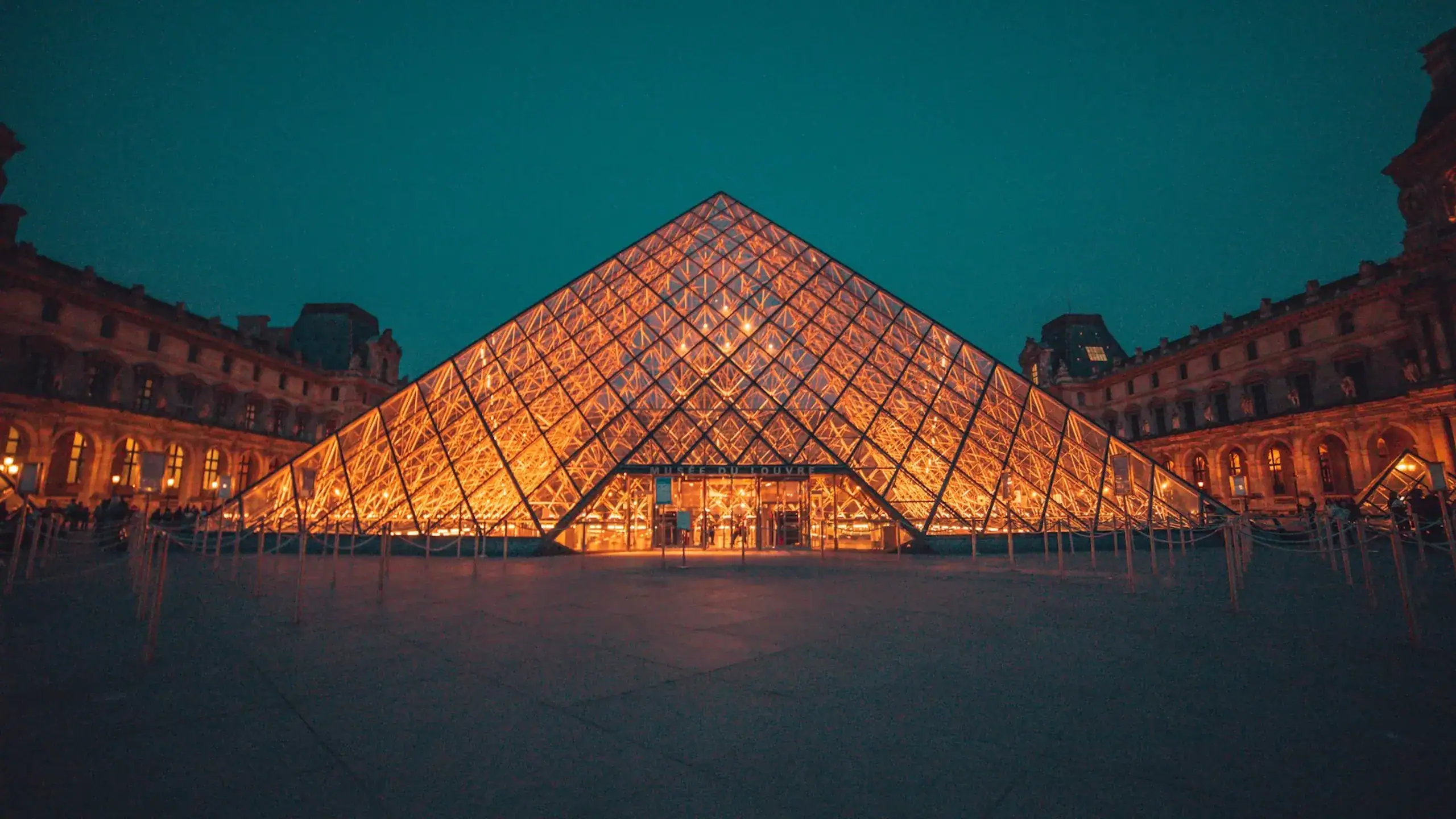
The 1st through 4th arrondissements (Tuileries, Louvre, Marais centre, Île de la Cité) are where the worst restaurant economics in the city live. Meals here are 40–80% more expensive than equivalents in residential neighbourhoods, and the average quality is meaningfully lower because most diners are one-time visitors. Specific stretches to actively avoid: Rue de Rivoli, around the Louvre pyramid, the streets immediately surrounding Notre-Dame, the Champs-Élysées entirely. Walk 20 minutes east into the 11th, north into the 9th, or up into the 18th to eat. Lunch in central Paris is fine if you stick to museum cafés (the Café Marly at the Louvre, the rooftop café at Galeries Lafayette) which have set prices and aren't tourist traps in the predatory sense. Dinner — leave the centre.
Rule 2: The visual signs of a tourist trap
Three signs will identify a tourist-trap restaurant in 5 seconds. First: photos of food on the menu, especially in multiple languages. Real Paris restaurants don't photograph their food on menus. Second: a host on the street pulling diners in, or the menu displayed prominently with English/Italian/Chinese translations. Local Paris bistros have menus on the door — singular, in French, sometimes with a chalkboard. Third: prices ending in .90 or .95 (€19.90 for a steak frites). Real bistros price round (€18, €22, €24). Apply this filter and you'll filter out 90% of the central traps. The remaining 10% (the museum cafés, the truly historic addresses) are obvious.
Rule 3: The €3 coffee test
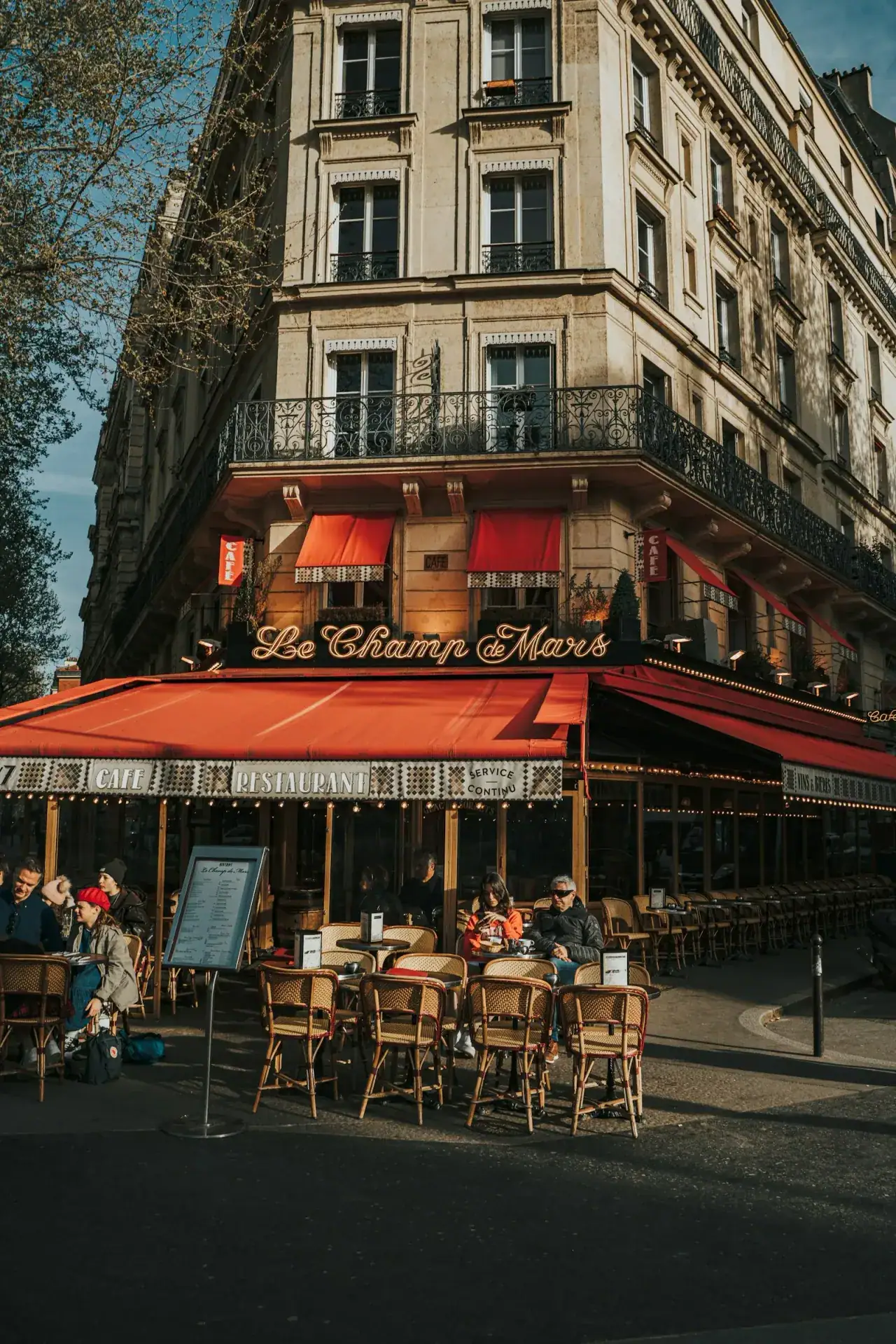
A French café espresso, served at the bar (au comptoir), should cost €1.20 to €2.50. Sitting at a table (en salle) raises it to €2.80–€3.50. Sitting on the terrace adds another €0.50–€1.00. If you're paying more than €4 for an espresso, you are by definition in a tourist zone — leave. The same rule applies to all standard French café items: a coffee plus croissant should be €5–€7 in a real café; €12+ means tourist zone. Use this as your geographical compass — when prices climb past the line, walk 5 minutes in any direction and prices fall.
Rule 4: Sleep outside the centre
Hotels in the 1st–7th arrondissements are 30–60% more expensive than equivalent quality in the 9th, 10th, 11th, or 18th. The trade-off — 'I want to walk to the Louvre from my hotel' — is rarely worth the premium because Paris is small enough that any hotel within a 12-minute walk of a metro line can reach any major sight in 15–25 minutes. Specific neighbourhoods we recommend for hotels (in order of best value to most expensive): the 11th around Bastille, the 9th around Pigalle/SoPi, the 10th around Canal Saint-Martin, and the 18th around Abbesses (Montmartre). All four have excellent metro connections, real restaurant scenes, and hotels at €120–250/night where the central equivalent is €280–400.
Rule 5: Skip the Eiffel Tower climb
The Eiffel Tower itself is unmissable — but the climb to the top is a genuine tourist trap. €30 per person, queues that average 60–90 minutes in peak season, and a view of Paris that is — and this is the underrated point — less impressive than the views available from elsewhere because the Eiffel Tower itself is missing from the photograph. The two superior alternatives. Tour Montparnasse: 56-floor observation deck, €21, no queue, panoramic Paris with the Eiffel Tower in the foreground. Sacré-Cœur dome: €6, 300-step climb, Montmartre rooftops with the Eiffel Tower distant. Both photograph dramatically better than the view from the Eiffel itself.
Rule 6: Markets, not tourist food halls
Paris's covered markets are open six days a week, full of locals shopping for dinner, and serve some of the best inexpensive lunches in the city. Three to know: Marché des Enfants Rouges (3rd arrondissement, the oldest covered market, Moroccan and Italian and Japanese stalls); Marché d'Aligre (12th, the Saturday morning version is the city's best general market); Marché Bastille (Sunday morning, sprawling outdoor produce). Lunch at any of these is €10–15 and is among the best Parisian street-food experiences. The Time Out Market or the Galeries Lafayette gourmet floor are not tourist traps exactly but they're 2–3x the price of these traditional markets for similar quality.
Rule 7: The bouquinistes are decoration, not bookshops
The green book stalls along the Seine are characterful and form part of the city's UNESCO-listed riverbank. They are not, in 2026, real bookshops. Most sell tourist tat (fridge magnets, postcards, mass-produced art prints) with a thin layer of genuinely old French books for atmosphere. If you want a real Paris bookshop experience: Shakespeare and Company (38 Rue de la Bûcherie, the legendary English-language one), Gibert Joseph in the Latin Quarter (massive new and used French bookshop), or Mona Lisait in the 4th (the discount art-and-photography books). The bouquinistes are worth a 5-minute stroll past, not a 20-minute browse.
Rule 8: Reserve in advance, including for casual restaurants
This is the post-2023 reality of Paris. Even casual neighbourhood bistros now require reservations 3–7 days ahead — and the famous restaurants need 3–6 weeks. Use the LaFourchette (TheFork) app for most mid-range bookings; use direct booking for the harder ones (Septime, Le Comptoir, Frenchie all open reservations one month ahead, online, at 12:00 Paris time exactly). Walking into a Paris restaurant at 8pm without a reservation now reliably sends you to the worst tier of tourist places — which is to say, the ones that always have tables because no one who lives here eats there.
Getting There: Flight Options
Compare live prices across 500+ airlines and booking platforms. Flexible date search lets you find the cheapest nearby dates.
Activities & Local Experiences
Join small-group tours led by local experts — temple visits, cooking classes, trekking, and more. Instant confirmation, free cancellation on most.
Hotels & Accommodation
Filter by price, rating, location, and amenities. Read verified guest reviews and compare rates across all major booking platforms.
Frequently asked questions
The Champs-Élysées restaurants, the cafés on Île de la Cité near Notre-Dame, the bouquinistes selling fake antique prints, and the streets immediately surrounding the Louvre pyramid. These zones charge 50–100% above neighbourhood prices for inferior quality. The Galeries Lafayette and Printemps department stores are not tourist traps but their prices are also inflated.
The Paris worth coming for is genuinely still here — neighbourhood bistros at €25 a head, real coffee at €1.50, museums full of locals, markets at sunrise, the kind of light and architecture that has been the standard for 200 years. It's just that 70% of visitors are funnelled into the small slice of the city designed to extract money from them, and they leave thinking that's what Paris is. Stay in the 11th. Eat in the 11th. Apply the €3 coffee test. Reserve everything 5–7 days ahead. You'll have the trip the brochures promise.
Get there
Flights
One search across 700+ airlines — find the real lowest fare for your dates.
Search flightsWhere to stay
Hotels
Browse verified hotels and stays — instant confirmation, secure booking.
Book on KKdayThings to do
Activities
Tours, attractions, and day trips — free cancellation on most experiences.
Book on KlookTours & Experiences
Book the experiences, not just the trip
Skip-the-line tickets, guided tours, and day trips — free cancellation on most, confirmed instantly.
About the author
Camille Laurent
Senior Travel Editor · Based in Lisbon · Bali
Camille has spent the last 9 years living in or reporting from over 60 countries. Former contributor to Condé Nast Traveler and Monocle, she focuses on Southeast Asia, Mediterranean Europe, and the Middle East. Currently based between Lisbon and Bali.
Read next — destinations
More from The Edit
Itineraries
5 Days in Paris: Where to Eat, Sleep, and Skip
Most first-time itineraries send you to the same eight monuments and the same six tourist-trap cafés. Here is the version we'd actually plan for a friend — by neighbourhood, by meal, and including the things we'd specifically not do.
13 min read

Travel Guides
Rail Travel London to Paris — The Eurostar Guide You Actually Need in 2026
The train is faster city-centre to city-centre, often cheaper than flying, and the experience is dramatically better. Here's everything that changes once you understand how it actually works.
11 min read
Hotel Picks
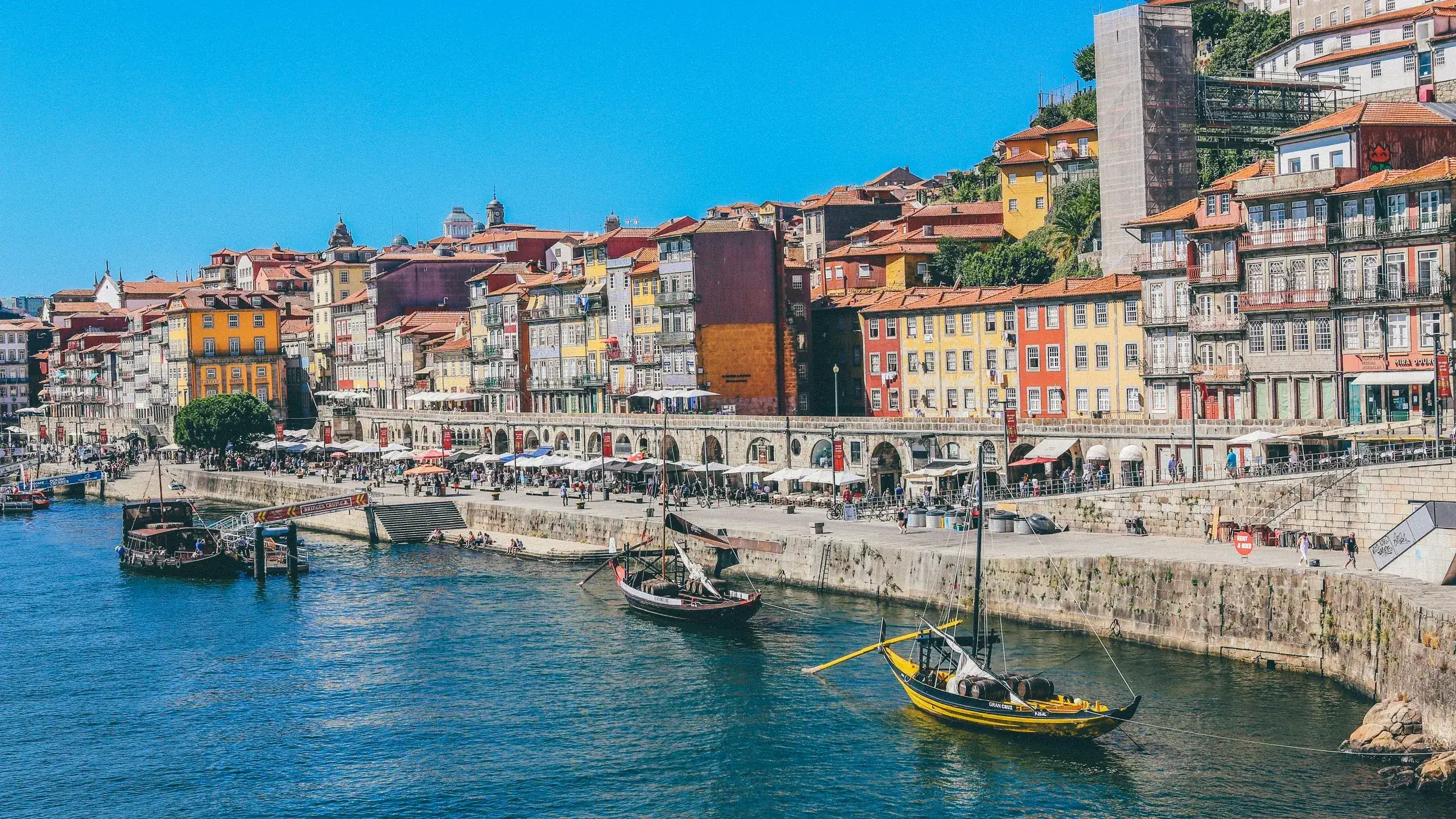
Best Boutique Hotels in Lisbon Under €250 a Night
Lisbon's boutique hotel scene has caught up with Berlin and Barcelona — but the properties worth your money still cluster between €120 and €250. Six we'd book, one we wouldn't mention to a competitor.
9 min read