
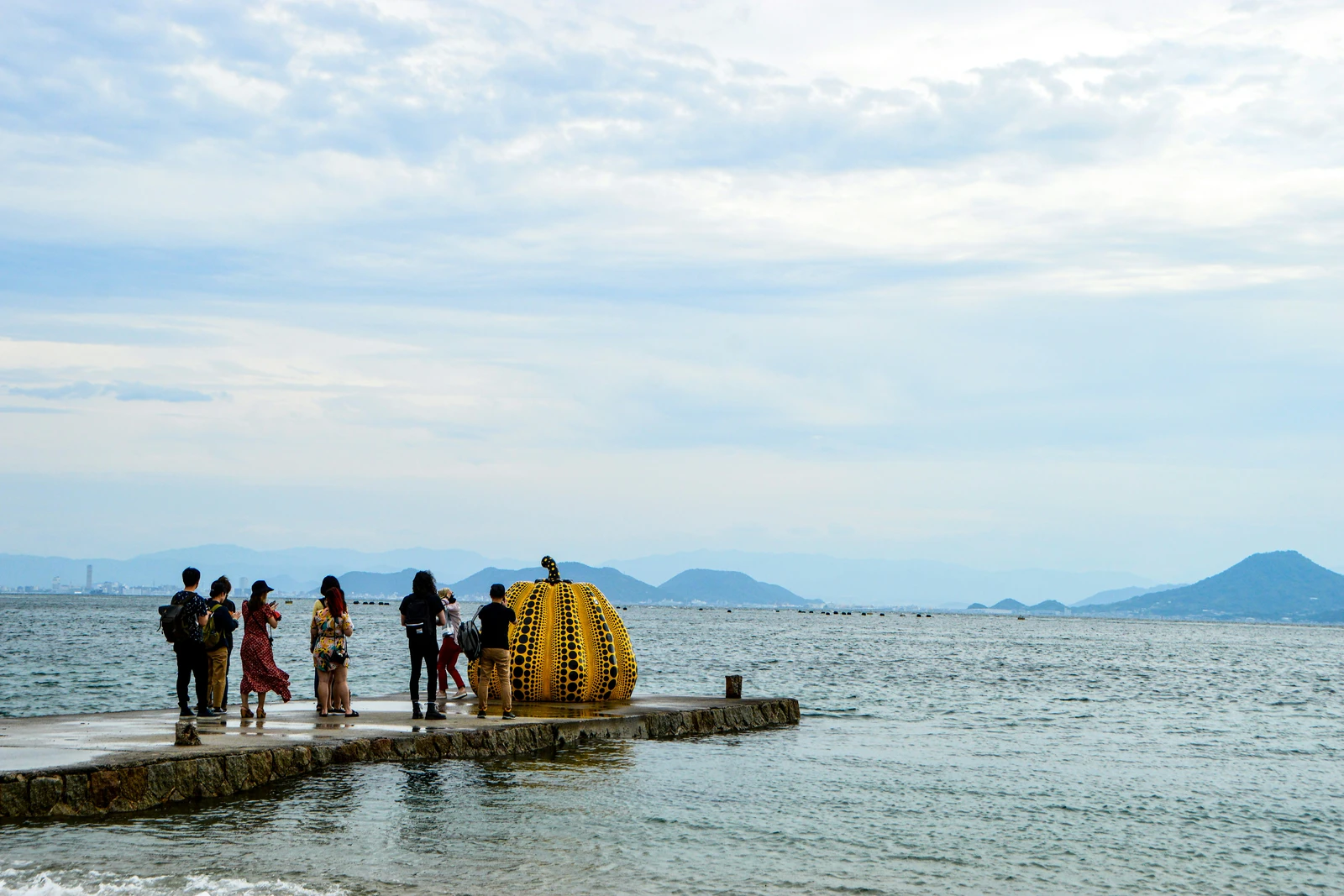
Setouchi: Japan's Art Islands, and the Cities Everyone's Suddenly Naming
Okayama, Takamatsu, and Matsuyama all showed up on Agoda's 2026 fastest-growing list, and they're all the same region — the Seto Inland Sea, where a scattering of islands turned into one of the world's more unlikely contemporary art destinations.
Three of Agoda's five fastest-growing Asia destinations for 2026 — Okayama, Takamatsu, Matsuyama — sit within ninety minutes of each other on the Seto Inland Sea, and most visitors naming them individually haven't clocked that they're describing one region. I've now made the trip twice, and Setouchi remains the best answer I have to 'I've done Tokyo and Kyoto, what's actually worth a week in Japan next.'
Planning this trip?
Find flights now
Compare prices across 700+ airlines and OTAs in one search — find the real lowest fare without the inflated middleman markup.
Search flightsNeed a place to stay?
Search hotels
What Setouchi actually is
The Seto Inland Sea separates Japan's main island (Honshu) from Shikoku, dotted with small islands that spent decades depopulating until the Benesse Art Site project began installing contemporary art and architecture on Naoshima in the 1990s. The Setouchi Triennale, a rotating international art festival launched in 2010, expanded the concept across a dozen-plus islands. The result: a genuinely rural, fishing-village Japan with exceptional James Turrell and Tadao Ando installations dropped into the landscape.
Editor's tips
- The full Triennale runs in three seasonal sessions during its edition years — check exact 2028 dates before building a trip around it
- Outside Triennale years, Naoshima's permanent collection (Chichu Art Museum, Benesse House) still runs year-round
Naoshima: the art island, properly planned
Chichu Art Museum, built partly underground by Tadao Ando specifically to house Monet, James Turrell, and Walter De Maria works, requires timed-entry tickets bookable online — arriving without one now regularly means being turned away in peak season. Benesse House combines a museum with an on-site hotel; staying there gets you after-hours access to parts of the collection. Budget a full day minimum, two if adding the Art House Project's scattered installations through Honmura village.
Editor's tips
- Book Chichu Art Museum tickets at least a week ahead for weekends and any Triennale-adjacent dates
- Rent a bicycle at the ferry terminal — Naoshima's sights are spread further apart than they look on the map
Okayama: the rail hub worth a stop
Most Setouchi itineraries route through Okayama's shinkansen station, and skipping the city itself is the common mistake. Korakuen, ranked among Japan's three great gardens, sits directly across the river from Okayama Castle's black-walled keep — the two together make an easy half-day that most Tokyo-Kyoto-only visitors never see. Okayama is also genuinely cheaper than Kyoto for comparable hotel quality.
Editor's tips
- Visit Korakuen at opening (7:30am in summer) for the best light and the fewest visitors
- Okayama makes a cheaper, less crowded overnight base than Takamatsu for the same island access
Takamatsu: the ferry port and udon capital
Takamatsu is where most Naoshima and Teshima ferries actually depart, and it's worth more than a transit stop — Ritsurin Garden rivals Okayama's Korakuen, and the city takes its status as Japan's udon capital seriously, with noodle shops rated by locals more intensely than most cities rate their sushi. The ferry schedule to the art islands is limited (roughly hourly at peak, sparser off-season), so build your day around departure times rather than the reverse.
Editor's tips
- Check the current ferry timetable the morning of travel — schedules shift seasonally and around Triennale dates
- Try at least two different udon shops — Takamatsu locals genuinely disagree on the best one
Matsuyama: castle, onsen, and Shikoku's biggest city
Across the strait on Shikoku island, Matsuyama holds Dogo Onsen, one of Japan's oldest hot springs, and Matsuyama Castle, one of a dwindling number of Japanese castles with an original, non-reconstructed keep. It's a legitimate one-to-two day extension from the Okayama-Takamatsu-Naoshima loop, connected by a roughly one-hour ferry or train.
Editor's tips
- Dogo Onsen's main bathhouse gets genuinely crowded by mid-morning — go at opening
- Matsuyama Castle's original keep (unlike most 'castles' in Japan) is the real 1600s structure — worth the entry fee that reconstructed castles don't always justify
Getting the ferry logistics right
The art islands are simple to reach and easy to plan badly. Naoshima is served by ferries from both the Okayama side of the sea, through Uno port, and from Takamatsu, and choosing between them should follow where you are sleeping rather than which looks shorter on a map. Crossings run on published timetables that thin out in the evening, so the last boat back is a real deadline, not a suggestion. Many of the museums close one weekday, commonly Monday, and some require advance timed tickets, so the day of the week can decide which island you visit. The practical approach is to fix the ticketed museum first, then build the ferry schedule around it. Once on Naoshima, distances are short but hilly, and renting an electric bicycle at the port is a popular way to cover the scattered sites without waiting for local buses. Give the first island a full day. Rushing it defeats the point of going.
How many islands are enough
Most visitors stop at Naoshima, and that is a perfectly good trip. The reason to add more is that the islands are quite different in character. Teshima is the quiet one, best known for a single museum whose building is as much the artwork as anything inside it. Inujima is the smallest and the most industrial, where an old refinery has been turned into a museum that treats decay as material. Together with Naoshima they form the classic trio, and doing all three takes at least three days once you account for ferries and closing days. If time is tight, choose by taste. Architecture enthusiasts will prefer Teshima and Naoshima, while people drawn to unusual reuse of industrial sites will get more from Inujima. Do not try to visit all of them in a single weekend. The islands reward slow looking, and a rushed itinerary leaves you remembering ferry queues rather than the work.
Cash, luggage and rain plans
Some island cafés, guesthouses and small shops still prefer cash, so carry yen in addition to your card. Coin lockers at major stations and ferry terminals let you leave suitcases while you visit, which is far easier than dragging bags across ferries and up hills. Many outdoor artworks are part of the experience, so rain changes the day, and it helps to have a wet-weather plan built around indoor museums. Check opening days before choosing your island, because closures can catch visitors out. Comfortable walking shoes matter more than fashion here, and a light rain jacket is a sensible addition. Keep some flexibility in your schedule for ferry delays, especially when the sea is rough.
Find the Best Flight Deals
Fly into Okayama Momotaro Airport or Takamatsu Airport directly, or connect via Osaka Kansai for the shinkansen route through Okayama.
Where to Stay
Okayama: business hotels from $60-90/night. Naoshima: Benesse House $300+/night for after-hours museum access. Takamatsu: $70-120/night.
Tours & Activities
Book Chichu Art Museum timed tickets, Naoshima ferry passes, and Dogo Onsen entry through official Setouchi tourism channels.
Frequently asked questions
The Seto Inland Sea region between Honshu and Shikoku, encompassing Okayama, Takamatsu, Naoshima and other art islands, and Matsuyama — connected by ferries and short train rides. Its main draw is the mix of contemporary art, small islands and food, which suits travellers who have already seen Japan's best-known cities.
Setouchi rewards exactly the kind of tropical Japan beyond the tourist trail that first-timers assume doesn't exist outside Tokyo and Kyoto — a region where exceptional art, genuine castles, and Japan's oldest onsen sit within a single, well-connected loop. Three cities on one 2026 trending list, describing one very bookable week.
Get there
Flights
One search across 700+ airlines — find the real lowest fare for your dates.
Search flightsWhere to stay
Hotels
Browse verified hotels and stays — instant confirmation, secure booking.
Book on KKdayThings to do
Activities
Tours, attractions, and day trips — free cancellation on most experiences.
Book on KlookTours & Experiences
Book the experiences, not just the trip
Skip-the-line tickets, guided tours, and day trips — free cancellation on most, confirmed instantly.
About the author
Marcus Chen
Hotels & Deals Editor · Based in New York City
Marcus reviews hotels for a living — and has slept in over 400 of them. Before TravelBuzzy, he ran the hotel desk at a major loyalty publication and consulted for two boutique hotel groups. He covers the Americas, Japan, and luxury travel.
More from The Edit
Itineraries
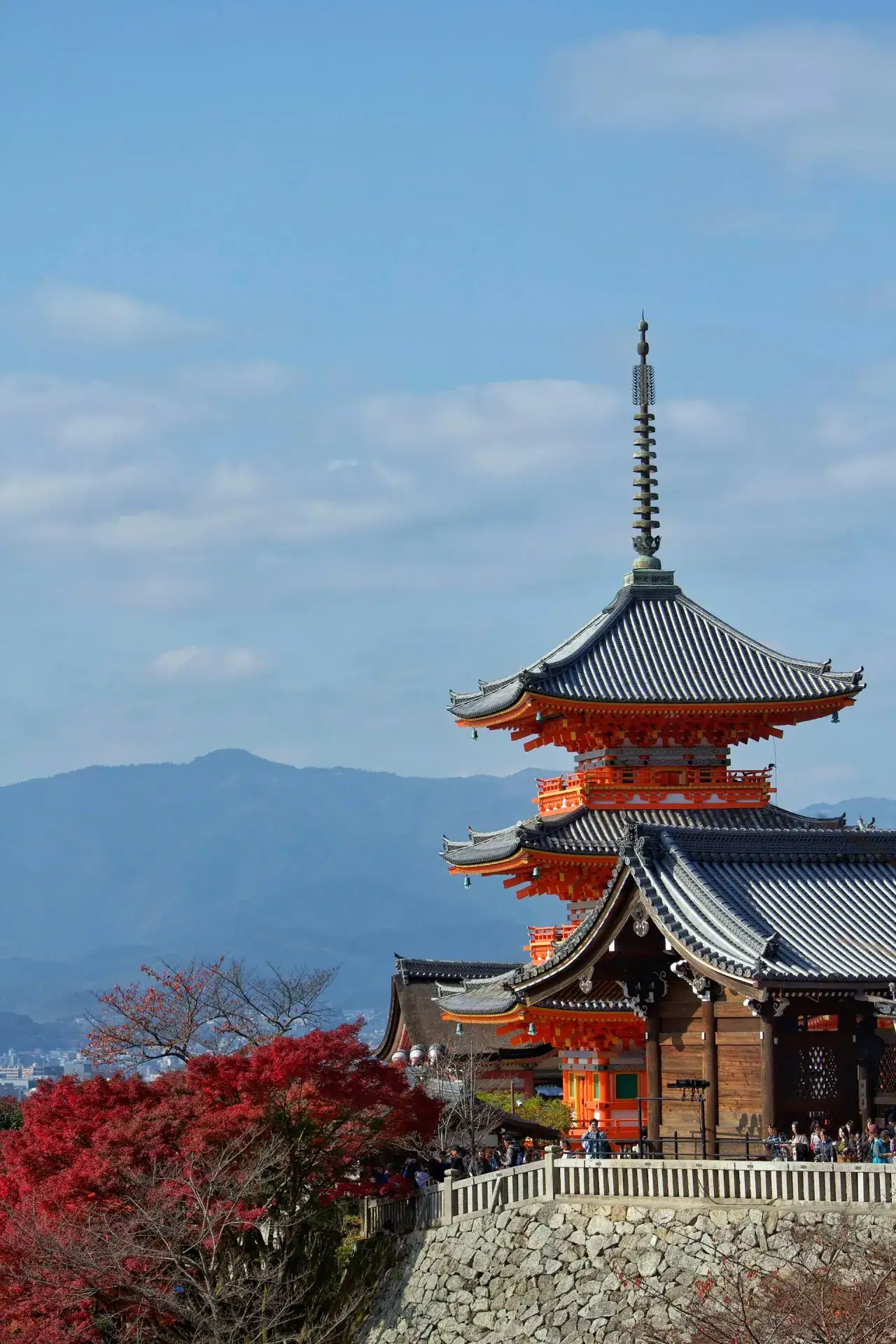
2 Weeks in Japan: Tokyo, Kyoto, Hiroshima, and Beyond
Japan in two weeks is the trip most people describe as life-changing. Here is the itinerary that earns that description — planned by district, by shinkansen hop, and by the meal that will follow you home.
18 min read
Itineraries
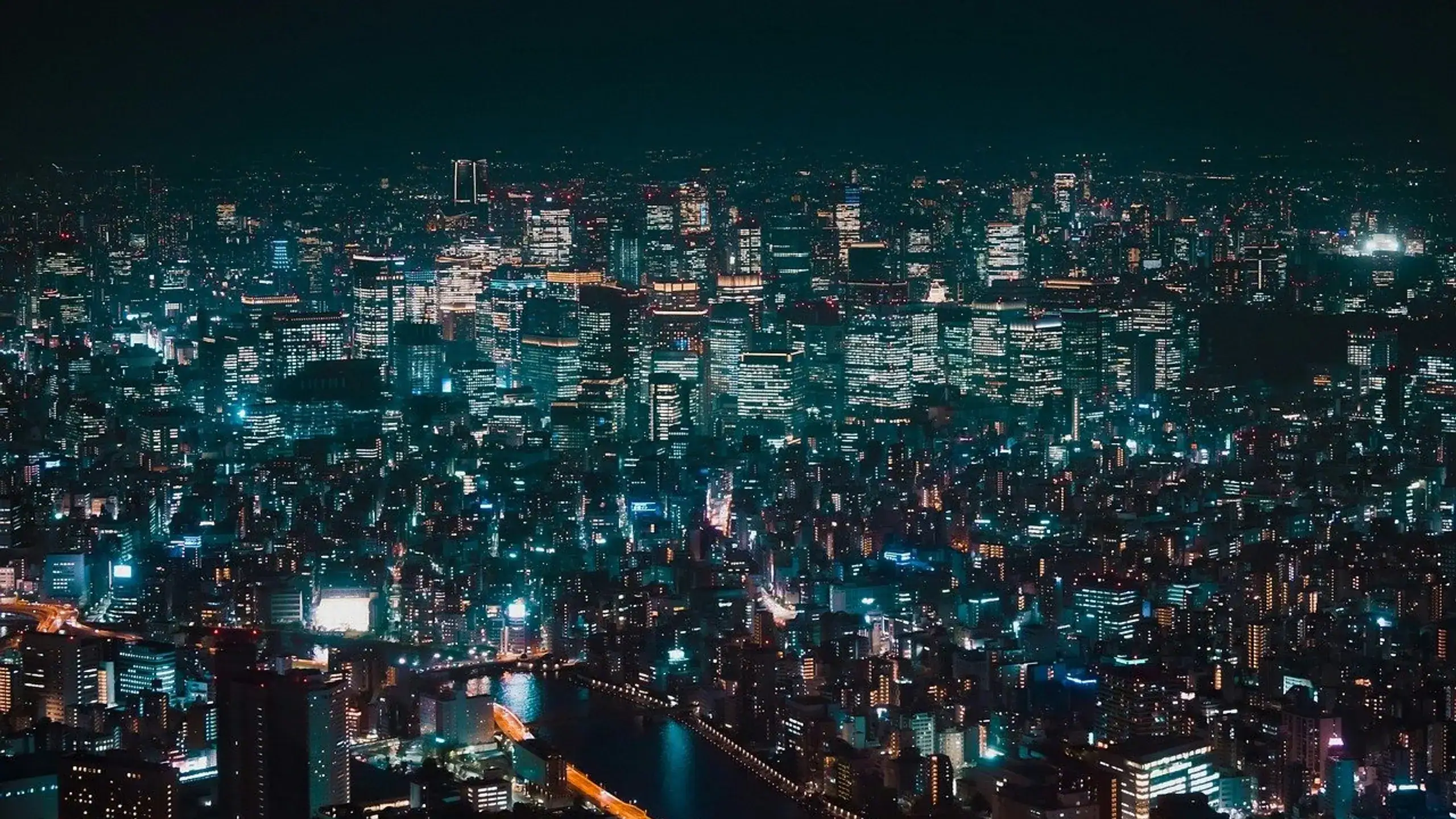
5 Days in Tokyo: A Realistic First-Timer's Itinerary
Three days will leave you hungry. Seven will overwhelm you. Five is the right number — and here is exactly how to spend them, by neighbourhood, by meal, and by the train you should actually take.
14 min read
Travel Guides
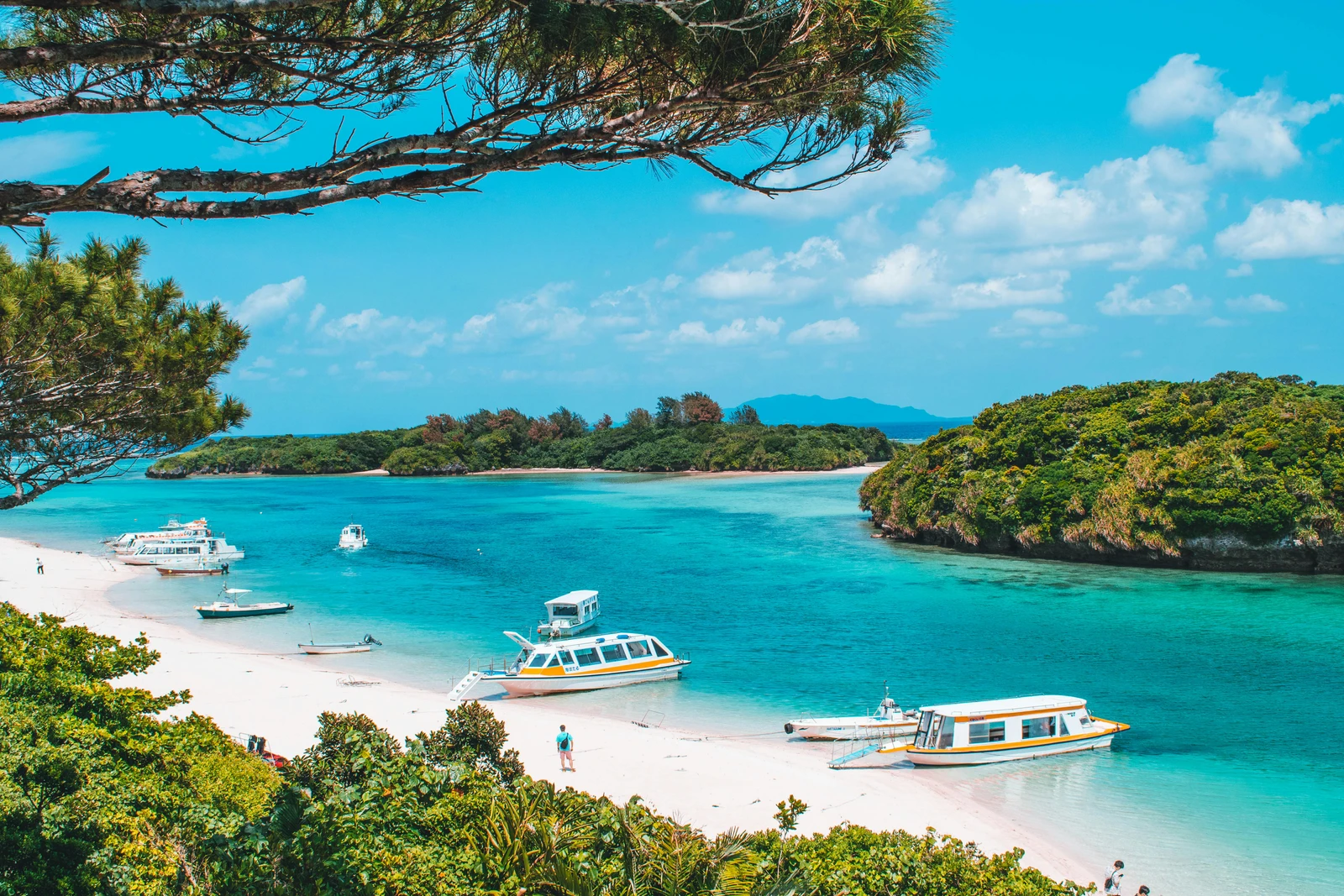
Okinawa: The Tropical Japan Most Itineraries Skip
Tripadvisor's 2026 Travellers' Choice named Okinawa City among Asia's standout destinations — a reminder that Japan's southernmost prefecture is a genuinely different country's worth of culture, food, and coral reef from the Tokyo-Kyoto route most first-timers run.
12 min read