10 Best Weekend City Breaks in Europe — Ranked by Value for 2026
I have spent the last three years taking 48-hour trips across Europe, tracking every euro. Here are the ten cities that deliver the most for a weekend away — from EUR 300 budget escapes to EUR 1,200 splurges — with honest costs, 48-hour itineraries, and the mistakes to avoid.
A weekend city break is the most efficient form of travel in Europe. Two nights, three days, one carry-on bag, and a return flight that costs less than dinner at a Michelin-star restaurant. I have taken more than forty of these trips since 2023, and the pattern is clear: the cities that deliver the best weekends are rarely the ones with the biggest marketing budgets. This is not a vague 'top cities to visit' list. Every city here has a total cost estimate — flights, hotel, food, activities — based on prices I paid or verified in early 2026. Every city has a 48-hour itinerary that I have actually walked. And every city has one specific mistake that first-time visitors make, which I am going to help you avoid. I have ranked them in three tiers: budget (EUR 300–500 total per person), mid-range (EUR 500–800), and splurge (EUR 800–1,200). The budget tier is not worse — Prague at EUR 350 is a better weekend than Paris at EUR 1,000 for most travellers. The tiers are about what you will spend, not what you will experience.
Planning this trip?
Find flights now
Compare prices across 700+ airlines and OTAs in one search — find the real lowest fare without the inflated middleman markup.
Search flightsNeed a place to stay?
Search hotels
How to Find EUR 20–50 Flights Across Europe
Before we get to the cities, let us talk about the single biggest variable in any weekend break budget: the flight. Get this right and the entire trip costs less. Get it wrong and you have already blown EUR 200 before you leave the airport. The golden rules for cheap European flights in 2026 are simple and they work consistently. Book on Tuesday or Wednesday. Ryanair and easyJet both release sale fares mid-week, and the algorithms price tickets higher on weekends when leisure travellers search. I have tracked this across 30+ bookings: the same route is typically EUR 8–15 cheaper on Tuesday than Saturday. Book 6–8 weeks before departure. Earlier is not better — airlines price speculatively at first, then drop fares to fill seats. The sweet spot for intra-European short-haul is 42–56 days out. For peak summer weekends, push that to 8–10 weeks. Set up fare alerts. Google Flights lets you track specific routes and sends email alerts when prices drop. Skyscanner's 'whole month' view shows the cheapest departure dates at a glance. I check both, because Google is better for scheduled carriers and Skyscanner catches more Ryanair flash sales. Fly carry-on only. This is non-negotiable for budget flights. Ryanair charges EUR 20–35 for a checked bag each way — that is EUR 40–70 added to what was supposed to be a EUR 30 fare. A 40-litre cabin backpack (the maximum size most airlines accept) holds everything you need for 48 hours. Pack one pair of shoes, two outfits, a rain layer, and a dopp kit. You do not need more for a weekend. Be flexible on airport. London has six airports. Paris has three (including Beauvais, 85 km north, which is where the cheapest Ryanair flights land). Milan has three. Checking alternate airports often reveals fares that are EUR 30–60 cheaper than the main hub. Just factor in the transfer cost — the Beauvais bus to central Paris costs EUR 17 each way, which eats into the savings if the fare difference is small.
Editor's tips
- The cheapest routes from Western Europe in 2026: London to Prague (from EUR 19 on Ryanair), Paris Beauvais to Porto (from EUR 22 on Ryanair), Amsterdam to Budapest (from EUR 25 on Wizz Air), Berlin to Krakow (from EUR 18 on Ryanair)
- Download the Ryanair and easyJet apps — they occasionally offer app-only flash sales that do not appear on aggregator sites
- Avoid flying Friday evening outbound or Sunday evening return — these are the most expensive slots because business travellers and weekend breakers compete for the same seats
The 48-Hour Formula That Works Every Time
After forty-plus weekend trips, I have landed on a structure that consistently delivers the best experience. It is not rigid — you should absolutely deviate when something catches your eye — but it provides a framework that stops you from either over-scheduling (exhausting) or under-planning (aimless). Arrival evening: the orientation walk. Land, drop your bag, and walk for 60–90 minutes with no destination. Find the central square, the main river, the neighbourhood where locals are eating dinner. Do not enter any museums. Do not queue for anything. Just walk, get your bearings, eat something simple, and go to bed at a reasonable hour. This walk tells you more about a city than any guidebook, and it means you wake up on day one already knowing where things are. Day one: the headline landmarks. This is the day for the things you came to see — the Charles Bridge in Prague, the Colosseum in Rome, the Rijksmuseum in Amsterdam. Front-load these because your energy is highest, the novelty is strongest, and you get them out of the way. Book timed tickets in advance for anything popular. Eat lunch somewhere near the attractions (accept tourist pricing for one meal), then spend the afternoon at a secondary sight or a park. Dinner should be in a neighbourhood away from the tourist centre — this is when the city starts to show you its real personality. Day two: the neighbourhood day. Pick one neighbourhood and spend the whole day in it. Not the famous district — the one next to it. In Barcelona, that means Gracia instead of the Gothic Quarter. In Lisbon, Mouraria instead of Alfama. Walk slowly, sit in a cafe for an hour, browse a market, eat lunch at the counter of a place with no English menu. This is the day that turns a city break from a sightseeing checklist into an actual experience. Departure is usually late afternoon or evening, so you have a full day before heading to the airport.
Editor's tips
- The single best investment for day one is a timed-entry museum ticket booked 2–3 weeks ahead — it saves 45–90 minutes of queuing at every major European attraction
- On day two, use Google Maps to search 'restaurant' in your chosen neighbourhood sorted by rating — the 4.5-star places with 200 reviews in local-language names are almost always the right call
Budget Tier: EUR 300–500 — Prague, Budapest, Porto, Krakow
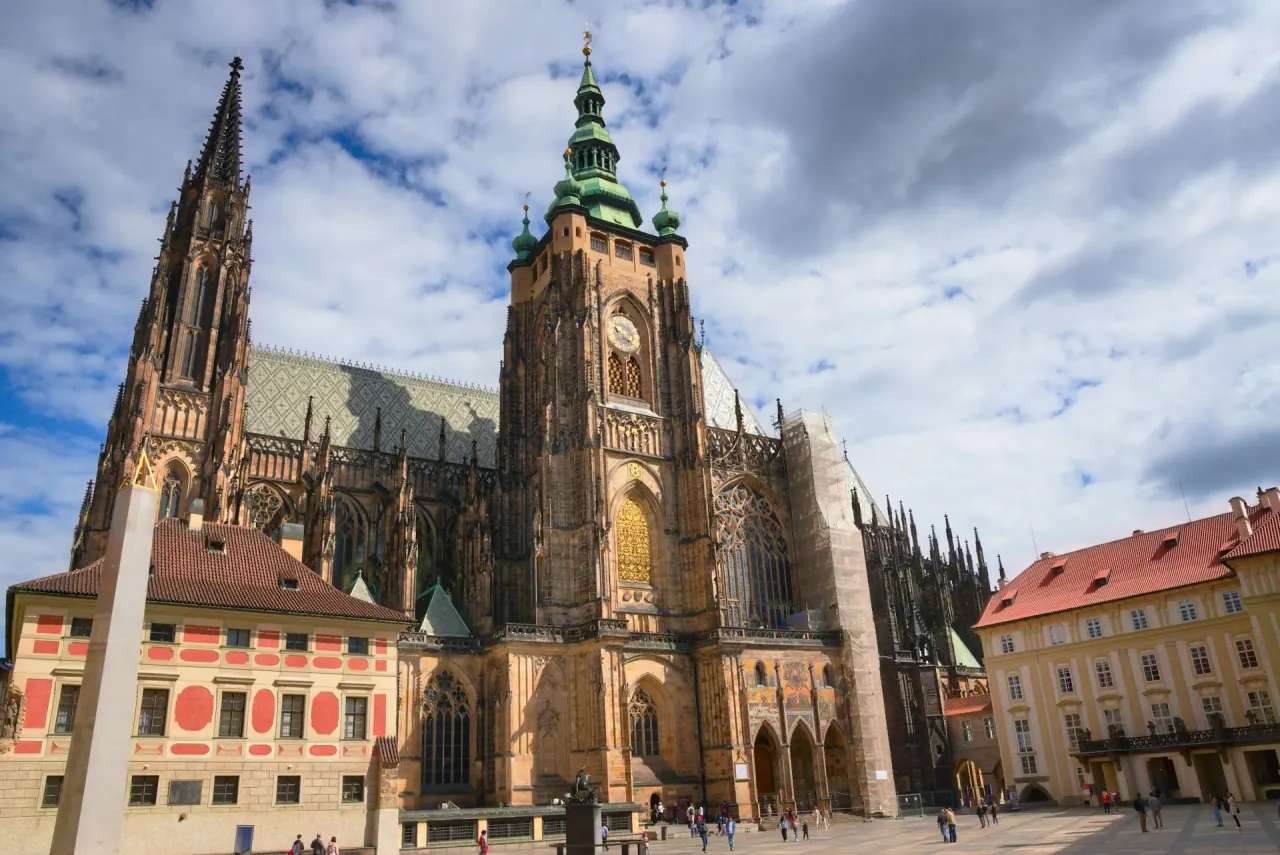
These four cities deliver weekends that feel like mid-range trips in Western Europe at a fraction of the cost. The combination of cheap flights, affordable accommodation, and genuinely low food-and-drink prices makes them the best value in Europe in 2026. Prague — EUR 300–400 total. Flight: EUR 20–50 return from most Western European capitals. Hotel: EUR 50–80/night for a well-located 3-star in Vinohrady or Zizkov. Food: a restaurant lunch with beer costs EUR 8–12, dinner EUR 12–18. Activities: Prague Castle (EUR 14), Old Town walking (free), a Vltava river cruise (EUR 12). Best month: May or September — warm, golden light, manageable crowds. 48-hour highlights: Morning at Prague Castle and St. Vitus Cathedral, afternoon walk across Charles Bridge to the Old Town Square, evening in the beer halls of Zizkov (a Pilsner Urquell costs EUR 1.80 in a local pub). Day two: the Vinohrady neighbourhood for brunch, the Vysehrad fortress for views without crowds, and Letna Park for a final panorama with a beer garden. What everyone does wrong: Eating on Old Town Square. The restaurants ringing the Astronomical Clock charge EUR 15–20 for dishes that cost EUR 7–10 two streets away. Walk five minutes in any direction and the prices halve. Budapest — EUR 320–420 total. Flight: EUR 25–60 return. Hotel: EUR 45–75/night for a good 3-star in the Jewish Quarter or District V. Food: a market lunch at the Great Market Hall costs EUR 5–8, dinner at a quality restaurant EUR 12–20. Activities: Parliament tour (EUR 8 for EU citizens), Szechenyi Thermal Baths (EUR 28 full day), Buda Castle walk (free). Best month: April or October — pleasant temperatures, fewer tourists than summer, and the thermal baths are even more enjoyable when the air is cool. 48-hour highlights: Morning at the Parliament and Danube promenade, afternoon at the Szechenyi Baths (bring your own towel to save EUR 4), evening in the ruin bars of the Jewish Quarter — Szimpla Kert is the most famous but Anker't is less crowded and serves better food. Day two: cross to the Buda side for the Fisherman's Bastion views (free if you skip the upper terrace at EUR 6), Matthias Church (EUR 8), and lunch at a Buda neighbourhood restaurant where langos with sour cream costs EUR 3. What everyone does wrong: Taking a taxi from the airport instead of the 100E airport bus (EUR 3.50) — taxis cost EUR 25–35 for the same journey. Porto — EUR 350–450 total. Flight: EUR 22–55 return. Hotel: EUR 55–90/night in the Ribeira or Cedofeita area. Food: a francesinha sandwich with beer is EUR 9–12, a full dinner with wine EUR 15–22. Activities: Livraria Lello (EUR 5, deducted from any book purchase), port wine tasting in Vila Nova de Gaia (EUR 15–20 for a tasting flight), Clerigos Tower (EUR 8). Best month: June or September — warm and dry without July-August crowds. 48-hour highlights: Morning walk along the Ribeira waterfront (UNESCO World Heritage), cross the Dom Luis I bridge to Vila Nova de Gaia for port wine cellar tours (Taylor's, Graham's, or Sandeman — EUR 15–20 with tastings of 3–5 wines), evening back in Porto for dinner in the Cedofeita neighbourhood. Day two: Bolhao Market for a pastel de nata and espresso (EUR 2.50 total), Sao Bento station to admire the azulejo tiles (free), afternoon at Foz do Douro beach area, sunset from the Clerigos Tower. What everyone does wrong: Queuing 45 minutes for Livraria Lello without booking a timed ticket online — the bookshop sells timed entries on its website and the queue drops to five minutes. Krakow — EUR 300–380 total. Flight: EUR 18–45 return. Hotel: EUR 40–65/night in Kazimierz or near the Old Town. Food: a pierogi lunch costs EUR 4–7, dinner with drinks EUR 10–16. Activities: Wawel Castle (EUR 5–12 per exhibition), Rynek Underground Museum (EUR 7), Kazimierz walking tour (free/tip-based). Best month: May or early October — comfortable weather, university students still around giving the city energy. 48-hour highlights: Morning at Wawel Castle and cathedral, afternoon wandering the Cloth Hall and Main Market Square (Rynek Glowny — the largest medieval square in Europe), evening in the bars and restaurants of Kazimierz. Day two: the Kazimierz Jewish Quarter for street art, vintage shops, and Plac Nowy market (zapiekanka — a toasted baguette with mushrooms and cheese — costs EUR 2.50 and is the best street food in Poland), afternoon at the Schindler Factory Museum (EUR 7, book ahead). What everyone does wrong: Visiting Auschwitz as a rushed half-day trip. If you go — and it is profoundly important — give it a full day and book the guided tour (EUR 16) at least two weeks in advance. Do not try to squeeze it into a city-break afternoon.
Editor's tips
- All four budget-tier cities have excellent free walking tours — tip EUR 5–10 per person and you get a 2.5-hour introduction that replaces a guidebook
- In Prague and Budapest, avoid currency exchange booths near tourist sites — they charge 10–15% commission hidden in the exchange rate, while ATM withdrawals with a Wise or Revolut card give you the interbank rate
Mid-Range Tier: EUR 500–800 — Lisbon, Barcelona, Amsterdam, Rome
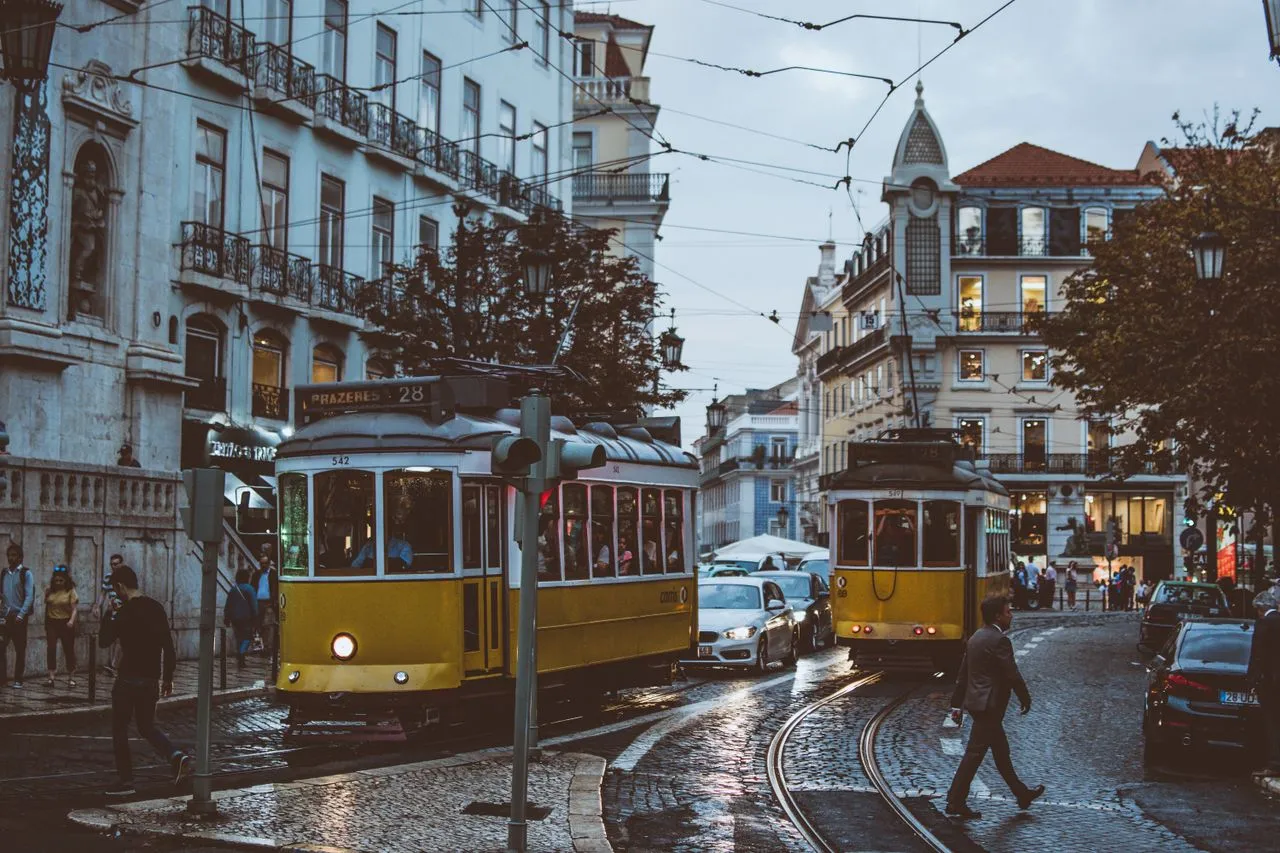
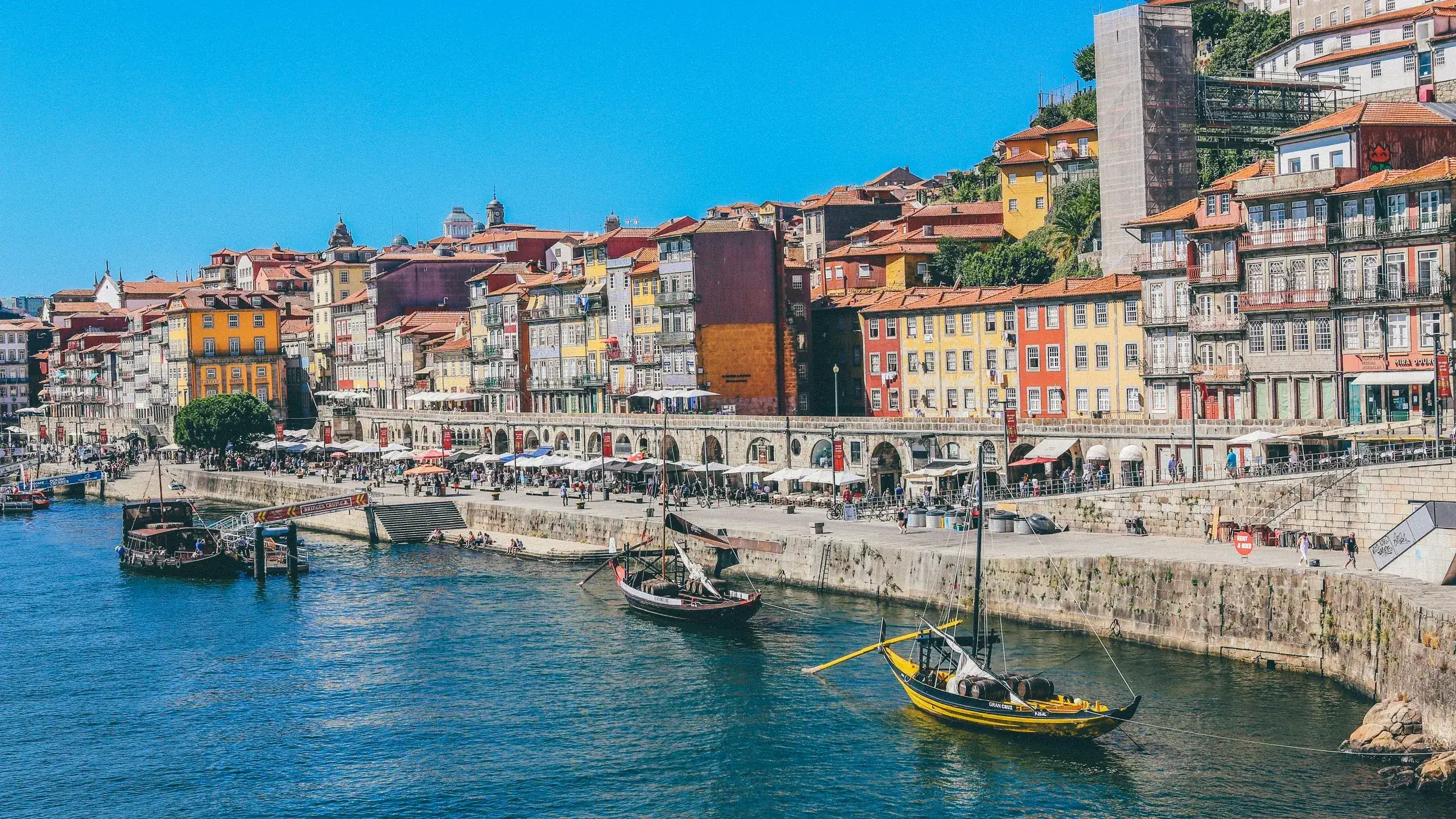
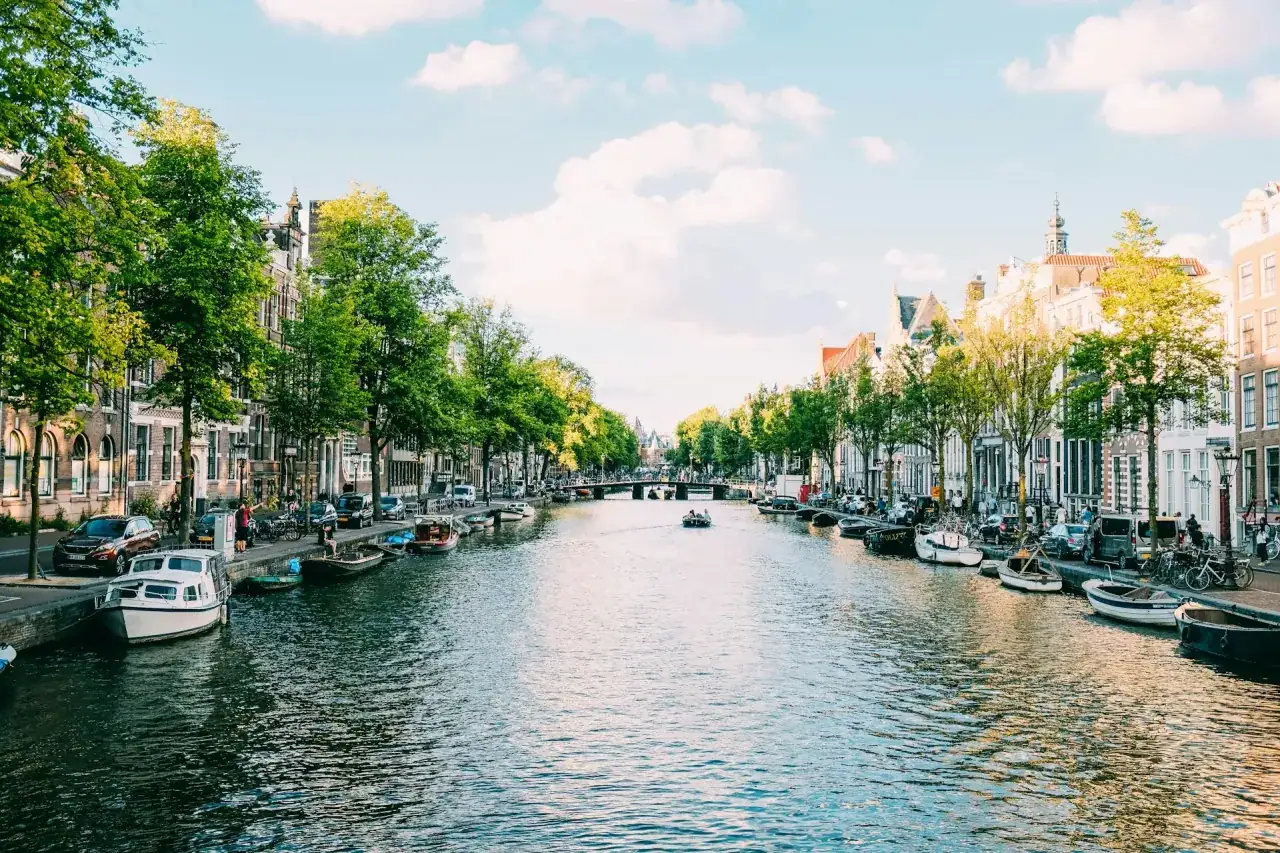
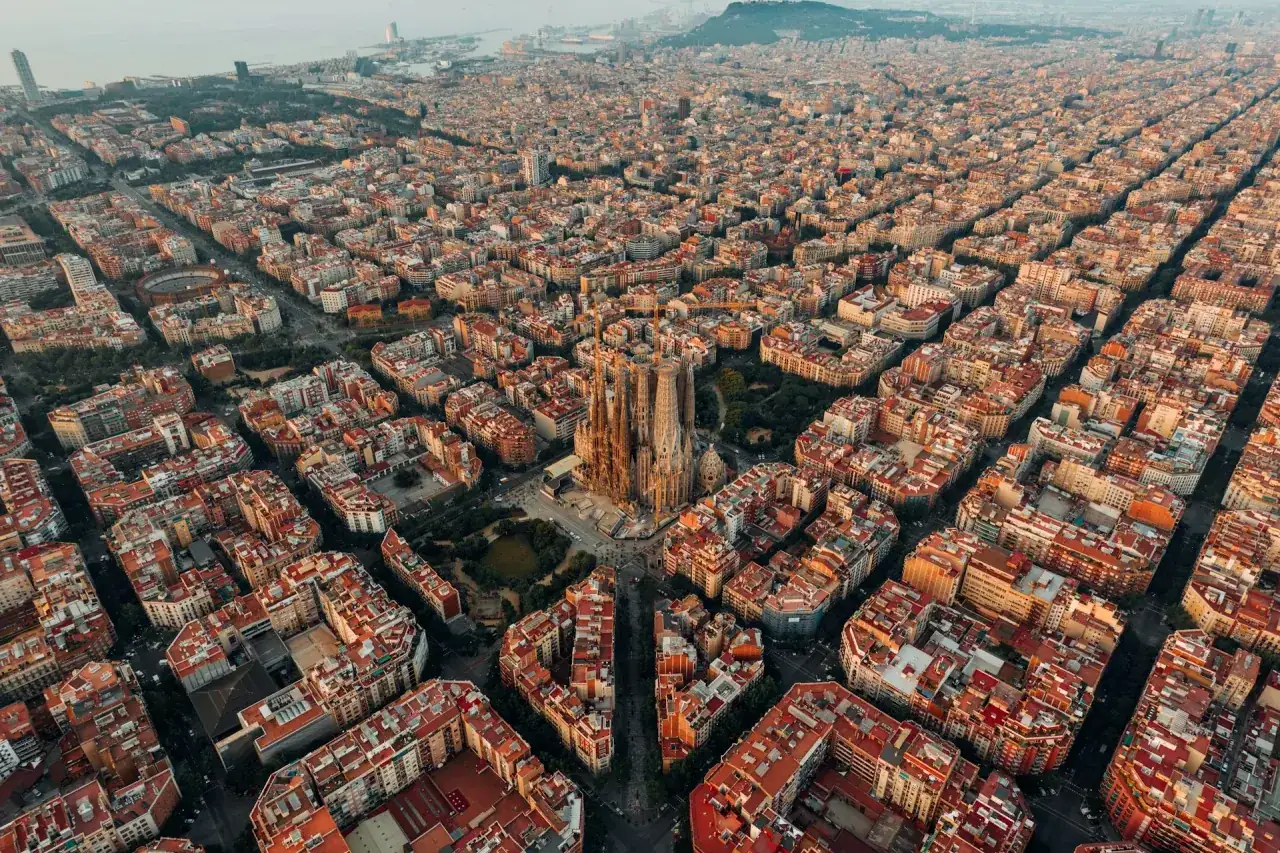
These four are the sweet spot — famous enough to have exceptional food and culture, expensive enough that you need to be strategic, but not so expensive that a weekend feels extravagant. Lisbon — EUR 500–650 total. Flight: EUR 30–70 return. Hotel: EUR 80–130/night in Baixa, Alfama, or Principe Real. Food: a bifana sandwich is EUR 3.50, lunch at a tasca EUR 10–15, dinner with wine EUR 20–30. Activities: Tram 28 (EUR 3.20 or free with a 24-hour Viva Viagem pass at EUR 6.80), Belem Tower (EUR 10), Time Out Market food hall (varies). Best month: May or October — warm, dry, without the July-August heat that makes Lisbon's hills punishing. 48-hour highlights: Morning in Alfama — the Miradouro da Graca for panoramic views, the Se Cathedral (free), the Feira da Ladra flea market (Tuesdays and Saturdays). Afternoon ride Tram 28 from Martim Moniz to Estrela (sit on the right side for the best views), then walk down to Belem for pasteis de nata at the original Pasteis de Belem (EUR 1.30 each — eat at the counter to avoid the queue). Evening in Bairro Alto for a ginjinha (cherry liqueur, EUR 1.50 a shot) and dinner at a neighbourhood tasca. Day two: Principe Real neighbourhood for brunch at a concept-store cafe, the LX Factory for independent shops and food stalls, afternoon at Praia de Carcavelos (20-minute train from Cais do Sodre, EUR 2.30 each way) if the weather is good. What everyone does wrong: Taking Tram 28 at midday when it is packed beyond capacity with tourists. Ride it before 9 a.m. or after 6 p.m. — same route, a quarter of the crowd, and you might actually get a seat. Barcelona — EUR 550–750 total. Flight: EUR 30–80 return. Hotel: EUR 90–150/night in Eixample or Gracia. Food: a menu del dia lunch is EUR 12–16 (three courses with wine), dinner EUR 18–30. Activities: Sagrada Familia (EUR 26), Park Guell (EUR 10), Picasso Museum (EUR 12). Best month: April or October — beach weather without peak-season prices and crowds. 48-hour highlights: Morning at the Sagrada Familia (book the 9 a.m. slot — the morning light through the stained glass is the single best visual experience in Barcelona), walk through the Eixample to see Gaudi's Casa Batllo from outside (going in costs EUR 35 and is optional), afternoon in the Gothic Quarter and a walk down La Rambla (walk it, do not eat on it). Evening in the El Born neighbourhood for tapas — La Plata (four dishes on the menu, all excellent, EUR 3–5 each) has been open since 1945. Day two: the Gracia neighbourhood for its village-square atmosphere and independent shops, lunch at a market restaurant (Mercat de l'Abaceria is the local alternative to the overpriced Boqueria), afternoon at Barceloneta beach or Montjuic for the Joan Miro Foundation (EUR 14) and city views. What everyone does wrong: Eating at the Boqueria Market on La Rambla. It has become a tourist attraction where a fruit cup costs EUR 5 and a plate of jamon EUR 18. The Mercat de Sant Antoni (reopened 2018) and the Mercat de l'Abaceria in Gracia serve the same products at 40–60% lower prices. Amsterdam — EUR 600–800 total. Flight: EUR 35–80 return. Hotel: EUR 110–170/night in Jordaan, De Pijp, or Oud-West. Food: a broodje (sandwich) lunch is EUR 6–9, Indonesian rijsttafel dinner EUR 25–35 per person. Activities: Rijksmuseum (EUR 22.50), Anne Frank House (EUR 16), Vondelpark (free). Best month: April (tulip season) or September — April gives you Keukenhof and blooming canals, September has warm weather without July-August tourist density. 48-hour highlights: Morning at the Rijksmuseum (book the 9 a.m. opening slot — Vermeer and Rembrandt with breathing room), canal walk through the Jordaan, afternoon at the Anne Frank House (book exactly 6 weeks ahead when tickets release — they sell out within hours). Evening in De Pijp neighbourhood for Indonesian food at a family-run restaurant (rijsttafel with 12–18 small dishes is the quintessential Amsterdam dinner). Day two: the Albert Cuyp Market for stroopwafels (EUR 2 fresh, warm) and Dutch cheese, afternoon cycling in Vondelpark (bike rental EUR 12/day from MacBike), then the NDSM Wharf in Amsterdam Noord (free ferry from Central Station) for street art and waterfront bars. What everyone does wrong: Buying single-ride GVB tram tickets at EUR 3.40 each. A 24-hour GVB pass costs EUR 9 and covers unlimited trams, buses, and metros. If you take more than two rides, the pass pays for itself. Rome — EUR 550–750 total. Flight: EUR 30–75 return. Hotel: EUR 90–140/night in Trastevere, Monti, or Testaccio. Food: a suppli (fried rice ball) costs EUR 2.50, a trattoria lunch EUR 12–18, dinner EUR 18–28. Activities: Colosseum + Forum + Palatine (EUR 18 combined), Vatican Museums (EUR 17), Pantheon (EUR 5). Best month: March–April or October–November — manageable temperatures (summer exceeds 35 degrees Celsius regularly) and fewer queues. 48-hour highlights: Morning at the Colosseum and Roman Forum (book the combined ticket with timed entry — EUR 18, or EUR 24 with the arena floor access, which is worth it), afternoon walk through Monti for vintage shopping and a suppli at Panificio Bonci, evening in Trastevere for dinner on a cobblestone piazza (Da Enzo al 29 serves cacio e pepe at EUR 10 that justifies the 30-minute queue). Day two: Vatican Museums early morning (book the 7:30 a.m. entry if available — EUR 21 with the early-access supplement but the Sistine Chapel with 50 people instead of 2,000 is worth every cent), afternoon at the Pantheon (EUR 5, no queue), a gelato at Fatamorgana (EUR 2.80, no artificial ingredients), and sunset from the Pincio terrace above Piazza del Popolo (free, better than any paid viewpoint in the city). What everyone does wrong: Sitting down at a cafe near the Trevi Fountain. The EUR 2 espresso you drink standing at the bar becomes EUR 6–8 the moment you sit at a table — this is legal and printed on the menu, but tourists miss the fine print. Stand at the counter like a Roman and save the difference.
Editor's tips
- In all four mid-range cities, the menu del dia, pranzo fisso, or dagschotel (set lunch menu) is the best deal in European dining — three courses with a drink for EUR 10–18, available Monday to Friday at most neighbourhood restaurants
- Rome and Barcelona both have tourist taxes of EUR 3–7/night added to hotel bills — budget for this as it is not always shown in booking.com prices
Splurge Tier: EUR 800–1,200 — Paris, Copenhagen
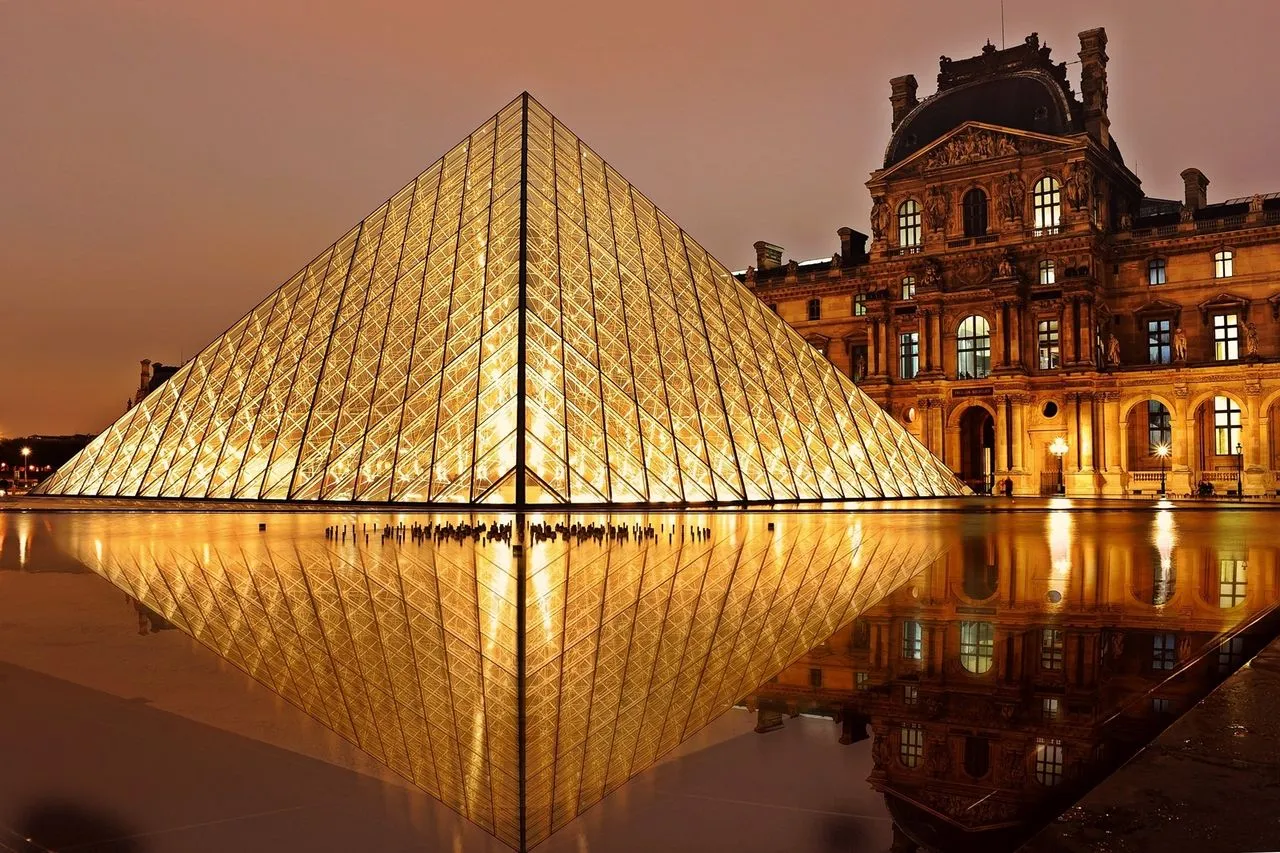
These two cities are expensive. There is no hack around it — a decent hotel room in central Paris or Copenhagen costs more than a full weekend in Prague. But both deliver experiences that justify the premium, as long as you spend strategically. Paris — EUR 850–1,100 total. Flight: EUR 30–90 return (or Eurostar from London at EUR 50–80 if booked early). Hotel: EUR 140–220/night in Le Marais, Montmartre, or the 11th arrondissement. Food: a croque-monsieur and coffee is EUR 10–14, bistro dinner with wine EUR 30–50. Activities: Musee d'Orsay (EUR 16), Sainte-Chapelle (EUR 11.50), Louvre (EUR 22). Best month: June or September — long daylight hours, outdoor terrasses in full swing, tolerable heat. 48-hour highlights: Morning at the Musee d'Orsay (less crowded and more enjoyable than the Louvre for a first visit — the Impressionist collection is the best in the world), walk along the Left Bank to Sainte-Chapelle (EUR 11.50 — the stained glass is more striking than Notre-Dame ever was), afternoon in Le Marais for falafel at L'As du Fallafel (EUR 8, the best street food in Paris), evening along the Canal Saint-Martin with a EUR 3 bottle of wine from a caviste and a baguette from a boulangerie (EUR 1.20). Day two: Montmartre in the early morning before the crowds (Sacre-Coeur at 8 a.m. is quiet), walk through the 10th arrondissement for coffee at Belleville Brulerie (EUR 3.50 for an exceptional filter coffee), afternoon at the Musee de l'Orangerie for Monet's Water Lilies (EUR 12.50, rarely crowded), and sunset from the Pont des Arts bridge. What everyone does wrong: Going to the Louvre for 2 hours and trying to see everything. The Louvre requires a minimum of 4 hours and a plan — pick one wing (Denon for the Mona Lisa and Italian Renaissance, Sully for Egyptian antiquities, Richelieu for Northern European painting) and commit. Better yet, go to the Orsay or the Orangerie instead — smaller, more focused, and vastly more pleasant. Copenhagen — EUR 900–1,200 total. Flight: EUR 40–100 return. Hotel: EUR 150–230/night in Vesterbro, Norrebro, or the city centre. Food: a smorrebrod lunch is EUR 12–18, a quality dinner EUR 35–55. Activities: Tivoli Gardens (EUR 23 entry, rides extra), Christiania (free), Louisiana Museum (EUR 18, 35 minutes north by train). Best month: June or August — up to 17 hours of daylight and warm enough to enjoy the harbour baths. 48-hour highlights: Morning cycling along the harbour (bike rental EUR 15/day, or use a Donkey Republic app bike at EUR 2/hour) to the Little Mermaid (worth a look for 5 minutes, not 30), then to Nyhavn for the obligatory photo (but eat elsewhere — Nyhavn restaurants charge a 40% canal-view premium). Lunch at Torvehallerne food market (EUR 12–16 for excellent smorrebrod or a hotdog from the outdoor stands at EUR 5). Afternoon at Tivoli Gardens if the nostalgia appeals, or the free Christiania neighbourhood for an experience that exists nowhere else in Europe. Evening in Vesterbro for craft beer at Mikkeller Bar (EUR 8–10 per pour) and dinner at a neighbourhood bistro. Day two: train to Louisiana Museum of Modern Art (EUR 18 entry, 35 minutes each way, EUR 12 return train ticket) — the most beautifully sited art museum in Scandinavia, with sculpture gardens overlooking the Oresund strait. Afternoon back in the city for the Islands Brygge harbour baths (free outdoor swimming in the harbour — heated and genuinely excellent) and sunset beers at Reffen street food market on Paper Island (dishes EUR 10–15). What everyone does wrong: Spending more than 10 minutes at the Little Mermaid statue. It is small, underwhelming, and surrounded by tour buses. See it, photograph it, move on — Copenhagen has far better things to offer your time.
Editor's tips
- Copenhagen's tap water is excellent — skip bottled water entirely and save EUR 5–8/day
- The Copenhagen Card (EUR 64 for 48 hours) includes public transport and 80+ attractions — it pays for itself if you visit Louisiana, Tivoli, and use trains/metro for 2 days
- Paris on a Sunday: many museums offer free entry on the first Sunday of the month (Orsay, Orangerie, Pompidou) — plan your trip around this and save EUR 40–50 on museum fees
Underrated Alternatives: Ghent, Bologna, and Seville
If the ten cities above feel too well-trodden, here are three alternatives that outperform their more famous neighbours on every metric that matters for a weekend break: food quality, cost, crowd levels, and the feeling of discovering something rather than confirming what you already knew from Instagram. Ghent over Brussels. Brussels is fine — the Grand Place is remarkable, the chocolate shops are many, and the Manneken Pis is a masterpiece of tourist expectation management (it is 61 centimetres tall). But Brussels outside the Grand Place is a sprawling, often grey administrative city that does not reward casual wandering. Ghent, 30 minutes away by train (EUR 7.20), is a medieval waterfront city that looks like Bruges without the tour-bus congestion. The Graslei and Korenlei waterfront is a genuinely beautiful urban scenes in Europe. Saint Bavo's Cathedral houses the Ghent Altarpiece — a key paintings in Western art (EUR 12.50 to see it in its restored glory). A hotel costs EUR 70–110/night, a Flemish stew with beer costs EUR 14–18, and the student population keeps the bars lively and the prices honest. Total weekend cost: EUR 350–500. Bologna over Florence. Florence is magnificent, but in 2026 it is also overwhelmed. The Uffizi requires booking weeks ahead, the Ponte Vecchio is impassable at midday, and a restaurant meal in the historic centre averages EUR 25–40. Bologna, 35 minutes south by high-speed train (EUR 12–18 on Italo), is the food capital of Italy — and that is not a casual claim. Tagliatelle al ragu (the real Bolognese), tortellini in brodo, and mortadella were all invented here. A lunch at a traditional trattoria in the Quadrilatero market area costs EUR 12–16 for a primo and secondo that would cost EUR 30 in Florence. The city has 40 kilometres of porticoes (UNESCO-listed), two leaning medieval towers, and the oldest university in the Western world (founded 1088). A hotel costs EUR 75–120/night. Total weekend cost: EUR 400–550. The only thing Bologna lacks compared to Florence is the Renaissance art — but the Pinacoteca Nazionale (EUR 6) has Raphael, Giotto, and Carracci, and you will have the galleries almost to yourself. Seville over Madrid. Madrid is a great city with exceptional museums (the Prado alone justifies a visit) and excellent nightlife. But for a weekend break — just 48 hours — Seville delivers a more complete and distinctive experience. The Alcazar (EUR 16) is as striking as the Alhambra but bookable without the 3-month-ahead lottery. The Plaza de Espana is the single most photogenic public space in Spain (free). Flamenco in Triana is raw, authentic, and costs EUR 20–25 at a neighbourhood tablao — not the EUR 45–60 polished tourist shows of Madrid. Tapas in Seville are cheaper and often still free with a drink in certain bars (a tradition Madrid has largely abandoned). A hotel costs EUR 70–120/night, and the historic centre is compact enough to walk everywhere. Total weekend cost: EUR 400–600. Best month: March–April (Semana Santa is extraordinary if you book accommodation early) or October. Avoid July–August — Seville regularly exceeds 42 degrees Celsius and walking becomes an endurance sport.
Editor's tips
- Ghent, Bologna, and Seville all have fewer tourists than their famous neighbours, which means better restaurant availability, shorter museum queues, and hotel prices that do not surge as aggressively on summer weekends
- The Bologna–Florence train takes 35 minutes on Italo or Trenitalia high-speed — you can day-trip Florence from a Bologna base and get the Uffizi without paying Florence hotel prices
Weekend Flight & Hotel Deals
Ready to book? Compare live flight prices and hotel rates for every city in this guide — from budget Prague to splurge Copenhagen and the underrated alternatives in between.
Frequently asked questions
Krakow is the cheapest overall at EUR 300–380 total per person for flights, two nights, food, and activities. Prague (EUR 300–400) and Budapest (EUR 320–420) are close behind. The key to hitting the low end of these ranges is booking Ryanair or Wizz Air flights 6–8 weeks ahead on a Tuesday or Wednesday, staying in a 3-star hotel slightly outside the historic centre (Kazimierz in Krakow, Vinohrady in Prague, the Jewish Quarter in Budapest), and eating at local restaurants rather than tourist-zone establishments. A Wise or Revolut card avoids currency exchange fees in all three cities.
The best weekend city break is not the cheapest one or the most famous one — it is the one where the ratio of experience to expense is highest. Prague at EUR 350 delivers more memorable moments per euro than almost anywhere else in Europe. Barcelona at EUR 650 gives you Gaudi, beaches, and tapas that justify every cent. And Copenhagen at EUR 1,000, if you do it right, offers a quality of urban life — the cycling, the harbour swimming, the design, the food — that resets your expectations for what a city can be. Pick the tier that matches your budget, apply the 48-hour formula, book your flights on a Tuesday, and leave the carry-on packing to the last minute because you do not need as much as you think. Europe in 48 hours is not a compromise. It is often exactly the right amount of time to fall in love with a city without overstaying the magic.
Get there
Flights
One search across 700+ airlines — find the real lowest fare for your dates.
Search flightsWhere to stay
Hotels
Browse verified hotels and stays — instant confirmation, secure booking.
Book on KKdayThings to do
Activities
Tours, attractions, and day trips — free cancellation on most experiences.
Book on KlookTours & Experiences
Book the experiences, not just the trip
Skip-the-line tickets, guided tours, and day trips — free cancellation on most, confirmed instantly.
About the author
Camille Laurent
Senior Travel Editor · Based in Lisbon · Bali
Camille has spent the last 9 years living in or reporting from over 60 countries. Former contributor to Condé Nast Traveler and Monocle, she focuses on Southeast Asia, Mediterranean Europe, and the Middle East. Currently based between Lisbon and Bali.
Read next — destinations
Czech Republic
Prague
Medieval bridges, Baroque spires, and Europe's finest castle district
Portugal
Lisbon
Trams, Fado music, and Atlantic light unlike anywhere else
Netherlands
Amsterdam
Canal houses, world-class museums, and cycling culture
Spain
Barcelona
Gaudí, tapas, and the Mediterranean at its liveliest