
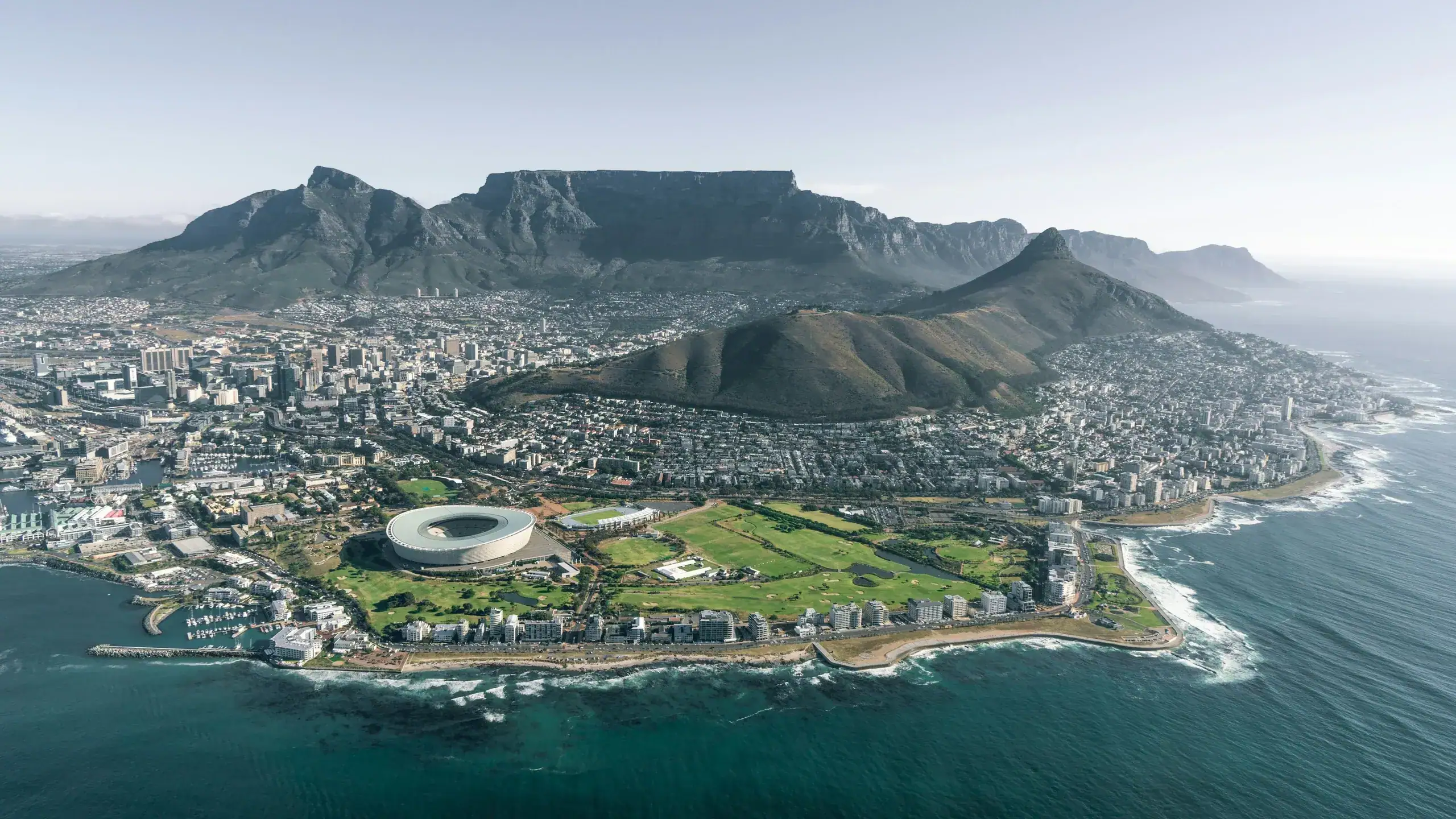
Best Time to Visit Cape Town — A Southern Hemisphere Calendar That Most Northern Travellers Get Wrong
December through February is summer, June through August is winter, and the best three weeks of the year are not the ones any guidebook tells you to book.
Northern Hemisphere travellers planning a Cape Town trip routinely book the wrong months because they forget the seasons are inverted. December isn't a Christmas-market trip — it's mid-summer, peak heat, peak prices, peak wind. June isn't a 'visit before the season starts' move — it's mid-winter, with rain and cold ocean. And the genuine best window of the year — late February through mid-April — is rarely on any 'top travel destinations' calendar. After three trips spanning every season, here's the calendar I now use.
Planning this trip?
Find flights now
Compare prices across 700+ airlines and OTAs in one search — find the real lowest fare without the inflated middleman markup.
Search flightsNeed a place to stay?
Search hotels
Late February to mid-April — the genuine best window
These six weeks are post-summer, pre-winter — and they're the sweet spot. The southeaster wind that ruins Cape Town's beach experience in December–January has dropped. Daytime temperatures are 22–26°C, nights are 12–18°C, ocean swimming is still pleasant on the warmer Indian Ocean side (False Bay), and the wineries in Stellenbosch and Franschhoek are in harvest. Domestic crowds are gone (South African school holidays end), tourism is dropping back to international-only levels, and accommodation rates fall 30–40% from the December peak. The grape harvest in late February to mid-April is one of the great food experiences in the country — most wineries run harvest tours for visitors during this window. Whale watching at Hermanus (90 minutes east) starts mid-April. Rain is still rare. Pack layers; pack a windbreaker; otherwise this is what Cape Town looks like in its best version.
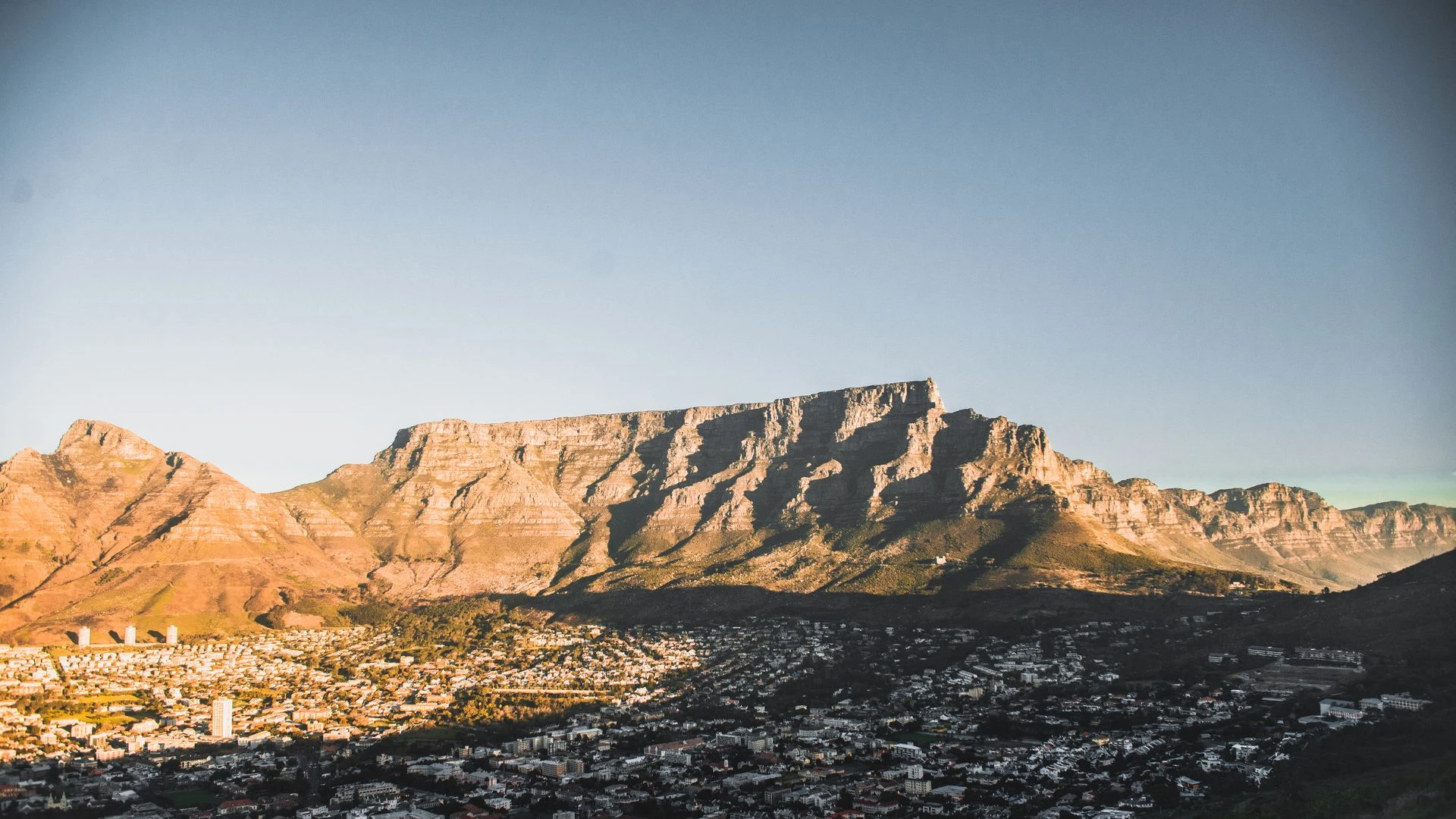
Editor's tips
- Late February is also the Stellenbosch Wine Festival — book Franschhoek wineries 3 weeks ahead
- The Cape Town Carnival is in March (date varies) — extraordinary street parade
- Whale watching season at Hermanus runs late June through November — but the warmest sea is March/April
December to February — peak summer, peak crowds, peak wind
These months are peak season, with all the trade-offs that implies. Daytime temperatures hit 28–34°C, ocean access is excellent (especially on the False Bay side), and the city is genuinely alive — outdoor restaurants, beach picnics, summer festivals. The two complications. First: the southeaster wind. From mid-November through February, Cape Town gets sustained wind on perhaps half of all days, and on bad days it's genuinely uncomfortable (45+ km/h sustained). The wind shapes everything — Table Mountain cable car often closes, beaches at Camps Bay become uncomfortable, outdoor dining cancels. Second: prices and crowds. South African schools are out from mid-December to mid-January, then again mid-March to early April; international tourism stacks on top. December rates can be double February rates for the same property. If you must visit in this window, mid-January (after the South African school year resumes but before international holidays end) is the least-bad option.
May to mid-June — the rainy autumn, with one specific advantage
Autumn brings the rain — 80–120mm a month in May, double that in June and July. Days are 16–20°C, nights 8–12°C. Most outdoor activities work but become weather-contingent. The major reason to visit: the Cape Winelands look extraordinary in autumn (the leaves turn red and gold, the harvest is in storage), and dining at the high-end winery restaurants is at its quietest of the year. Shoulder rates apply (40–50% below December peaks). For travellers who specifically want a wine-country focus and don't need beach weather, May is dramatically underrated.
Mid-June to mid-September — winter, with whales and storm chasers
Winter in Cape Town is mild compared to most of the world, but it's wet, windy, and grey on perhaps half of all days. Daytime temperatures hit 14–18°C (occasionally lower), nights drop to 5–10°C. The ocean is genuinely cold — 12–14°C — and beach swimming is over. The two genuine reasons to visit. First: whale watching at Hermanus is at peak window (July–September), with southern right whales calving in the bay so close to shore that you can watch from a coffee shop. Second: the storms over the Cape Peninsula are extraordinary (the famous Atlantic storms hit the Cape of Good Hope dramatically). Hotel rates are at annual lows. Cape Town's restaurant scene takes its winter break — many high-end restaurants close for staff holidays in July or August. The city has a quiet, slow-travel feel that some travellers love and others find dull. Choose deliberately.
Late September to mid-November — the second-best window
These eight weeks are spring's awakening: jacaranda trees bloom, daytime temperatures climb back to 18–24°C, the rain has tapered off, and the southeaster wind hasn't yet kicked in. Whale watching is still active through October. Wine country is at its leafy best. Hotel rates are mid-shoulder — about 30% below summer peaks. The first week of November is when the seasonal restaurants reopen, the rooftop bars start operating, and the city begins its summer rhythm. Late September through end of October is the genuine alternative to the autumn window above — slightly cooler, slightly different vibe, but excellent.
Quick reference
January — peak crowds, peak heat, peak wind, expensive. February — same but slightly less crowded. March — best month of the year. April — second-best month. May — wine country only, rainy. June — winter starts, whale watching begins. July — winter peak, restaurants closing. August — same. September — spring awakens, whales still active. October — second-best window. November — climbing toward summer. December — peak holiday rush. Pick March if you can; October if not.
Wind, water and choosing your Cape Town base
Cape Town's weather has a distinctive rhythm, and it affects daily plans as much as the season. Strong winds, particularly in the summer months, can close the cable car on Table Mountain and make beaches uncomfortable, so keep flexible dates for the mountain and check conditions on the day. The Atlantic side has cold water year round, while the False Bay side is usually warmer, so choose your beach accordingly. Winter brings rain and dramatic seas, and also lower prices and whale watching on the coast. When choosing where to stay, think about your priorities: the city bowl offers restaurants and culture, the Atlantic seaboard offers beaches and views, and the wine regions offer scenery and a slower pace. Use ride-hailing or organised transport in the evenings, and follow local advice about where to walk. With flexible plans and some knowledge of the wind, Cape Town works in every season.
Find the Best Flight Deals
Prices vary dramatically by month. Compare live fares from hundreds of airlines to lock in the cheapest window for your travel dates.
Where to Stay
From boutique guesthouses to luxury resorts, the accommodation you choose shapes the trip. Filter by neighbourhood, price, and guest rating to find your match.
Tours & Activities
Skip the tourist traps. Book directly with vetted local operators — skip-the-line access, small groups, and money-back guarantees included.
Frequently asked questions
Late March to May is Cape Town's best window: summer heat has broken (25–28°C), the famous Cape Doctor wind has calmed, wine country is in harvest season, and prices are 20–30% below December–January peak. October is excellent for whale watching (southern right whales in False Bay) and spring wildflowers on the Cape Peninsula. Avoid December–January for crowds and the Cape Doctor wind; avoid July–August for the rainy season.
Cape Town is the rare city where the conventional 'high season' is genuinely worse than the shoulder seasons that surround it. The wind alone is enough to make February or October a better experience than December or January, even before you factor in the price differences. If you can travel without a Northern Hemisphere school calendar, target mid-March or mid-October. If you specifically want whales, October. If you specifically want wine harvest, late February. Whichever you pick, build in two days for the wine country, one for the Cape Peninsula drive, and don't try to swim at Camps Bay (the wind will defeat you) — drive to False Bay (Muizenberg, Boulders) for actual beach time.
Get there
Flights
One search across 700+ airlines — find the real lowest fare for your dates.
Search flightsWhere to stay
Hotels
Browse verified hotels and stays — instant confirmation, secure booking.
Book on KKdayThings to do
Activities
Tours, attractions, and day trips — free cancellation on most experiences.
Book on KlookTours & Experiences
Book the experiences, not just the trip
Skip-the-line tickets, guided tours, and day trips — free cancellation on most, confirmed instantly.
About the author
Camille Laurent
Senior Travel Editor · Based in Lisbon · Bali
Camille has spent the last 9 years living in or reporting from over 60 countries. Former contributor to Condé Nast Traveler and Monocle, she focuses on Southeast Asia, Mediterranean Europe, and the Middle East. Currently based between Lisbon and Bali.
Read next — destinations
More from The Edit
When to Go
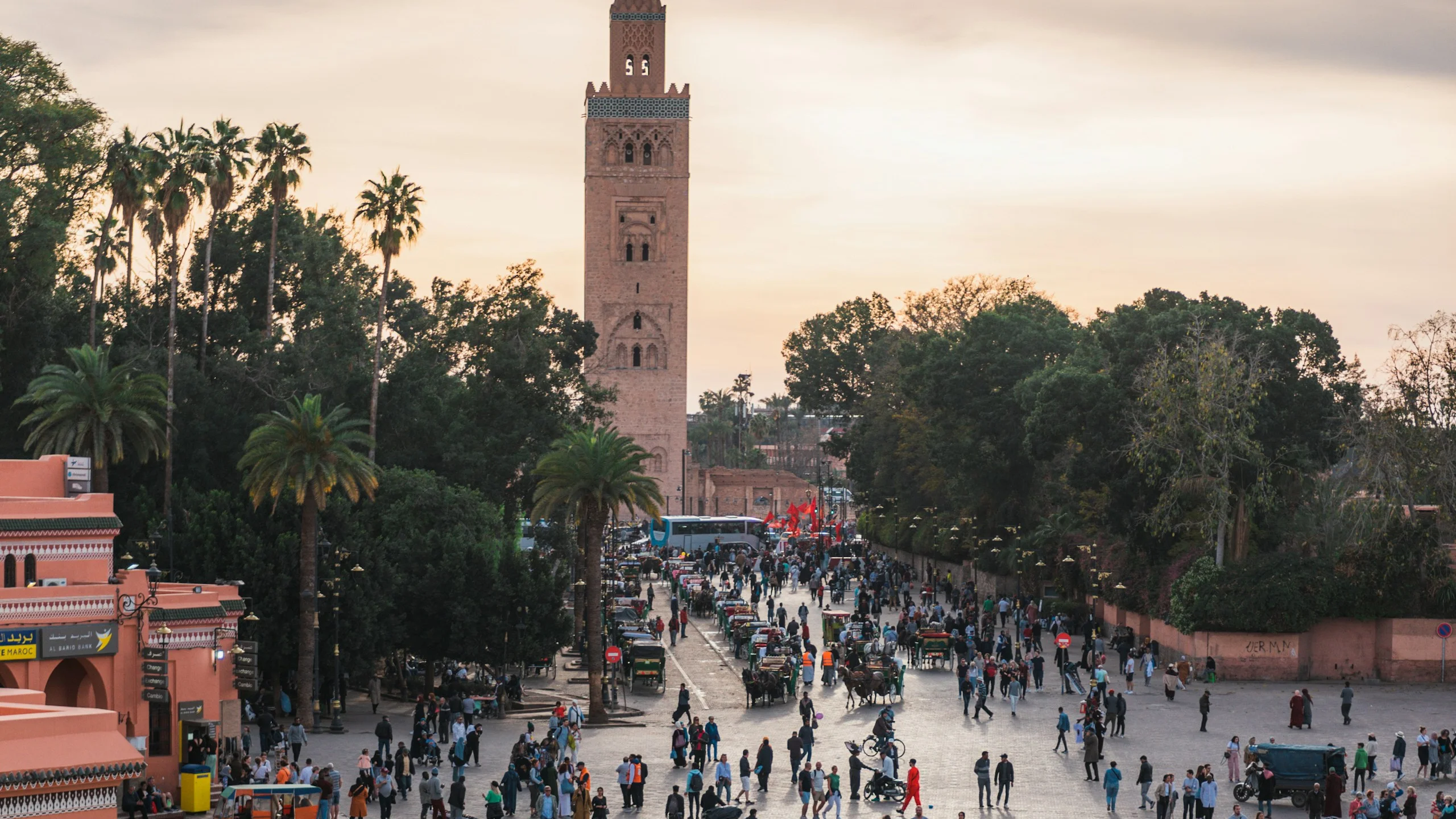
Best Time to Visit Marrakech — A Month-by-Month Reality Check
The brochure says spring or autumn. The reality is more nuanced — including two months we'd avoid and one most visitors skip that we now think is the best of the year.
10 min read
When to Go
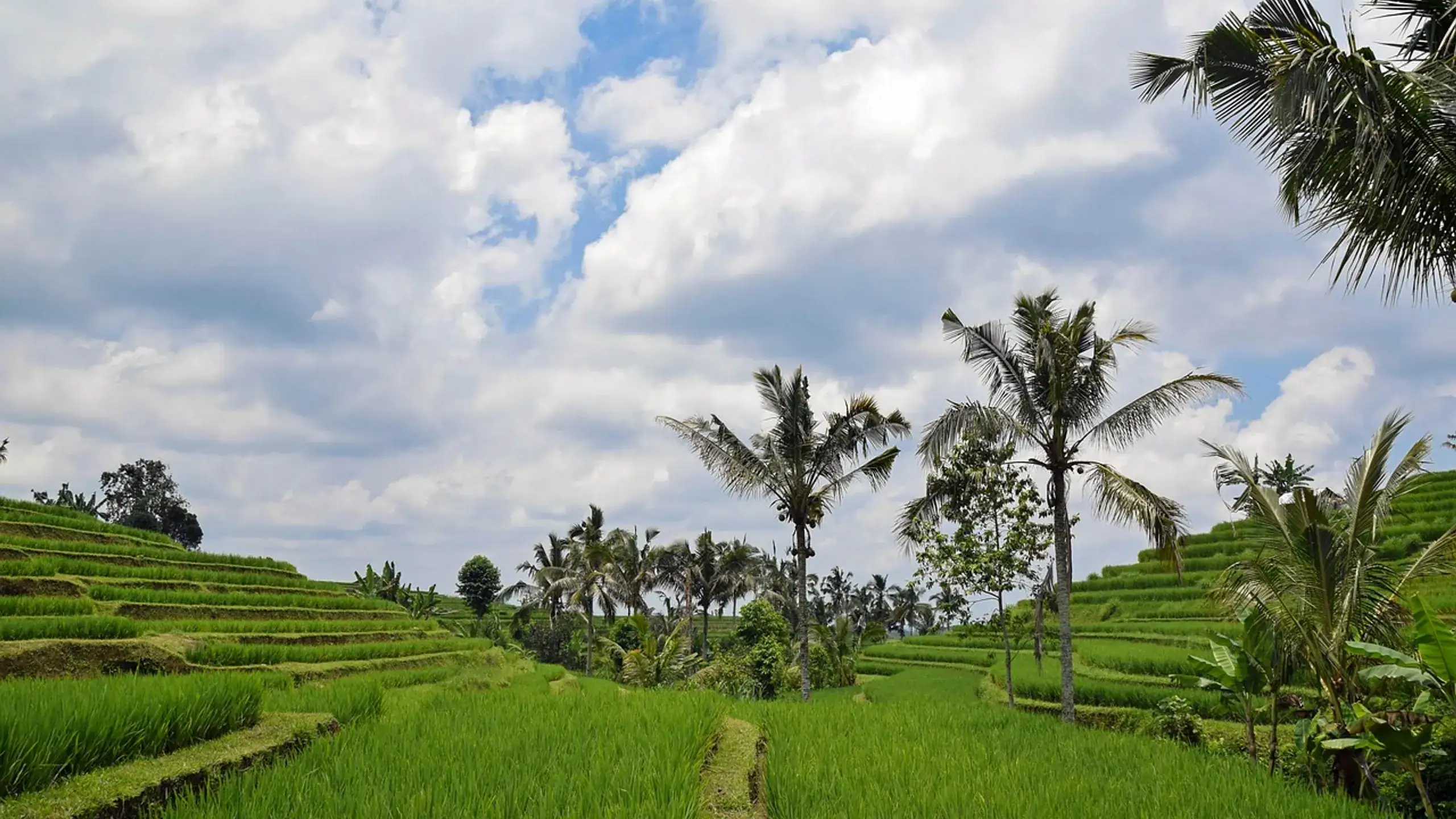
Best Time to Visit Bali — A Local's Honest Calendar
Eight years of living between Bali and everywhere else taught me that the island has four micro-seasons — and the brochure describes exactly none of them accurately.
11 min read
When to Go
Best Time to Travel to Portugal in 2026 — An Honest Month-by-Month Guide for Every Region
Portugal's four regions — Lisbon, Porto, the Alentejo, and the Algarve — each have a different best month. The answer that works for a beach holiday in the south is wrong for a wine weekend in the Douro. Here's the breakdown.
11 min read