
Best Boutique Hotels in Tokyo Under $300 a Night
Tokyo's boutique layer is thinner than European capitals — which makes the properties that exist more precious. Eight of the best, in the neighbourhoods worth staying in.
Tokyo's hotel market is dominated by enormous business hotels and luxury towers — the boutique layer is thinner than in European capitals, which makes the properties that exist more precious. The best of them are concentrated in the city's older neighbourhoods: Yanaka, Shimokitazawa, Koenji. They tend to be small (8–24 rooms), obsessively detailed, and staffed by people who genuinely know their corner of the city. These eight cleared our bar for character, neighbourhood, and value under $300.
Planning this trip?
Find flights now
Compare prices across 700+ airlines and OTAs in one search — find the real lowest fare without the inflated middleman markup.
Search flightsNeed a place to stay?
Search hotels
Yanaka: Tokyo's Most Intact Pre-War Neighbourhood
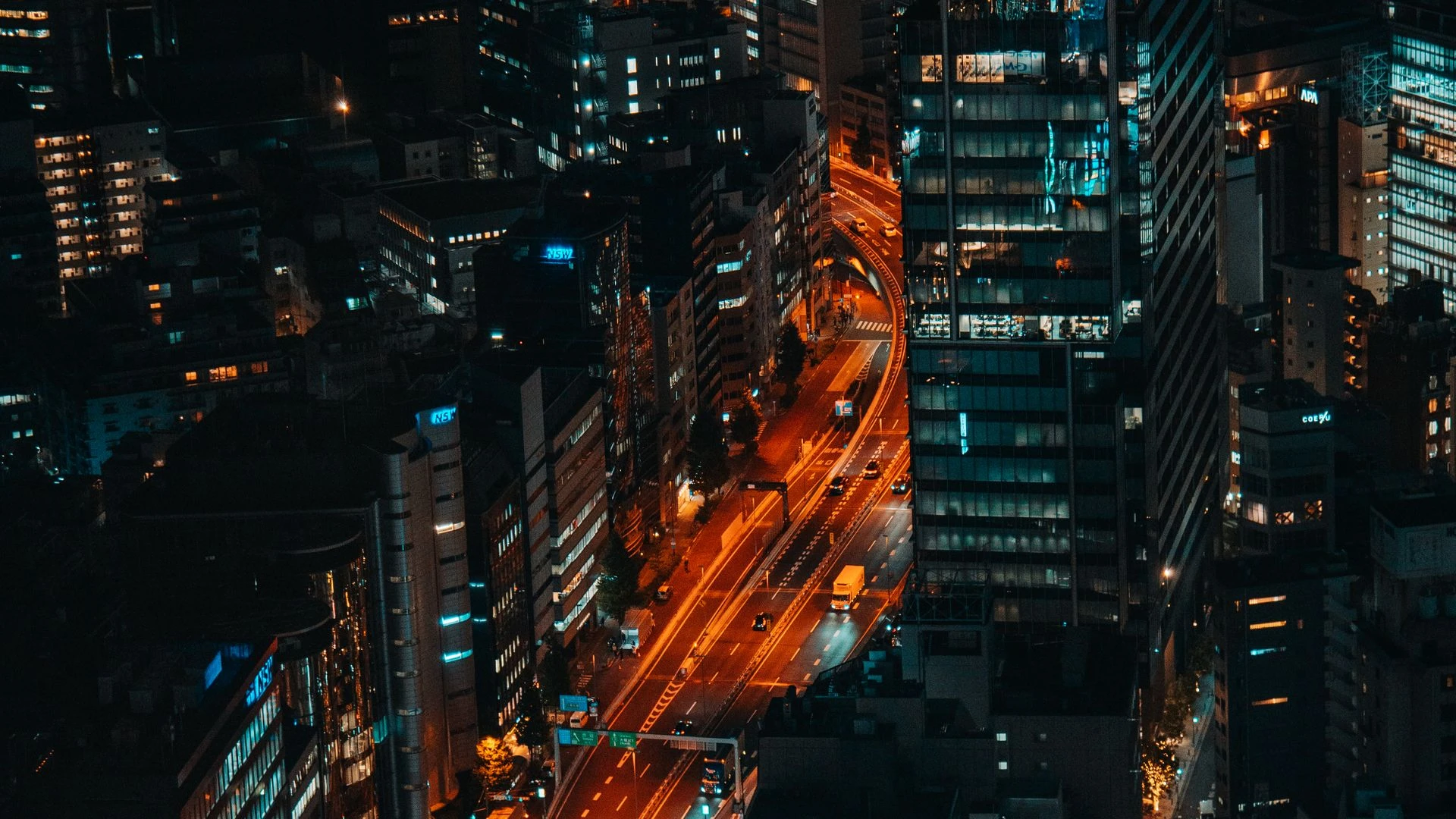
Yanaka in the Taito ward survived the 1923 earthquake and the 1945 firebombing that erased much of old Tokyo. The result is a neighbourhood of wooden shophouses, independent temples, and a cemetery that doubles as a park. HAGISO (from $220) started as an art space in a condemned 1950s apartment block and evolved into a boutique hotel — six rooms, a gallery, a café, and a sense of place that most Tokyo hotels don't approach. Hanare (from $195, same operator, different building) functions more like a traditional inn, with communal baths and dinner served at long wooden tables. Both book up weeks in advance; Hanare especially fills during autumn foliage season (November).
Editor's tips
- Yanaka Ginza shopping street is three minutes from HAGISO — arrive for the late-afternoon shopping hour before stalls close.
- Ueno Park (cherry blossom season's best location in Tokyo) is a 15-minute walk from either property.
- Neither property has an elevator — confirm room location if stairs are a concern.
Shimokitazawa and Koenji: The Vinyl-and-Vintage Belt
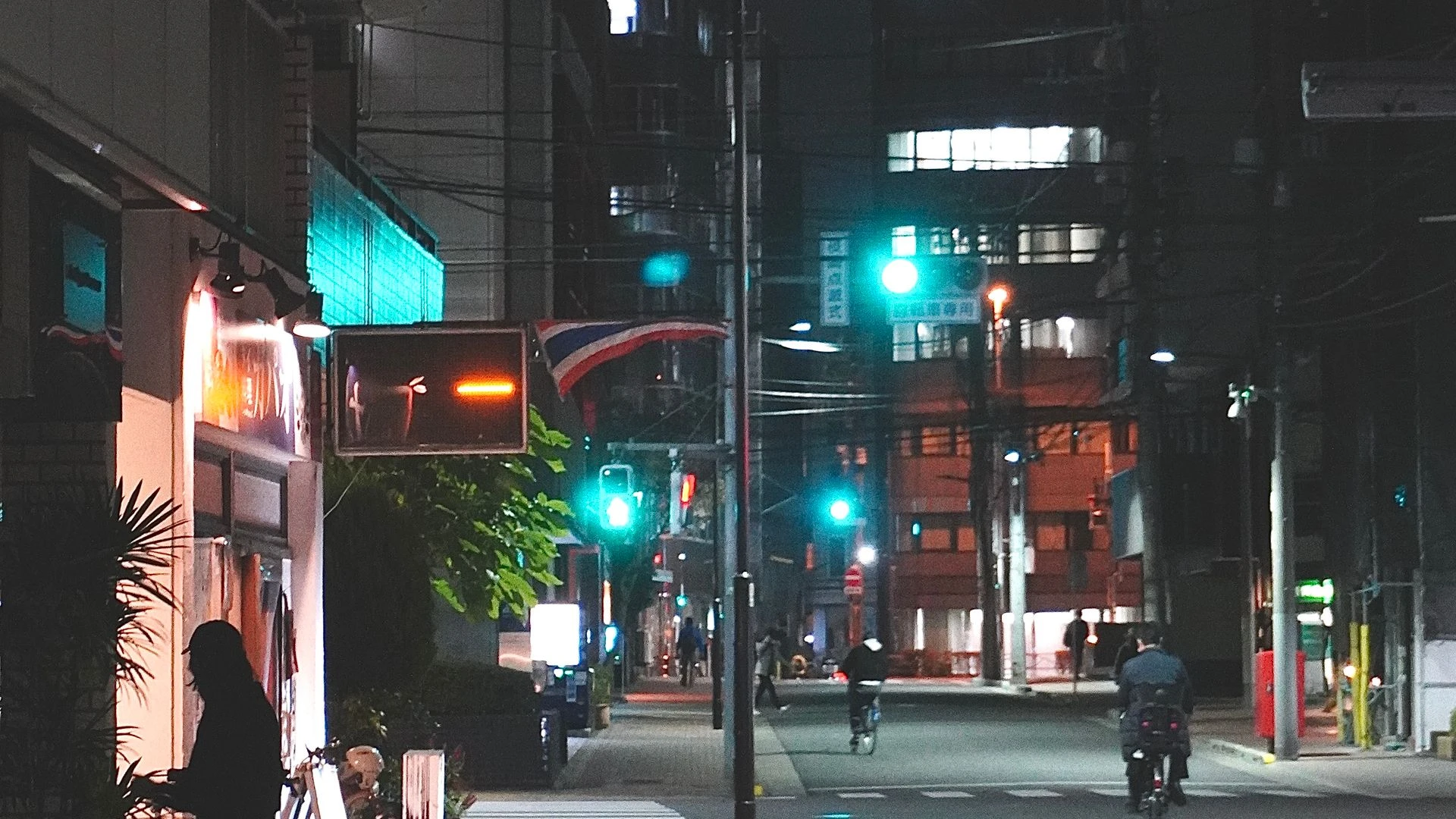
Two stops apart on the Keio Inokashira Line, Shimokitazawa and Koenji are Tokyo's counterculture neighbourhoods — record shops, vintage clothing, live music venues, and cafés that don't cater to tourists. The Hotel Anteroom Kyoto model exists here in Tokyo's equivalent: boutique hospitality layered into spaces that serve the local community rather than visitors. Mustard Hotel Shimokitazawa (from $180) opened in 2021 with 42 rooms above a record store — the ground floor has live music Friday and Saturday nights, which is either a selling point or a dealbreaker depending on your 11 PM preferences. In Koenji, Nui Hostel & Bar Lounge (from $160 private room) has a boutique-hotel feel despite the hostel classification — the private rooms are quiet, the bar downstairs is the best in the neighbourhood, and the price-to-experience ratio is unmatched.
Editor's tips
- Shimokitazawa's covered market arcade (the Ichiba) has the best cheap lunch in this part of Tokyo.
- Koenji to Shinjuku is 10 minutes by Chuo Line — the central access is better than the neighbourhood's reputation suggests.
- Both neighbourhoods are considerably cheaper for food and drink than central Tokyo — budget accordingly.
Design Ryokan: The Best of Both Worlds
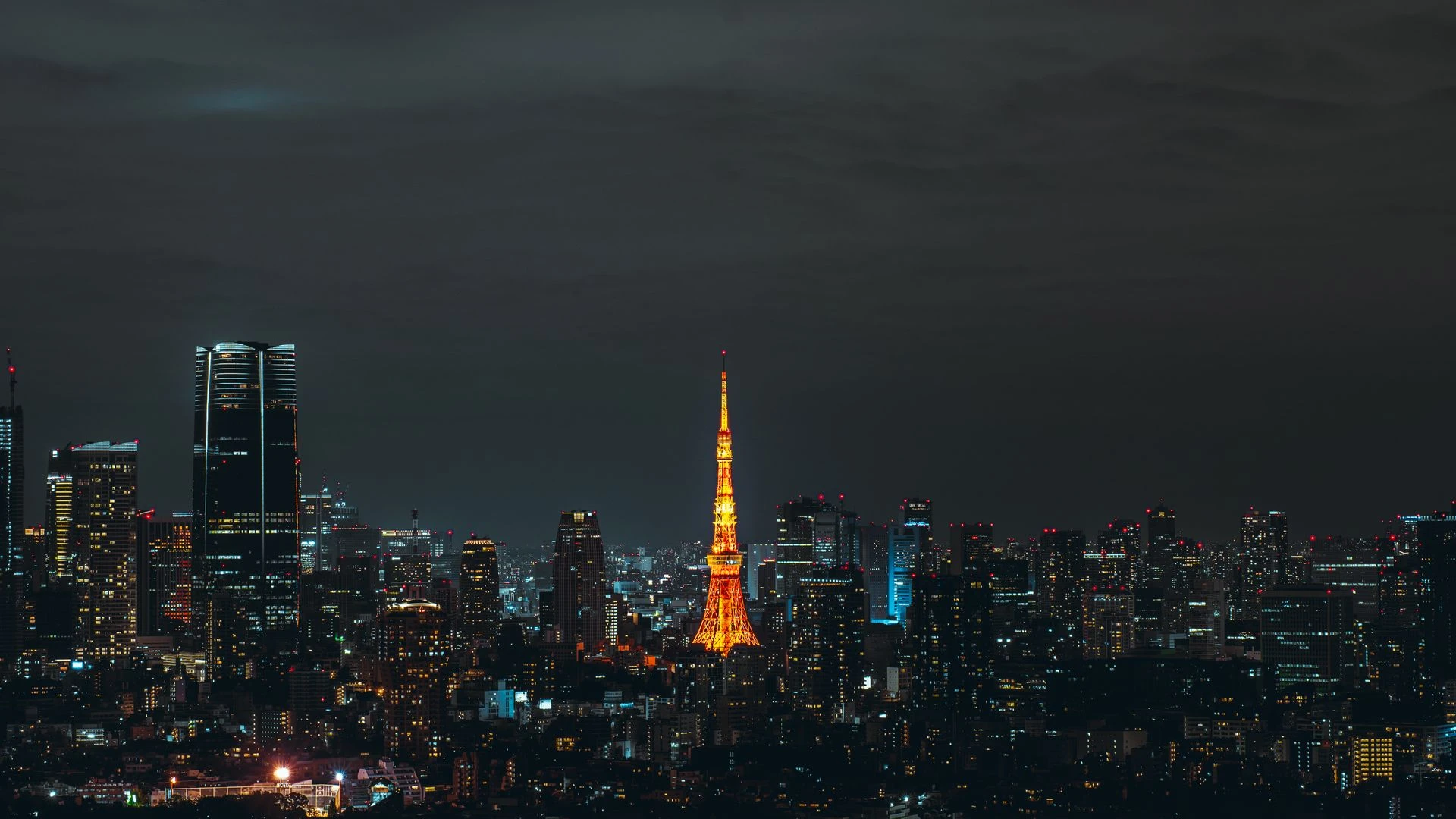
A full traditional ryokan — futons on tatami, communal onsen, elaborate kaiseki dinner — is an experience, but it's also a commitment. Design ryokan split the difference: the aesthetic and the hospitality philosophy, with the option of a Western bed and private bath. Trunk (Hotel) in Shibuya (from $280) is the closest Tokyo comes to a lifestyle hotel in the international sense — each room is individually designed, the F&B program is genuinely good, and the location on the edge of the Daikanyama neighbourhood is ideal. K5 in Nihonbashi (from $260) occupies a 1923 bank building — the original vault door is behind the bar, and the four rooms above it have 5-metre ceilings and original concrete floors. Neither is a ryokan in the strict sense, but both carry the Japanese hospitality ethos in contemporary form.
Editor's tips
- Trunk's rooftop bar is bookable by non-guests — arrive early on a clear evening for a Shibuya skyline view.
- K5's location in Nihonbashi puts you at the geographic centre of old Edo — combine with a morning walk to the historically intact riverside.
The Neighbourhood Hotels Worth Choosing for Location Alone
Two more properties where the address earns its place. The Millennials Shibuya (from $170 in private pods) is a more luxurious take on capsule design — the pods have adjustable lighting, a work surface, and privacy screens that actually work. It's not for everyone, but the Shibuya location and the rooftop lounge make a compelling case. Further north in Asakusa, Dormy Inn Asakusa (from $195) is not boutique in the design sense — it's a business hotel chain — but the on-site natural hot spring bath and the proximity to Senso-ji temple earn it a place here. The Asakusa morning market at 5:30 AM is one of Tokyo's genuinely unmissable experiences; being 3 minutes away makes it possible.
Editor's tips
- Asakusa is 40 minutes from Narita Airport by Skyliner — the most convenient neighbourhood for direct airport access.
- Capsule pod hotels are genuinely soundproofed for snoring but not for movement — light sleepers should opt for a private room.
Booking Tokyo Boutiques: What the Platforms Don't Tell You
Tokyo boutique hotels have idiosyncratic booking systems. Several (including HAGISO and Hanare) only accept reservations through their own website or by email — they don't list on Booking.com or Hotels.com at all. A number of the smaller machiya-style properties require a check-in window (typically 3–6 PM) with no exceptions; arriving from Narita at 8 PM requires communication in advance. Cancellation policies are also stricter than European equivalents: 48-hour cancellation is standard, 72-hour is common at peak seasons. Confirm all logistics by email after booking — Tokyo boutiques respond quickly and appreciate the contact.
Editor's tips
- Google Translate's camera function handles Japanese-only booking pages — don't be deterred by language barriers.
- Some smaller properties only accept payment in cash (Japanese yen) — confirm payment methods before arrival.
- Tokyo tap water is excellent — you don't need to buy bottled water at convenience stores.
How to choose and book a boutique hotel in Tokyo
Tokyo's boutique hotel market has expanded significantly since 2019, with a generation of Japanese-design-forward independent properties now competing effectively with the established luxury chains. **Location matters more than the room.** Shinjuku gives you the best transit connectivity in the city — the station handles over 3.5 million passengers daily and connects to almost every train and subway line. For a more neighbourhood-feel base, Shimokitazawa (vinyl records, independent cafes, theatre scene) or Yanaka (preserved Edo-era streetscape, local shopping arcades) offer genuine Tokyo character at lower room rates. Ginza and Roppongi are the premium hotel districts — central and polished, with the restaurant and gallery infrastructure to match. **Booking timing and pricing.** Tokyo's hotel market tightened significantly after 2023, with quality boutique properties often selling out 3–4 weeks in advance at standard times and further out during cherry blossom season (late March to mid-April) and autumn colour season (November). The Tokyo summer (July–August) is hot and humid — this is low season for international tourists and represents the best value window for the boutique category. **The red flag to watch for.** Room size is the most common complaint in Tokyo hotel reviews from international visitors. Even at $300 per night, a Tokyo boutique room may be 15–18 square metres — by international standards, very small. Many Japanese design hotels have engineered that space with exceptional efficiency (dedicated desk, storage, excellent bathroom), making it feel larger than the numbers suggest. Others simply feel cramped. The signal to look for: does the hotel show interior room photos, or only exterior and lobby shots? We chose these Tokyo hotels for a clear design identity, steady guest feedback across different traveller types, honest all-in pricing, and value under the $300 line. Tokyo rooms are small, so we favoured properties that use space well and sit close to a station. Ratings and rates shift with the season, so check current reviews before you book.
Frequently asked questions
Often, yes. The smallest properties (under 10 rooms) may only accept bookings via their own website or email. Availability is limited, and peak seasons (cherry blossom, Golden Week in May, autumn foliage) require booking 2–3 months ahead. The effort is generally worth it.
The best Tokyo boutique hotels require more research than their European equivalents — many don't list on the major platforms and have booking quirks that reward persistence. The payoff is a stay that situates you in the city rather than above it. A hotel in Yanaka or Shimokitazawa gives you a version of Tokyo that the business-hotel guests at Shinjuku never see.
Get there
Flights
One search across 700+ airlines — find the real lowest fare for your dates.
Search flightsWhere to stay
Hotels
Browse verified hotels and stays — instant confirmation, secure booking.
Book on KKdayThings to do
Activities
Tours, attractions, and day trips — free cancellation on most experiences.
Book on KlookTours & Experiences
Book the experiences, not just the trip
Skip-the-line tickets, guided tours, and day trips — free cancellation on most, confirmed instantly.
About the author
Marcus Chen
Hotels & Deals Editor · Based in New York City
Marcus reviews hotels for a living — and has slept in over 400 of them. Before TravelBuzzy, he ran the hotel desk at a major loyalty publication and consulted for two boutique hotel groups. He covers the Americas, Japan, and luxury travel.
Read next — destinations
More from The Edit
Itineraries
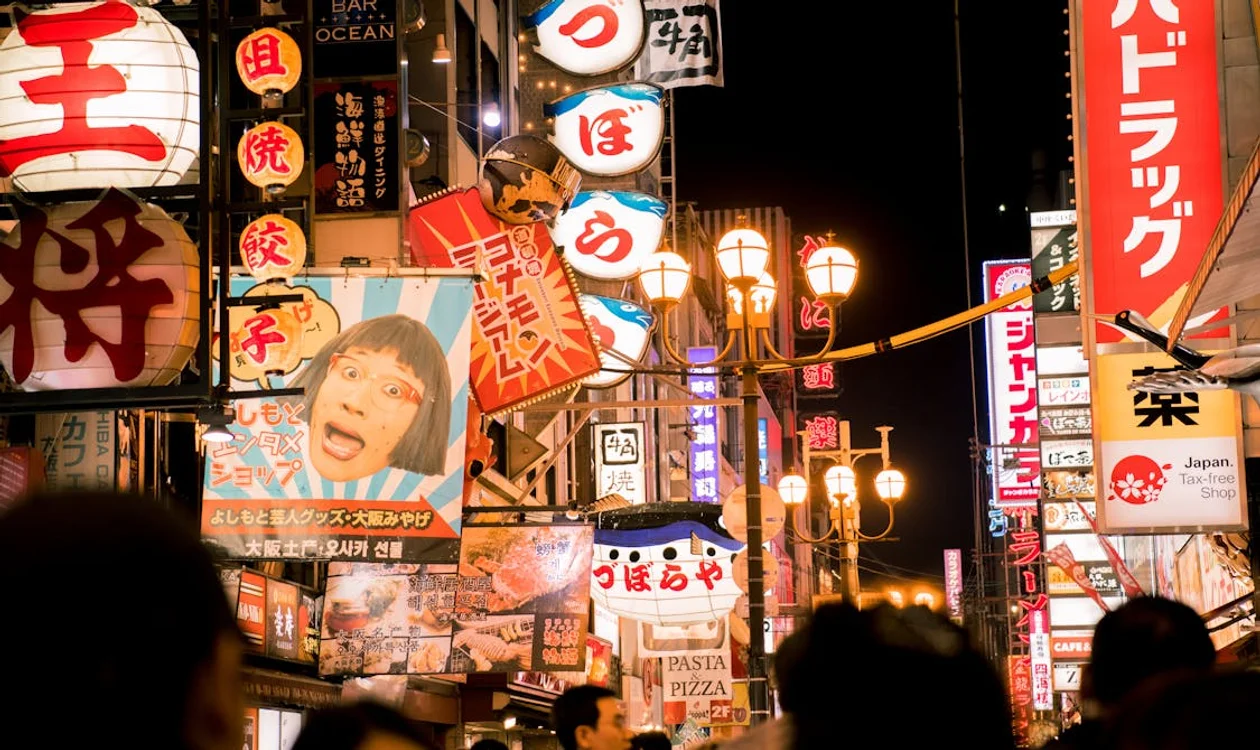
5 Days in Tokyo: A Realistic First-Timer's Itinerary
Three days will leave you hungry. Seven will overwhelm you. Five is the right number — and here is exactly how to spend them, by neighbourhood, by meal, and by the train you should actually take.
14 min read
When to Go
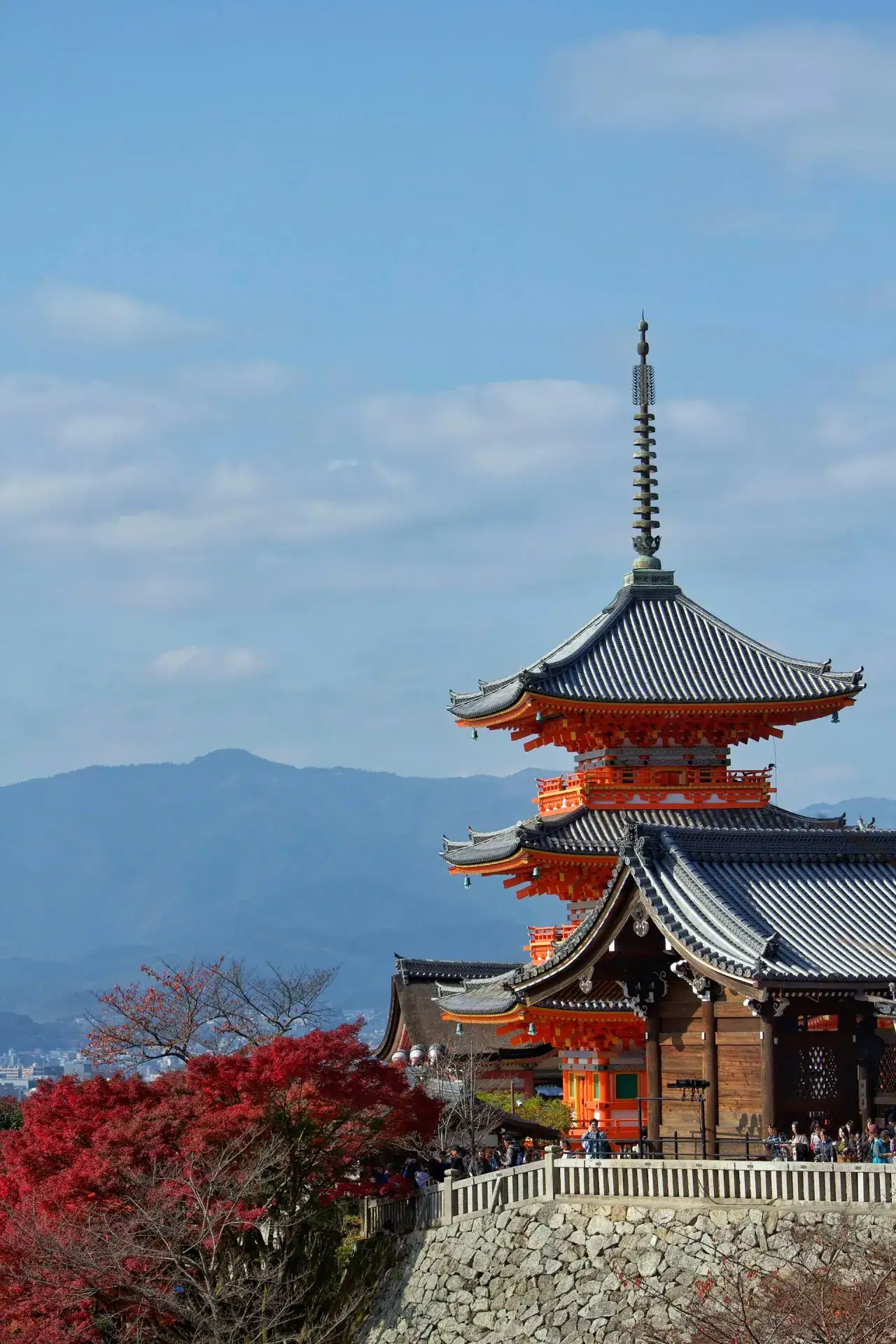
Best Time to Visit Tokyo — A Seasonal Honest Guide for First-Time Visitors
Cherry blossom is two weeks. Autumn leaves are three. Most planning guides skip the actual best month entirely.
9 min read
Itineraries
2 Weeks in Japan: Tokyo, Kyoto, Hiroshima, and Beyond
Japan in two weeks is the trip most people describe as life-changing. Here is the itinerary that earns that description — planned by district, by shinkansen hop, and by the meal that will follow you home.
18 min read