

Bali Travel Information Guide 2026 — Everything You Need Before You Book
Bali is not one destination. It is five different regions, two distinct seasons, a Hindu calendar that affects everything from cooking class availability to beach water quality, and a traffic system that will defeat you every time. This is the guide that pulls it together.
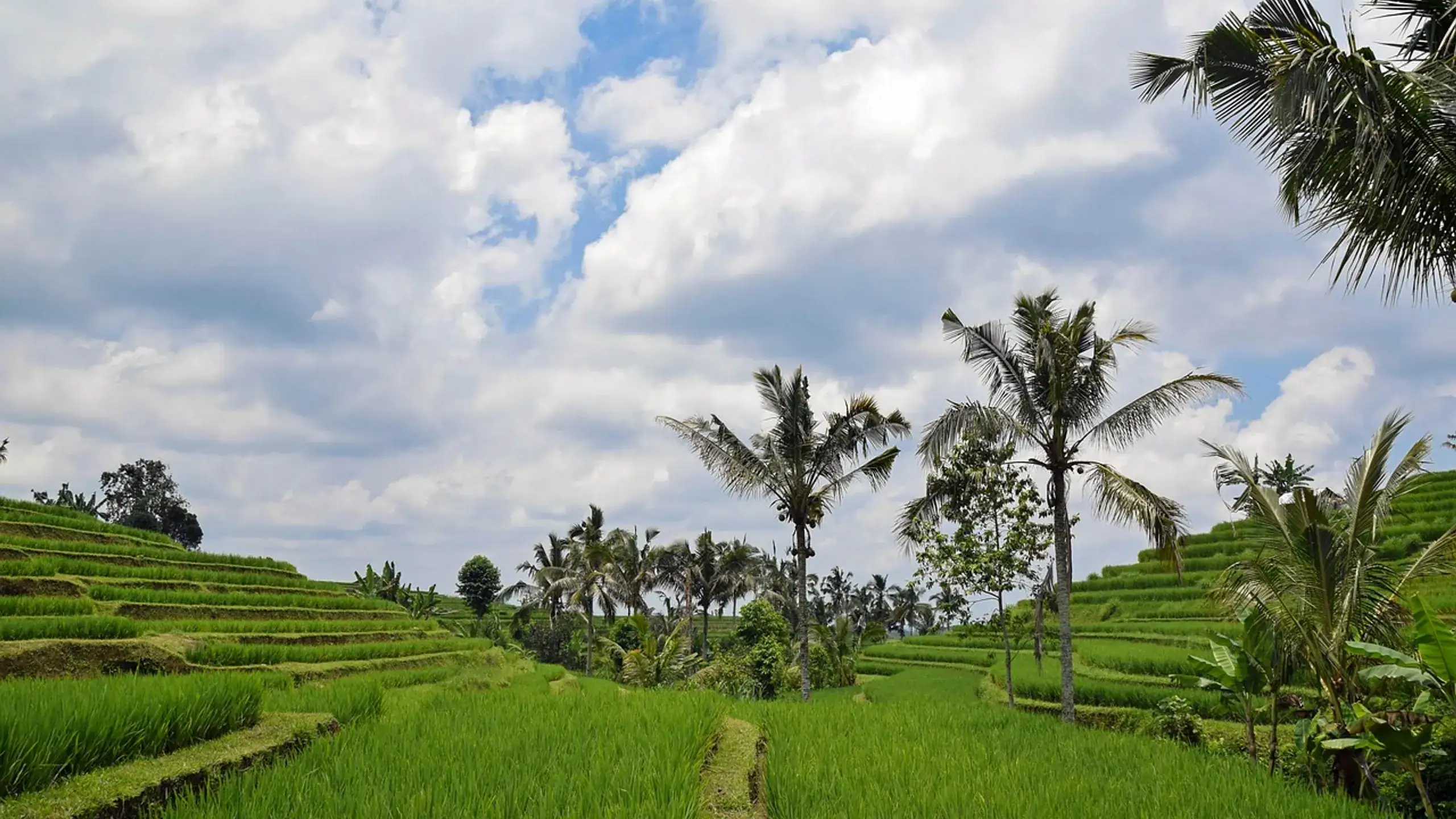
Bali is among the searched travel destinations in the world and among the inconsistently described. The generic guide says 'dry season is best' (true), 'Ubud for culture, Seminyak for nightlife' (oversimplified), and 'don't miss the rice terraces' (the Tegalalang ones are very crowded; the Jatiluwih ones are better). Here is the actual information you need before arrival — practical, specific, and honest about the trade-offs.
Planning this trip?
Find flights now
Compare prices across 700+ airlines and OTAs in one search — find the real lowest fare without the inflated middleman markup.
Search flightsNeed a place to stay?
Search hotels
Etiquette and small habits that make a difference
Bali is a living religious culture, and small habits show respect and improve your trip. Dress modestly at temples, cover shoulders and knees, and follow instructions about sarongs and offerings. Do not step on the small daily offerings placed on pavements, and never climb sacred structures for a photograph. Ask before photographing ceremonies and keep a respectful distance. Be careful with scooters, since accidents are a common cause of tourist injuries, and check that your travel insurance covers riding and that you hold the required licence. Drink bottled or filtered water, and use reef-friendly sun protection. Bargain politely in markets, and treat drivers and guides fairly. Choose businesses that treat staff well and avoid activities that exploit animals. These choices cost little, and they keep the island pleasant for the people who live there and the visitors who follow you.
Entry requirements: Visa on Arrival
Most nationalities (including US, EU, UK, Australian, Canadian) enter Bali on a Visa on Arrival (VoA). The process: on arrival at Ngurah Rai International Airport, before joining the immigration queue, visit the VoA counter. Pay IDR 500,000 (approximately $35 USD) in cash or by card. You receive a VoA sticker valid for 30 days. This is extendable by an additional 30 days at any Indonesian immigration office — the Denpasar office on Jalan Dewi Sartika handles Bali VoA extensions, costs IDR 500,000, and requires a visit during the last week of your initial VoA period. Important: some passport types (including some African and Middle Eastern passports) require a pre-arrival visa — check imigrasi.go.id for your specific nationality before travel.

Editor's tips
- Ngurah Rai Airport (DPS) is in the south, closest to Kuta and Seminyak — transfers to Ubud take 60–90 minutes
- The VoA counter is BEFORE immigration — walk past the immigration queue, look for the VoA booths on the right side
- Pre-approved e-VOA (molina.imigrasi.go.id) speeds up the counter process and costs the same as the airport counter
The five regions: what each one actually is
Ubud (central highlands, 45–90 minutes from the airport): Bali's cultural centre — rice terraces, temples, cooking classes, yoga studios, the Monkey Forest, the Campuhan Ridge walk. The restaurants around Jalan Dewi Sita and Jalan Hanoman are excellent. Traffic inside Ubud is problematic; a motorbike (around $5–7/day rental) is more practical than a car. Seminyak/Canggu (south coast, north of Kuta): beach club culture, sunset bars, surf, boutique hotels, the best independent restaurant scene in Bali. Single Fin at Uluwatu, La Brisa in Canggu, Suka Espresso. Uluwatu (southwest Cliff peninsula): dramatic cliffs, the best surf breaks in Bali (Padang Padang, Uluwatu itself), the Kecak fire dance at the clifftop temple at sunset. Nusa Dua (southeast peninsula): the international luxury resort zone — Sofitel, Mulia, AYANA. Hermetically sealed from local Bali. Kuta: budget accommodation, party scene, mostly avoid unless specifically after this experience.
Currency, money, and not getting ripped off
The Indonesian Rupiah (IDR) is the only currency accepted in most local transactions. As of 2026, $1 USD ≈ IDR 16,000; €1 ≈ IDR 17,500; £1 ≈ IDR 20,000. Airport money changers offer poor rates (10–15% below market). Better options: the PT Central Kuta (licensed money changer on Jalan Raya Kuta) or Bintang Supermarket area changers in Seminyak. BCA and Mandiri bank ATMs typically give better rates than money changers for debit card withdrawals. Always check that a money changer is 'licensed' (authorized Bank Indonesia sign) — unlicensed changers use sleight-of-hand to short-count bills. The simple rule: count your notes before leaving the counter, every time.

Practical transport and the traffic reality
The most useful transport decisions: rent a motorbike for Ubud and within-neighbourhood movement ($5–7/day, international driving licence required technically but rarely checked). Hire a private driver for any inter-region journey ($40–60/day, including petrol — split across 2–4 people it's competitive with taxis). Grab (Southeast Asian Uber equivalent, works better than local taxis, app available on iOS and Android) for airport connections and in-town trips. Avoid taxis that approach you unsolicited — meter-running scams are common. The traffic caveat that every Bali guide mentions but most visitors still underestimate: Kuta to Ubud at 5pm takes 90+ minutes. Seminyak to Uluwatu on a Sunday afternoon is 75 minutes. Build these into your itinerary as actual travel times, not background footnotes.
Editor's tips
- GoTransit (the motorcycle taxi app operated by GoJek) is faster than Grab in traffic but cannot go through security checkpoints at some hotels
- The most reliable drivers can be found through hotel concierges or via Bali4Hire.com — fixed-price day hire with no meter disputes
- The three-day traffic rule: most visitors figure out Bali traffic by day three — rent a motorbike or hire a driver by day one and skip the learning curve
Getting There: Flight Options
Compare live prices across 500+ airlines and booking platforms. Flexible date search lets you find the cheapest nearby dates.
Frequently asked questions
Most nationalities (US, EU, UK, Australia, Canada) use the Visa on Arrival (VoA) — IDR 500,000 (~$35 USD), purchased at the VoA counter BEFORE immigration at Ngurah Rai Airport. Valid 30 days, extendable once for 30 days at the Denpasar immigration office. Check imigrasi.go.id for your specific passport.
Bali's practical planning comes down to four decisions: which region to base in (Ubud for culture, south coast for beach), when to go (April–June for first-timers), how to manage transport (private driver for inter-region, motorbike or Grab for local), and how to handle money (authorised money changers in town, not the airport). Everything else — the temples, the food, the sunsets — is already there. ⚠️ Information last verified August 2026. Safety conditions, visa requirements, and health advisories change frequently — always confirm with the U.S. State Department and CDC Travel before booking.
Get there
Flights
One search across 700+ airlines — find the real lowest fare for your dates.
Search flightsWhere to stay
Hotels
Browse verified hotels and stays — instant confirmation, secure booking.
Book on KKdayThings to do
Activities
Tours, attractions, and day trips — free cancellation on most experiences.
Book on KlookTours & Experiences
Book the experiences, not just the trip
Skip-the-line tickets, guided tours, and day trips — free cancellation on most, confirmed instantly.
About the author
Camille Laurent
Senior Travel Editor · Based in Lisbon · Bali
Camille has spent the last 9 years living in or reporting from over 60 countries. Former contributor to Condé Nast Traveler and Monocle, she focuses on Southeast Asia, Mediterranean Europe, and the Middle East. Currently based between Lisbon and Bali.
Read next — destinations

More from The Edit
When to Go
Best Time to Visit Bali — A Local's Honest Calendar
Eight years of living between Bali and everywhere else taught me that the island has four micro-seasons — and the brochure describes exactly none of them accurately.
11 min read

Itineraries
5 Days in Bali: A Realistic First-Timer's Itinerary (Without the Beach-Club Cliché)
Five days isn't enough to see all of Bali — and trying to is the most common mistake. Here's the version we'd plan for a friend, by region, by meal, by the surf forecast.
13 min read

Honest Take
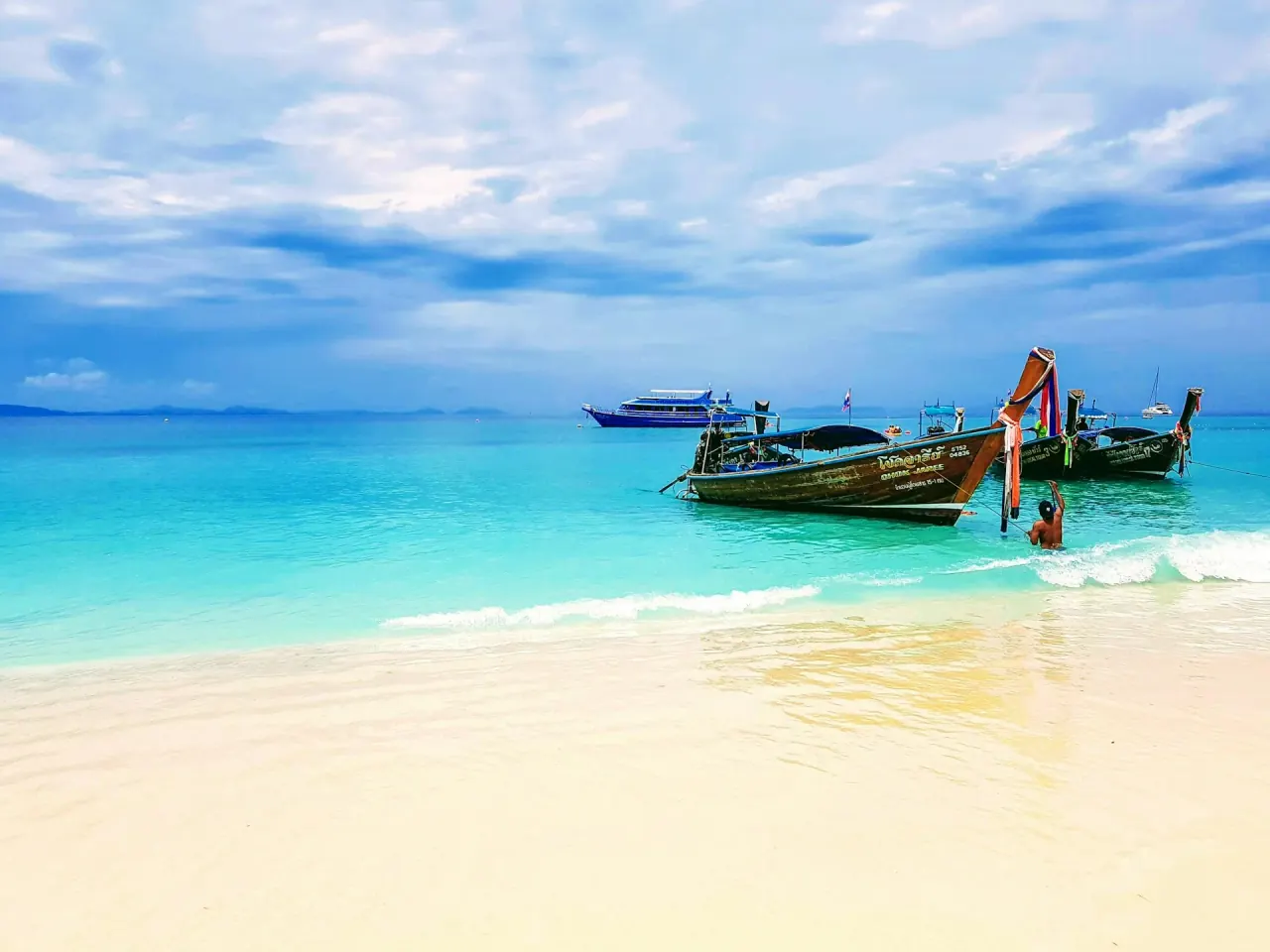
Bali vs Phuket: Which Tropical Destination Should You Choose?
They're both hot, both beautiful, both well below European prices — and almost nothing else about them is the same. Here's the honest decision framework after a combined six weeks across both.
9 min read

Travel Guides
Is It Safe to Travel to Israel in 2026? — An Honest Region-by-Region Assessment
Israel's security situation has been in constant flux since October 2023. The US State Department advisory has moved, specific regions carry specific risks, and 'Israel' as a single safety question misses the geographic complexity.
10 min read

Travel Guides
Bandung: Indonesia's Cool-Climate City Everyone Skips for Bali
Agoda's 2026 New Horizons ranking flagged Bandung as one of Asia's fastest-growing destinations — and having spent four days in West Java's hill capital, drinking coffee at 800 metres instead of sweating through Bali's coast, I understand exactly why.
11 min read