
Bali vs Phuket: Which Tropical Destination Should You Choose?
They're both hot, both beautiful, both well below European prices — and almost nothing else about them is the same. Here's the honest decision framework after a combined six weeks across both.
Bali and Phuket get compared on every Reddit r/travel thread because they're the two most-Googled tropical island destinations in Southeast Asia, and because at first glance they look similar — palm-fringed beaches, low-cost food, beach clubs, surf breaks, jungle hinterlands. They are, in practice, almost completely different trips. The decision between them is less 'which is better' (that's the wrong question) and more 'which trip am I actually planning'. After multiple visits to both and weeks of reading other travellers' regret, here's the honest framework.
Planning this trip?
Find flights now
Compare prices across 700+ airlines and OTAs in one search — find the real lowest fare without the inflated middleman markup.
Search flightsNeed a place to stay?
Search hotels
If you want culture, jungle, and a sense of place — Bali
Bali wins decisively on cultural depth. The island is 84% Hindu in a 90% Muslim country, has 20,000 functioning temples, runs daily offerings (canang sari) that you'll see at every doorstep, and the culture genuinely shapes the visit in a way that Phuket's culture doesn't. The Ubud area — central highland Bali — has a creative-class infrastructure (yoga studios, design shops, organic restaurants, traditional dance performances) that has no equivalent on Phuket. The rice terraces at Tegalalang and Jatiluwih are both genuine working agriculture and visually extraordinary. The volcanic landscape — Mount Agung, Mount Batur — gives Bali a topographic depth Phuket lacks. If you want a tropical destination where the trip has cultural narrative beyond the beach, Bali wins.
If you want beaches, island-hopping, and sea-focused activity — Phuket
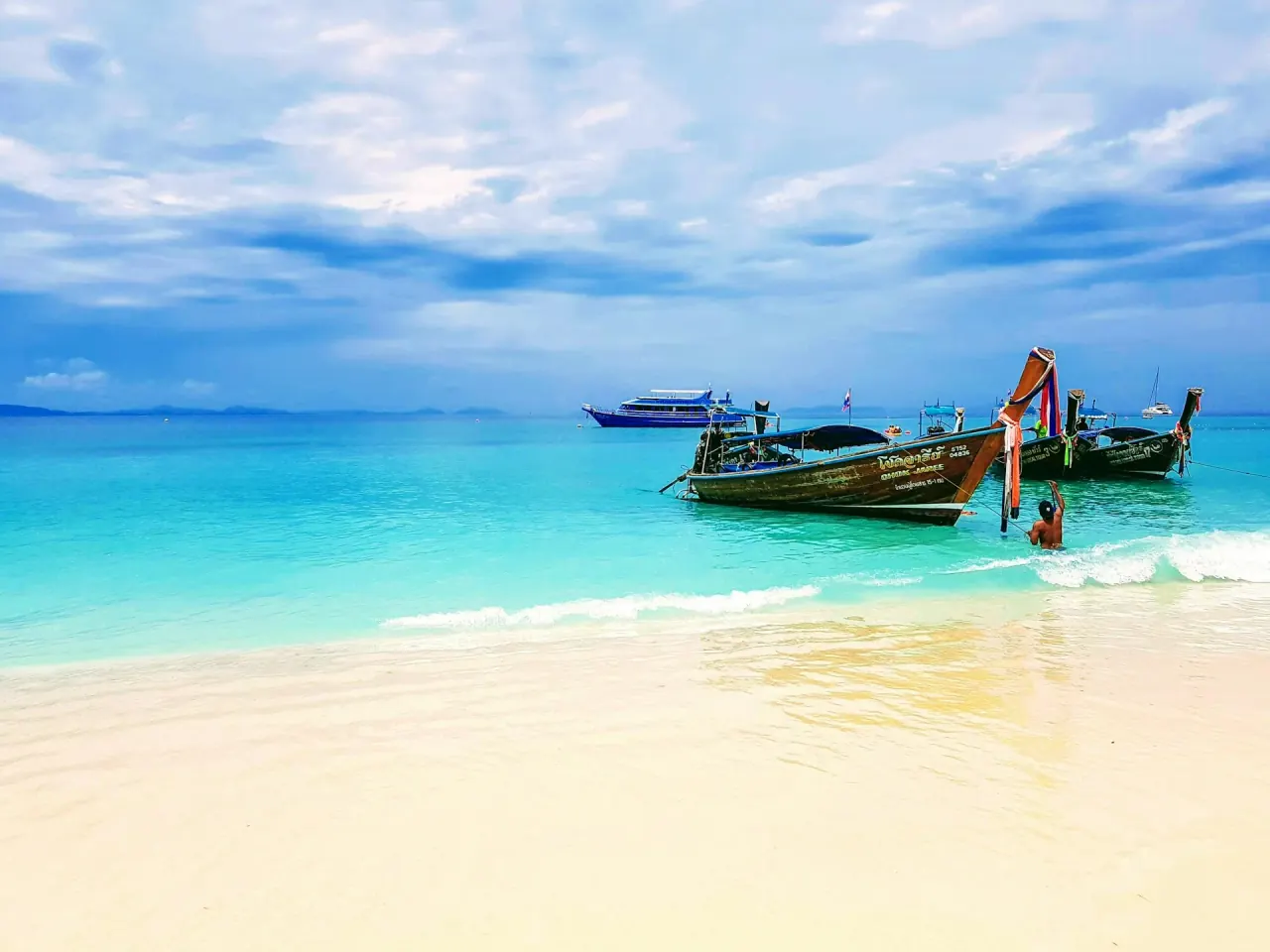
Phuket wins decisively on raw beach quality and the surrounding sea. The Andaman Sea around Phuket has clearer water than most Bali coast (Nusa Penida is the exception), more dramatic limestone karst formations, and significantly better day-trip options by boat — Phang Nga Bay (the James Bond karsts), the Phi Phi Islands, the Similan Islands for diving, Krabi's Railay Peninsula. None of these have a Bali equivalent. Bali's coast is volcanic black-sand or developed (Kuta, Seminyak, Canggu); Phuket's white-sand beaches at Surin, Bang Tao, Kata Noi are objectively better beach experiences, and the island is a launchpad for a whole region of beach experiences. If you want a 10-day trip that's mostly water and boats, Phuket wins.
If you want yoga, retreat, slow living — Bali
There's no Phuket equivalent to Ubud. Phuket has spas (excellent ones — the Banyan Tree, Amanpuri, Trisara are genuinely exceptional), but it doesn't have the multi-day retreat ecosystem that Bali built around Ubud over the last 20 years. Yoga teacher trainings, silent meditation retreats, sound healing, plant medicine, whatever your relationship with that scene — it lives in Bali. The food culture matches it: vegan/vegetarian/raw food, healing kitchen models, organic farms with restaurants attached. If you're the kind of traveller who specifically wants this, Bali is the only correct answer.
If you want Thai food, active nightlife, exceptional diving — Phuket
Bali's food has improved dramatically over the last decade, but Thai food remains the dominant world cuisine in this comparison. Phuket has the genuine Thai food culture — the street food, the regional southern Thai dishes, the seafood markets where you pick the fish and have it cooked at the adjacent restaurant. The diving from Phuket is meaningfully better than from Bali: Similan Islands and Surin Islands (3-day liveaboard from Phuket) are among the world's top 10 dive destinations. Patong's nightlife scene is the most concentrated party district in Southeast Asia (and yes, it's a lot — most travellers find it overwhelming, which is exactly why most travellers should stay elsewhere on the island). If you want Thai food, sea life, and a wilder beach scene, Phuket.
Cost, logistics, and the visit-length question
Costs are roughly similar between the two — basic accommodation $40–80/night, mid-range $150–280, luxury $400+. Bali is marginally cheaper at the budget end (street warungs at $3–4 per meal vs Phuket street food at $4–6); Phuket is slightly cheaper at the luxury end (Andaman Sea villas often outprice Bali equivalents). Flights: Bali (Denpasar/DPS) is typically 90 minutes longer from European hubs than Phuket (HKT). Visa: Indonesia offers 30-day visa-on-arrival for most nationalities; Thailand offers 60 days visa-free for most Western passports. For trip length: Bali rewards 10–14 days minimum if you're including Ubud (because Ubud needs 4 nights and the south coast needs another 5–7); Phuket rewards 7–10 days as a base for a wider Andaman trip including Phi Phi or Krabi.
The two-trip recommendation, if you have the budget
The travellers who've done both will tell you they're complementary, not competitive. If you have time and budget, do Bali for 10 days first (for the culture + jungle + Ubud), then Phuket for 7 days second (for the beaches + boats + Andaman). The two-week + version of this trip is genuinely one of the best Southeast Asia introductions for first-time visitors to the region. Singapore Airlines and Bangkok Airways both run regular Phuket-Denpasar connections (4-hour flight); the logistics are easy.
Quick decision matrix
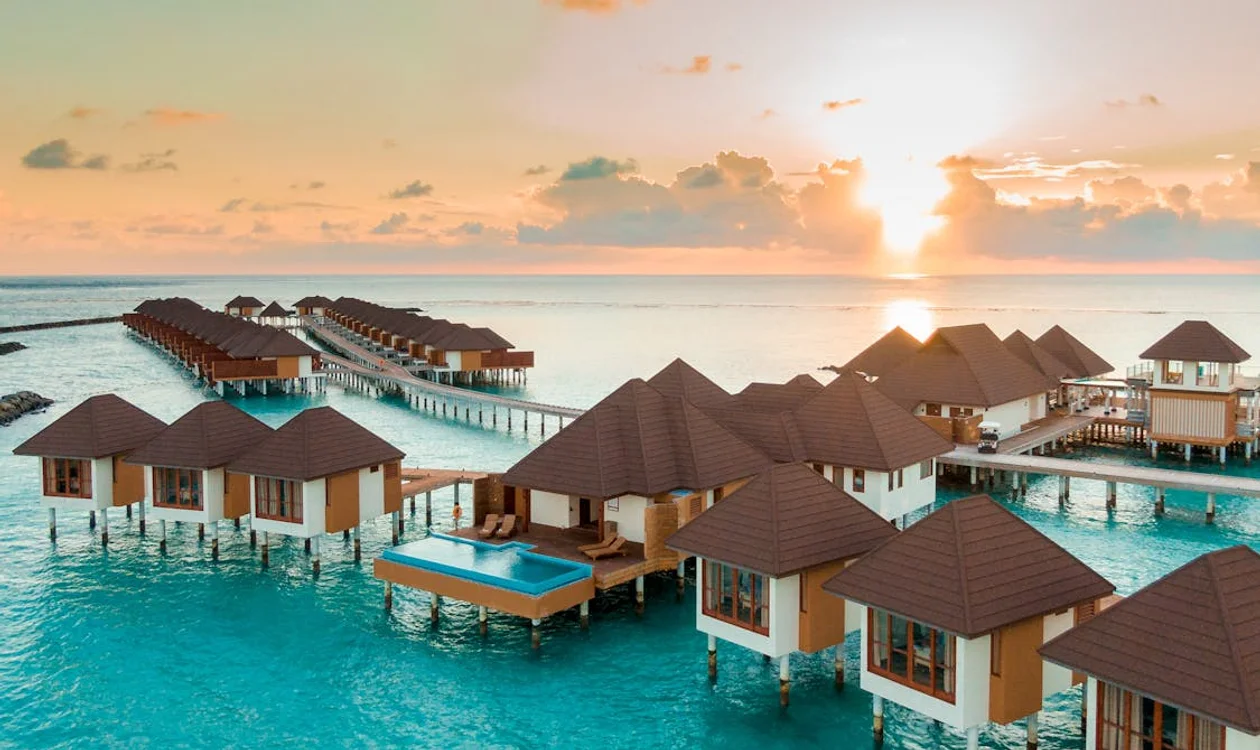
First Asian beach trip and you're choosing one only — Bali. Couple's 7-day beach holiday with a focus on water — Phuket. Yoga/wellness/retreat focus — Bali, no question. Diving / island-hopping / boat-life — Phuket. Family with kids 8+ — Phuket (better beach swimming). Family with kids under 8 — Bali (better resort scene for young kids, calmer waves). Honeymoon — depends entirely on what kind of honeymoon (Phuket for the overwater bungalow look, Bali for the cliff-top cultural one). Solo traveller looking for community — Bali. Backpacker first trip — Bali (Canggu/Uluwatu) is the better entry point.
Want to See It for Yourself?
Experience beats research every time. Compare flights, book verified accommodation, and lock in local tours — all with free cancellation options.
Plan Your Visit
If our take convinced you (or unconvinced you), here's where to start planning: flights comparison, hotel search, and selected activity booking.
Accommodation Options
Accommodation quality varies wildly. Filter by real guest reviews — not marketing copy — to find a place that actually delivers on its promises.
Frequently asked questions
They serve different purposes. Bali delivers cultural immersion, distinct regional identity, exceptional food diversity, and rice terrace scenery — better for travellers wanting depth, arts, and yoga/wellness culture. Phuket delivers superior beach quality (particularly the Phi Phi Islands and Similan Islands day trips), more straightforward resort infrastructure, and easier island-hopping. If you want the best beach holiday, Phuket. If you want to feel genuinely somewhere different, Bali.
These aren't competing destinations; they're different products. Bali sells culture and place; Phuket sells beaches and sea. The 'which is better' question almost always comes down to the trip you actually want. If you can do both — and a two-week dual itinerary works extraordinarily well — that's our default recommendation. If you can only choose one and you want a deeper sense of being somewhere different from where you started, Bali. If you want the best beach holiday under $5,000 a couple, Phuket. The mistake is to expect one to be the other.
Get there
Flights
One search across 700+ airlines — find the real lowest fare for your dates.
Search flightsWhere to stay
Hotels
Browse verified hotels and stays — instant confirmation, secure booking.
Book on KKdayThings to do
Activities
Tours, attractions, and day trips — free cancellation on most experiences.
Book on KlookTours & Experiences
Book the experiences, not just the trip
Skip-the-line tickets, guided tours, and day trips — free cancellation on most, confirmed instantly.
About the author
Camille Laurent
Senior Travel Editor · Based in Lisbon · Bali
Camille has spent the last 9 years living in or reporting from over 60 countries. Former contributor to Condé Nast Traveler and Monocle, she focuses on Southeast Asia, Mediterranean Europe, and the Middle East. Currently based between Lisbon and Bali.
Read next — destinations
More from The Edit
When to Go
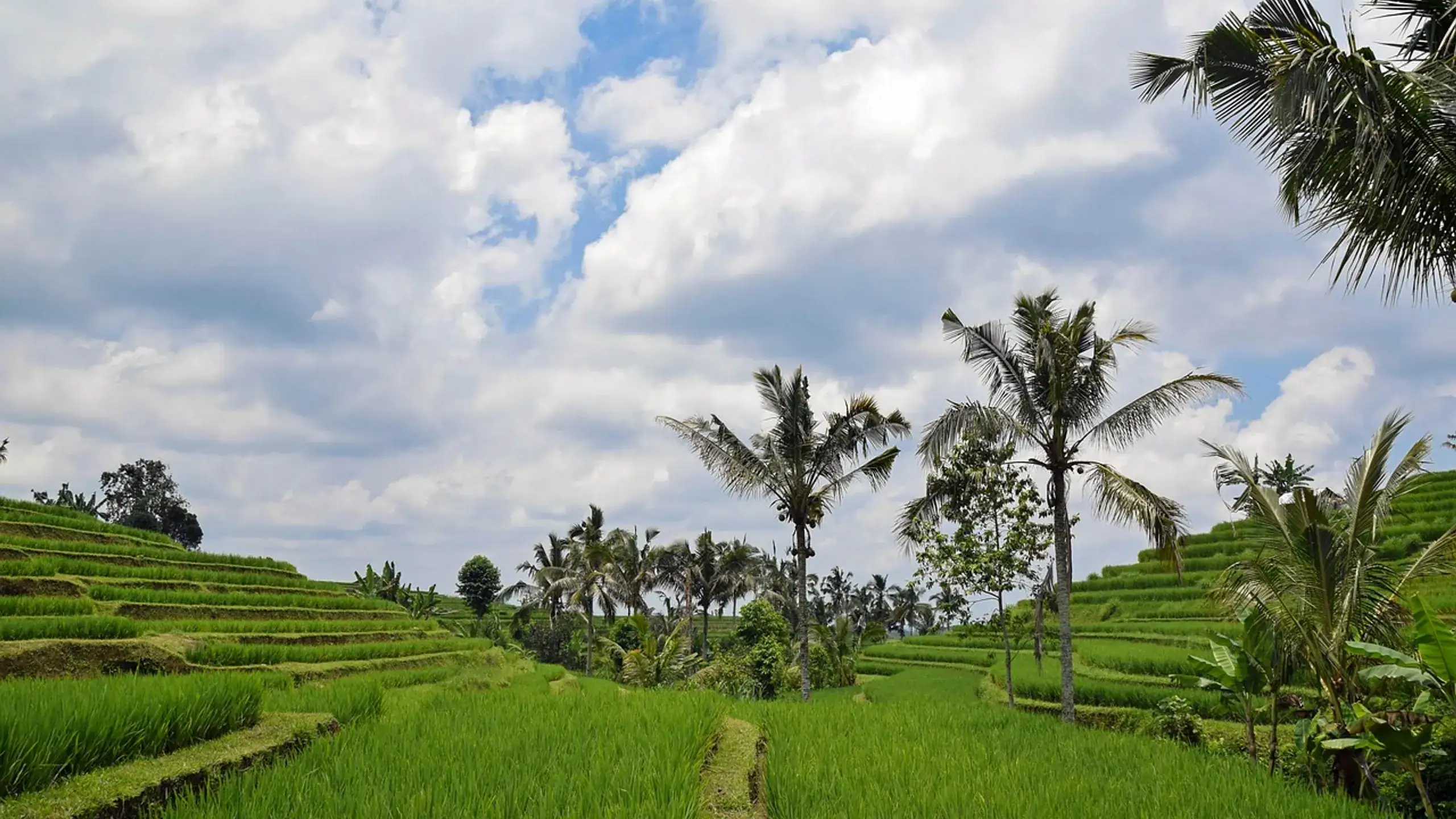
Best Time to Visit Bali — A Local's Honest Calendar
Eight years of living between Bali and everywhere else taught me that the island has four micro-seasons — and the brochure describes exactly none of them accurately.
11 min read
Money & Deals
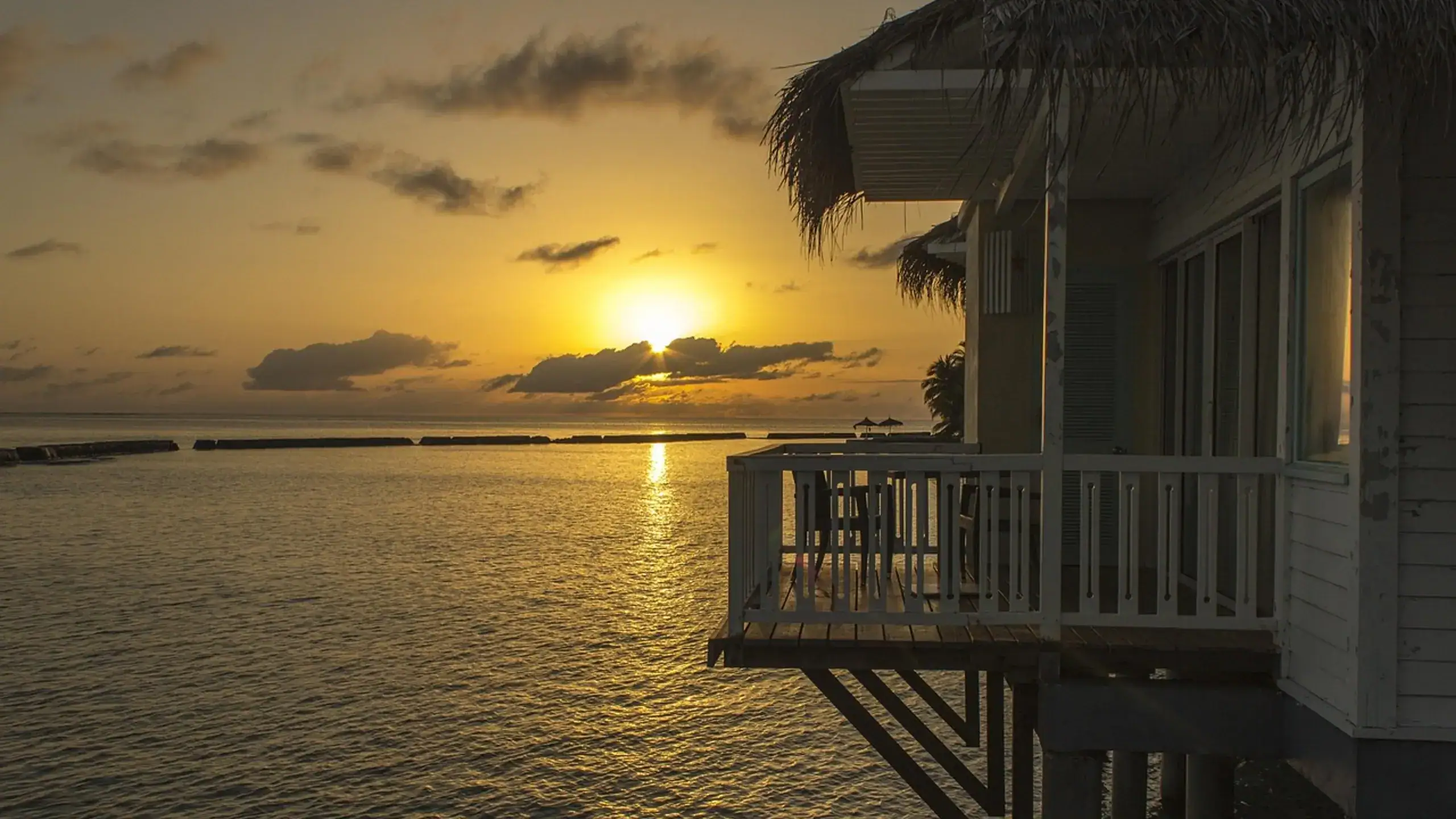
Maldives on a Budget: How to Do the Local-Island Version Under $150 a Night
The overwater bungalow Maldives is real, expensive, and not the only Maldives. Since 2009, an entire local-island guesthouse scene has opened up — with the same lagoons, the same colour, and a fraction of the price.
11 min read

Honest Take
TheNaughtyTravelers — What the Travel Creator Couple Actually Offers
TheNaughtyTravelers is a travel content creator brand built by a couple sharing unfiltered destination experiences. Here is what makes their content useful, where it falls short, and how it compares to other travel creators.
7 min read

Honest Take
Travel-Theworld.com Review 2026 — What the Platform Actually Offers
Travel-Theworld.com is a round-the-world ticket and multi-stop travel booking platform. Here is how it works, what the pricing looks like, and when it's a better option than building multi-stop trips manually.
9 min read