

Travel to Sedona, Arizona: The Honest Guide to Red Rock Country in 2026
Sedona's red sandstone formations are among the most dramatic geology in North America. Its marketing is the most aggressively spiritual in the Southwest. Here is how to separate the two and have an excellent trip.
Sedona, Arizona has a marketing problem. The town of 10,000 has been sold as the 'vortex capital of the world', a 'healing destination', and a 'spiritual retreat' so aggressively that it's easy to dismiss — and equally easy to arrive expecting a New Age theme park and miss what's genuinely extraordinary about it. The red rock formations are among the most dramatic geological features in North America. The hiking trails are varied, well-maintained, and often crowd-free if you choose correctly. The food scene, for a small Arizona town, is better than it has any right to be. Here is the trip that works. This pairs well with our Best Places to Travel in the US in 2026 guide, and with Best Time to Travel to Hawaii in 2026 for a broader view.
Planning this trip?
Find flights now
Compare prices across 700+ airlines and OTAs in one search — find the real lowest fare without the inflated middleman markup.
Search flightsNeed a place to stay?
Search hotels
The geology: why Sedona looks the way it does
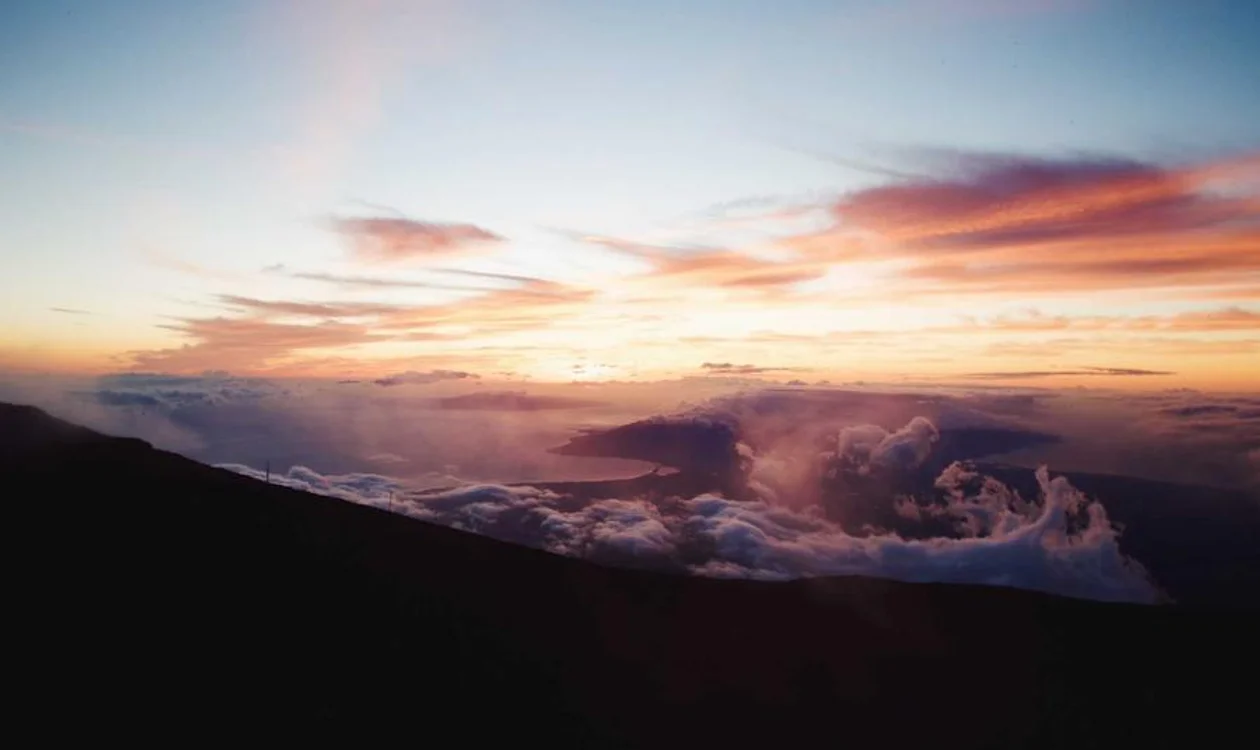
Sedona's red rock formations are Schnebly Hill Formation sandstone — iron oxide-stained sedimentary rock deposited 320–270 million years ago when the Colorado Plateau was covered by a shallow inland sea. The subsequent 300 million years of uplift and erosion produced the buttes, mesas, and spires you see today. Cathedral Rock, Bell Rock, Courthouse Butte, and Chimney Rock are the most iconic formations; Wilson Mountain, the largest mesa, rises 1,000 feet directly above the town. The red colouring deepens through the day — 7–9am and 4–6pm produce the famous orange-magenta glow that makes every Sedona photograph look slightly unreal. It is real. The colours are simply strongest at low-angle light.
The best hikes: an honest tiered list
Easy (under 3 miles, minimal elevation): Bell Rock Trail (1.5 miles, very flat, good for families — the rock itself is the destination and it's extraordinary), Airport Mesa Loop (3.5 miles, 360-degree views from the mesa, the best sunset spot in town), Cathedral Rock Trail (1.5 miles one way, but the last 0.5 miles requires hand-over-foot scrambling — accessible but not for young children or fear-of-heights). Moderate: Boynton Canyon Trail (6 miles roundtrip, the best full canyon walk, passes the Kachina Woman formation and has consistent shade). Strenuous: Brins Mesa to Soldier Pass Loop (6.5 miles, one of the least-crowded circuits with the best combined rock and canyon views). All trails require a Red Rock Pass ($5/day) available at trailhead kiosks. The National Recreation Area fee covers parking.
Editor's tips
- Start any hike by 7am in summer — trails become dangerous above 85°F
- Devil's Bridge (the famous arch) requires advance timed-entry permits from recreation.gov — book 3–4 weeks ahead
- The free Sedona Shuttle connects Uptown to major trailheads — use it and avoid the parking fee entirely
The vortex sites: what they actually are
Sedona's four main vortex sites — Bell Rock, Cathedral Rock, Airport Mesa, and Boynton Canyon — are real geological features with measurable electromagnetic properties. The 'vortex' concept (popularised in the 1980s by Page Bryant, a channel who claimed to receive messages from the rock formations) refers to a swirling centre of energy that allegedly affects visitors' consciousness. Whether or not you believe this, the four sites are genuinely among the most visually striking spots in the region and worth visiting for that reason alone. The practical observation: juniper trees at each site show notable bark twisting, which vortex believers attribute to the energy fields. Geologists attribute it to soil composition and moisture patterns. You can visit all four in a single day with a trailhead map from the Sedona Chamber of Commerce.
Where to stay: the honest tier guide
Luxury ($500–900/night): Enchantment Resort (525 Boynton Canyon Rd) is the benchmark — 70 acres inside Boynton Canyon, private hiking access, exceptional spa, and room-to-room canyon views. Mii amo destination spa (same property) is often cited as one of the country's top destination spas. El Portal Sedona (95 Portal Lane) is an adobe hacienda-style boutique with 12 rooms and the best breakfast in town. Mid-range ($150–350/night): The Orchards Inn (254 N Hwy 89A) in the Tlaquepaque area has the best location for access to both Uptown and Oak Creek trails. Budget ($80–150/night): Sedona Real Inn and Suites (95 Arrowhead Ln) is functional, well-located, and has pool access. For the full red rock view experience, a mid-range room at any of the west Sedona properties on Hwy 89A delivers better views than Uptown.
Editor's tips
- Book accommodation 60–90 days ahead for spring (March–May) — Sedona's peak season fills faster than comparable Southwest towns
- The 'sunset view' room category is worth the upgrade at any hotel that offers it — Sedona's evening light rewards having a balcony
- Camp at Manzanita Campground in Oak Creek Canyon (7 miles north of Sedona) for the most atmospheric in-canyon experience at $25/night
What to skip and what to do instead
Skip: Uptown Sedona's jeep tour operators (overpriced generic experiences), pink jeep tours in town (better to drive the scenic roads yourself for free), the majority of the crystal and healing-crystal shops (they are largely identical and selling the same mass-produced stock), and the Tlaquepaque 'airport jeep' tours that use ATVs on paved roads and call them 'off-road'. Do instead: Drive the Red Rock Scenic Byway (SR 179) yourself — it's a paved, beautiful, free drive past many of the best rock formations. Swim in Oak Creek at Slide Rock State Park ($30/vehicle, arrive before 9am in summer). Dinner at Mariposa Latin Inspired Grill (700 W Hwy 89A) for the best combination of food quality and red rock view in town. Day trip to Jerome, Arizona (1 hour) — a former copper-mining ghost town on a cliff that's more authentic and interesting than most of what Sedona sells.
Getting There: Flight Options
Compare live prices across 500+ airlines and booking platforms. Flexible date search lets you find the cheapest nearby dates.
Activities & Local Experiences
Join small-group tours led by local experts — temple visits, cooking classes, trekking, and more. Instant confirmation, free cancellation on most.
Hotels & Accommodation
Filter by price, rating, location, and amenities. Read verified guest reviews and compare rates across all major booking platforms.
Frequently asked questions
Yes — if you are interested in geology, hiking, and dramatic landscape. The red rock formations are genuinely extraordinary and unlike anywhere else in the US. If you're primarily interested in the 'spiritual' and 'healing' aspects of the marketing, expect a more commercial experience than the mythology suggests.
Sedona rewards the visitor who treats it as a landscape destination first and a 'wellness retreat' second. The red rock formations are among the most remarkable geological features in North America and deliver their full impact in person in a way that photographs simply don't capture. Four nights is the right amount of time: two days of hiking, one full day of scenic driving and Oak Creek, one day recovering and eating well. March or October gives you the best combination of weather, light, and manageable crowds. Go to the trailheads early, drive the Scenic Byway without booking anything, and resist the marketing.
Get there
Flights
One search across 700+ airlines — find the real lowest fare for your dates.
Search flightsWhere to stay
Hotels
Browse verified hotels and stays — instant confirmation, secure booking.
Book on KKdayThings to do
Activities
Tours, attractions, and day trips — free cancellation on most experiences.
Book on KlookTours & Experiences
Book the experiences, not just the trip
Skip-the-line tickets, guided tours, and day trips — free cancellation on most, confirmed instantly.
About the author
Marcus Chen
Hotels & Deals Editor · Based in New York City
Marcus reviews hotels for a living — and has slept in over 400 of them. Before TravelBuzzy, he ran the hotel desk at a major loyalty publication and consulted for two boutique hotel groups. He covers the Americas, Japan, and luxury travel.
Read next — destinations
More from The Edit

Travel Guides
Best Places to Travel in the US in 2026 — A Region-by-Region Honest Guide
48 states. Six years. One observation: the travellers with the best US trips are the ones who pick a region, not a landmark — and go deep instead of wide.
13 min read
When to Go
Best Time to Travel to Hawaii in 2026 — An Honest Island-by-Island Seasonal Guide
Hawaii has no bad month — but it has dramatically different months. The visitors who have the best time are the ones who understand which island to pick and why April is the sweet spot that most guides skip.
13 min read