
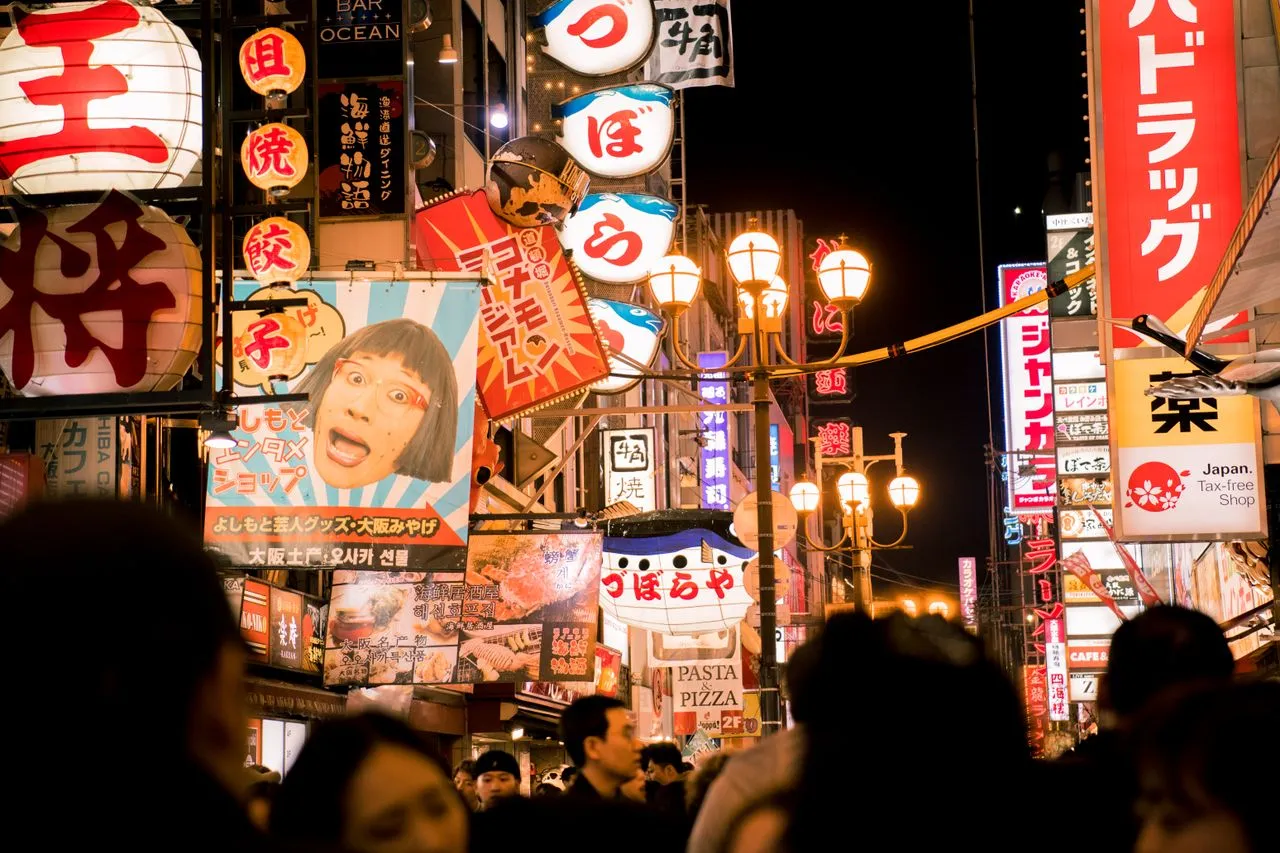
South Korea Travel Guide 2026 — Beyond Seoul: Busan, Jeju, Gyeongju & the Countryside
Seoul is the gateway, not the destination. The real Korea — temple stays in misty mountains, volcanic islands, bullet-train beach towns, and street food that costs less than a subway ride — starts the moment you leave the capital.
I first visited South Korea in 2019 for a long weekend in Seoul. I ate my body weight in kimchi jjigae, walked Bukchon Hanok Village at dawn, and left thinking I'd seen the country. I was wrong. Over three subsequent trips — most recently a 16-day circuit in spring 2026 — I discovered that South Korea beyond Seoul is an entirely different proposition: volcanic islands with mandarin orchards, ancient Silla dynasty capitals with tombs rising from manicured lawns, bullet-train coastal cities with seafood markets that make Tokyo's look restrained, and Buddhist mountain monasteries where you sleep on heated floors and eat meals in noble silence. This guide covers all of it — the logistics nobody explains clearly, the real costs in won and dollars, the honest trade-offs between regions, and the stuff I wish someone had told me before my first KTX ticket. Whether you have 7 days or 21, there's a version of South Korea here for you.
Planning this trip?
Find flights now
Compare prices across 700+ airlines and OTAs in one search — find the real lowest fare without the inflated middleman markup.
Search flightsNeed a place to stay?
Search hotels
Seoul: three days, not seven
Let me be direct: Seoul deserves three full days, not the week that many itineraries suggest. The city is dense and efficient — you can cover its essential neighbourhoods without the padding that bloated itineraries love to add. Start in Jongno-gu, the historic heart. Bukchon Hanok Village is best at 7am before the tour groups arrive; walk the narrow alleys of traditional wooden hanok houses with the glass towers of Gangnam visible in the distance. Gyeongbokgung Palace (₩3,000/$2.20 entry, free with hanbok rental) is worth 90 minutes — skip the changing of the guard ceremony unless you happen to catch it, but don't plan your morning around it. Cross the street to the National Folk Museum (free), then walk south through Insadong's tea houses and galleries. Day two belongs to the markets and the modern city. Gwangjang Market is the oldest and best food market in Seoul — mayak gimbap (₩3,000 for a plate of addictive sesame-oil rice rolls), bindaetteok (mung bean pancakes, ₩5,000), and knife-cut noodles (₩6,000). Eat standing up at the counter like everyone else. In the evening, Hongdae is Seoul's creative district: indie music venues, street performers, vintage shops, and some of the best craft beer bars in Asia. The area around Yeonnam-dong has mellowed into a quieter alternative if Hongdae's main drag feels overwhelming. Day three: the DMZ. Yes, it's touristy. Yes, you should still go. The Joint Security Area (JSA) tour is the most surreal geopolitical experience available to civilian travellers — you stand in a blue UN conference room that literally straddles the border, with North Korean soldiers visible through the windows. Book through the USO or a licensed Korean tour operator; expect to pay ₩75,000–110,000 ($55–80) including transport from Seoul. The standard DMZ tour without JSA access runs around ₩75,000 ($55) and covers the Third Tunnel, Dorasan Station, and the observatory. Either way, bring your passport — it's a military zone and they will check.

Editor's tips
- The Seoul Metro is one of the best urban transit systems on earth — T-money card (₩2,500 deposit) works on all buses, subways, and even some taxis
- Gwangjang Market is best visited between 10am–1pm on weekdays to avoid the weekend crush
- Free hanbok rentals are available near Gyeongbokgung — wearing one gets you free palace entry and makes for excellent photos
Busan: Korea's beach city with substance
The KTX from Seoul Station to Busan takes 2 hours and 30 minutes and costs ₩59,800 ($43) for a standard seat. Book at korail.com or the Korail Talk app — seats sell out on Friday afternoons, so midweek departures give you better availability. The countryside between Daejeon and the coast is genuinely scenic: rice paddies, low mountains, and small towns that look nothing like the megacity you just left. Busan is Korea's second city, but it doesn't feel like a lesser Seoul. It has its own identity — more relaxed, more coastal, more food-obsessed in a different way. Start at Gamcheon Culture Village, a hillside neighbourhood of pastel houses that was an urban renewal project and is now among the photogenic spots in Asia. Go early morning or late afternoon to avoid the selfie-stick crowds. Haeundae Beach is the headline beach — wide, well-maintained, and packed in summer. For a quieter alternative, Gwangalli Beach has better views of the Diamond Bridge at night and superior bar options along the waterfront. Jagalchi Fish Market is Busan's crown jewel. It's the largest seafood market in South Korea, and the ground floor is a working wholesale market where ajummas in rubber boots will slice sashimi from fish that was swimming 20 minutes ago. Take your tray upstairs to the second floor, where restaurants will prepare it (₩5,000 service charge per person) with sides, soup, and soju. A full raw fish meal for two runs ₩40,000–60,000 ($29–43) — roughly half what you'd pay for equivalent freshness in Tokyo. Haedong Yonggungsa Temple is the most dramatically located temple in Korea — built into the cliffs above the East Sea. Arrive before 8am; by 10am the parking lot is full and the staircase down to the temple is a queue. Budget two days minimum for Busan, three if you want to add Gyeongju as a day trip.
Editor's tips
- SRT (Super Rapid Transit) is a cheaper alternative to KTX on the Seoul–Busan route — ₩52,600 ($38), same speed, fewer departures
- Jagalchi Market's second floor restaurants are not tourist traps — locals eat there regularly and prices are posted
- The Busan subway connects most tourist areas on just two lines — a day pass costs ₩5,000 ($3.60)
Jeju Island: volcanoes, tangerines, and no visa needed
Jeju is technically a visa-free entry point for many nationalities, but if you're already in Korea, it's simply a cheap domestic flight — ₩40,000–70,000 ($30–50) one-way from Gimpo Airport in Seoul, with departures every 15–20 minutes on competing carriers. The flight takes 70 minutes. Alternatively, an overnight ferry from Busan is available for about ₩50,000 ($36) if you want the scenic route. The island is dominated by Hallasan, a 1,950-metre dormant volcano and South Korea's highest peak. The Seongpanak trail to the summit is a 9.6km hike (4–5 hours up, 3 hours down) that passes through four distinct climate zones — subtropical forest at the base, alpine scrub at the top, and a volcanic crater lake at the summit that justifies every step. Start by 6am to make the noon turnaround deadline enforced by park rangers. Bring layers — the temperature drops 10–15°C between base and summit. Beyond Hallasan, Jeju's coastline is the draw. Manjanggul Lava Tube (₩4,000/$2.90) is a 7.4km cave system formed by ancient lava flows — you walk 1km of it on a lit path, and the scale is genuinely impressive. Seongsan Ilchulbong (Sunrise Peak, ₩5,000/$3.60) is a volcanic crater at the eastern tip with a sunrise that earns its reputation if the weather cooperates. The haenyeo — Jeju's famous female free-divers, now mostly in their 60s–80s — still work along the coast, and watching them surface with sea urchins and abalone is one of those Korea-only experiences that no other country can replicate. Jeju's food identity is distinct from the mainland: black pork BBQ (₩15,000–20,000/$11–14 per serving), abalone porridge (₩12,000–15,000/$9–11), and hallabong tangerines everywhere. Two to three days is the right amount of time. Rent a car if you can — public transport exists but is slow and infrequent outside Jeju City.

Editor's tips
- Book Hallasan trail permits in advance at visithalla.jeju.go.kr — the Seongpanak and Gwaneumsa routes have daily caps
- Jeju car rental runs ₩30,000–50,000/day ($22–36) — international licences accepted with an IDP
- The Olle Trail network covers 437km of coastal walking paths divided into 27 routes — pick any section for a half-day coastal hike
Gyeongju: the museum without walls
Gyeongju was the capital of the Silla dynasty for nearly a thousand years (57 BC–935 AD), and the entire city is an open-air museum. Green burial mounds — royal tombs of Silla kings — rise from flat lawns in the middle of the modern city, casually sitting between convenience stores and coffee shops. Tumuli Park (₩3,000/$2.20) contains 23 of these tombs; one (Cheonmachong) is open so you can walk inside and see the excavated burial chamber. Bulguksa Temple (₩6,000/$4.30) is a UNESCO World Heritage site and one of the finest examples of Silla-era Buddhist architecture in existence. The stone pagodas, the cloud-bridge staircases, and the surrounding forest make this worth a half-day visit. From Bulguksa, take the connecting bus (or hike 3.5km uphill) to Seokguram Grotto — a granite Buddha carved into a mountainside cave overlooking the East Sea. It's considered one of the finest Buddhist sculptures in the world, and seeing it in person, in the quiet of the mountain, is one of those moments that guidebook superlatives actually undersell. Gyeongju works as a day trip from Busan (1 hour by bus, ₩5,800/$4.20) or as a one-to-two-night stay. I'd recommend overnight — the tombs are floodlit at night and the area around Anapji Pond (Donggung Palace, ₩3,000/$2.20) is atmospheric after dark in a way that day-trippers miss entirely. The city is compact enough to cover by bicycle (rentals ₩10,000/day, $7.20), and riding past ancient tombs in the golden hour light is one of the best free experiences in Korea. Accommodation is budget-friendly: clean guesthouses run ₩40,000–60,000 ($29–43) per night, and hanok-style stays are available for ₩80,000–120,000 ($58–87). The food scene is quieter than Seoul or Busan but ssambap (lettuce-wrap) restaurants near Tumuli Park are excellent and cheap (₩8,000–12,000/$6–9 per person).
Editor's tips
- Rent a bicycle from shops near Gyeongju station — the city is flat and the tomb district is perfectly suited to cycling
- Visit Bulguksa early morning (before 9am) to have the temple grounds largely to yourself
- The Gyeongju National Museum is free and provides essential context for understanding the Silla dynasty before you visit the sites
Korean food: a deep dive worth the flight alone
Korean cuisine is one of the three or four best food cultures on earth, and I'll defend that claim. The depth isn't just in the headline dishes — it's in the banchan system, where every meal arrives with 4–12 small side dishes (kimchi, pickled radish, seasoned spinach, dried anchovies, tofu) at no extra charge. Refills are free. This is not a gimmick — it's foundational to how Koreans eat. Korean BBQ is the gateway drug for most visitors, and it's worth every cliche. In Seoul, pork belly (samgyeopsal) runs ₩15,000–18,000 ($11–13) per serving at mid-range restaurants; premium hanwoo beef is ₩25,000–45,000 ($18–33) per serving. The ritual matters: grill the meat yourself, wrap it in lettuce with garlic, ssamjang (fermented paste), and a sliver of raw onion, then eat it in one bite. Restaurants in Mapo-gu (Seoul) and the area around Haeundae (Busan) are local favourites. Bibimbap — rice topped with seasoned vegetables, gochujang chilli paste, and usually an egg — costs ₩7,000–10,000 ($5–7) almost everywhere. The Jeonju style (from the city of Jeonju, 1.5 hours south of Seoul by KTX) is the original and best, served in a hot stone bowl that creates a crispy rice crust. Tteokbokki (spicy rice cakes, ₩3,000–5,000/$2.20–3.60) is the national street food — sticky, sweet, fiery, and available on virtually every corner. Street food deserves its own paragraph. The range is extraordinary: hotteok (sweet syrup-filled pancakes, ₩1,500), eomuk (fish cake skewers, ₩1,000), twigim (deep-fried vegetables, ₩2,000–3,000), gyeran-ppang (egg bread, ₩2,000), and tornado potatoes on sticks at every market. A serious street food crawl through Gwangjang Market, Myeongdong, or Busan's BIFF Square can fill you for ₩10,000–15,000 ($7–11). Two underrated meals: kimchi jjigae (kimchi stew, ₩7,000–8,000/$5–6) is what Koreans actually eat daily — a bubbling pot of fermented kimchi, tofu, and pork that's deeply satisfying. And Korean fried chicken (chimaek — chicken plus beer) is a cultural institution: crispy, double-fried, tossed in gochujang or soy-garlic glaze, ordered at 10pm with pitchers of Cass or Kloud. Budget ₩18,000–25,000 ($13–18) for a whole chicken with beer for two.
Editor's tips
- Korean BBQ is a group activity — most restaurants require a minimum order of two servings, so solo travellers should seek out spots with single-serving options
- Convenience store food in Korea is legitimately good — triangle kimbap (₩1,200), cup ramyeon (₩1,500), and doshirak lunch boxes (₩3,500–4,500) are viable budget meals
- Vegetarians will struggle at traditional restaurants — learn '고기 빼주세요' (gogi ppae-juseyo, 'no meat please') and target temple food restaurants (사찰음식) for the best plant-based Korean cooking
Temple stays and jjimjilbangs: experiences you can't get elsewhere
A Korean temple stay is the single experience I recommend most to visitors who want something beyond sightseeing. The Templestay program (templestay.com) is government-supported and operates at over 130 Buddhist temples across the country. You sleep on a thin mattress on a heated ondol floor, eat two or three vegetarian meals prepared by monks, participate in dawn chanting at 4am (optional but strongly encouraged), and spend the day in walking meditation, tea ceremonies, or simply sitting in silence in a mountain monastery that's been functioning for centuries. Prices range from ₩50,000–80,000 ($36–58) per night, which includes all meals and activities. The most popular temples — Haeinsa (home to the Tripitaka Koreana UNESCO woodblocks), Bulguksa near Gyeongju, and Woljeongsa in Gangwon Province — book out 2–3 weeks ahead on weekends. Midweek stays are easier to secure. The experience is not luxury — it's austere, quiet, and stays with you if you approach it with the right expectations. Shoes off, phones away, meals in silence. Jjimjilbangs are the opposite end of the spectrum — loud, social, and gloriously unpretentious. These are Korean bathhouses crossed with community centres: you pay ₩12,000–15,000 ($9–11) for entry and get access to hot pools, cold plunges, saunas at various temperatures, a sleeping hall with heated floors, and a cafeteria serving baked eggs and sikhye (sweet rice drink). Dragon Hill Spa in Seoul is the most famous (open 24 hours), but every city has local jjimjilbangs that are less tourist-oriented and more authentic. They're also a legitimate budget accommodation hack — you can sleep overnight in the common sleeping area for the price of entry, saving ₩50,000+ on a hotel room. Bring your own towel or rent one for ₩1,000. The etiquette matters: shower thoroughly before entering any pool, don't wear swimwear in the single-sex bathing areas (yes, you go nude — everyone does, nobody looks), and keep your voice down in the sleeping areas after 10pm.
Editor's tips
- Book temple stays at templestay.com — the English site is functional and most temples have English-speaking coordinators
- Jjimjilbangs provide the pyjama-like uniforms, but bring your own toiletries for a better experience
- Couples and mixed groups can use jjimjilbangs together — the common sauna and sleeping areas are co-ed (clothed), only the bathing sections are separated by gender
Logistics: K-ETA, transport, SIM cards, and the stuff nobody explains well
K-ETA (Korea Electronic Travel Authorization) is required for visa-exempt travellers from most Western countries. Apply at k-eta.go.kr at least 72 hours before departure — approval is usually within 24 hours but can take longer. The fee is ₩10,000 ($7.20) and the authorization is valid for 2 years. As of early 2026, K-ETA requirements are periodically suspended for some nationalities — check the official site before applying, as you may not need it. Internal transport is Korea's superpower. The KTX bullet train network connects Seoul to Busan (2.5 hours, ₩59,800/$43), Gyeongju (2 hours via transfer at Singyeongju, ₩45,000/$33), and Jeonju (1.5 hours, ₩34,000/$25). Book at letskorail.com or the Korail Talk app. For Jeju, fly from Gimpo Airport — budget carriers (Jin Air, Jeju Air, T'way) run ₩40,000–70,000 ($30–50) one-way with departures every 15–20 minutes during peak hours. Within cities, the T-money card is essential. Buy one at any convenience store (₩2,500 deposit), load credit, and it works on every subway, bus, and most taxis nationwide. Seoul's metro is exceptional — clean, signposted in English, and covering virtually everywhere you'd want to go for ₩1,400–2,000 ($1–1.45) per ride. Busan and Daegu have smaller but equally clean subway systems. SIM cards: pick up a prepaid tourist SIM at Incheon Airport arrivals — KT, SK Telecom, and LG U+ all have counters. A 10-day unlimited data SIM runs ₩33,000–44,000 ($24–32). Alternatively, order an eSIM before departure through providers like Airalo or Ubigi for similar prices with zero airport queue. Tipping does not exist in Korean culture — don't tip at restaurants, taxis, or hotels. It can cause confusion. The bill is the bill. Electricity uses Type C and F plugs (European-style round pins), 220V. Bring a universal adapter.
Editor's tips
- Download Naver Map (not Google Maps) — Google Maps is intentionally limited in Korea due to national security laws, and Naver provides far superior directions, transit routing, and restaurant information
- Korail Pass (foreign tourists only) costs ₩121,000 ($88) for a 2-day pass — only worth it if you're making 3+ KTX trips in quick succession
- Cash is increasingly unnecessary — Samsung Pay and credit cards work everywhere, but carry ₩50,000 in cash for small markets and older restaurants
Budget breakdown: what South Korea actually costs in 2026
South Korea sits in a sweet spot — cheaper than Japan, more developed than Southeast Asia, and offering a quality of experience that punches well above its price point. Here's what a realistic daily budget looks like across three tiers. Budget travellers ($50–80/day): Hostel dorm or jjimjilbang overnight (₩15,000–25,000/$11–18), convenience store breakfast and one proper sit-down meal (₩15,000–20,000/$11–14), public transport via T-money (₩5,000–8,000/$3.60–5.80), one paid attraction (₩3,000–6,000/$2.20–4.30), and street food dinner (₩8,000–12,000/$5.80–8.70). This is genuinely comfortable budget travel — Korea's public infrastructure is excellent, convenience store food is good, and free attractions (palace grounds, temple visits, mountain hikes) are abundant. Mid-range travellers ($80–130/day): Private hotel or guesthouse room (₩60,000–100,000/$43–72), sit-down Korean BBQ or seafood lunch (₩15,000–25,000/$11–18), one ticketed activity or day trip (₩30,000–75,000/$22–55 for a DMZ tour), transport mix of metro and occasional taxi (₩10,000–15,000/$7–11), and dinner with soju (₩20,000–30,000/$14–22). This is the sweet spot — you eat well, stay comfortably, and don't skip anything. Comfort travellers ($130–200/day): Boutique hotel or upper-mid hotel (₩120,000–200,000/$87–145), hanwoo beef BBQ dinner (₩40,000–60,000/$29–43), private DMZ or temple tour (₩100,000–150,000/$72–109), taxis when convenient (₩15,000–25,000/$11–18). At this level, Korea offers genuine luxury at prices that would barely cover a mid-range experience in Tokyo or Singapore. The Korean won has been relatively stable at ₩1,370–1,390 per USD through early 2026 — this rate is favourable for Western visitors compared to the pre-pandemic period. Credit cards are accepted virtually everywhere, but budget-tier guesthouses and market stalls may require cash.
When to go: cherry blossoms, autumn fire, and the months to avoid
South Korea has four distinct seasons, and the timing of your visit shapes the trip dramatically. Here's the honest breakdown. Cherry blossom season (late March–mid April) is the headliner. The bloom moves from south to north over about three weeks — Jeju and Busan see blossoms in late March, Seoul by early April. Gyeongju's Bomun Lake lined with cherry trees is the single best blossom viewing spot in the country, rivalling anything in Japan and with a fraction of the crowds. The weather is mild (10–18°C), prices are moderate outside Golden Week spillover from Japan, and the country is photogenic beyond reason. Book accommodation 6–8 weeks ahead. Autumn foliage (mid October–mid November) is the other peak. Korean maples, ginkgoes, and zelkovas turn the mountains into a palette of red, orange, and gold. Seoraksan National Park in Gangwon Province is the most famous foliage destination; Naejangsan in the southwest is equally remarkable with fewer visitors. Temperatures are crisp (8–18°C) and hiking conditions are ideal. This is my personal favourite season. Summer (June–August) is hot, humid, and punctuated by monsoon rains (jangma) in late June through mid-July. Temperatures hit 32–35°C with oppressive humidity. Busan's beaches are packed, and Seoul feels like walking through warm soup. The upside: summer is low season for cultural sites, accommodation prices drop 20–30% outside Busan beach areas, and the energy of Korean summer festivals (Boryeong Mud Festival, Busan Sea Festival) is infectious. Prepare to sweat. Winter (December–February) is cold — Seoul averages -3°C to 3°C in January — but dry and clear. Ski resorts in Gangwon Province (Yongpyong, Alpensia — the 2018 Olympics venues) offer surprisingly good skiing at ₩80,000–120,000 ($58–87) for a full-day lift ticket and rental. Korean winter food — steaming kimchi jjigae, hotteok pancakes, roasted chestnuts from street carts — is at its best when it's freezing. Tourist crowds are minimal outside Christmas week. The single worst time: late June through mid-July (monsoon). Days of grey, humid rain that isn't dramatic enough to be interesting and isn't light enough to ignore.

Find Cheap Flights to South Korea
Flight prices to Seoul fluctuate significantly by season and booking window. Compare fares across dozens of airlines — including Korean Air, Asiana, and budget carriers — to find the best deal for your dates.
Book Your Stay in Korea
From traditional hanok guesthouses to sleek city hotels, South Korea's accommodation covers every budget. Filter by neighbourhood, price, and guest rating to find your base.
Tours, Day Trips & Experiences
DMZ tours, temple stays, Korean cooking classes, Jeju island day trips — skip the guesswork and book with vetted operators offering skip-the-line access and flexible cancellation.
Frequently asked questions
Most Western passport holders can enter South Korea visa-free for 90 days. However, you will likely need a K-ETA (Korea Electronic Travel Authorization) — apply at k-eta.go.kr at least 72 hours before departure (₩10,000/$7.20 fee, valid 2 years). K-ETA requirements are periodically suspended for some nationalities, so check the official site before applying. As of mid-2026, several countries including the US, UK, and most EU nations are covered by K-ETA rather than a traditional visa.
South Korea is an underrated travel destinations in Asia — maybe in the world. It has the infrastructure of Japan, the food culture of nowhere else, the natural beauty of volcanic islands and forested mountains, and a cost of living that makes it genuinely accessible on a mid-range budget. The mistake most first-timers make is spending their entire trip in Seoul. Don't. Take the KTX to Busan, fly to Jeju, sleep in a temple, cycle through Gyeongju's royal tombs at golden hour, and eat street food until you can't move. The country rewards curiosity, rewards getting lost, and rewards the traveller who shows up willing to go beyond the capital. Start planning, and budget more days than you think you need — you'll use every one of them.
Get there
Flights
One search across 700+ airlines — find the real lowest fare for your dates.
Search flightsWhere to stay
Hotels
Browse verified hotels and stays — instant confirmation, secure booking.
Book on KKdayThings to do
Activities
Tours, attractions, and day trips — free cancellation on most experiences.
Book on KlookTours & Experiences
Book the experiences, not just the trip
Skip-the-line tickets, guided tours, and day trips — free cancellation on most, confirmed instantly.
About the author
Marcus Chen
Hotels & Deals Editor · Based in New York City
Marcus reviews hotels for a living — and has slept in over 400 of them. Before TravelBuzzy, he ran the hotel desk at a major loyalty publication and consulted for two boutique hotel groups. He covers the Americas, Japan, and luxury travel.
Read next — destinations
More from The Edit
Money & Deals
Japan on a Budget — How to Travel Japan for Under $100/Day
Japan has a reputation as expensive. It isn't — not if you eat where locals eat, sleep smart, and do the JR Pass math before you buy. Here's the full breakdown from someone who's done it three times.
13 min read
Itineraries
5 Days in Tokyo: A Realistic First-Timer's Itinerary
Three days will leave you hungry. Seven will overwhelm you. Five is the right number — and here is exactly how to spend them, by neighbourhood, by meal, and by the train you should actually take.
14 min read