
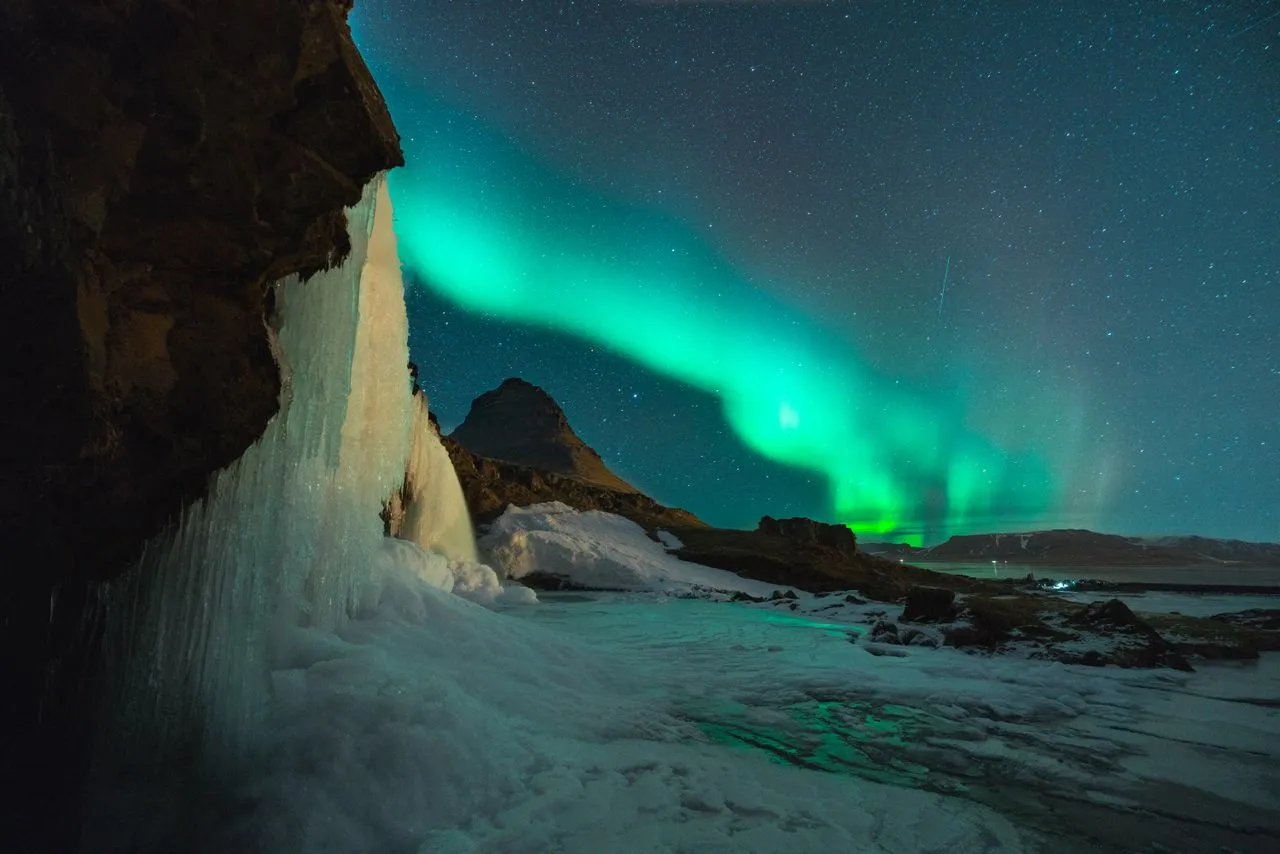
Iceland Ring Road — The Definitive 10-Day Self-Drive Itinerary
1,322 kilometres, one road, zero motorways, and every landscape the planet has to offer. I've driven the Ring Road three times — here is exactly how to plan ten days that don't waste a single hour.
The Ring Road — Route 1 — is Iceland's single paved highway circling the entire island. At 1,322 kilometres it is shorter than driving from New York to Atlanta, but it packs in more geological variety per hour than any road trip I have taken on any continent. Waterfalls taller than ten-storey buildings, glacier lagoons with floating icebergs, volcanic deserts that look like Mars, fishing villages painted in corrugated iron, and geothermal fields that smell like the underworld — all connected by one two-lane road with almost no traffic lights. I have driven the Ring Road three times: once in July chasing the midnight sun, once in September hoping for aurora, and once in late October when a sudden snowstorm on the Öxi pass reminded me that Iceland does not negotiate with itineraries. Each trip refined what I'd do differently. This is the version I would hand to a friend who has ten days, a rental car, and the good sense to pack a swimsuit and a rain shell in the same bag. A word on pace: seven-day Ring Road itineraries exist and they work if you treat the trip as a highlight reel — Golden Circle, south coast waterfalls, Jökulsárlón, Akureyri, done. But ten days lets you linger. It lets you take the detour to Seyðisfjörður. It lets you soak in a secret hot pot at 11pm under a sky that refuses to go dark. That lingering is the point.
Planning this trip?
Find flights now
Compare prices across 700+ airlines and OTAs in one search — find the real lowest fare without the inflated middleman markup.
Search flightsNeed a place to stay?
Search hotels
Why the Ring Road is the world's best road trip
I have driven California's Highway 1, New Zealand's South Island, Norway's Atlantic Road, and Namibia's Skeleton Coast. The Ring Road is the one I keep coming back to, and the reason is simple: no other single road on earth delivers this density of completely different landscapes in this short a distance. In the span of two hours you can drive from a black sand desert through a moss-covered lava field past a glacier tongue calving into a lagoon. The next morning you are in a fjord that looks like Norway. By afternoon you are standing at the edge of a volcanic crater lake with steam rising from the ground. Route 1 is almost entirely paved (a few gravel stretches remain in the east, totalling maybe 30km) and it has no tolls, no motorway interchanges, and — outside Reykjavík — almost no traffic. You can drive 40 kilometres without seeing another car. The road is well-maintained, clearly signed, and serviced by fuel stations every 50–100km in summer. Iceland's driving culture is calm and courteous: single-lane bridges have right-of-way signs, speed limits are 90km/h on open road and 50km/h in towns, and speed cameras are marked on Google Maps. The catch — and there is always a catch with Iceland — is that Route 1 is not a ring of highlights. The east and northwest sections are quieter, less dramatic, and more remote. Some travellers find these stretches boring. I find them essential. The silence of driving through the eastern highlands at 9pm with the sun low and golden is the antidote to the Instagram crowds at Seljalandsfoss. The Ring Road works as a complete experience precisely because it has both.
Days 1–2: Reykjavík and the Golden Circle
Land at Keflavík, pick up your rental car, and resist the temptation to drive straight to the Golden Circle. Spend the first afternoon in Reykjavík itself — it is small enough to walk in three hours and interesting enough to deserve them. Hallgrímskirkja church is free to enter and the tower elevator (1,200 ISK / $8.50) gives you a panoramic orientation of the city and the surrounding mountains. Walk down Laugavegur for coffee at Reykjavík Roasters (a flat white runs about 750 ISK / $5.30), then grab a hot dog at Bæjarins Beztu Pylsur (590 ISK / $4.20) — it is a genuine institution, not a tourist trap, and the lamb-and-pork dog with raw onion and sweet mustard is legitimately good. Day 2 is the Golden Circle, Iceland's most visited route and the one stop on this itinerary where you will share the view with tour buses. Start at Þingvellir (Thingvellir) National Park, where the North American and Eurasian tectonic plates are visibly pulling apart — you can walk between continental shelves in a rift valley that doubles as the site of Iceland's medieval parliament. Drive 50 minutes to Geysir geothermal area: Strokkur erupts every 5–8 minutes, shooting boiling water 20–30 metres into the air, and it never gets old. Finish at Gullfoss, a two-tiered waterfall that drops 32 metres into a narrow canyon with so much spray you will need a waterproof phone case. Sleep near Selfoss or Flúðir — both have guesthouses in the $120–160/night range and position you perfectly for the south coast the next morning. The Secret Lagoon in Flúðir (3,200 ISK / $23) is a no-frills geothermal pool that is far less hectic than the Blue Lagoon and a fraction of the price.
Editor's tips
- Pick up your rental car at the airport, not in Reykjavík — saves a $50+ taxi and an hour of logistics
- Þingvellir is free; parking costs 750 ISK ($5.30) — pay at the machine, wardens do check
- The Golden Circle is a 230km loop — allow 6–8 hours with stops, not the 4 hours that Google Maps suggests
Days 3–4: the South Coast — waterfalls, black sand, and glacier lagoons
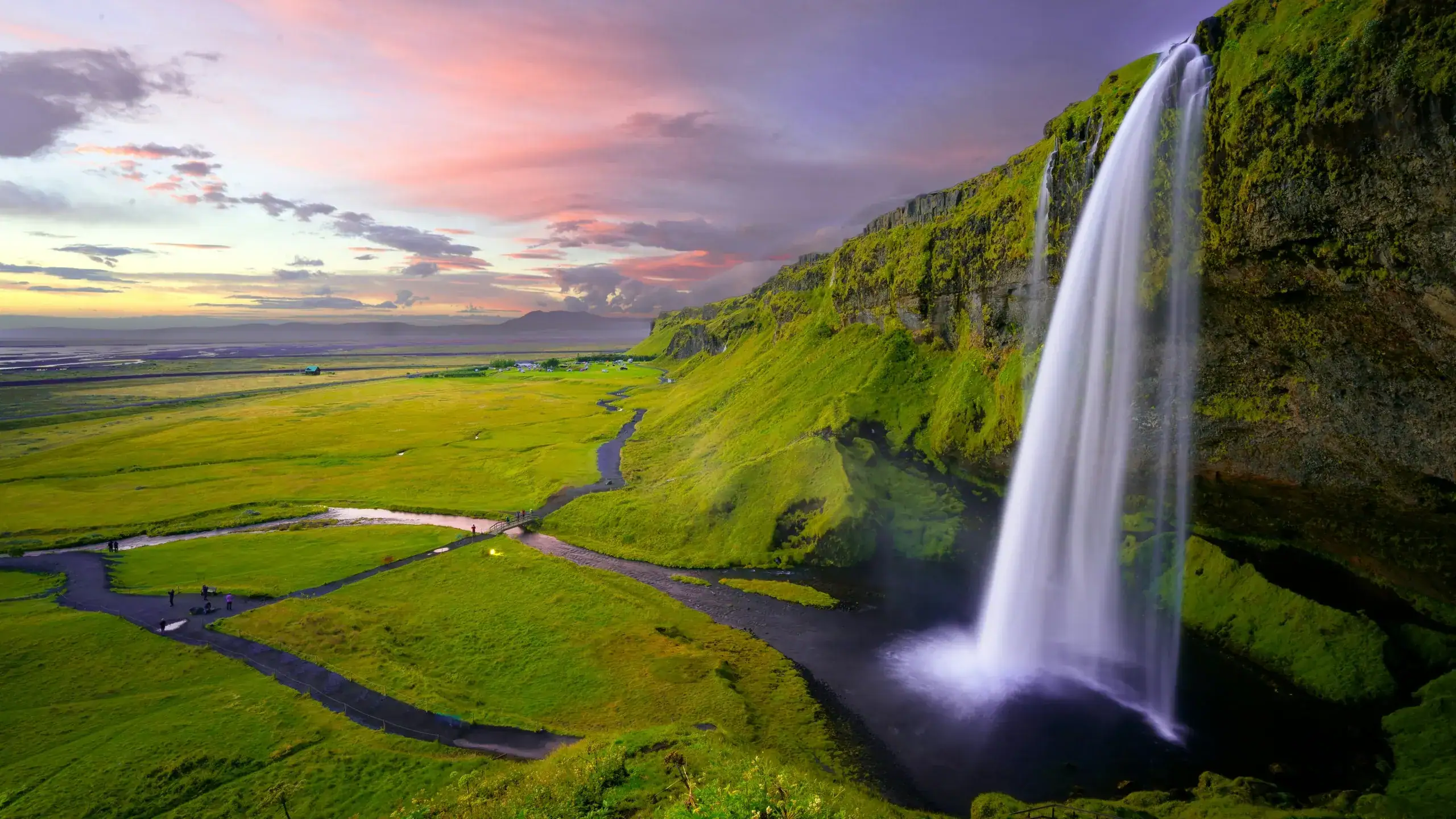
This is the stretch that sells Iceland to the world, and it earns it. Leave Selfoss early and drive Route 1 east. Within 90 minutes you hit Seljalandsfoss, the waterfall you can walk behind — bring a full waterproof layer because the path is a continuous shower. Ten minutes further, Skógafoss is the wider, more powerful alternative: 60 metres of white thunder dropping into a flat gravel plain. Both are free, both are striking, and both are packed by 11am in summer. My advice: arrive before 9am or after 7pm — the midnight sun means the light is beautiful at hours that would be dark anywhere else. Continue east to Vík and stop at Reynisfjara black sand beach. The basalt columns, the Reynisdrangar sea stacks, and the ink-black sand are extraordinary — but the sneaker waves here are genuinely dangerous. People have died. Stay well back from the waterline, watch the wave patterns for five minutes before approaching, and do not turn your back to the ocean. This is not the warning you ignore. Day 4 pushes further east to the crown jewel: Jökulsárlón glacier lagoon. Icebergs calved from Breiðamerkurjökull glacier float in a lagoon that empties into the Atlantic through a narrow channel. The ice is blue, white, and sometimes volcanic-ash black. A zodiac boat tour (6,500 ISK / $46) gets you among the icebergs; a kayak tour (12,000 ISK / $85) is more intimate and worth the premium. Across the road, Diamond Beach is where the smaller ice chunks wash up on black sand — sunrise and sunset here produce the kind of photographs that make people quit their jobs and move to Iceland. Sleep in Höfn, the lobster capital of Iceland. Humarhöfnin restaurant does a langoustine soup (2,800 ISK / $20) that is arguably the best single dish on the Ring Road. A guesthouse in Höfn runs $130–180/night in summer.
Editor's tips
- Skógafoss has a staircase to the top — 527 steps for a view that is worth every one of them
- Reynisfjara: do NOT walk close to the waves — sneaker waves reach 20+ metres up the beach without warning
- Jökulsárlón zodiac tours sell out by midday in July — book online 24 hours ahead
Days 5–6: the East Fjords — Iceland's best-kept secret
Most seven-day itineraries treat the east as a driving day — a stretch of road between the south coast highlights and the north. This is a mistake. The East Fjords are where Iceland stops performing for tourists and starts just being a country: fishing villages wedged between mountains and sea, roads that cling to fjord edges with views that rival Norway's, and a near-total absence of tour buses. From Höfn, Route 1 climbs over the Almannaskarð pass (watch for sudden fog) and descends into Djúpivogur, a village of 450 people with a harbour full of fishing boats and a surprisingly good café (Langabúð, coffee and cake for 1,200 ISK / $8.50). Continue north through a succession of fjords — Berufjörður, Reyðarfjörður, Fáskrúðsfjörður — each one a valley carved by glaciers and filled with Atlantic light. The destination is Seyðisfjörður, a town of 700 people at the end of a winding mountain road that drops dramatically into a fjord. The town itself is painted in Scandinavian pastels, has a blue church that photographs like a movie set, and hosts a thriving artist community. The road in (Route 93) is among the remarkable drives in Iceland — 27km of switchbacks through a mountain pass with waterfalls on both sides. In summer, the Smyril Line ferry connects Seyðisfjörður to the Faroe Islands and Denmark, giving the town an outsized international character. Base yourself in Egilsstaðir (the east's largest town at 2,500 people) for practical reasons — it has the region's only proper supermarket (Krónan, where you should stock up), a fuel station, and guesthouses in the $100–150/night range. Egilsstaðir sits on Lagarfljót lake, which has its own Loch Ness-style monster legend and, more usefully, a beautiful forested walking trail along its eastern shore (Hallormsstaðaskógur, Iceland's largest forest — which, given Iceland's deforestation history, means it's still smaller than a London park).
Editor's tips
- The drive from Höfn to Egilsstaðir is 250km and takes 3.5–4 hours — don't rush it, the fjord views deserve stops
- Seyðisfjörður's blue church (Bláa kirkjan) is the most photographed building in east Iceland — arrive early morning for no crowds
- Stock up on groceries at Krónan in Egilsstaðir — the next well-stocked supermarket is in Akureyri, 265km away
Days 7–8: North Iceland — Mývatn, Dettifoss, Akureyri, and whale watching
The north is where the Ring Road shifts register from scenic drive to volcanic adventure. From Egilsstaðir, Route 1 crosses a highland plateau (watch for weather — this stretch can be foggy and cold even in July) and drops into the Mývatn region, a geothermal wonderland that feels like walking through a geology textbook. Mývatn itself is a shallow lake surrounded by pseudo-craters (Skútustaðir), lava formations (Dimmuborgir — a maze of twisted volcanic rock pillars), and the Námaskarð geothermal field, where mud pots bubble and steam vents hiss across a landscape of sulphur-yellow and rust-red earth. The smell is aggressive — hydrogen sulphide, the rotten-egg gas — but the visual impact is unlike anything else on the Ring Road. Budget two to three hours for the Námaskarð boardwalk. Dettifoss, Europe's most powerful waterfall, is a 30-minute detour from Route 1 on Route 862 (east bank, paved) or Route 864 (west bank, gravel but better viewpoint). The falls are 100 metres wide and drop 44 metres with a thundering force you feel in your chest from 200 metres away. The spray creates a permanent rainbow on sunny days. This is not a pretty waterfall — it is a terrifying one, and that is the point. From Mývatn, drive to Akureyri, Iceland's second city (population 19,000) and the capital of the north. It has a genuinely characterful downtown, a botanical garden that is free and surprisingly green, and the best swimming pool in Iceland (Sundlaug Akureyrar, 1,100 ISK / $7.80 — heated outdoor pool with hot tubs and a water slide, locals use it daily). The Akureyri Christmas shop is open year-round and is aggressively festive. Day 8: drive 45 minutes to Húsavík for whale watching. Húsavík is the whale-watching capital of Europe, with a 97–99% sighting rate for humpbacks in summer. North Sailing runs traditional oak boat tours (12,000 ISK / $85 for 3 hours) and carbon-neutral electric boat tours (14,000 ISK / $100). I have done both — the electric boats are quieter, which means you hear the whales breathing before you see them. Book the morning departure: calmer seas and better light. The Mývatn Nature Baths (5,500 ISK / $39) are the north's answer to the Blue Lagoon — same milky-blue geothermal water, a fraction of the crowds, and a view of the volcanic landscape instead of a parking lot. Go in the evening: the light at 10pm in June is extraordinary.
Editor's tips
- Dettifoss east bank (Route 862) is paved and easier; west bank (Route 864) is gravel but gives a better head-on view
- Húsavík whale watching has a 97–99% sighting rate June–August — book the 9am or 10am departure for calmest seas
- Mývatn Nature Baths: go after 8pm to avoid day-trippers from Akureyri cruise ships
Days 9–10: Snæfellsnes Peninsula and the return to Reykjavík
From Akureyri, Route 1 heads west through the Hrútafjörður valley — a long, quieter stretch that most people use as a driving day. Embrace it: this is sheep-farming country, green and rolling, with fewer stops but a meditative quality that resets you after eight days of waterfalls and geothermal fields. Stop in Blönduós for fuel and a surprisingly good bakery (Hótel Blönduós café, a kleinur doughnut and coffee for 900 ISK / $6.40). Day 10 is the Snæfellsnes Peninsula, often called 'Iceland in miniature' because it compresses glaciers, lava fields, volcanic craters, coastal cliffs, and fishing villages into a 90km strip of land. The centerpiece is Snæfellsjökull, the glacier-capped stratovolcano that Jules Verne used as the entrance to the centre of the Earth. On a clear day — and clear days are not guaranteed — the glacier is visible from Reykjavík, 120km across the bay. The peninsula's hit list: Kirkjufell mountain near Grundarfjörður (Iceland's most photographed mountain, and yes, it is the one from Game of Thrones), the Arnarstapi coastal walk (2km along basalt cliffs with nesting fulmars and a natural stone bridge), Djúpalónssandur black pebble beach (four lifting stones once used to test fishermen's strength — try them), and Búðir black church (a tiny jet-black church in a lava field with a mountain backdrop). Drive the peninsula clockwise from Borgarnes, hit the highlights over 6–8 hours, and return to Reykjavík by evening for your final night. The drive from Snæfellsnes back to the capital is about 2.5 hours on Route 54 and Route 1. Use your last evening in Reykjavík for a proper dinner — Grillið (top floor of the Saga Hotel) does a tasting menu for about 18,000 ISK ($128) that showcases Icelandic lamb, Arctic char, and skyr in ways that justify the price. For something cheaper, Hlemmur Mathöll food hall has a dozen stalls ranging from ramen to Icelandic fish and chips (2,500–4,000 ISK / $18–28).
Editor's tips
- Kirkjufell is best photographed from the small bridge by Kirkjufellsfoss waterfall — arrive before 10am or after 8pm
- The Snæfellsnes loop adds 170km to your day — leave Akureyri early or overnight in Borgarnes to split the drive
- Return your rental car to Keflavík the night before your flight — morning returns during peak season involve queues
Car rental, fuel, and the F-road question
The single most important decision on a Ring Road trip is your rental car, and most people overthink it. For a summer Ring Road trip on Route 1, a compact 2WD car (Toyota Yaris, Hyundai i20, or similar) is all you need. Route 1 is paved or well-graded gravel, and the gravel stretches in the east are manageable at 60km/h in any car. A compact rental for 10 days runs $800–1,200 in peak summer through Blue Car Rental, Lotus, or Lava Car — the local Icelandic agencies are consistently $100–300 cheaper than Hertz, Europcar, or Budget for the same vehicles. The 4WD question: you need a 4WD (and specifically a vehicle marked for F-road access in the rental agreement) only if you plan to drive the Highland interior roads — Landmannalaugar, Þórsmörk, Askja. This itinerary does not require F-roads. A 4WD SUV (Dacia Duster, Suzuki Vitara) costs $1,400–2,000 for 10 days and drinks more fuel. Unless you are specifically adding a Highland detour, save the money. Fuel: gas costs approximately 350 ISK/litre ($2.50 USD). A compact car averaging 6L/100km over the 1,322km Ring Road plus detours (figure 1,800km total) will burn about 108 litres — roughly $270 / 38,000 ISK in fuel. Diesel is slightly cheaper (330 ISK/litre) and diesel rentals get better mileage. Fill up whenever you see a station in the east and north — gaps between stations can reach 100km. Insurance: Iceland's mandatory third-party insurance is included in every rental. The add-ons that matter are CDW (collision damage waiver, usually included in base price), SCDW (super CDW, reduces your excess to zero, about $15–20/day), and gravel protection (protects against windshield chips from gravel roads, about $10/day). Sand and ash protection (SAAP) is relevant only for south coast desert stretches and highland roads — worth $8/day if you are driving near Mýrdalssandur or Skeiðarársandur. Skip the personal accident insurance if you have travel insurance from home.
Editor's tips
- Icelandic rental agencies (Blue Car, Lotus, Lava) are $100–300 cheaper than international brands for identical vehicles
- Never drive off-road in Iceland — it is illegal, damages fragile moss that takes decades to regrow, and fines start at 500,000 ISK ($3,550)
- Fuel stations in the east accept credit cards at unmanned pumps — make sure your card has a PIN that works abroad
Budget breakdown: yes, Iceland is expensive — here's the honest maths
Iceland's reputation as prohibitively expensive is earned but overstated. It is not cheap. It is also not as apocalyptic as the clickbait '100 dollars a day' horror stories suggest, provided you plan around a few principles. Accommodation ($100–200/night for two): guesthouses and farm stays along Route 1 run $100–160/night for a double room with shared bathroom. Private bathrooms push it to $140–200. Hostels with shared dorms exist in larger towns (Reykjavík, Akureyri, Höfn) for $40–60/bed. Airbnb is competitive in the east and north but pricier than guesthouses on the south coast. Camping is the budget play: sites cost 1,500–2,500 ISK ($11–18) per person per night, and Iceland's campsite infrastructure is excellent — hot showers, cooking shelters, and usually a washing machine. Food ($40–80/day): a restaurant dinner for two with drinks will cost 8,000–15,000 ISK ($57–107). That adds up fast over ten days. The move is to alternate: cook your own breakfast and lunch from supermarket supplies (a loaf of bread, cheese, smoked lamb, and fruit runs about 3,000 ISK / $21 for two days' worth), eat one proper restaurant meal per day, and supplement with Iceland's surprisingly good gas station hot dogs (490–590 ISK / $3.50–4.20) and bakery items. Bonus (Bónus) and Krónan supermarkets are 30–40% cheaper than Hagkaup or 10-11 convenience stores. Activities: many of Iceland's best experiences are free (waterfalls, beaches, hiking). Paid highlights: whale watching Húsavík (12,000 ISK / $85), Jökulsárlón boat tour (6,500 ISK / $46), Mývatn Nature Baths (5,500 ISK / $39), Secret Lagoon (3,200 ISK / $23), snorkelling Silfra (24,000 ISK / $170). Budget 30,000–50,000 ISK ($215–355) per person for activities over ten days. Realistic daily total per person: $200–350/day, depending on accommodation tier and restaurant frequency. A couple sharing a rental car and guesthouse rooms can do the Ring Road for $4,000–5,500 per person for ten days, excluding flights. That includes car, fuel, accommodation, food, and 3–4 paid activities.
What to pack and when to go
Iceland has one packing rule: layers, not weight. The weather can swing 15°C in a single day, and horizontal rain is not a metaphor — it is a regular occurrence even in July. The non-negotiable items: a waterproof shell jacket (Gore-Tex or equivalent, not a fashion raincoat), waterproof hiking shoes (you will stand in spray at waterfalls and walk on wet grass daily), a fleece or down mid-layer, a swimsuit (you will use it more than you expect — hot pots, pools, lagoons), and sunglasses (the midnight sun is relentless and the reflected light off glaciers and water is blinding). When to go is a genuine choice with real trade-offs. June through August is the classic window: midnight sun (the sun barely sets from mid-May to late July), all roads open, puffins nesting, whale watching at peak, the Highlands accessible. The trade-offs are peak prices, crowded south coast stops, and zero chance of northern lights. September is my personal favourite month for Iceland: the crowds thin dramatically after the first week, prices drop 20–30%, the landscape turns golden and russet, the first aurora appears by mid-September, and the roads are still open (though the weather becomes less predictable). The F-roads close in late September or October depending on snowfall. Winter Ring Road driving (November–March): I need to be direct about this. It is dangerous. Route 1 in northern Iceland closes regularly due to snow, ice, and zero-visibility storms. Mountain passes become impassable. Daylight in December is 4–5 hours. If you want to drive the Ring Road in winter you need a serious 4WD, studded tyres, experience driving on ice, and the flexibility to wait out storms in a guesthouse for a day or two. The south coast and Golden Circle are doable in winter with a 4WD and caution. The full Ring Road in winter is an advanced trip, not a first-timer trip.
Editor's tips
- Pack a swimsuit in your carry-on — if your luggage is delayed, you can still hit a hot pot on day one
- September northern lights: download the Vedur.is aurora forecast app — it gives a 0-9 Kp index and cloud cover map
- Winter travellers: check road.is every morning before driving — it shows real-time road conditions and closures
Blue Lagoon vs Sky Lagoon vs secret hot pots — the honest comparison
Every Iceland itinerary includes a geothermal soak, but the options have diversified well beyond the Blue Lagoon, and the honest ranking may surprise you. The Blue Lagoon (Comfort package 12,990 ISK / $92, Premium 16,990 ISK / $121): it is iconic, it is photogenic, and it is — I'll say it — overrated for the price. The water is milky blue and warm, the silica mud mask is fun, and the in-water bar is a nice touch. But the facility is enormous, crowded (timed entry helps but doesn't solve it), and the experience feels more like a luxury water park than a natural hot spring. The drive from Keflavík to the Blue Lagoon is 20 minutes, making it convenient as a first-day or last-day stop. If you have never been, go once. If you have been, you don't need to go again. Sky Lagoon (Sér package 11,990 ISK / $85, Saman package 8,490 ISK / $60): opened in 2021 on the outskirts of Reykjavík, and in my opinion it is the better experience. The infinity-edge pool faces the open Atlantic, the seven-step spa ritual (warm pool, cold plunge, sauna, fog room, scrub, steam, second warm pool) is genuinely relaxing, and the crowd density is lower by design. The Saman package (no private changing room, no scrub) is fine — the pool and sauna are the same. Secret hot pots: Iceland has dozens of natural hot springs along the Ring Road that are free and uncrowded. Seljavallalaug (south coast, a 20-minute hike to a pool built into a mountainside in 1923) is legendary but the water is lukewarm and algae-heavy. Hellulaug (Westfjords, a stone-lined pool on the beach) is remarkable but off the Ring Road route. Reykjadalur (a 45-minute hike from Hveragerði to a hot river in a steam valley) is the best free soak near Reykjavík — bring a towel and a change of clothes. The Mývatn Nature Baths (5,500 ISK / $39) are the best value paid option: same milky-blue water as the Blue Lagoon, a fraction of the price, and set against a volcanic landscape that makes the Blue Lagoon's lava field look like a car park. My ranking: Mývatn Nature Baths for value, Sky Lagoon for experience, Reykjadalur for adventure, Blue Lagoon for the Instagram shot you only need once.
Book Your Iceland Rental Car
Compare prices from Icelandic rental agencies — typically $100–300 cheaper than international brands.
Find Flights to Reykjavík
Flexible-date search across airlines serving Keflavík (KEF).
Book Iceland Tours & Activities
Whale watching, glacier hikes, hot springs, and northern lights tours.
Frequently asked questions
You can, but you will either skip the East Fjords and Snæfellsnes entirely or drive 6–8 hours per day with minimal stops. Ten days is the minimum for a trip that does not feel like a commute. If you only have 7 days, do the south coast and north (skip the east) or south coast and Snæfellsnes (skip the north).
The Ring Road is not a bucket-list checkbox — it is a conversation with a landscape that has been shaping itself for 20 million years and has absolutely no interest in making things easy for you. The wind will be horizontal. The rain will find every gap in your jacket. A waterfall will appear around a bend with no warning sign and no car park and no other human in sight, and you will stand there with water thundering into a canyon and think: this is why people drive this road. Ten days is enough to do it properly. Not luxuriously, not exhaustively, but properly — with time to stop when something catches your eye, to soak in a hot pot at midnight, to eat lamb soup in a farmhouse kitchen, and to drive a stretch of road where the only other moving thing is a horse standing in a field of lupins. Book the car, pack the rain shell, download the offline maps, and go. Iceland does not wait for perfect conditions, and neither should you.
Get there
Flights
One search across 700+ airlines — find the real lowest fare for your dates.
Search flightsWhere to stay
Hotels
Browse verified hotels and stays — instant confirmation, secure booking.
Book on KKdayThings to do
Activities
Tours, attractions, and day trips — free cancellation on most experiences.
Book on KlookTours & Experiences
Book the experiences, not just the trip
Skip-the-line tickets, guided tours, and day trips — free cancellation on most, confirmed instantly.
About the author
Marcus Chen
Hotels & Deals Editor · Based in New York City
Marcus reviews hotels for a living — and has slept in over 400 of them. Before TravelBuzzy, he ran the hotel desk at a major loyalty publication and consulted for two boutique hotel groups. He covers the Americas, Japan, and luxury travel.
Read next — destinations
More from The Edit
When to Go
Best Time to Travel to Iceland — A Season-by-Season Honest Guide
Puffins, aurora, midnight sun, and the Laugavegur trek don't share a season. Iceland in summer and Iceland in winter are two different countries — here's which one you're actually booking.
11 min read
Itineraries
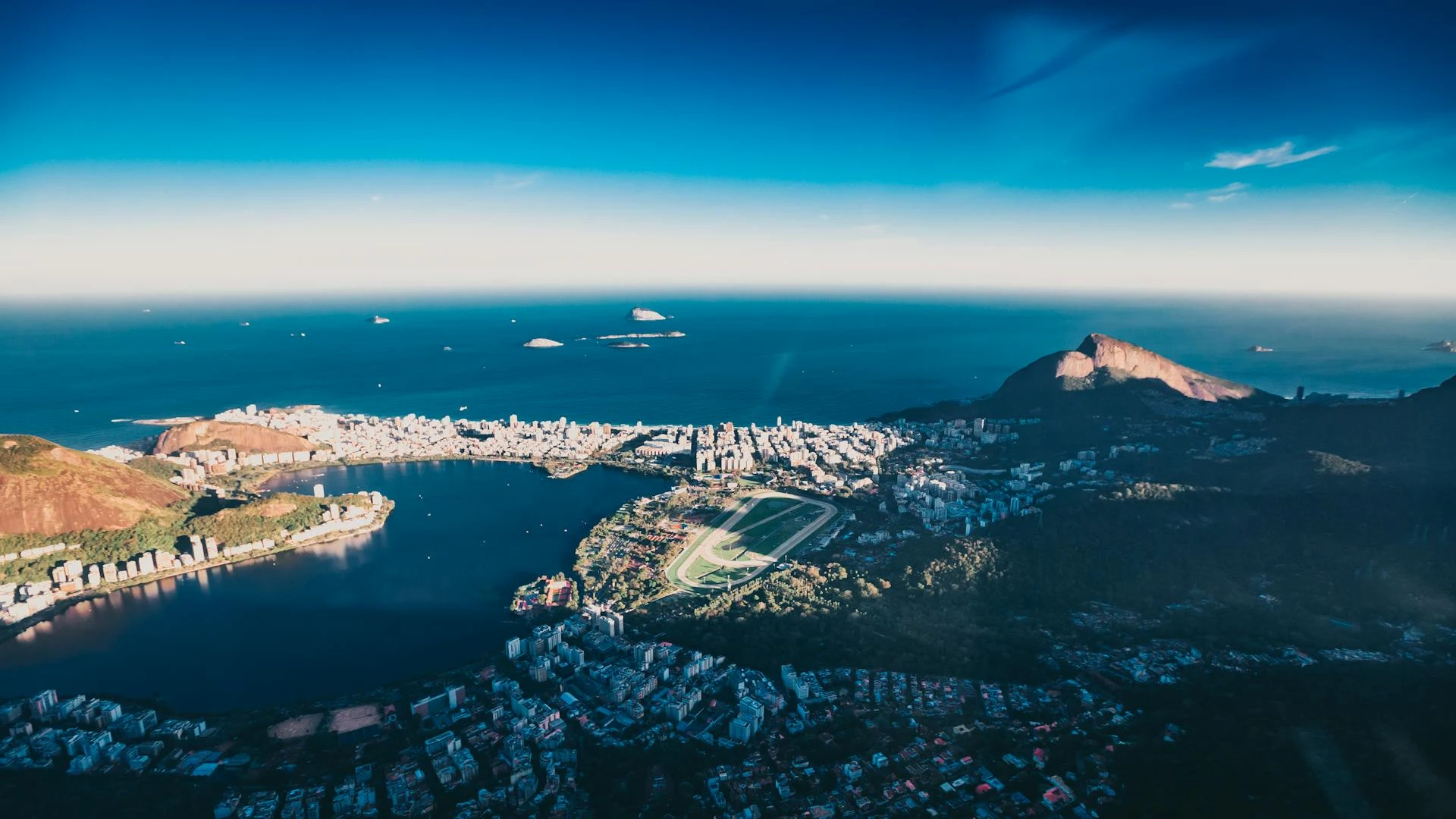
5 Days in Rio de Janeiro: The Honest Itinerary (Christ the Redeemer, Beaches, and Safety Reality)
Rio de Janeiro is one of the world's genuinely beautiful cities — mountain, forest, ocean, and urban density combined in a way no other place quite manages. It also has a safety reputation that requires a specific approach rather than either ignorance or paranoia.
13 min read