

Best Digital Nomad Destinations 2026 — Where to Live and Work Abroad
I've worked from eight countries in the past three years, and I can tell you with certainty that the Instagram version of digital nomad life leaves out the visa headaches, the loneliness, and the $47 coworking coffee.
There's a version of the digital nomad article that lists twelve cities with pretty photos and surface-level cost estimates. This isn't that article. I've spent the last three years working remotely from Lisbon, Canggu, Medellin, Chiang Mai, Tbilisi, Mexico City, Split, and Buenos Aires. Here's what each city actually costs in 2026, what the visa situation really looks like, and whether I'd go back.
Planning this trip?
Find flights now
Compare prices across 700+ airlines and OTAs in one search — find the real lowest fare without the inflated middleman markup.
Search flightsNeed a place to stay?
Search hotels
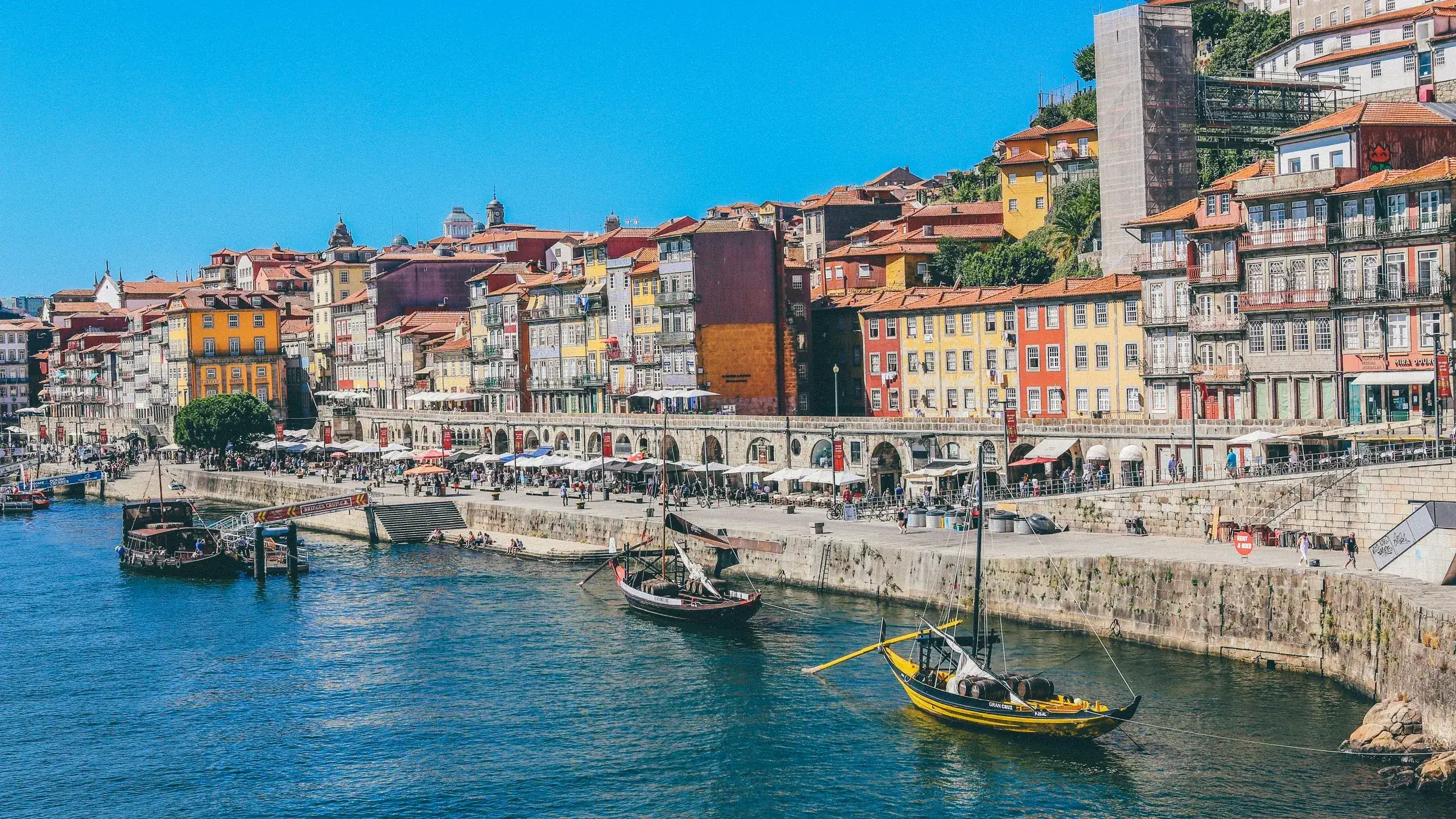
Lisbon, Portugal — the default for a reason
More coworking spaces per capita than any European capital. Internet 200-500 Mbps. D8 Digital Nomad Visa requires €3,510/month income. Apartments in Principe Real: €1,200-1,800/month. Coworking €150-250/month. Monthly all-in: €1,800-2,800. Timezone UTC/UTC+1 — ideal for US East Coast and Central Europe teams.
Editor's tips
- Apply for D8 visa from home country
- Avoid Airbnb for 30+ day stays — Facebook groups have direct listings 20-30% cheaper
- Tax alert: 183+ days triggers tax residency
Bali (Canggu) — the nomad village that works
Dojo Bali coworking $150-180/month, Outpost $180-220. Furnished villa with pool $500-900/month. Warung meals $1.50-3, cafe meals $8-14. Monthly all-in: $1,200-2,000. B211A visa 60 days extendable to 180, costs $300-500 through agent. Timezone UTC+8 — impossible for US real-time, manageable for Europe.
Editor's tips
- Get B211A through licensed agent
- Rent a scooter $50-70/month — non-negotiable for Canggu
Medellin, Colombia — the mid-budget sweet spot
El Poblado apartments $600-900/month. Selina coworking $180/month. Digital Nomad Visa (Visa V) requires $3,000/month income, 2-year stay, fully online. Monthly budget: $1,400-2,200. Almuerzo lunch $3-4. Timezone UTC-5 — perfect for US teams. City of Eternal Spring: 22-28°C year-round.
Editor's tips
- Learn basic Spanish before arriving
- Laureles offers 20-30% lower rent than Poblado
Chiang Mai — the budget king, still
Studio $300-500/month. Punspace coworking $100-130/month. Pad thai $1.10-1.70. Monthly all-in: $800-1,500. DTV visa 180 days requires $4,750/month income. Burning season Feb-April: hazardous air quality.
Editor's tips
- Avoid Feb-April burning season
- Rent condos through Facebook groups — 30-50% cheaper than Airbnb
Tbilisi, Georgia — the $600/month wildcard
Visa-free 365 days for 95 countries. Apartments $350-550/month. Impact Hub coworking $80-120/month. Khachapuri lunch with wine $5-8. Monthly all-in: $400-600 frugal, $800-1,200 comfortable. Flat 1% tax for qualifying freelancers.
Editor's tips
- No visa required — just show up
- Learn Georgian alphabet (33 letters, 2-3 hours)
Mexico City, Split, and Buenos Aires
Mexico City: Roma Norte $700-1,200/month, tacos $0.50-1, monthly $1,400-2,200. Split: Digital Nomad Visa, €800-1,200/month rent, €1,500-2,200 total. Buenos Aires: blue dollar rate makes it $400-700/month rent, $800-1,400 total. UTC-3 overlaps US East Coast.
Editor's tips
- Mexico City: register with embassy
- Buenos Aires: bring USD cash, exchange at cuevas
The things nobody writes about: taxes, insurance, loneliness
183-day rule is a simplification. Budget $500-1,500/year for tax advice. SafetyWing $45/month, Genki $60-80/month. Loneliness is real — weeks 3-6 in a new city are often isolating. Join a gym, take a language class, show up at coworking events.
How to choose a base by work pattern
The best nomad destination depends less on lists and more on how you work. Time zone comes first. If your clients or team are in Europe, a base in Southeast Asia means late evenings or early mornings, and that shapes your social life more than any cost saving. Internet reliability is the second filter, since a cheap city with unstable connections quickly becomes expensive in lost work. Climate and daily rhythm matter for people who plan to stay months, not weeks. Then consider community, because some cities have established nomad networks while others leave you on your own. Finally, weigh healthcare access, visa options and how easy it is to leave. Once you rank these factors, the popular names sort themselves. Someone with calls in the American afternoon may prefer Latin America, while a freelancer who values quiet focus might choose a smaller city with fewer distractions. Choose a base for your work first and your lifestyle second.
Testing a city before committing to it
Photographs and social media rarely tell you whether a city suits long-term work. The safest approach is a trial month before any long lease. Book short accommodation, ideally with flexible cancellation, and use the first week to test real conditions. Check the Wi-Fi at the flat, try a coworking day pass, and take note of how noisy the neighbourhood is at night. Find a doctor or clinic before you need one. Learn how the local transport works, and how far you are from groceries, a gym and a place to meet people. Keep your visa position clear, including how long you can stay and what happens if you want to extend. If the trial goes well, negotiate a longer stay in person, where landlords often offer better rates than online listings. If it does not, you have lost little, and you have learned something more useful than any ranking could tell you.
Compare Flights to Your Next Base
Search across carriers for nomad-friendly routes.
Monthly Rentals and Hotels
Many nomad-friendly properties offer 30-day discounts.
Coworking and Local Experiences
From coworking day passes to city tours.
Digital nomad visas in 2026: which are worth applying for
Seventeen countries now offer formal digital nomad or remote work visas. The ones with practical value in 2026: Portugal's D8 Passive Income Visa (requires proof of €760/month income, €500 fee, good for 1 year renewable); Thailand's Destination Thailand Visa (DTV) launched in 2024 — 180-day stays, $150 fee, requires proof of employment; Costa Rica's Rentista/Digital Nomad visa (requires $3,000/month income proof, strong for families); Georgia's Remotely from Georgia programme (90-day stays, no income proof required, easiest application). The ones to skip: Indonesia's new nomad visa is heavily restricted to Bali and requires a local sponsor; Italy's Digital Nomad Visa launched in 2024 but requires Italian language documents and takes 3–4 months to process. For most nomads under 90-day stays, a tourist visa is still simpler — the nomad visa only matters when you want to stay 3–12 months legally, access banking, or have tax clarity.
Banking and money as a nomad: the practical setup
Two accounts cover 95% of digital nomad money situations. A Wise account (multi-currency, free to open) handles receiving payments in your employer's currency and converting at mid-market rate. A Revolut account (free tier works) handles daily spending abroad at 0% FX on weekdays up to the monthly limit. Keep a home-country bank account active for direct debits and as a fallback — closing it causes problems with pension contributions, tax returns, and the inevitable "we need to verify your identity" letters. For cash: withdraw locally from ATMs using Wise or Revolut (both use interbank rates), choose "decline conversion" when offered, and withdraw in amounts above the equivalent of $100 to minimise per-transaction fees. The one thing most nomads underestimate: tax. Remote work in a foreign country for more than 183 days per year can create tax residency in that country. Get basic tax advice before staying anywhere longer than 6 months.
Frequently asked questions
Tbilisi ($400-600/month) and Chiang Mai ($800-1,500/month). Buenos Aires comparable at $800-1,400 but with inflation volatility.
The best digital nomad destination matches your timezone, budget, and tolerance for discomfort. Starting out: Lisbon or Chiang Mai. Experienced and want value: Tbilisi and Buenos Aires. Full nomad-village experience: Canggu. Sort out taxes before you leave, carry health insurance, don't underestimate community-building.
Get there
Flights
One search across 700+ airlines — find the real lowest fare for your dates.
Search flightsWhere to stay
Hotels
Browse verified hotels and stays — instant confirmation, secure booking.
Book on KKdayThings to do
Activities
Tours, attractions, and day trips — free cancellation on most experiences.
Book on KlookTours & Experiences
Book the experiences, not just the trip
Skip-the-line tickets, guided tours, and day trips — free cancellation on most, confirmed instantly.
About the author
Camille Laurent
Senior Travel Editor · Based in Lisbon · Bali
Camille has spent the last 9 years living in or reporting from over 60 countries. Former contributor to Condé Nast Traveler and Monocle, she focuses on Southeast Asia, Mediterranean Europe, and the Middle East. Currently based between Lisbon and Bali.
Read next — destinations


More from The Edit
Travel Guides
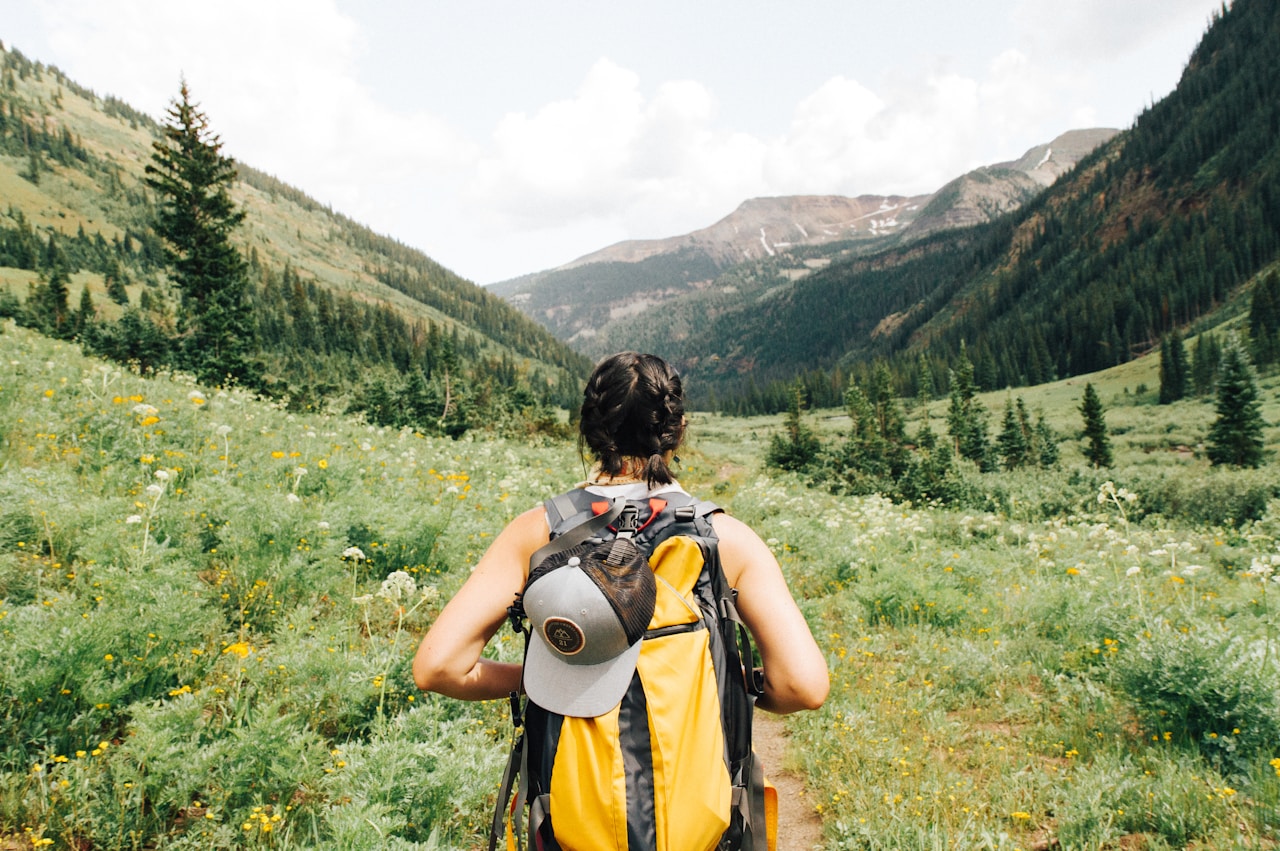
Solo Travel Tips: The Complete Beginner's Guide
Everything you actually need to know before you go alone — from a traveller who's done it wrong first.
10 min read
Travel Guides
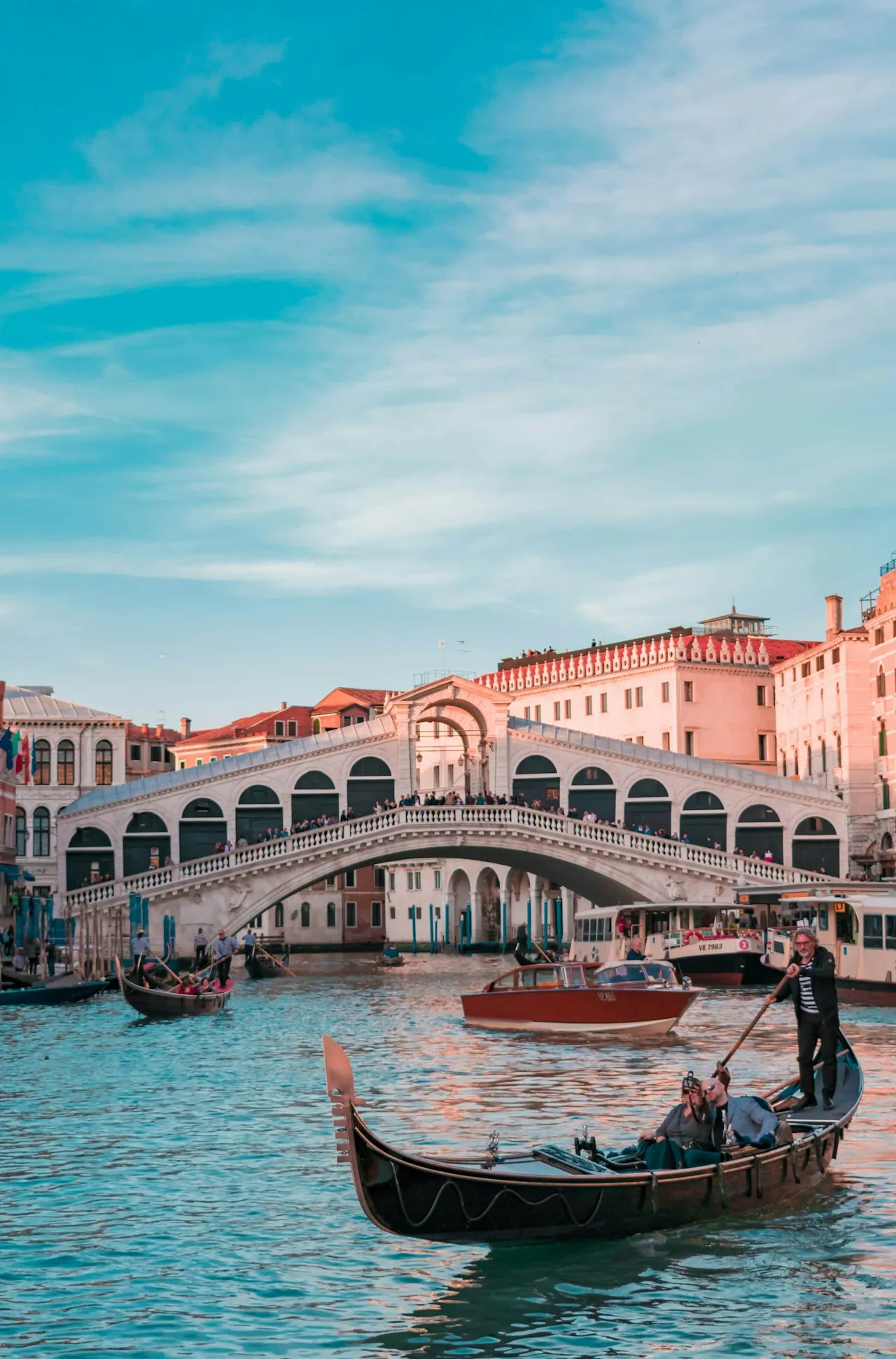
Slow Travel Italy — A Month-Long Guide to Living Like a Local
The fastest way to misunderstand Italy is to see six cities in two weeks. I spent a month in Puglia with a rented apartment, a used bicycle, and no museum tickets — and came back with a country I hadn't known existed.
14 min read