
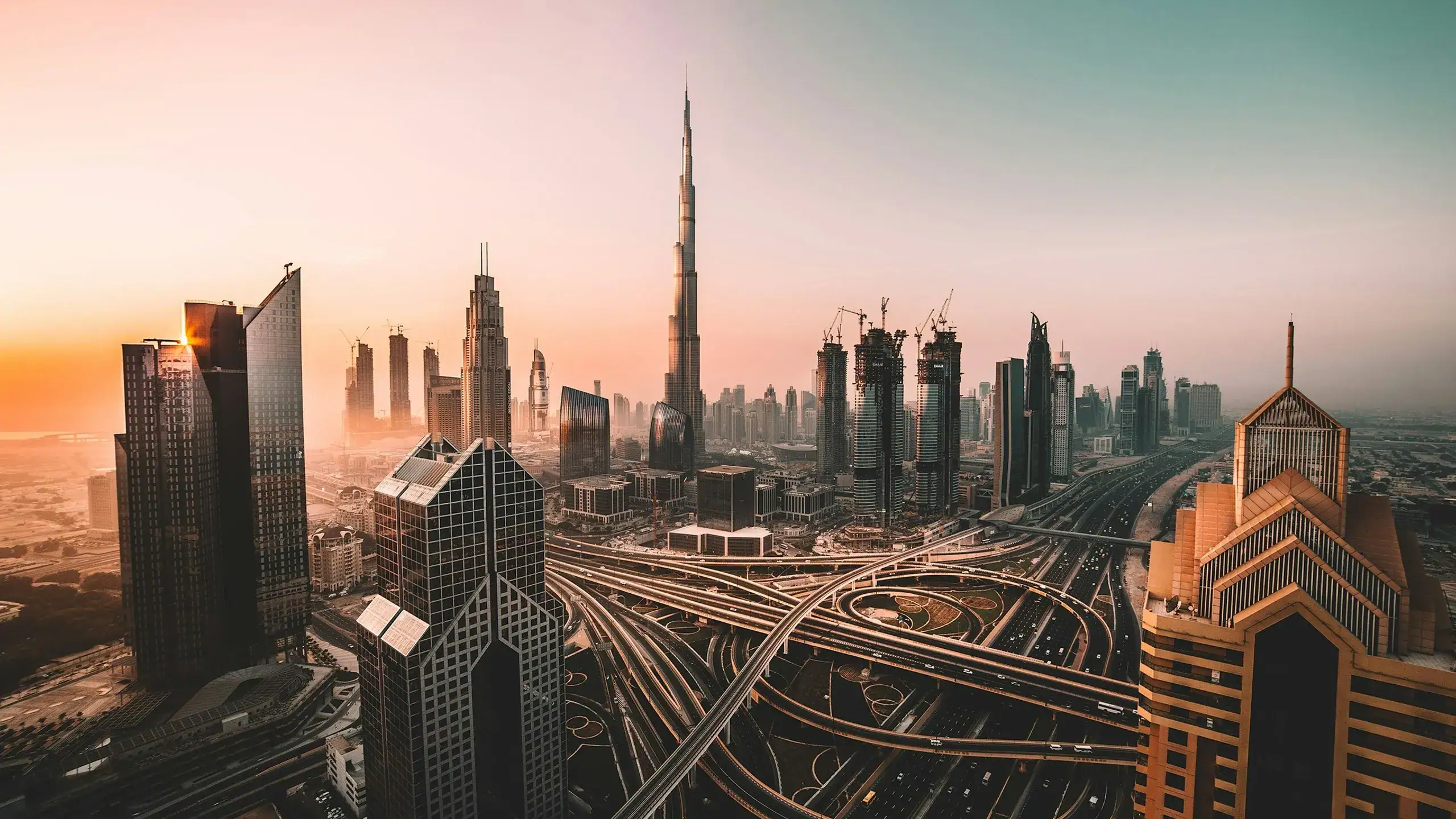
4 Days in Dubai: Beyond the Brochure
Dubai is easier to understand in person than on paper. The superlatives are real — the buildings are actually that tall, the malls are actually that large — but the interesting parts of the city exist alongside rather than inside them.
Dubai is the world's most efficient manufacturer of superlatives and the city most people form strong opinions about without visiting. The honest assessment: it's more interesting than its critics claim, less profound than its boosters assert, and more layered than the Burj Khalifa-and-desert-safari itinerary that most travel content produces. Four days is enough to understand the city that exists behind the spectacle — the Old Dubai of Al Fahidi and the Creek, the contemporary art district of Alserkal Avenue, and the genuinely good restaurant scene that has emerged from the intersection of 200 nationalities choosing to live in the same place. Two guides worth reading alongside this one: 5 Days in Santorini — A Realistic Itinerary and 7 Days in the Maldives.
Planning this trip?
Find flights now
Compare prices across 700+ airlines and OTAs in one search — find the real lowest fare without the inflated middleman markup.
Search flightsNeed a place to stay?
Search hotels
When to go and what to expect
November to March is the only viable window for Dubai tourism — temperatures are 20–28—C, outdoor activities are possible, and the city's rooftop and beach culture operates at full capacity. April to October is genuinely dangerous for outdoor exertion (40–50—C in summer), with the hotel industry raising air-conditioning to maximum and everyone moving between air-conditioned spaces. The city doesn't slow in summer — it just moves indoors. Dubai's cultural calendar peaks in March (Art Dubai, the Emirates Literature Festival) and November (the Dubai Rugby Sevens, which is really a massive outdoor party with rugby attached).
Day 1 — Old Dubai: the Creek, spice souk, Al Fahidi
Old Dubai is the antidote to the Burj Khalifa narrative — a 19th-century trading port that operated on dhow boats, pearl diving, and the spice trade, and whose physical fabric is largely preserved in the Al Fahidi Historical Neighbourhood and the souks on both banks of the Creek. Start at the Dubai Museum in Al Fahidi Fort (AED3, the oldest building in Dubai, good context-setting for the morning). Walk through the Al Fahidi wind-tower neighbourhood — the traditional Emirati architecture of carved wooden lattice screens and the world's first passive cooling system is exactly as atmospheric as photographs suggest. Cross to Deira by abra (wooden water taxi, AED1) for the Gold Souk (250 shops in an air-conditioned market — the largest concentration of gold retail in the world) and the Spice Souk. Lunch at Arabian Tea House in Al Fahidi — the most photographed traditional restaurant in Dubai, deservedly.
Editor's tips
- The abra water taxis across the Creek run 24 hours and cost AED1 per person — the most authentic and cheapest transport in the city
- Friday and Saturday are the UAE weekend — government offices and souks may have different hours
- Dress modestly when visiting the souks and Old Dubai — the neighbourhood has a resident Emirati and South Asian community
Day 2 — New Dubai: Burj Khalifa, Dubai Mall, sunset
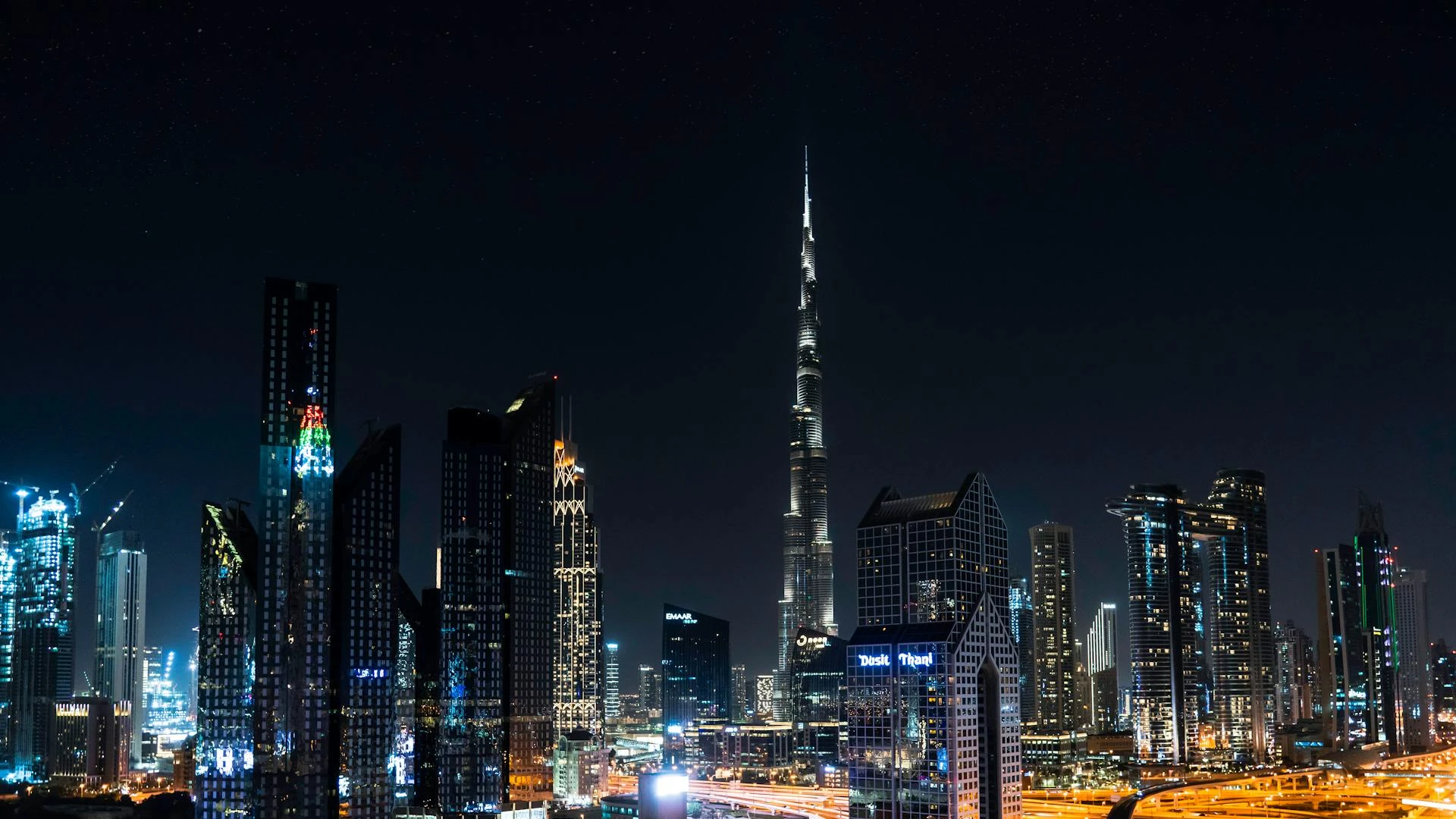
The Burj Khalifa (828m, the world's tallest building) is viewed most effectively from two positions: from the ground level around the Dubai Fountain (the fountain show runs every 30 minutes from 6pm — free from the waterfront) and from the At the Top observation deck on level 124 or 148 (book 124 for AED149; level 148 is AED350 but includes champagne). The Dubai Mall is simultaneously the world's largest mall (by area) and a legitimate tourist attraction — the Dubai Aquarium (AED130 for walk-through tunnel) and the Dubai Ice Rink are the best non-retail features. Skip the mall shops and find lunch at Ravi Restaurant in Satwa — a 50-year-old Pakistani institution that serves the best biryani in the city at AED20 for a full portion. Afternoon: the Museum of the Future (AED149, opened 2022, the most architecturally significant building in the Middle East and a genuinely interesting experience about emerging technology).
Day 3 — Alserkal Avenue and the desert
Alserkal Avenue in the Al Quoz industrial area is Dubai's contemporary art district — 60+ galleries, project spaces, and creative offices in repurposed warehouses. The Carbon 12, Gallery Isabelle Van Den Eynde, and Custot Gallery are the most important commercial spaces. This is the version of Dubai that most tourists miss entirely. Morning here, then: the desert. The desert safari packages from Dubai range from AED200 (basic dune bashing and barbecue) to AED1,000+ (private 4x4 with sunset dinner). The mid-range sweet spot is the evening safari: dune bashing at sunset, camel ride, falconry demonstration, and a BBQ dinner under the stars with Bedouin entertainment. Book through a reputable operator (Arabian Adventures or Platinum Heritage for the ethical options).
Day 4 — Beach, brunch, and the Jumeirah Mosque
Friday brunch is the Dubai social institution — a tradition inherited from the expat community and now a city-wide ritual. Most five-star hotels run the two- or three-hour champagne brunch from 12:30pm€4pm at AED300–600 per person. The Atlantis the Palm Sunday Brunch and the Jumeirah Beach Hotel Friday Brunch are the most established. Morning before brunch: the Jumeirah Mosque (one of the few mosques in the UAE that actively welcomes non-Muslim visitors — free guided tours at 10am Tuesday to Sunday, dress code strictly observed). The Kite Beach boardwalk is the best public beach in Dubai — free, full lifeguard coverage, and the best view of the Burj Al Arab from the water. Dubai Marina Walk in the evening for the marina boat promenade and the cluster of good independent restaurants around JBR Beach.
How to pace Dubai's distances and heat
Dubai looks compact on a map and behaves like a spread-out region, because the sights lie along a coastal strip separated by highways. Group each day by area instead of by wish-list, and use the metro where it fits, since traffic can turn a short taxi ride into a long one, particularly around the evening rush and on Fridays. Heat decides the rest. Between late spring and early autumn, plan outdoor time for early morning and after sunset, and treat the middle of the day as time for air-conditioned museums, malls and long lunches. In the cooler months, the same outdoor walks become pleasant at almost any hour, which is when Old Dubai on foot works best. Dress codes are relaxed in tourist areas but conservative at mosques and in public spaces, so carry a light layer to cover shoulders and knees. Keep one afternoon free, because the city rewards a slower pace, and the best moments are often a creek crossing on an abra or a quiet cafe, not another attraction.
Flights and Hotels
Dubai International (DXB) is one of the world's busiest airports with direct connections globally. Book hotels in Downtown Dubai (Burj Khalifa area) or the Dubai Marina for the best access.
Desert Safaris and City Tours
Desert safari, Burj Khalifa At the Top, and Museum of the Future all benefit from advance booking — particularly during the peak November–March season.
Frequently asked questions
Four days is enough to cover Dubai's core experiences — Old Dubai, the Burj Khalifa and Downtown, the desert, and one afternoon on the beach. The city doesn't reward extended stays in the way that a historically layered city like Rome or Fez does, but four focused days show you what Dubai actually is beyond the Instagram version.
Dubai is most interesting when approached as a city rather than a checklist. The Burj Khalifa is worth one visit; the Creek abra ride is worth taking every day. The gold souk and the Alserkal Avenue galleries exist in the same city and both reveal something real about what Dubai is. Four days is enough to feel both versions.
Get there
Flights
One search across 700+ airlines — find the real lowest fare for your dates.
Search flightsWhere to stay
Hotels
Browse verified hotels and stays — instant confirmation, secure booking.
Book on KKdayThings to do
Activities
Tours, attractions, and day trips — free cancellation on most experiences.
Book on KlookTours & Experiences
Book the experiences, not just the trip
Skip-the-line tickets, guided tours, and day trips — free cancellation on most, confirmed instantly.
About the author
Marcus Chen
Hotels & Deals Editor · Based in New York City
Marcus reviews hotels for a living — and has slept in over 400 of them. Before TravelBuzzy, he ran the hotel desk at a major loyalty publication and consulted for two boutique hotel groups. He covers the Americas, Japan, and luxury travel.
Read next — destinations
More from The Edit
Itineraries
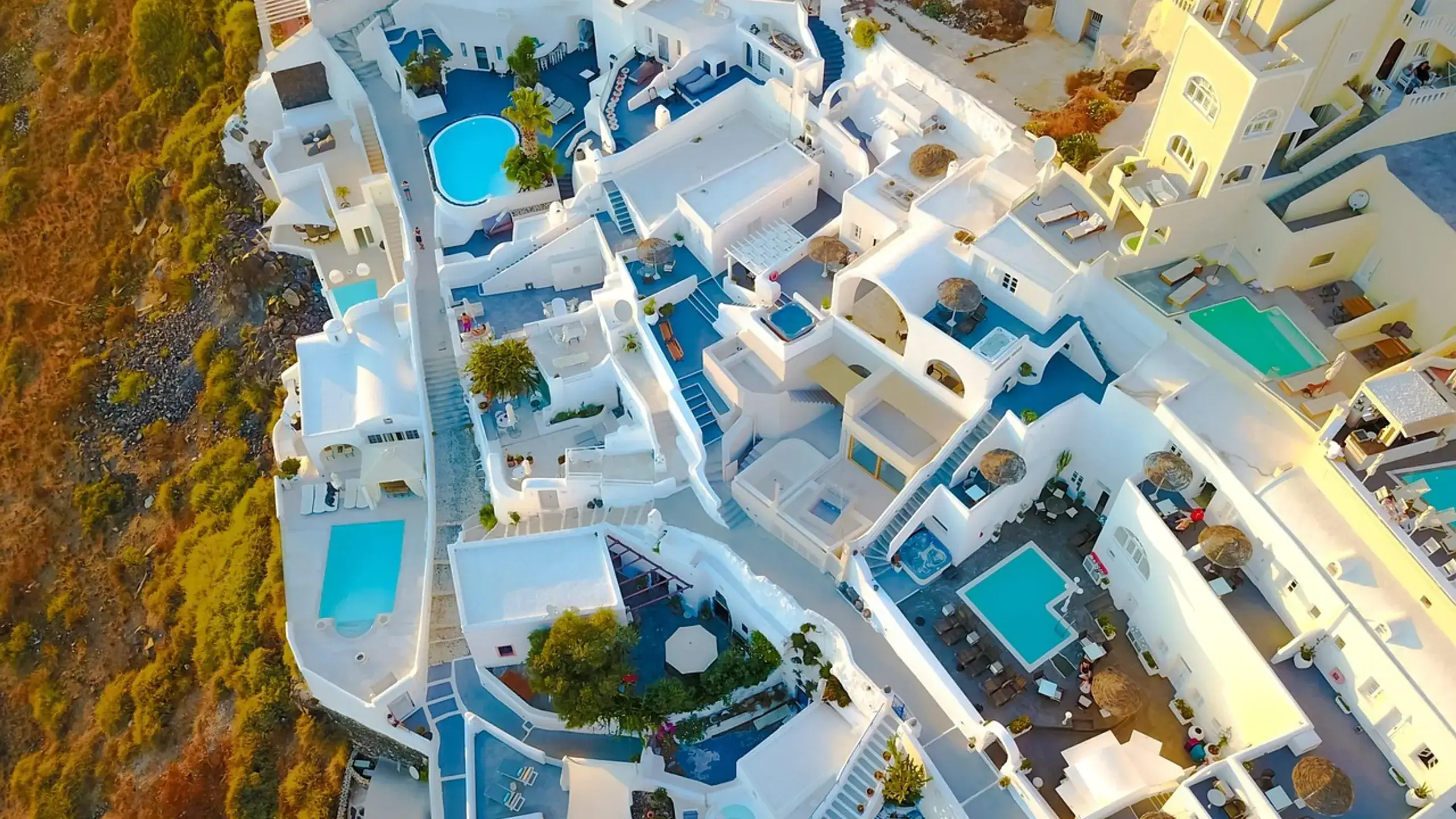
5 Days in Santorini: A Realistic Itinerary Beyond the Postcard
The photograph has been taken by everyone. The sunset has been watched from the same cliff edge for forty years. Here is the Santorini itinerary for the person who wants the experience, not just the image.
12 min read
Itineraries
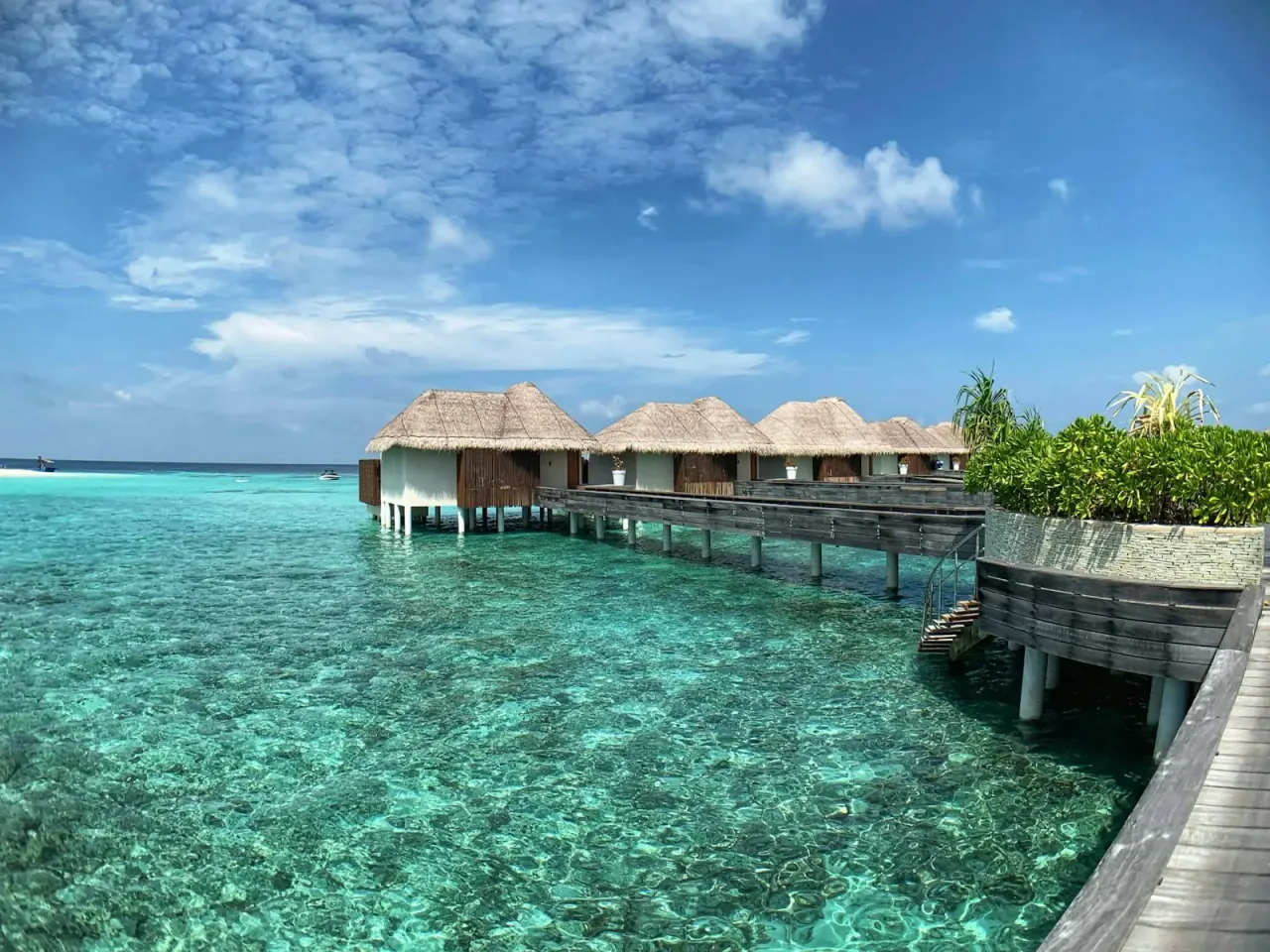
7 Days in the Maldives: The Honest Honeymoon Guide
The Maldives delivers everything the photographs promise. The water is exactly that colour. The overwater bungalow is exactly that remote. The question is which of the 1,100 islands is right for what you want — and how to avoid spending three of your seven days in transit.
13 min read