

Best Places to Travel in Italy in 2026 — The Honest Regional Guide
Italy has 20 regions, all of them interesting, and most travel guides cover four of them. Puglia, the Dolomites, Friuli, and the Italian lakes exist — and in most months they're better than Rome in July.
Italy's most visited regions — Rome, Florence, the Amalfi Coast, the Cinque Terre, and Venice — are remarkable places that absorb enormous tourist infrastructure and are genuinely worth visiting. They are also, in July and August, among the most overcrowded destinations in the world. The choice is not between visiting Italy and avoiding it; it's between the version of Italy that most itineraries default to and the version that 20 regions of extraordinary food, architecture, and landscape make possible with a slightly different map.
Planning this trip?
Find flights now
Compare prices across 700+ airlines and OTAs in one search — find the real lowest fare without the inflated middleman markup.
Search flightsNeed a place to stay?
Search hotels
Making a first Italian itinerary work
For a first trip, choose fewer places and more time. Base yourself in two or three cities with fast train links and add short day trips instead of changing hotels every night. Book high-demand sights in advance and give yourself slack around them. Learn a few Italian phrases, since even simple greetings improve service, and check meal times, as many kitchens close between lunch and dinner. Validate regional train tickets where required to avoid fines, and avoid driving in historic centres because of restricted zones. Pack for changeable weather and comfortable walking, and remember that churches expect covered shoulders and knees. A modest plan usually produces the most memorable trip.
Puglia: Italy's most rewarding underused region
Puglia occupies the heel of Italy's boot, stretching from the Gargano peninsula in the north to Santa Maria di Leuca in the south, and it is the most rewarding Italian region for visitors who have already done Rome and Florence. Alberobello's trulli (UNESCO World Heritage conical limestone buildings, a cluster of 1,400 in a single neighbourhood) are the most architecturally distinctive thing in Italy outside Venice. Lecce's Baroque architecture is more elaborate and better preserved than anything in Rome. The Salento coast between Gallipoli and Santa Maria di Leuca has Ionian and Adriatic waters meeting at Italy's southernmost point — clear, turquoise, and dramatically less crowded than the Amalfi. The Pugliese food culture (burrata at its origin, orecchiette with cime di rapa, focaccia barese) is reason enough to go.
The Dolomites: Italy's mountain alternative
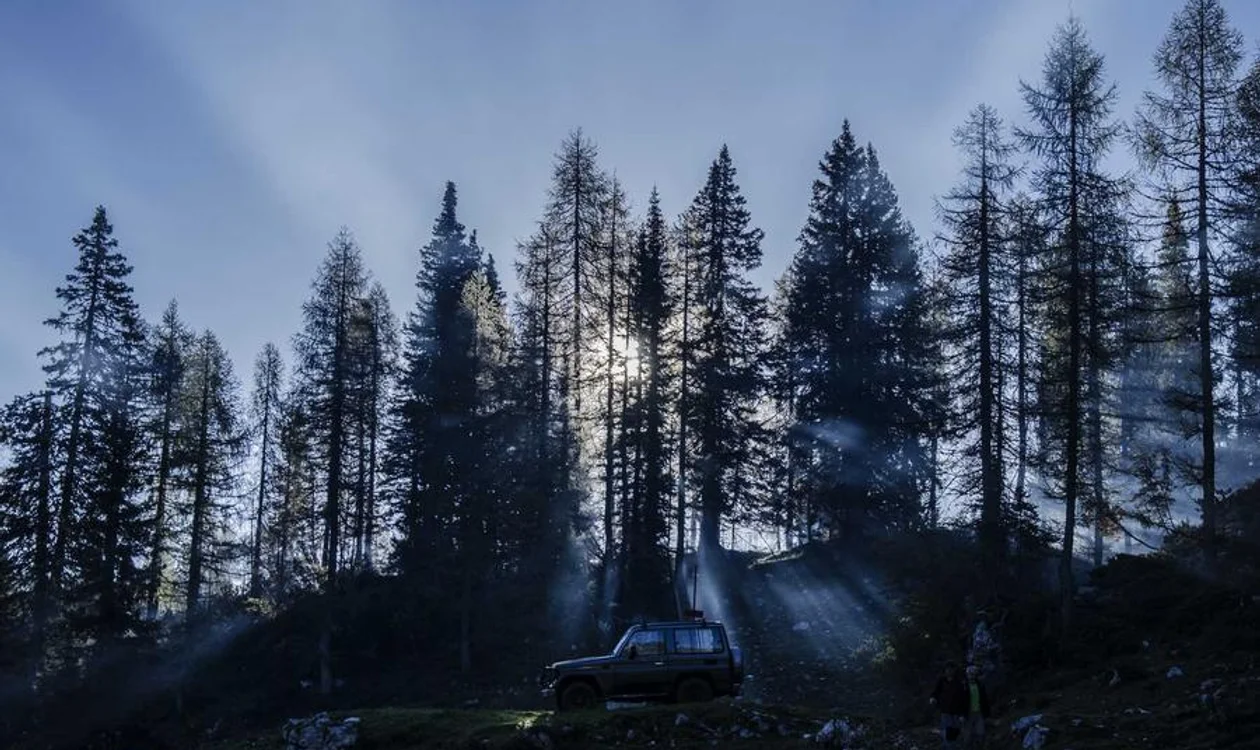
The Dolomites — the UNESCO World Heritage limestone mountain range across Trentino-Alto Adige and the Veneto — are Italy's most under-appreciated summer destination for international visitors. The mountains are the most visually dramatic in Europe after the Alps proper: vertical rose-coloured towers, the Tre Cime di Lavaredo, the Fanes plateau, and the mirror lakes of the Pragser Wildsee are all accessible from Cortina d'Ampezzo or the South Tyrolean villages. The region is German-speaking (South Tyrol was Austrian until 1919) with Italian governance — the food is a hybrid of German Strudel and Italian Speck that exists nowhere else. Best access: fly to Venice or Verona, rent a car, drive 2–3 hours north. June–September is the hiking season; October has the larch forests turning gold.
Editor's tips
- The Great Dolomites Road (SS48 and SS241) connects Cortina, Canazei, and Bolzano — one of Europe's most remarkable drives
- Bolzano (Bozen in German) is the South Tyrolean capital and has excellent wine bars with local Lagrein and Gewurztraminer
- The Tre Cime loop trail (9km, 580m elevation gain) is the Dolomites' most famous walk — start by 7am to have the trail largely to yourself
Sicily: the best timing for Italy's largest island
Sicily is Italy's most historically layered destination — Greek temples (Valley of the Temples at Agrigento, Selinunte), Arab-Norman architecture (Palermo's Cappella Palatina, Cefalù cathedral), Baroque hill towns (Ragusa, Modica, Noto), active volcanoes (Etna), and a street food culture (arancini, sfincione, granita e brioche) that differs from mainland Italy as significantly as the history does. The access window question: May–June and September–October are ideal — temperatures of 22–27°C, all sites open, beaches functional, and prices 20–30% below July–August. July–August works but Palermo reaches 38°C and the Valley of the Temples becomes a heat experience rather than an archaeological one.
Rome and Florence: how to do them without the damage
Rome and Florence are unavoidable and worth visiting. The damage comes from doing them in the wrong month in the wrong way. Rome in October: the heat has broken (22–25°C), the August crowd has left, and the Vatican Museums can be entered at 8am opening time with manageable queues. Book Vatican tickets 3–4 weeks ahead (skip-the-line tickets, not guided tours) and the Colosseum separately. Florence in April or November: the Uffizi without the school groups, Oltrarno's restaurants without the reservation pressure, and the Duomo's dome climb available on 20 minutes' notice rather than the 3-hour queue of high summer. The specific Florence advice: eat in the Oltrarno (south bank) neighbourhood — Trattoria Sergio Gozzi, Il Latini, Buca Mario are all better value than the tourist circuit north of the Arno.
Editor's tips
- Book Vatican Museums at 8am on a Thursday or Friday in October — these are the lowest-traffic windows of the post-summer season
- Florence's Accademia (David) is best visited at opening (8:15am) when the David gallery is quiet enough to see the work rather than the crowd
- The Italian Lakes (Como, Maggiore, Garda) are best in April–June before summer heat pushes people indoors — April comes are empty, May has wildflower terraces
Getting There: Flight Options
Compare live prices across 500+ airlines and booking platforms. Flexible date search lets you find the cheapest nearby dates.
Frequently asked questions
Depends entirely on what you're optimising for. Rome and Florence for art history. Puglia for food, architecture, and coast without crowds. The Dolomites for mountain landscape. Sicily for multi-layered history and food culture. Amalfi Coast and Cinque Terre for cliff-coast scenery (with crowd management built in). The Italian Lakes for refined northern Italy. There is no single best region.
Italy works best when the itinerary treats it as 20 separate countries rather than one destination with a short list of mandatory stops. Puglia is not a substitute for Rome — it's a completely different Italy that happens to be in the same country. The Dolomites have nothing in common with Tuscany. Sicily is more North African than Northern Italian in significant ways. Building an Italy trip around one region and doing it deeply produces better trips than routing through four famous cities in two weeks. Pick the region that matches your interests, go in the right season, and Italy rewards the specificity.
Get there
Flights
One search across 700+ airlines — find the real lowest fare for your dates.
Search flightsWhere to stay
Hotels
Browse verified hotels and stays — instant confirmation, secure booking.
Book on KKdayThings to do
Activities
Tours, attractions, and day trips — free cancellation on most experiences.
Book on KlookTours & Experiences
Book the experiences, not just the trip
Skip-the-line tickets, guided tours, and day trips — free cancellation on most, confirmed instantly.
About the author
Camille Laurent
Senior Travel Editor · Based in Lisbon · Bali
Camille has spent the last 9 years living in or reporting from over 60 countries. Former contributor to Condé Nast Traveler and Monocle, she focuses on Southeast Asia, Mediterranean Europe, and the Middle East. Currently based between Lisbon and Bali.
Read next — destinations
More from The Edit
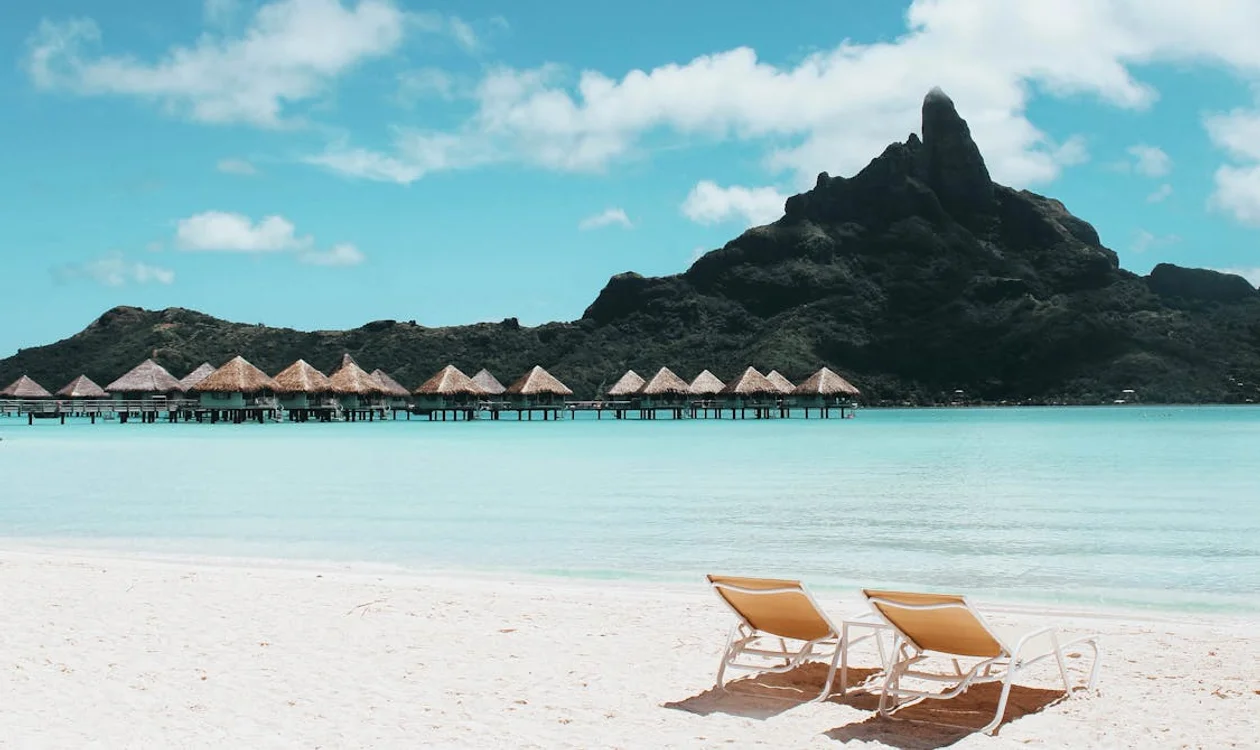
When to Go
Best Places to Travel in Europe in 2026 — The Honest Region-by-Region Guide
Europe has 44 countries and approximately 10,000 guidebooks telling you to go to the same six cities. Here is the framework for finding the version of Europe that actually matches what you want — by season, budget, and what kind of traveller you are.
13 min read
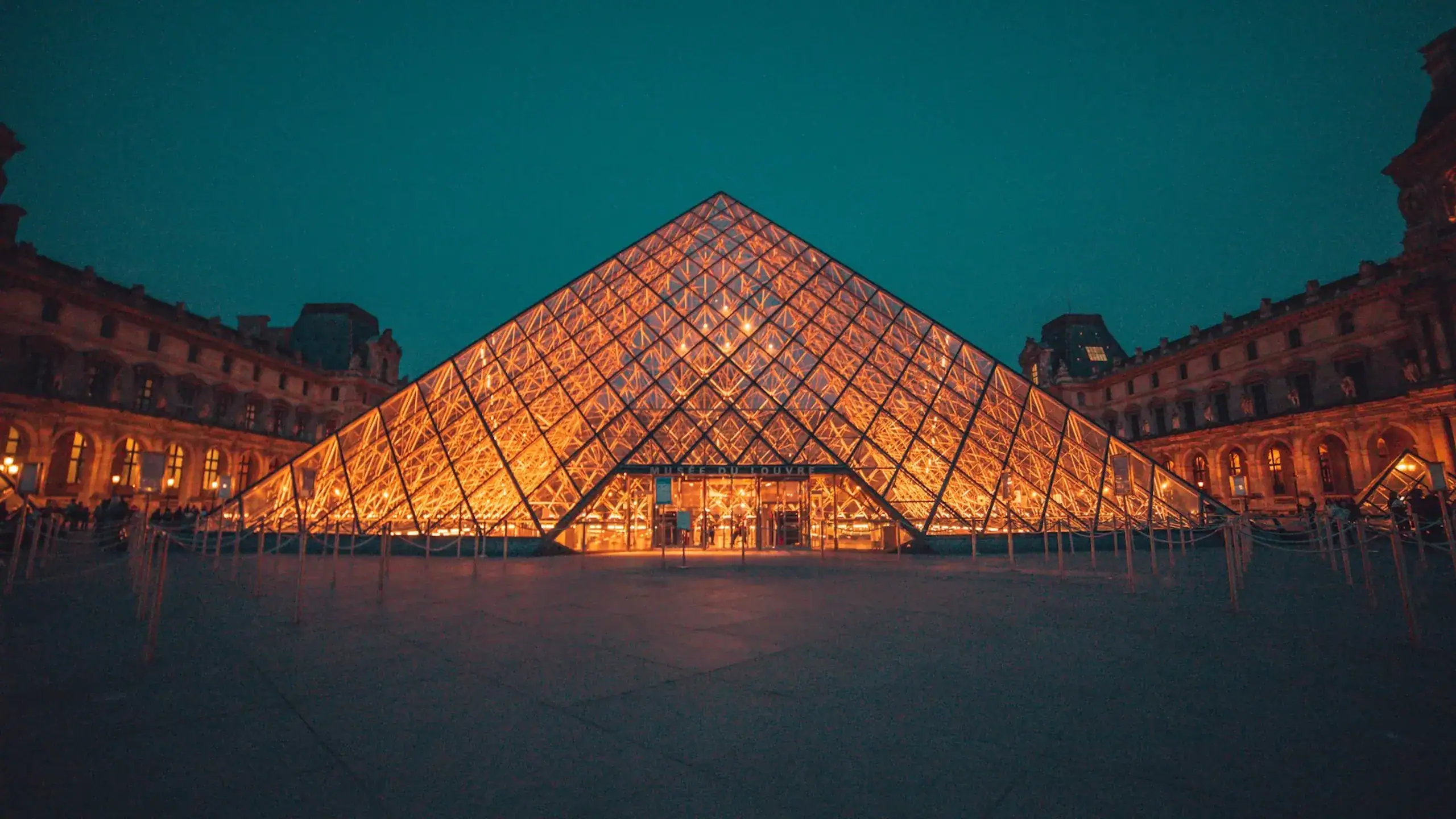
Itineraries
5 Days in Paris: Where to Eat, Sleep, and Skip
Most first-time itineraries send you to the same eight monuments and the same six tourist-trap cafés. Here is the version we'd actually plan for a friend — by neighbourhood, by meal, and including the things we'd specifically not do.
13 min read
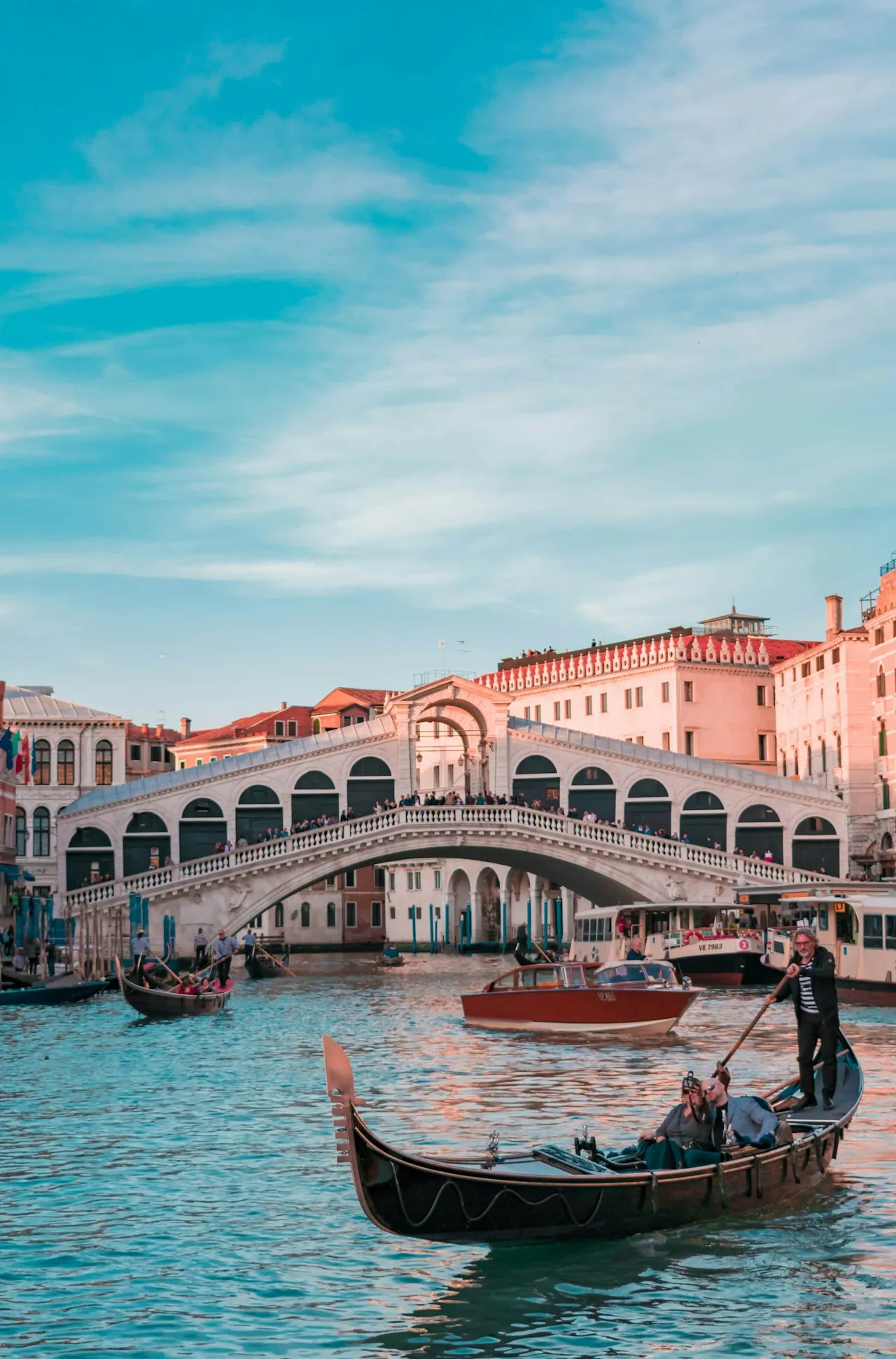
Travel Guides
Slow Travel Italy — A Month-Long Guide to Living Like a Local
The fastest way to misunderstand Italy is to see six cities in two weeks. I spent a month in Puglia with a rented apartment, a used bicycle, and no museum tickets — and came back with a country I hadn't known existed.
14 min read
Travel Guides
Is It Safe to Travel to Israel in 2026? — An Honest Region-by-Region Assessment
Israel's security situation has been in constant flux since October 2023. The US State Department advisory has moved, specific regions carry specific risks, and 'Israel' as a single safety question misses the geographic complexity.
10 min read