
10 Days in Morocco: Medinas, Desert, and the Atlantic Coast
Morocco contains more contrast per square kilometre than almost anywhere else — from the medieval medinas of Fez and Marrakech to the Sahara dunes to the blue-washed fishing port of Essaouira. Ten days is enough to feel the full range.
Morocco disorients in the best possible way. The medinas of Fez and Marrakech are medieval cities that have been continuously inhabited and are still being used for their original purposes — tanneries, spice souks, Quranic schools. The desert at Merzouga is one of the few genuine Sahara dune experiences accessible without a two-week overland expedition. And the Atlantic coast at Essaouira has the most agreeable climate in the country and a historic port that has been painted blue by Gnawa musicians and Portuguese traders and 1960s rock musicians. Ten days connects all of it.
Planning this trip?
Find flights now
Compare prices across 700+ airlines and OTAs in one search — find the real lowest fare without the inflated middleman markup.
Search flightsNeed a place to stay?
Search hotels
Route overview and what to book in advance
The route: Casablanca arrival (one night) ? Fez (three nights) ? Sahara desert circuit via Merzouga (three nights, including one desert camp) ? Marrakech (two nights) ? Essaouira (one night, or add to Marrakech days). The most efficient way to execute this: fly into Casablanca, take the 3.5-hour train to Fez (€15), rent a car in Fez for the desert circuit, return the car in Marrakech, and take the 3-hour CTM bus to Essaouira (€5). Book Fez medina riad accommodation and the Merzouga desert camp at least 3 weeks ahead — the best options fill up significantly in advance.
Days 1–3: Fez — the medieval city
Fez el-Bali (the old walled city) is the world's largest medieval urban centre still functioning as originally built. A guide is not optional — it's essential. The medina's 9,400 lanes have no logical structure recognisable to a Western visitor, and the experience without a guide is navigational stress rather than exploration. Hire a licensed guide from the tourism office (not from the street) for the first morning: the main souks by category (metalwork, leather, spices, fabrics), the Chouara Tannery viewpoint (the most photographed working tannery in the world — the coloured vats visible from surrounding riad terraces), the Bou Inania Madrasa (the finest Marinid-dynasty tile and stucco work in Morocco). Afternoons: explore without a guide once you have a mental map. Dinners: Nur restaurant for Moroccan fine dining in a riad setting, or any of the neighbourhood hole-in-the-wall spots for harira soup and kefta brochettes.
Editor's tips
- The Chouara Tannery view is from the surrounding leather shop terraces — the shops offer the terrace free if you look at merchandise
- The medina in Fez is genuinely disorienting — download the maps.me offline map and accept getting lost
- Mint tea is the social currency of Morocco — refusing it is rude, accepting it three times is polite
Days 4–6: Merzouga and the Sahara
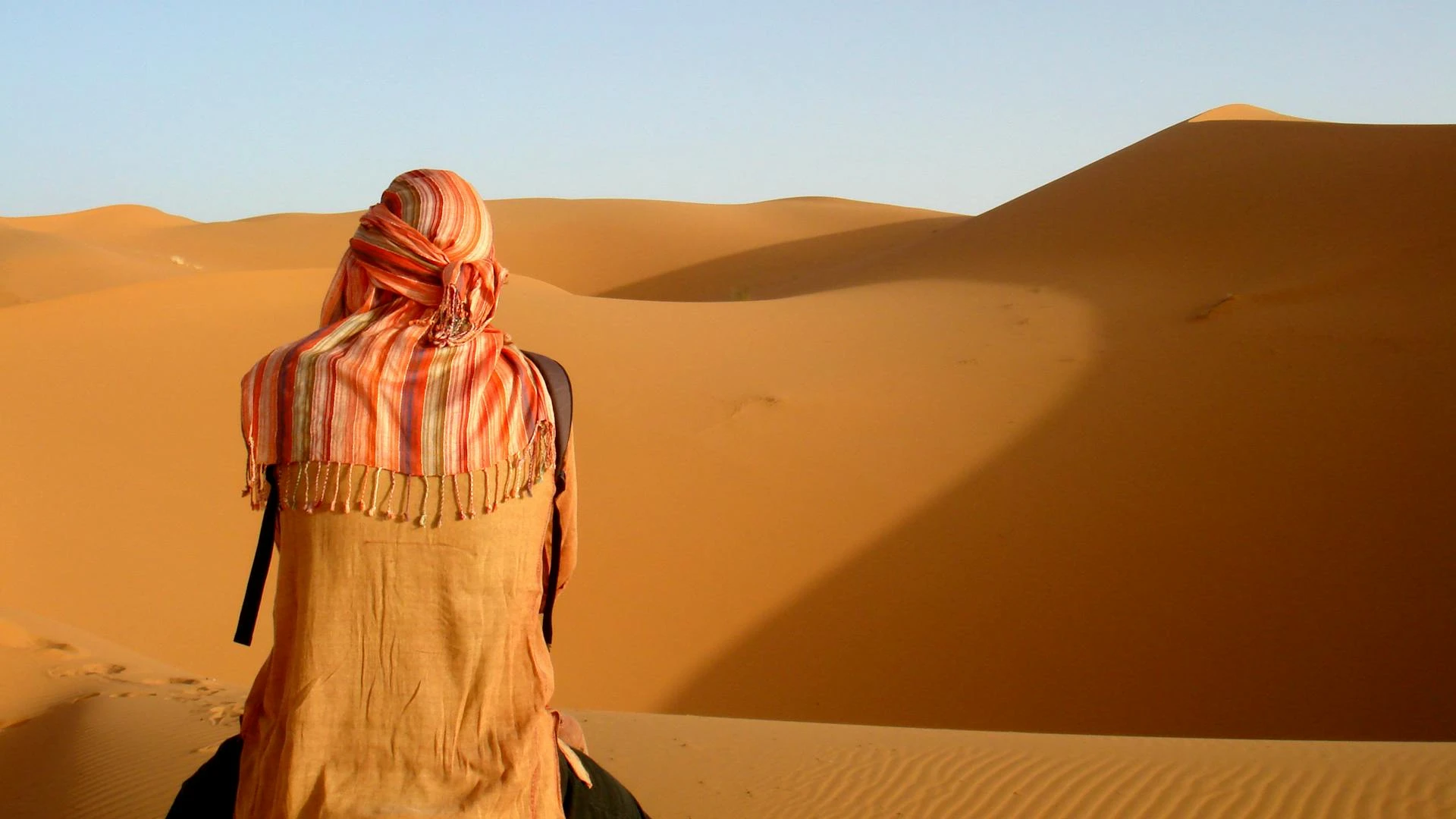
The drive from Fez to Merzouga takes approximately 8 hours (400km) — break it with a lunch stop in Midelt, a town at the foot of the High Atlas with good local cafés on the central square. The Ziz Gorges (a river canyon through palm groves) are the most dramatic section of the drive and worth stopping for. Merzouga is the closest point to the Erg Chebbi dunes — approximately 22km— of genuine Sahara sand, reaching 150m in height. The camel ride to the desert camp is the most photogenic approach (1.5 hours each way by camel). Stay one night in the dunes camp — uncomfortable, cold in winter, magnificent. The sunrise from the top of the highest dune is worth the 5:30am wake-up call. Return to the Merzouga village by 4x4 and continue south to Ouarzazate — the location hub for Lawrence of Arabia, Gladiator, and Game of Thrones — for a second night.
Days 7–8: Marrakech
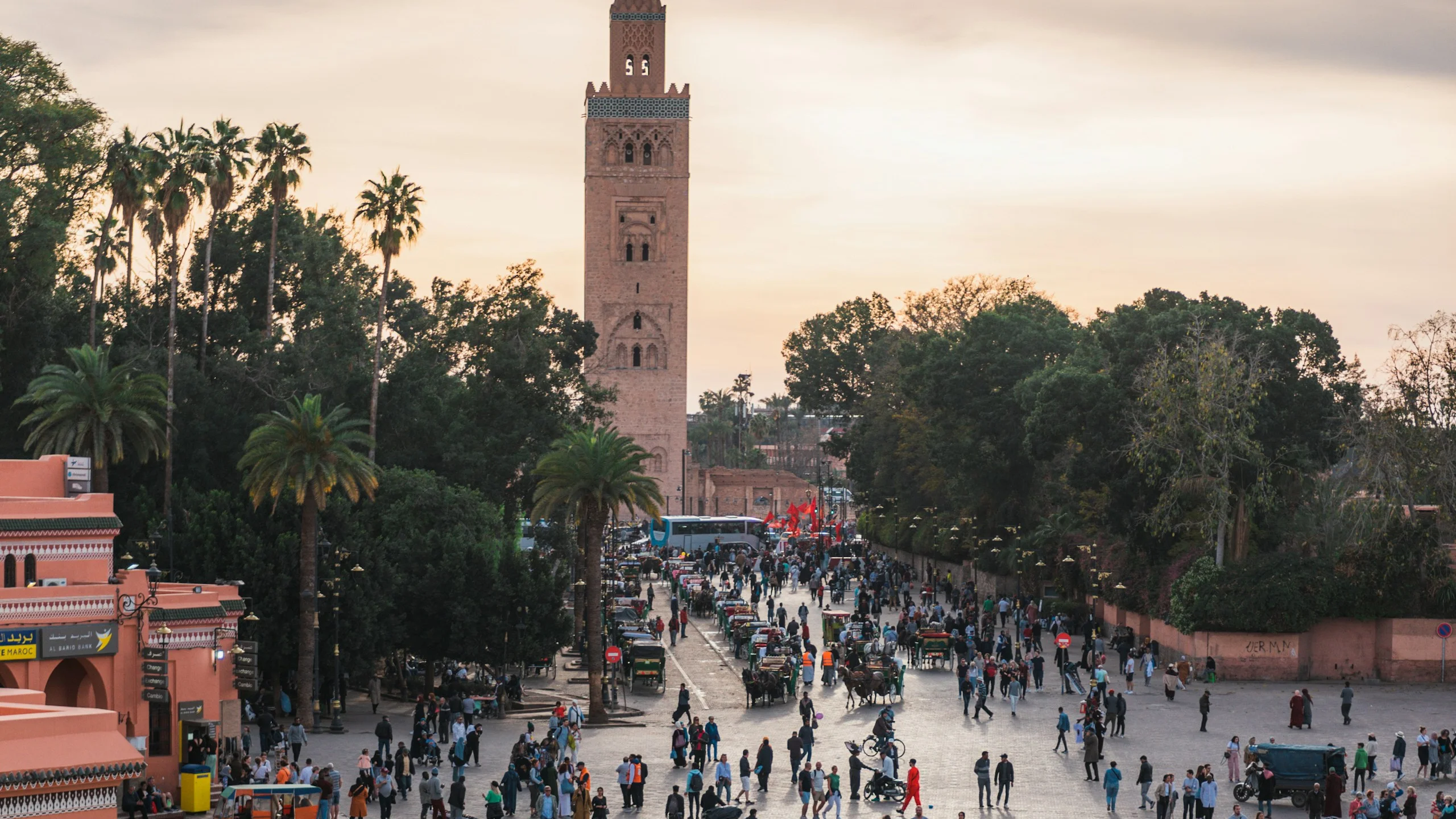
Marrakech is Morocco for tourists — and it does that role magnificently. The Jemaa el-Fna square at dusk is one of the greatest public spaces in the world: storytellers, snake charmers, orange juice vendors, and the expanding semicircle of food stalls that appears each evening. The Bahia Palace (the finest example of Moroccan palace architecture in the city), the Saadian Tombs (royal necropolis, free entry), and the Yves Saint Laurent Museum (the couturier's Moroccan archive in the Majorelle Garden building — expect queues) are the cultural highlights. The souks in Marrakech are more tourist-oriented than Fez — the prices are higher and the pressure is greater, but the range is wider. Base in the medina for atmosphere; the Gu–liz neighbourhood (new town) is more comfortable for solo women travellers.
Day 9–10: Essaouira
Essaouira is the most relaxed city in Morocco — a walled Atlantic port with blue-painted boats, the world's most reliable wind (it's the kite-surfing capital of Africa), and a medina so small that you can learn it in a morning. The ramparts facing the Atlantic are the evening walk. The fish souk inside the medina walls sells the catch directly to the grill stalls at the entrance — point at the fish you want, specify your cooking method, and eat it at a plastic table outside for €5. The Gnawa music that emerged from this port (blues-rooted Sufi trance music, now heard globally) has its weekly performances at the Caf— Baba rooftop on weekend evenings. Day 10: return to Marrakech airport (3 hours by CTM bus or shared taxi) for departures.
Travelling comfortably between Moroccan cities
Morocco rewards planning around distances and heat. Long drives between the medieval cities, the desert and the coast take longer than the kilometres suggest, so consider a mix of trains, private drivers and short flights instead of driving everything yourself. Trains connect several major cities and are a comfortable way to travel between them, while the mountains and desert usually need a driver or a tour. In summer, midday heat is intense, so start early and rest in the afternoon, and in winter, desert nights and mountain passes can be cold. Dress modestly, particularly in the medinas and rural areas, and carry small change for tips and taxis. Agree prices before you start a taxi ride or hire a guide, and stay in a riad or hotel that can arrange pickups from the medina gates. Bargaining in souks is expected and friendly when done with a smile. With realistic distances and early starts, the trip feels rich instead of rushed.
Flights and Riads
Casablanca (CMN) and Marrakech (RAK) are the main international entry points. Book riad accommodation in Fez and Marrakech medinas early — the best properties have only 4–8 rooms.
Book Tours and Desert Camps
Licensed medina guides in Fez, Sahara desert camps, and Fez-to-Merzouga 4x4 transfers all benefit from advance booking.
Frequently asked questions
Morocco is generally safe for tourists. Normal urban precautions apply in the medinas — awareness of bag-snatching in crowded souks and caution with unofficial guides offering free help. Solo women travellers report occasional harassment in Fez and Marrakech; the Atlantic coast cities are more relaxed. Register with your embassy before travel.
Morocco's disorientation becomes its appeal once you accept it. The first morning in the Fez medina, when every turn looks identical and the logic of the city refuses to resolve, is the first step toward understanding a place built by a different set of principles. Ten days gives you enough time for the disorientation to become familiarity — and for the differences that initially overwhelmed to become the things you're trying to bring home. ⚠️ Health and vaccination requirements last verified August 2026. Requirements change — check the CDC Travel Health page (wwwnc.cdc.gov/travel) and your destination's embassy for the most current guidance before you book. Safety conditions can shift between trips, so it's worth checking the U.S. State Department's Morocco advisory before you finalize dates.
Get there
Flights
One search across 700+ airlines — find the real lowest fare for your dates.
Search flightsWhere to stay
Hotels
Browse verified hotels and stays — instant confirmation, secure booking.
Book on KKdayThings to do
Activities
Tours, attractions, and day trips — free cancellation on most experiences.
Book on KlookTours & Experiences
Book the experiences, not just the trip
Skip-the-line tickets, guided tours, and day trips — free cancellation on most, confirmed instantly.
About the author
Camille Laurent
Senior Travel Editor · Based in Lisbon · Bali
Camille has spent the last 9 years living in or reporting from over 60 countries. Former contributor to Condé Nast Traveler and Monocle, she focuses on Southeast Asia, Mediterranean Europe, and the Middle East. Currently based between Lisbon and Bali.
Read next — destinations
More from The Edit
Itineraries
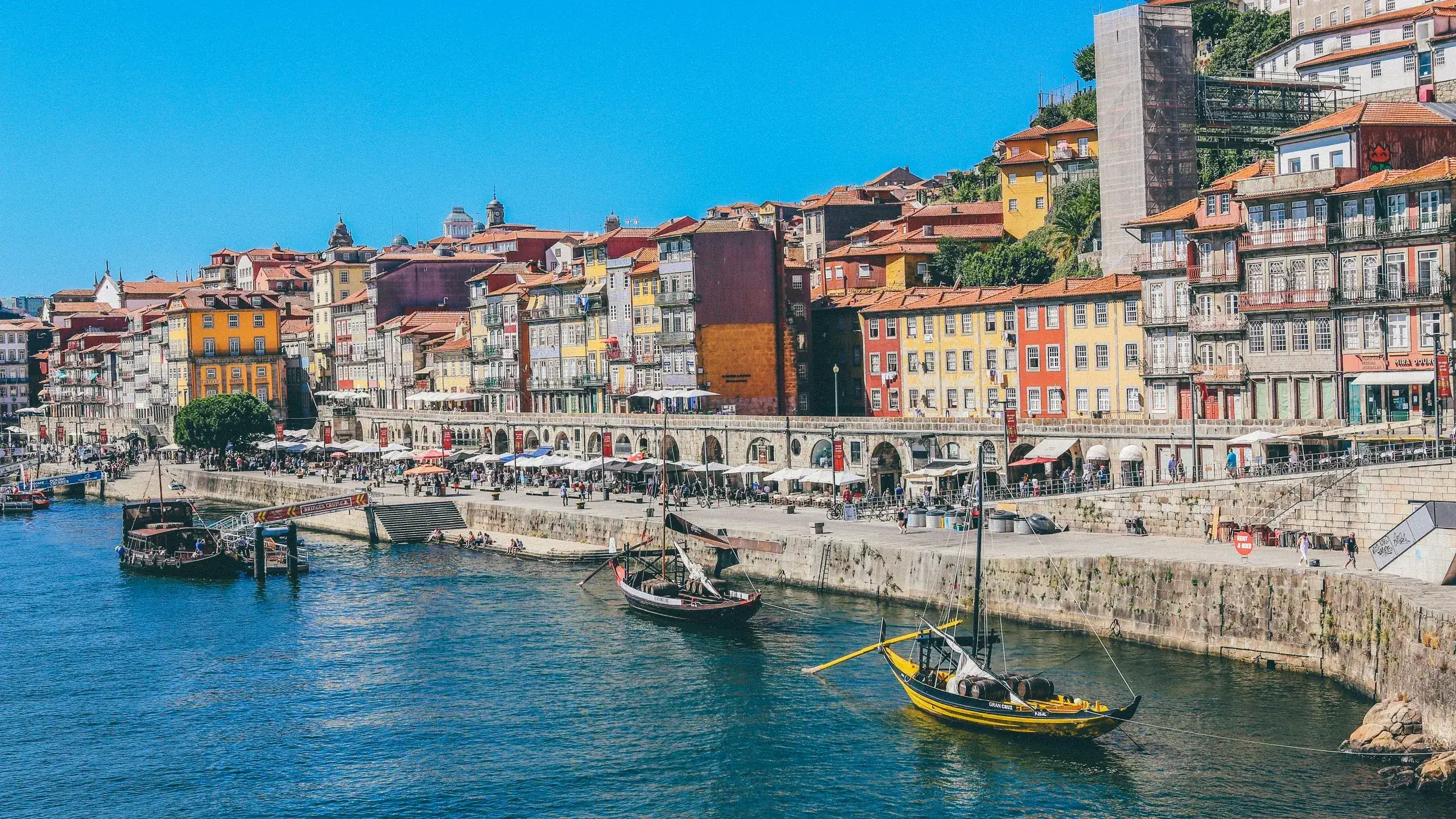
4 Days in Lisbon: The Complete First-Timer's Itinerary
Lisbon is the most underrated capital in Western Europe — still affordable, still walkable, with architecture that looks like it was preserved by accident and food that punches far above its price point. Four days is enough to understand why people move here.
12 min read
Itineraries
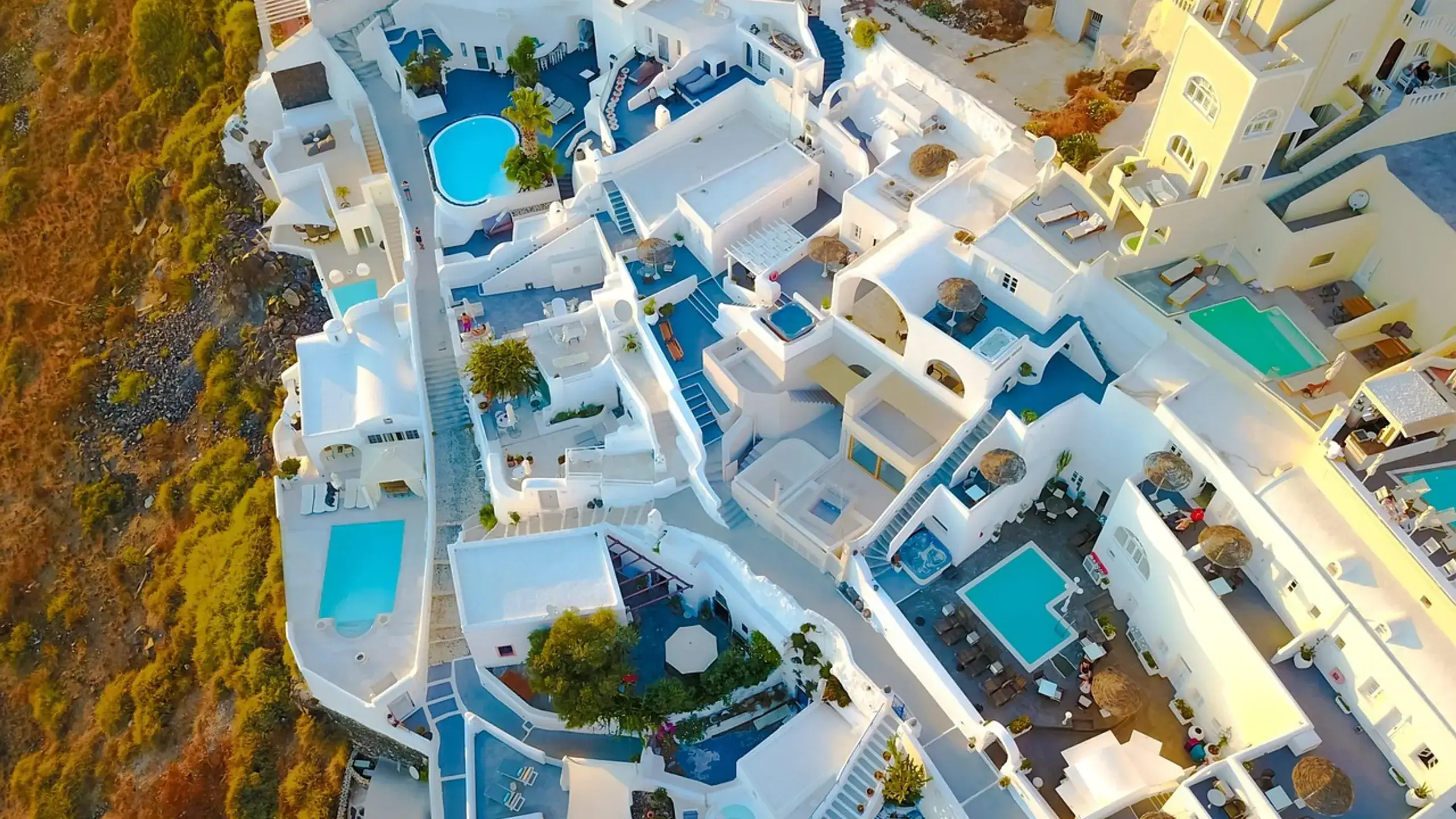
10 Days Greek Island Hopping: The Perfect Route
The Greek islands are 6,000 in number and impossibly varied. Ten days with the right ferry connections reveals how different Santorini's volcanic drama is from Naxos's mountain interior, Paros's marble villages, and Milos's coloured rock formations.
14 min read