

The World Cup 2026 Road Trip: Cross-Border Itineraries Across the USA, Mexico & Canada
The defining travel trend of 2026 is fans refusing to pick just one city. Here are realistic multi-city routes — by region and by border — for following the tournament on the move.
Update, September 2026: the tournament ran from June 11 to July 19 and has now finished. Match fixtures no longer apply, but the routes below still work as multi-city trips across the United States, Mexico and Canada if you plan them around your own dates. The most striking travel pattern of the 2026 World Cup is that fans are no longer choosing a single destination. With 16 cities across three countries, supporters are planning multi-city — and multi-country — itineraries, following the football and the atmosphere from one host to the next. It's a brilliant way to experience North America, but it can also be a logistical and financial trap if you route it badly. FIFA grouped the host cities into three regions for exactly this reason. Here is how to build a road-trip-style World Cup that's ambitious but actually doable.
Planning this trip?
Find flights now
Compare prices across 700+ airlines and OTAs in one search — find the real lowest fare without the inflated middleman markup.
Search flightsNeed a place to stay?
Search hotels
Think in Regions, Not Cities
The single most useful planning fact for a multi-city trip: the 16 host cities are organised into three geographic regions to reduce travel. **Western Region:** Vancouver, Seattle, San Francisco Bay Area, Los Angeles. **Central Region:** Guadalajara, Mexico City, Monterrey, Houston, Dallas, Kansas City, Atlanta. **Eastern Region:** Toronto, Boston, Philadelphia, New York/New Jersey, Miami. Staying within a single region for the bulk of your trip dramatically cuts flight time, cost, and fatigue. A Western swing (Vancouver–Seattle–Bay Area–LA) is largely drivable or a series of short flights. A border-corridor trip (Seattle up to Vancouver, or San Diego-area down toward Mexican host cities) follows the natural geography. Zig-zagging Miami–LA–Mexico City–Toronto, by contrast, will eat your budget and your time in airports.
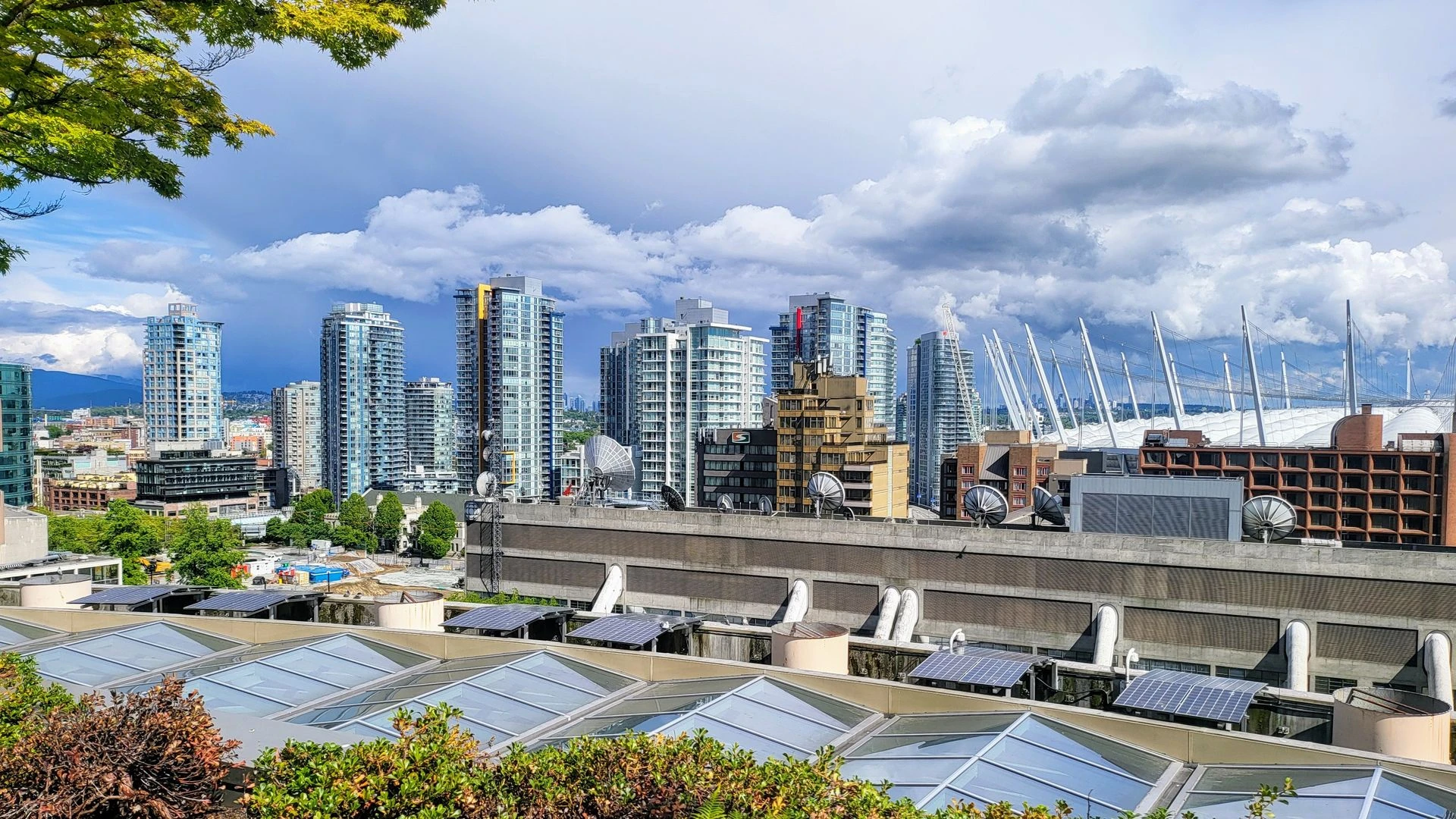
Route 1 — The Western Swing (USA + Canada)
**Vancouver → Seattle → San Francisco Bay Area → Los Angeles.** This is the cleanest cross-border route of the tournament. Vancouver and Seattle are under three hours apart by road or a short hop by air, separated only by the US–Canada border. From Seattle, short flights connect down the West Coast to the Bay Area and LA. **Why it works:** one time zone (Pacific), genuinely dramatic scenery (mountains, coast, redwoods), and two countries in one trip without long-haul flights. **Watch for:** the border crossing — have your eTA (for Canada) and ESTA/visa (for the US) sorted before you travel, and expect match-day queues at the land border between Seattle and Vancouver. Book the Vancouver and LA legs earliest; both are likely high-demand venues.
Route 2 — The Central / Mexico Corridor
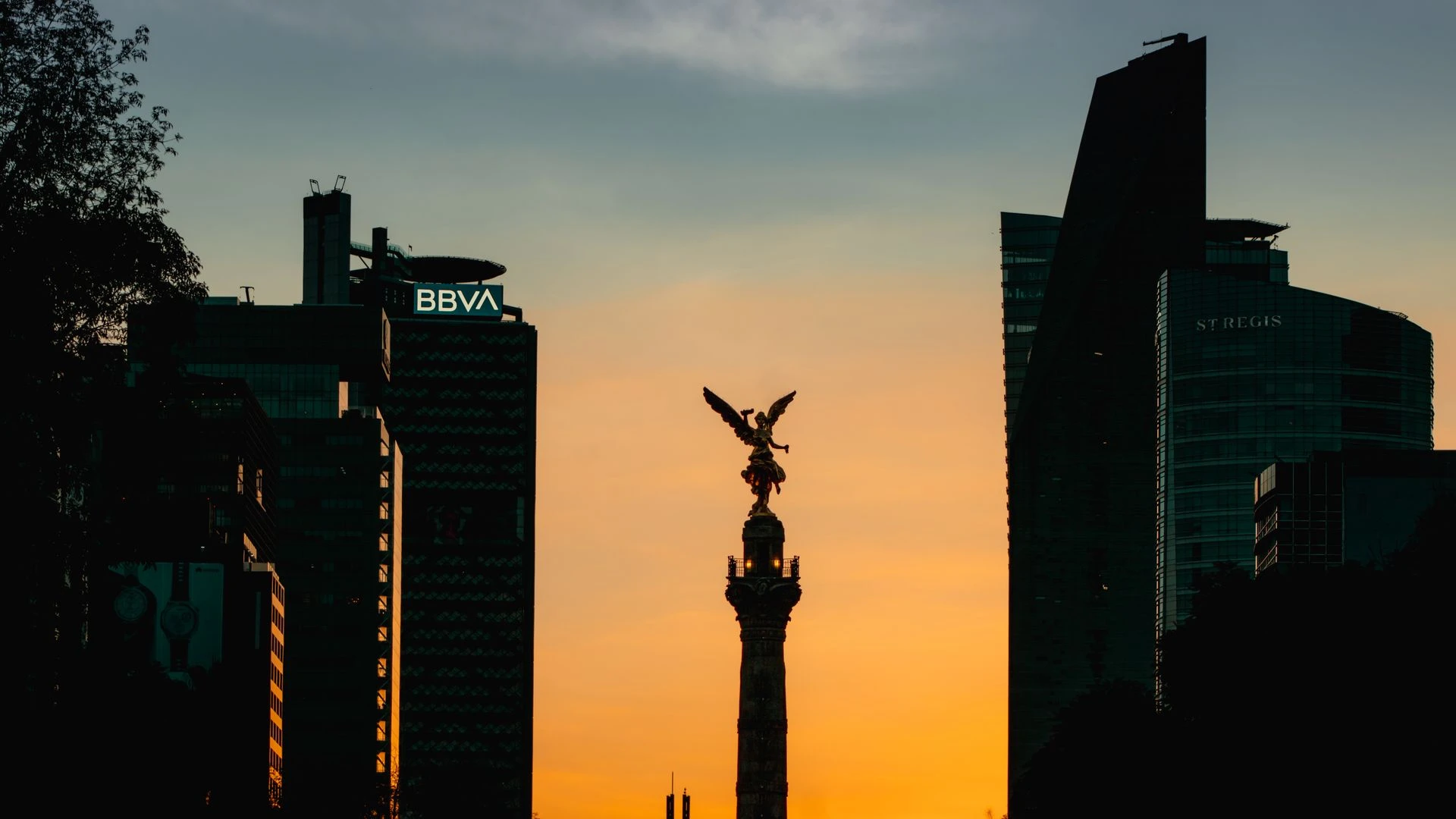
**Dallas → Houston → Monterrey → Mexico City → Guadalajara.** The Central Region is the tournament's heart for atmosphere — it includes all three Mexican host cities plus the big Texas venues. A Texas-into-Mexico corridor lets you experience the US tournament and then drop into the home-nation fervour, which during a Mexico match is among the loudest football atmospheres on earth. **Why it works:** you get both the US and Mexican World Cup experiences, and the cultural contrast is half the fun. Mexico City (the opening-match city) is a top-tier destination in its own right. **Watch for:** crossing into Mexico has its own entry requirements (check current rules), and domestic Mexican flights between Monterrey, Mexico City and Guadalajara fill fast around match days. The heat in Monterrey, Houston and Dallas in June–July is serious — favour evening matches.
Route 3 — The Eastern Triangle
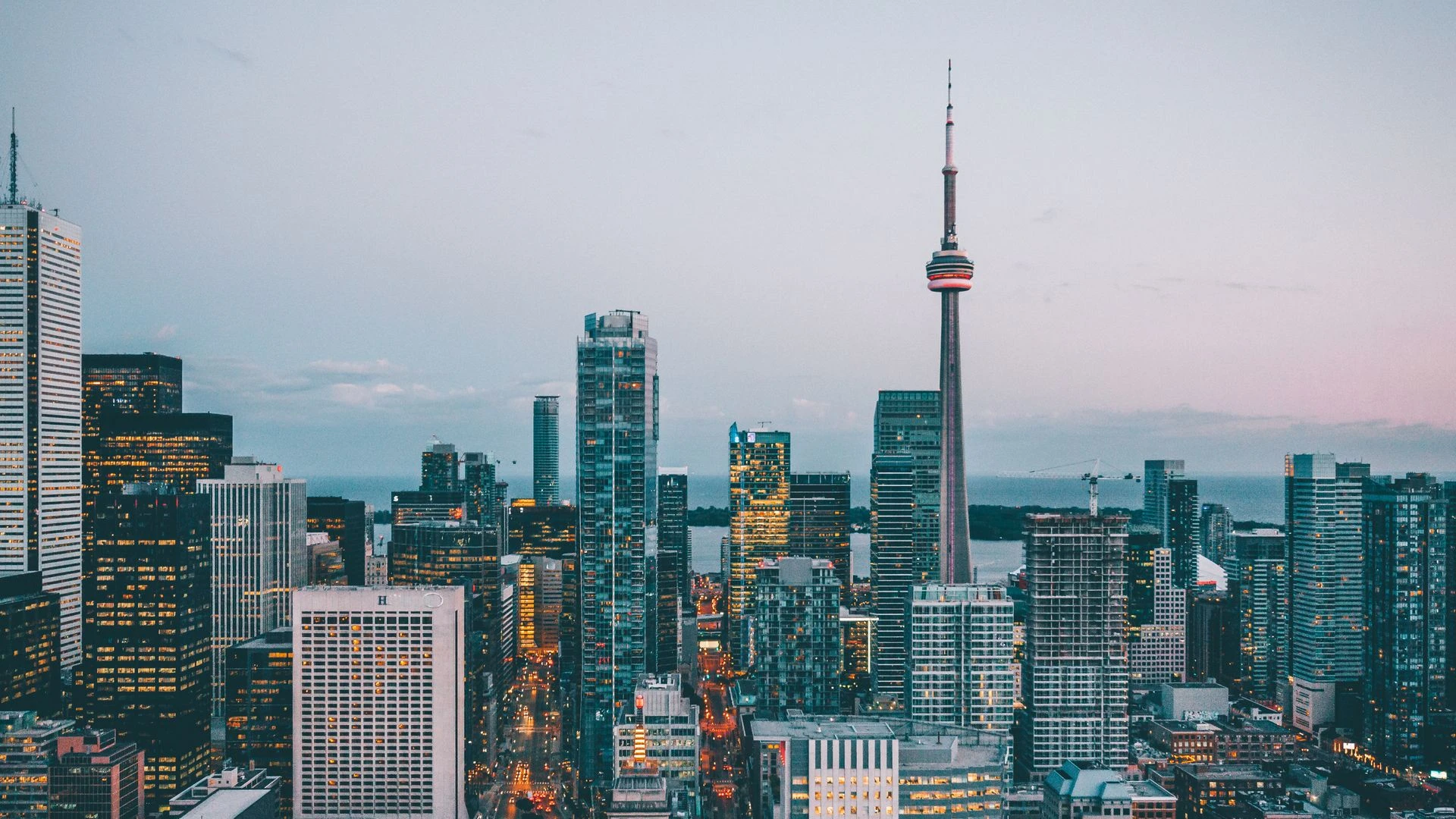
**Toronto → Boston → New York/New Jersey → Philadelphia → Miami.** The Eastern Region packs the most host cities into the shortest distances for the northern leg — Toronto, Boston, New York, and Philadelphia are all within a few hours of each other, connected by frequent flights and, for the US trio, by train. Miami is the outlier (a longer flight south) but unmissable for its Latin-American atmosphere and its enormous fan festival. **Why it works:** dense, walkable, transit-friendly cities; the US Northeast is the easiest part of the country to do without a car (Amtrak's Northeast Corridor links Boston–New York–Philadelphia). **Watch for:** New York/New Jersey hosts the final, so accommodation there in mid-July is the most expensive window of the trip. If you want the final, anchor the whole route around July 19 and book it first.
Making a Multi-City Trip Actually Work
**Book the spine, flex the rest.** Lock in your anchor cities and the dates you're certain about. Leave gaps you can fill as fixtures and prices reveal themselves — this is the cross-border traveller's superpower. **Bundle inter-city transport with hotels.** Internal flights and trains spike around match days. Reserve them at the same time as accommodation, not as an afterthought. **Respect the borders.** Every border crossing needs the right travel authorisation and adds time. Group your trip by region to minimise crossings, and never schedule a same-day border crossing immediately before a match kickoff. **Budget realistically.** Multi-city means multiplied accommodation and transport costs. Pair this itinerary with our [World Cup 2026 budget guide](/world-cup-2026-budget-guide) and lean on free [fan festivals](/world-cup-2026-fan-zones) to keep costs sane between matches.
Border crossings and driving between host countries
Cross-border driving needs preparation. Check the entry rules for each country, including passport requirements and any digital forms, and confirm whether your rental car agreement allows crossings, since many do not. Insurance rules differ, so ask your rental company what cover applies in each country. Border wait times can be long around major events, so build in generous buffers and carry snacks and water. Keep documents accessible and be honest and brief with officers. Consider flying for the longest legs and renting locally for the rest, which can be cheaper and less stressful than driving the entire route. Keep fuel topped up in remote stretches and download offline maps in advance.
Frequently asked questions
Yes — and it's the defining trend of 2026. The key is to stay within one of the three regions (Western, Central, Eastern), which keeps distances and flight costs manageable. A Western swing (Vancouver–Seattle–Bay Area–LA) or an Eastern triangle (Toronto–Boston–New York–Philadelphia) is very doable.
Following the 2026 World Cup across multiple cities is the trip of a lifetime — if you route it with the regions in mind rather than the map of your dreams. Pick a region (or a single border corridor), build a flexible spine of group-stage cities, book your anchor dates and inter-city transport early, and let the fan festivals carry the days between matches. Done right, a multi-city World Cup is also the best North American road trip you'll ever take. ⚠️ Entry and visa requirements last verified August 2026. Requirements can change with little notice — confirm with the official embassy or the U.S. State Department (travel.state.gov) before booking.
Get there
Flights
One search across 700+ airlines — find the real lowest fare for your dates.
Search flightsWhere to stay
Hotels
Browse verified hotels and stays — instant confirmation, secure booking.
Book on KKdayThings to do
Activities
Tours, attractions, and day trips — free cancellation on most experiences.
Book on KlookTours & Experiences
Book the experiences, not just the trip
Skip-the-line tickets, guided tours, and day trips — free cancellation on most, confirmed instantly.
About the author
Camille Laurent
Senior Travel Editor · Based in Lisbon · Bali
Camille has spent the last 9 years living in or reporting from over 60 countries. Former contributor to Condé Nast Traveler and Monocle, she focuses on Southeast Asia, Mediterranean Europe, and the Middle East. Currently based between Lisbon and Bali.
More from The Edit
Travel Guides
World Cup 2026 Travel Guide: Everything You Need to Know About USA, Mexico & Canada
The FIFA World Cup 2026 spans 16 host cities across three countries. Here is your complete travel guide — stadiums, cities, visa rules, transport, and how to make the most of the biggest sporting event on earth.
14 min read
Travel Guides
World Cup 2026 Host Cities: A Travel Guide to All 16 Venues
From the altitude of Mexico City's Estadio Azteca to the Pacific coast energy of Vancouver — a city-by-city breakdown of all 16 World Cup 2026 venues with travel tips for each.
12 min read
Hotel Picks
Where to Stay for World Cup 2026: Best Hotels and Neighbourhoods in Every Host City
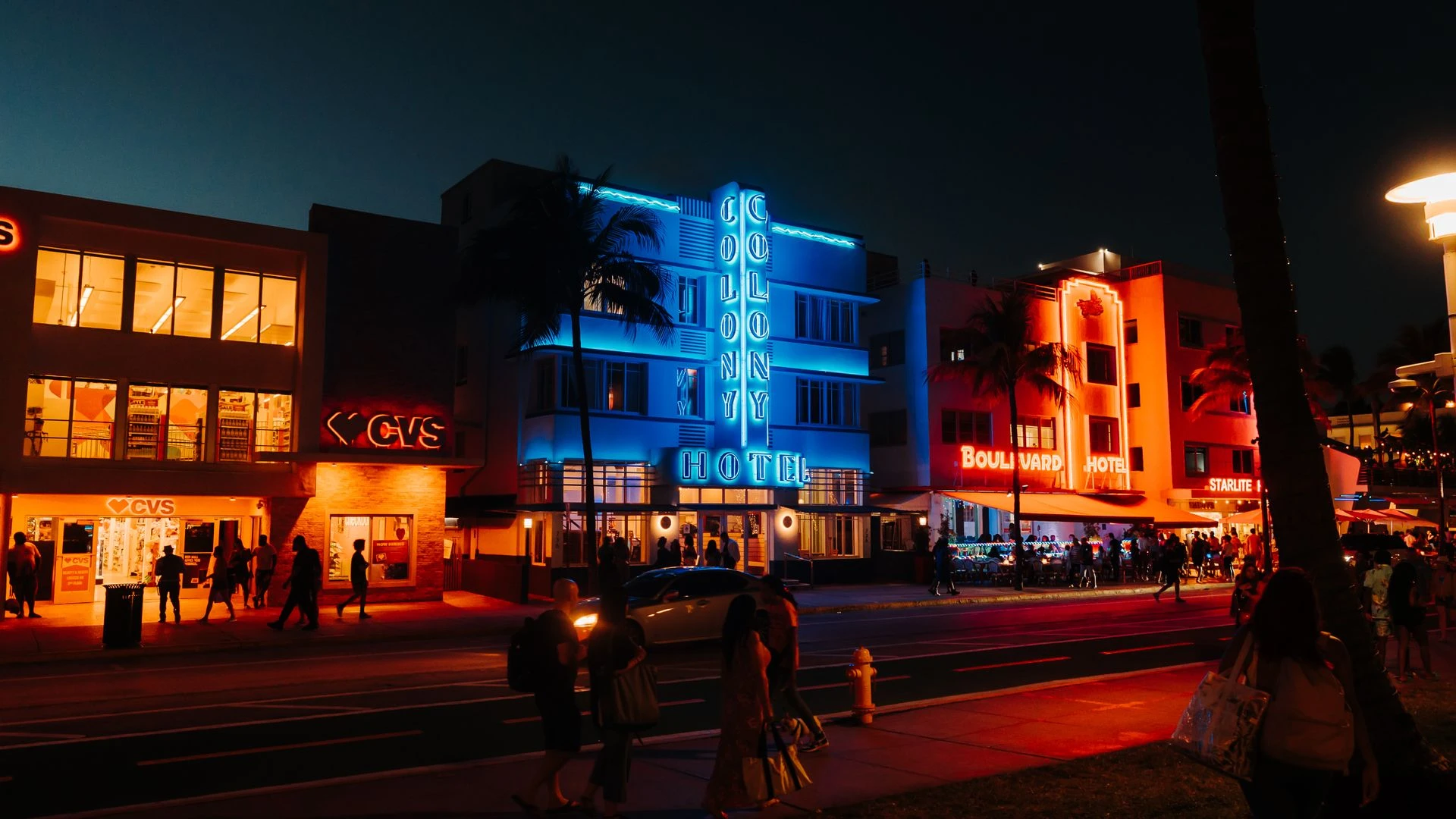
Hotels near World Cup 2026 venues are selling out fast. Here is where to stay in New York, Los Angeles, Miami, Mexico City, Vancouver, and every host city — with neighbourhood guides and booking tips.
11 min read
Travel Guides
World Cup 2026 Schedule & Key Dates: A Traveller's Calendar (Opening to Final)
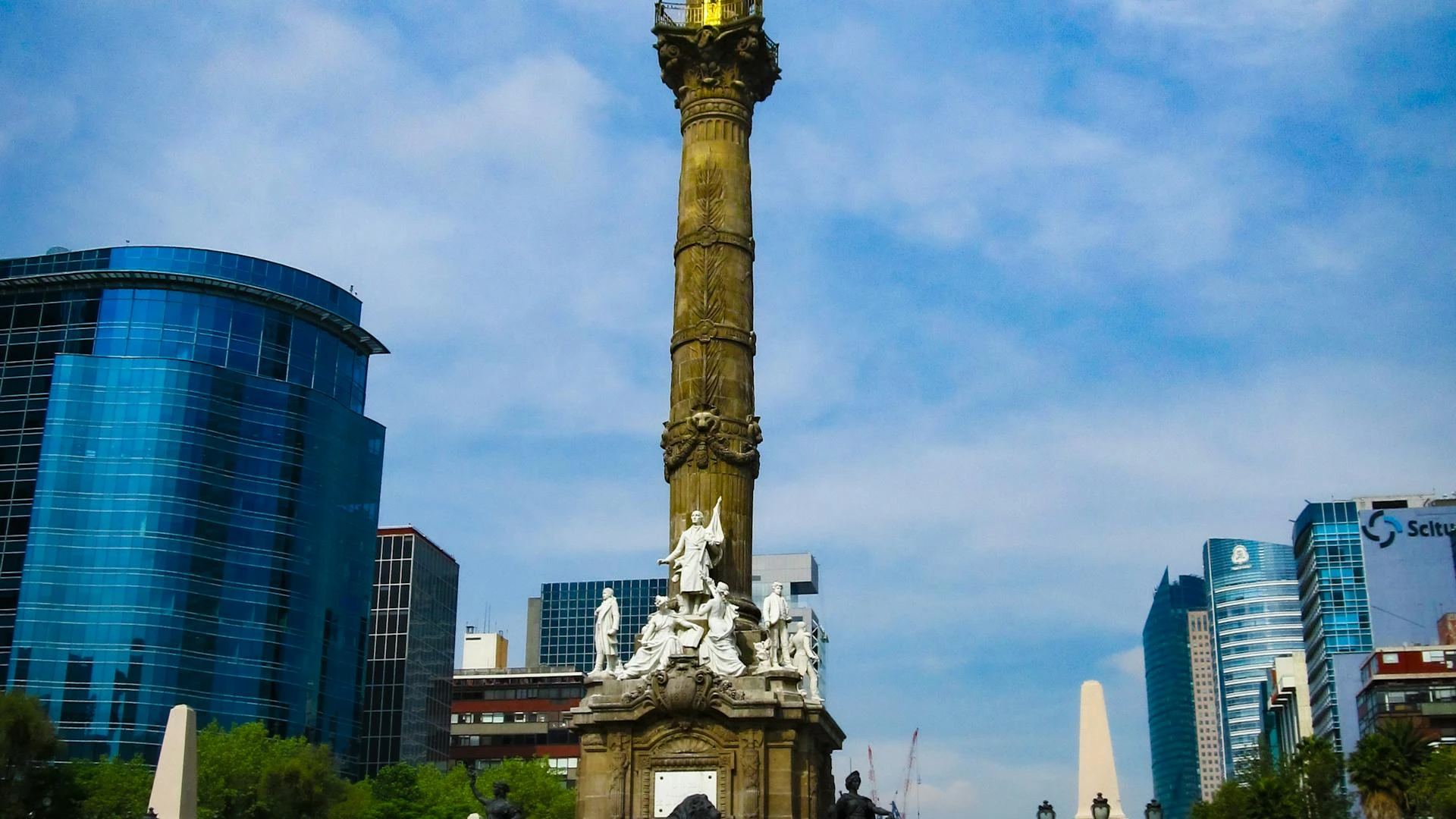
The 2026 World Cup runs June 11 to July 19 across 16 cities and three countries. You cannot be everywhere — so here are the dates that matter and how to build a trip around them.
9 min read
Money & Deals
World Cup 2026 on a Budget: How to Experience the Tournament Without Going Broke
The 2026 World Cup will be the most expensive in history to attend — unless you ignore the parts you're supposed to pay for. Here's how to experience it on a real budget.
10 min read